作者: admin

  • Eritrea withdraws from regional bloc as UN expresses concern over tensions with Ethiopia

    Eritrea withdraws from regional bloc as UN expresses concern over tensions with Ethiopia

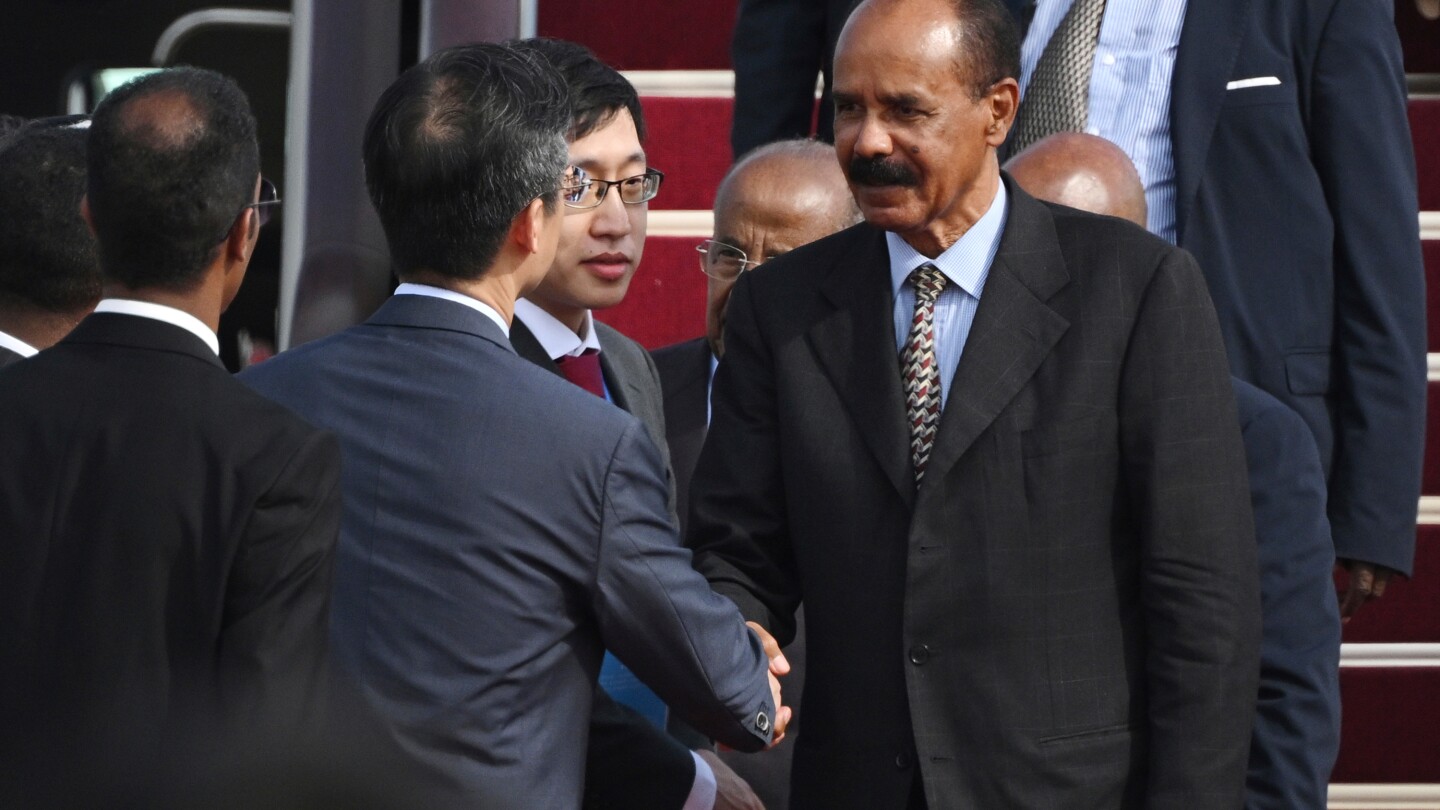
    NAIROBI, Kenya — In a significant regional development, Eritrea has formally announced its withdrawal from the Intergovernmental Authority on Development (IGAD), denouncing the East African bloc for allegedly acting against its national interests. The Eritrean foreign ministry issued a statement Friday asserting that IGAD had “forfeited its legal mandate and authority” while failing to deliver “discernible strategic benefit” or contribute meaningfully to regional stability.

    This marks the second time Eritrea has exited the eight-nation coalition, having previously withdrawn in 2003 before rejoining just two years ago. IGAD responded by noting that Eritrea had remained largely inactive in regional activities since its return to the organization.

    The withdrawal coincides with mounting international concern over deteriorating relations between Eritrea and neighboring Ethiopia. United Nations officials expressed alarm about renewed tensions between the two nations, which signed a historic peace agreement a quarter-century ago.

    The core dispute centers on maritime access, with Ethiopian Prime Minister Abiy Ahmed recently declaring it a “mistake” to have lost Red Sea access when Eritrea gained independence in 1993. Ethiopia has expressed intentions to peacefully secure port access through Eritrea, which previously served as Ethiopia’s primary trade corridor. Eritrean officials have interpreted these statements as provocative, accusing Ethiopia of maintaining a “long-brewing war agenda” aimed at seizing its strategic ports.

    UN Secretary-General Antonio Guterres’ office has urgently called for both nations to “recommit to the vision of lasting peace and the respect for sovereignty and territorial integrity,” specifically referencing the landmark Algiers Agreement that ended their devastating border conflict in 2000.

    IGAD, comprising Djibouti, Ethiopia, Kenya, Somalia, South Sudan, Sudan, and Uganda alongside Eritrea, facilitates regional cooperation on trade, transportation, agriculture, and environmental policies. The organization’s effectiveness now faces renewed challenges amid these escalating diplomatic tensions.

  • China aims for twin-track use of Nvidia H200 amid back door fears

    China aims for twin-track use of Nvidia H200 amid back door fears

    China is demonstrating a notable shift in its position regarding Nvidia’s H200 graphics processing units (GPUs), moving from initial skepticism to a pragmatic governance strategy. This strategic recalibration follows the Trump administration’s December 8 announcement permitting Nvidia to export H200 products to China under specific national security conditions, a decision reportedly communicated directly to Chinese President Xi Jinping during a November 24 phone conversation.

    The initial Chinese response to potential H200 exports, characterized by warnings of ‘sugar-coated bullets’ that might undermine domestic chip development, has evolved into a more nuanced ‘twin track’ approach. This strategy allows Chinese firms to utilize H200 chips for AI model training—which demands high-performance processing capabilities—while employing domestic chips for inference tasks requiring less computational power but greater energy efficiency.

    Chinese technology giants including ByteDance and Alibaba have expressed significant interest in acquiring H200 chips, with industry sources indicating potential orders approaching 100,000 units. The appeal lies not only in the H200’s substantial performance advantage over previous options but also in Nvidia’s deeply entrenched CUDA ecosystem, which offers a comprehensive development environment that domestic alternatives cannot yet replicate.

    Despite this openness to foreign technology, Chinese commentators emphasize the continued importance of developing domestic capabilities. Columnist Tangyipao notes that while the H200 can help alleviate computing power bottlenecks, China must remain vigilant against technological lock-in and continue advancing its indigenous chip industry, particularly through products like Huawei’s Ascend processors.

    Security concerns regarding potential ‘back doors’ in Nvidia’s technology have been partially addressed through the company’s December 10 announcement of a software-based monitoring tool designed for GPU management rather than control. Nvidia explicitly stated its chips contain no hardware tracking technology, kill switches, or back doors—though some Chinese analysts call for independent verification of these claims.

    This balanced approach reflects China’s historical development philosophy of ‘walking on two legs,’ advocating for simultaneous advancement across multiple sectors without becoming overly dependent on any single technology or approach.

  • Myanmar military claims armed opposition groups used hospital hit by airstrike as base

    Myanmar military claims armed opposition groups used hospital hit by airstrike as base

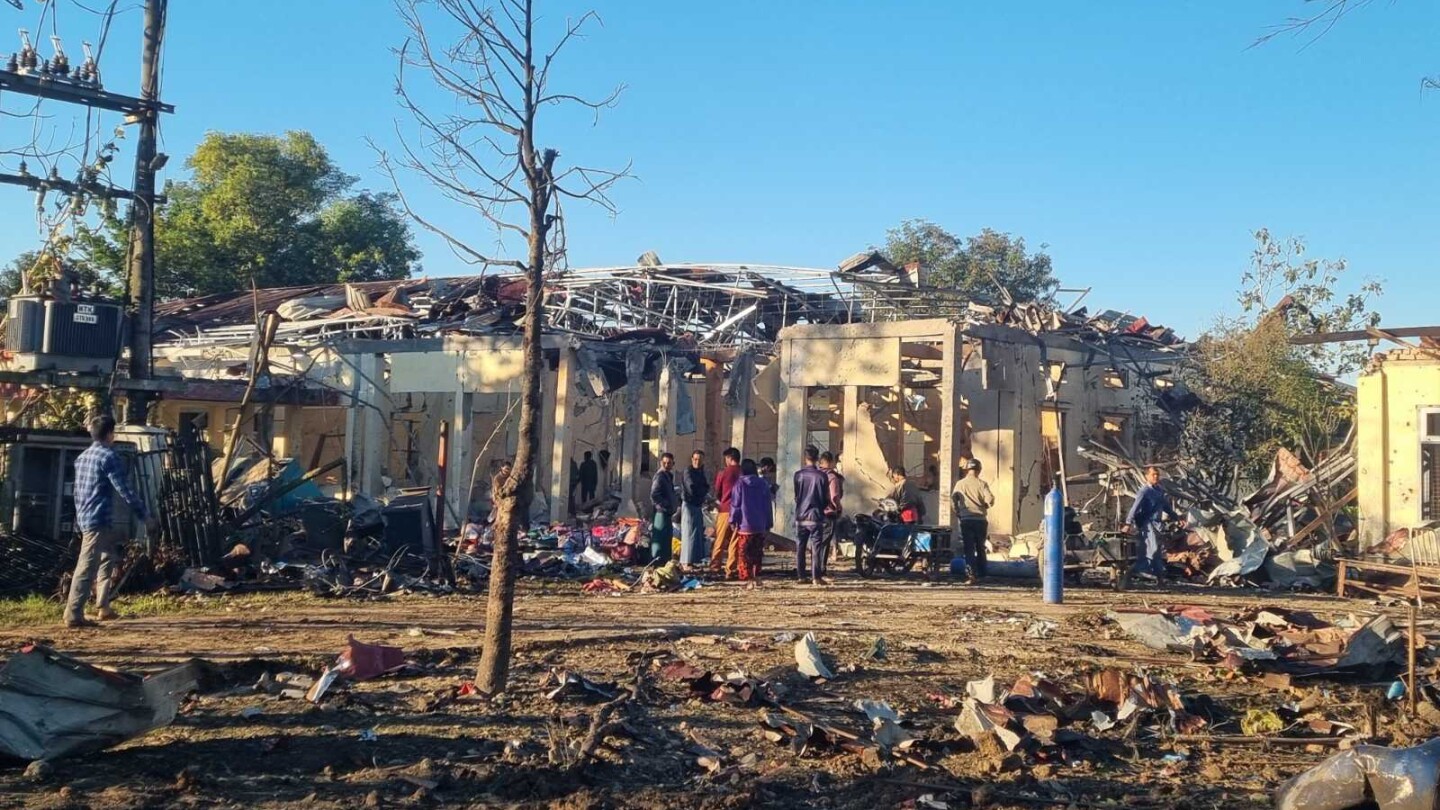
    Myanmar’s military leadership has officially acknowledged conducting an airstrike on a medical facility in Rakhine State, following days of international outcry over an attack that local sources claim resulted in over 30 fatalities. The military’s information office released a statement through state media asserting that armed opposition groups had been utilizing the hospital as an operational base, justifying the Wednesday assault as a necessary counter-terrorism measure.

    The military’s account sharply contradicts eyewitness reports from rescue personnel who described a devastating scene at Mrauk-U Township’s general hospital, where patients, medical staff, and children were reportedly among the casualties. According to local emergency responders, the aerial bombardment destroyed the healthcare facility and left approximately 80 individuals wounded.

    This incident occurs against the backdrop of intensifying conflict across Myanmar since the 2021 military takeover, with the ethnic Arakan Army establishing control over significant portions of Rakhine State, including Mrauk-U which fell under their authority in February 2024. The well-organized ethnic force has captured strategic military positions and now governs most of the region’s townships.

    The international community has responded with unprecedented criticism. The United Nations condemned the attack as part of a disturbing pattern of violence affecting civilian infrastructure, while World Health Organization director-general Tedros Adhanom Ghebreyesus expressed profound dismay at the destruction of a critical healthcare provider. In a rare move, ASEAN—currently chaired by Malaysia—issued a formal condemnation, describing the attack as unacceptable and in violation of the bloc’s foundational principles.

    The Arakan Army has vowed to pursue accountability through international channels and promised decisive action against military forces, reporting subsequent airstrikes across multiple Rakhine towns that have resulted in additional civilian casualties.

  • In a first, Pakistan sentences its former spy chief to 14 years in prison

    In a first, Pakistan sentences its former spy chief to 14 years in prison

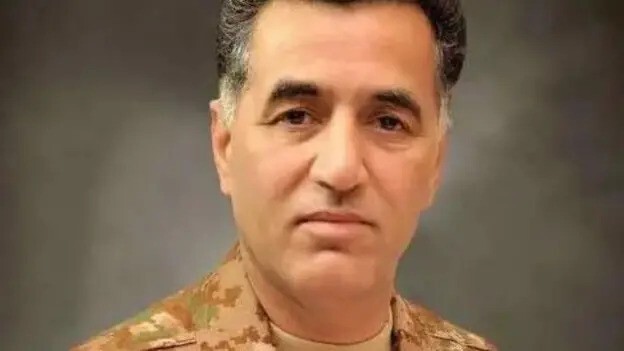
    In an extraordinary development within Pakistan’s military establishment, Lieutenant General Faiz Hameed, former director of the Inter-Services Intelligence (ISI) agency, has been sentenced to 14 years of rigorous imprisonment following a controversial military tribunal. The conviction represents the first instance in Pakistani history where a former intelligence chief has faced such severe judicial consequences.

    The military court found Hameed guilty on four distinct charges: unlawful engagement in political activities, violation of the Official Secrets Act, misappropriation of government resources, and causing significant financial losses to the state. The sentencing marks a dramatic downfall for the once-powerful military figure who was previously regarded as the second-most influential official within Pakistan’s armed forces hierarchy.

    Legal representatives for Hameed have characterized the proceedings as a ‘sham’ trial, alleging numerous procedural irregularities. Defense attorney Ali Ashfaq revealed to international media that his client was denied proper legal representation throughout the judicial process. According to Ashfaq, neither Hameed’s legal team nor family members received advance notification of the December 11th hearing, resulting in the defendant appearing without counsel.

    The Pakistani military’s public relations wing (ISPR) confirmed that court-martial proceedings against Hameed commenced on August 12, 2024, under specific provisions of the Pakistani Army Act. While acknowledging Hameed’s right to appeal, the military statement provided limited details regarding the specific evidence presented during the closed-door proceedings.

    Political analysts interpret this development as part of broader tensions between Pakistan’s military establishment and former Prime Minister Imran Khan, who personally appointed Hameed as ISI chief in 2019. A separate investigation is currently examining allegations that Hameed participated in protests following Khan’s arrest in May 2023.

    Khan, who was democratically elected in 2018 but removed through a parliamentary no-confidence vote in 2022, remains imprisoned since August 2023. The former prime minister maintains that his political downfall was orchestrated by military leadership and has faced multiple legal challenges, including charges under the Official Secrets Act.

    Recent social media communications from Khan’s family and supporters allege harsh prison conditions, including solitary confinement and restricted access to legal representation despite court orders permitting visits. Khan has publicly accused current military leadership of constitutional violations and systematic erosion of fundamental rights in Pakistan.

    The appeal process for Hameed’s case will initially proceed through military channels, with the army chief serving as the first appellate authority. Legal representatives express confidence that higher judicial forums will address what they characterize as fundamental procedural deficiencies in the original trial.

  • US lifts sanctions against Brazilian judge in Bolsonaro case

    US lifts sanctions against Brazilian judge in Bolsonaro case

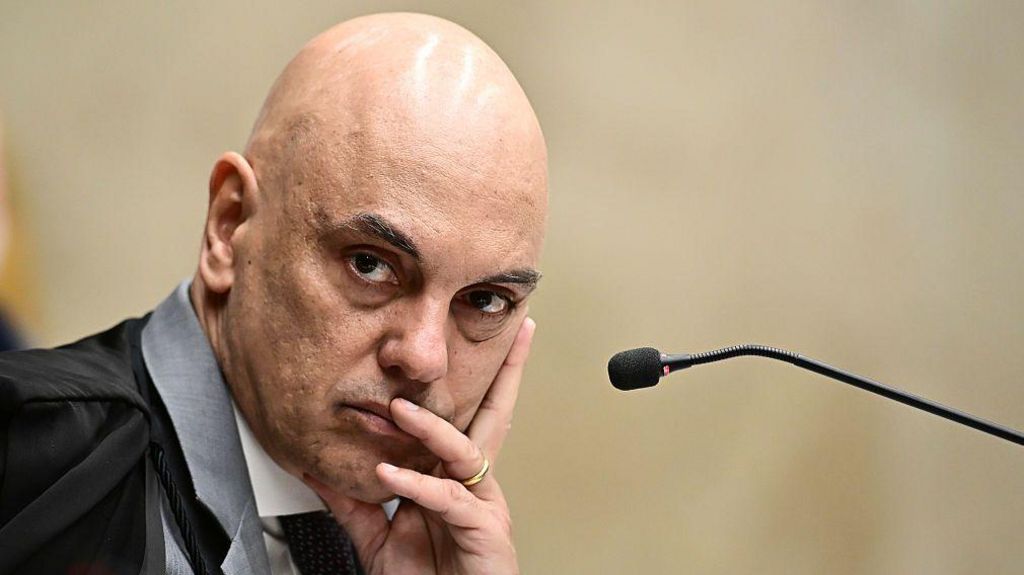
    In a significant diplomatic shift, the United States has removed Brazilian Supreme Court Justice Alexandre de Moraes from its sanctions list, signaling warming relations between the two nations. This development comes shortly after Brazil’s lower house approved legislation that could substantially reduce former President Jair Bolsonaro’s 27-year prison sentence for alleged coup plotting.

    The sanctions reversal, enacted Friday, aligns with the Trump administration’s endorsement of the prospective sentence reduction for Bolsonaro. The controversial legislative proposal, which would shorten the former leader’s term to under three years, now advances to Brazil’s Senate for consideration. Ultimately, it would require ratification by President Luiz Inácio Lula da Silva, Bolsonaro’s political rival, potentially creating a tense political confrontation.

    US Deputy Secretary of State Christopher Landau characterized the development as ‘the beginning of a path to improve our relations’ in a social media statement. The Trump administration had previously imposed sanctions in July, alleging Justice de Moraes had ‘abused his judicial authority to target political opponents’ in his investigation of Bolsonaro’s alleged election interference efforts.

    Brazil’s Minister of Institutional Relations Gleisi Hoffmann hailed the sanctions removal as a victory for both Brazil and the Lula administration. The diplomatic thaw follows recent indications of easing tensions between Presidents Trump and Lula, including what Trump described as a ‘great’ trade discussion earlier this month.

  • Billionaire offers ‘common-sense’ advice

    Billionaire offers ‘common-sense’ advice

    John Catsimatidis, the 77-year-old billionaire chairman and CEO of Red Apple Group, has built a formidable business empire over five decades through his distinctive ‘common-sense’ philosophy. Beginning with grocery stores, his ventures now span aviation, oil and gas, real estate, and media, amassing a net worth exceeding $4.8 billion. Despite his monumental success, Catsimatidis remains deeply committed to philanthropic initiatives and fostering international cooperation, particularly between the United States and China.

    Born on the Greek island of Nisyros in 1948, Catsimatidis immigrated to the U.S. as an infant. His childhood in West Harlem exposed him to diverse cultures and instilled a strong work ethic. After studying electrical engineering at New York University, he left just eight credits short of his degree to focus full-time on the grocery business. His innovative approach—extending operating hours, accepting food stamps, and cashing checks—set his stores apart from competitors.

    Today, Catsimatidis oversees more than 40 supermarkets in Manhattan and maintains a significant presence in media through his ownership of radio station 77WABC. He hosts programs like The Cats Roundtable, where he emphasizes truthful reporting in an era of declining public trust in media.

    A key focus for Catsimatidis is strengthening U.S.-China relations. He recently attended a cultural concert at Carnegie Hall featuring Chinese musicians and presented a cultural excellence award. ‘The Chinese people are one of the wisest cultures we have,’ he remarked. ‘We should work together for what’s good for the world.’ He also expressed interest in bringing Chinese pandas to New York City as a symbol of cross-cultural friendship.

    Catsimatidis has maintained relationships with prominent political figures, including former President Donald Trump, to whom he reportedly donated $2.4 million last year. Though he ran for New York mayor in 2013 and may consider a gubernatorial bid in 2027, his primary dedication remains to business and philanthropy.

    His book, How Far Do You Want To Go? Lessons from a Common-Sense Billionaire, was published in 2023, with another in progress. He attributes his success to integrity, hard work, and the influence of mentors—values he hopes to pass on to future generations.

  • Bolivian court orders ex-president jailed for 5 months on corruption charges

    Bolivian court orders ex-president jailed for 5 months on corruption charges

    In a dramatic development shaking Bolivia’s political landscape, a court has mandated the detention of former President Luis Arce for five months as he awaits trial on corruption allegations. The ruling came during a virtual hearing on Friday, just two days after Arce’s unexpected arrest on the streets of La Paz.

    The 62-year-old former leader, who left office merely a month ago following the election of Bolivia’s first conservative president in nearly twenty years, faces charges of breach of duty and financial misconduct. These accusations center on the alleged diversion of millions of dollars from state funds into private accounts during Arce’s tenure as economy minister under former President Evo Morales between 2006 and 2017.

    Despite the initial emergence of these allegations in 2017, investigations remained stagnant during Morales’ presidency, with courts appearing deferential to the ruling political power. The case gained renewed momentum when conservative President Rodrigo Paz assumed office last month, ending the prolonged dominance of the Movement Toward Socialism (MAS) party.

    Arce has vehemently denied all charges, characterizing them as politically motivated persecution. “I’m a scapegoat,” he asserted during the hearing, maintaining that he had no personal involvement in the management of the government fund under scrutiny—a fund designated to support Indigenous communities and peasant farmers who constituted the core base of MAS support.

    Prosecutors allege that Arce orchestrated the siphoning of money from rural development projects to secure loyalty from MAS-allied union and Indigenous leaders during election campaigns. If convicted, the former president could face up to six years imprisonment.

    Arce’s legal team petitioned for his release pending trial, citing his previous battle with kidney cancer, but Judge Elmer Laura rejected the appeal. The judge exceeded the prosecution’s request for three months in a juvenile detention center by ordering five months in a state prison, emphasizing that the alleged crimes “directly affect state assets and resources that were allocated to vulnerable sectors.”

    The case represents a significant test for Bolivia’s judicial independence and threatens to deepen the country’s political divisions as it grapples with its most severe economic crisis in four decades.

  • From booze to black belts: Virginia’s drunk raccoon strikes in karate studio

    From booze to black belts: Virginia’s drunk raccoon strikes in karate studio

    A raccoon in Hanover, Virginia, has achieved viral notoriety after an alleged multi-location crime spree culminating in an intoxicated episode at a local liquor store. Dubbed the ‘Trashed Panda,’ the animal was first discovered in a stupor inside the bathroom of an Ashland spirits retailer two days following the Thanksgiving holiday, apparently having consumed several bottles.

    Officer Samantha Martin, an animal control official, now suspects this particular raccoon is a repeat offender. According to her statements on the county’s ‘Hear in Hanover’ podcast, the same masked mammal is the prime suspect in prior break-ins at a nearby karate studio and a Department of Motor Vehicles (DMV) office, where snacks were reportedly pilfered.

    While acknowledging the possibility of a different perpetrator for the earlier incidents, officials maintain strong suspicion against this individual. After sobering up in custody, the raccoon was released back into a natural habitat approximately one mile from the shopping complex. Officer Martin described the animal’s detainment as peaceful, noting it ‘was just having a good time’ and was ‘feeling good’ under the sun in its kennel.

    The incident has sparked widespread amusement and relatability, resonating with a global audience. Capitalizing on the fame, Hanover County began selling merchandise featuring the ‘Trashed Panda’ logo. The initiative has been remarkably successful, raising over $207,000 as of last Friday. These funds are designated for renovations and capacity expansion at the local animal shelter.

    This event aligns with broader ecological observations. Recent studies indicate raccoons, known for their intelligence and adaptability, are increasingly evolving behaviors that bring them into closer contact with human environments, often in search of easily accessible food sources. Officer Martin humorously concluded that the animal is likely to reoffend, stating, ‘He’ll be back. He’s not a dummy.’

  • Wave of freezing weather brings snow to northern China

    Wave of freezing weather brings snow to northern China

    A significant winter weather system has descended upon northern China, bringing the season’s most extensive snowfall and plunging temperatures. Beijing experienced its first major winter snowstorm on Friday, prompting municipal authorities to implement comprehensive emergency measures across the capital region.

    The Beijing Meteorological Service issued critical weather alerts, including an orange warning for icy roads—the second-highest level in the three-tier alert system—and a blue alert for snowstorms. In response to the deteriorating conditions, transportation authorities permitted private vehicles to use bus-only lanes during Friday’s evening rush hour to alleviate traffic congestion.

    According to chief forecaster Zhang Linna, snow accumulation reached 2-5 centimeters in urban plains and 5-8 centimeters in mountainous areas. The city’s primary snow-clearing operator, Beijing Huanwei Group, deployed an extensive fleet of 2,520 pieces of equipment, including 1,672 specialized snow-removal vehicles, to maintain road accessibility.

    Airports implemented enhanced operational protocols, with Beijing Daxing International Airport mobilizing 300 personnel and 84 snow-removal vehicles. Despite the challenging conditions, both of Beijing’s major airports maintained largely normal flight operations, experiencing only minimal weather-related delays.

    The weather system represents the most substantial precipitation event since winter began, affecting multiple regions including Shaanxi, Shanxi, Hebei, Henan, Shandong, Liaoning provinces, and the Inner Mongolia Autonomous Region. Temperature drops exceeding 10 degrees Celsius were recorded across northern regions, with the cold front expected to continue affecting central China in coming days. Meteorological authorities project temperature rebounds beginning Monday as the system moves southward.

  • UN investigators file report on misconduct allegations against ICC prosecutor

    UN investigators file report on misconduct allegations against ICC prosecutor

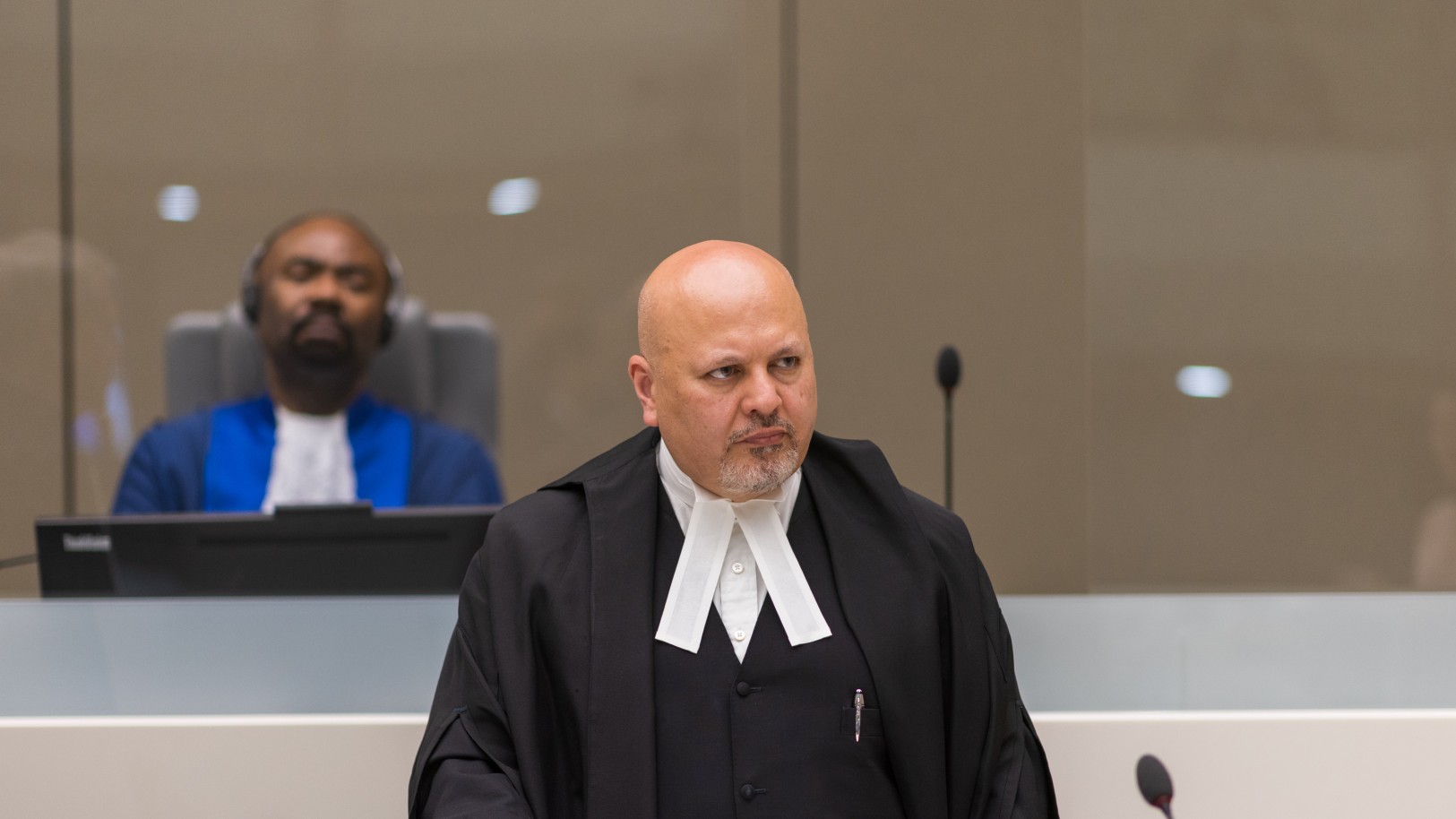
    A landmark United Nations investigation into allegations against International Criminal Court Prosecutor Karim Khan has reached a critical juncture, with findings now submitted to a specialized judicial panel for evaluation. The UN Office of Internal Oversight Services (OIOS) delivered its comprehensive report to the ICC’s governing Assembly of States Parties (ASP) on December 11, initiating a formal review process that could determine Khan’s professional future.

    The ASP Presidency confirmed the transfer of the fact-finding document to an ad hoc panel of judicial experts commissioned by the Assembly’s Bureau. These independent jurists will assess whether the evidence substantiates misconduct allegations and determine their severity classification. Their advisory opinion, while non-binding, will inform the ASP leadership’s subsequent decisions regarding potential disciplinary measures.

    According to internal ASP documentation reviewed by Middle East Eye, the Bureau possesses authority to suspend Prosecutor Khan pending final determination should the panel identify either serious misconduct or violations of lesser gravity. Any permanent removal would necessitate an absolute majority vote among the ASP’s 125 member states.

    The judicial panel will conduct its evaluation within the legal parameters established by the Rome Statute, ICC procedural regulations, and relevant administrative guidelines. ASP officials estimate approximately 30 days for completion, though complexity may extend this timeline.

    This prolonged investigation has generated significant operational uncertainty within the court’s leadership structure. Khan voluntarily stepped aside in May pending the investigation’s outcome, with deputy prosecutors assuming interim responsibilities. Multiple diplomatic sources and ICC staff have expressed concerns regarding the institution’s capacity to fulfill its mandate during this period of administrative limbo.

    The development follows recent procedural reforms adopted during the ASP’s annual conference in The Hague, where members ratified resolutions enhancing due process protections for both complainants and officials facing misconduct allegations. However, these amendments may not apply retroactively to Khan’s case.

    International justice expert Sergey Vasiliev acknowledged the significance of concluding the fact-finding phase while noting persistent challenges: ‘The judicial experts operate under considerable pressure given the investigation’s duration and must address mounting frustration among member states through expeditious yet thorough deliberation.’

    The ASP Presidency has emphatically urged all stakeholders to respect confidentiality protocols and maintain the integrity of the ongoing judicial process.