作者: admin

  • King Charles shares ‘good news’ about his cancer treatment in video message

    King Charles shares ‘good news’ about his cancer treatment in video message

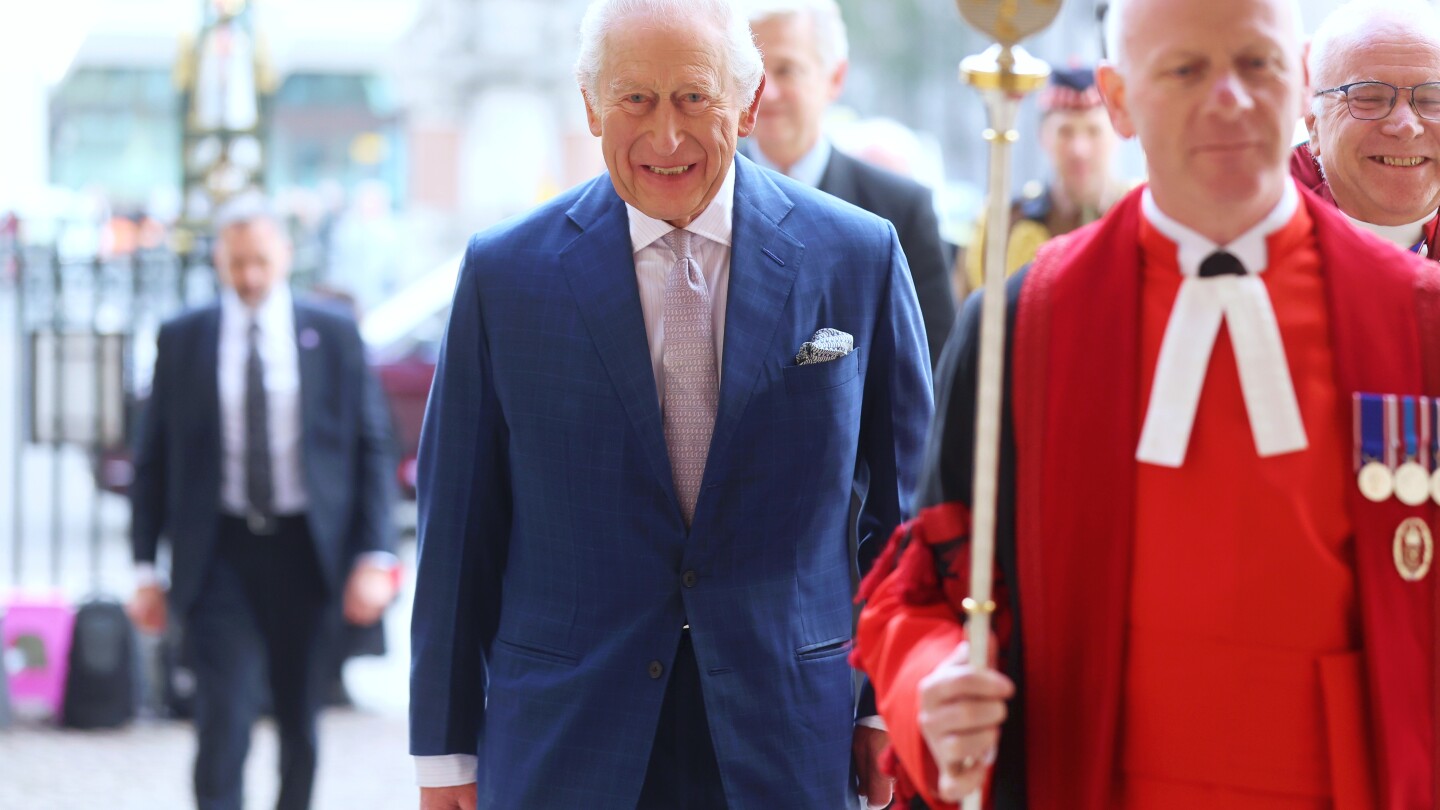
    In a nationally televised address marking a cancer awareness campaign, King Charles III delivered encouraging health updates regarding his ongoing battle with cancer. The 77-year-old monarch revealed that medical professionals will substantially reduce his treatment regimen beginning in the new year, characterizing this development as both a personal blessing and evidence of remarkable advancements in oncology care.

    The King’s diagnosis of an unspecified cancer emerged in February 2024 following a corrective procedure for an enlarged prostate. Buckingham Palace officials confirmed that physicians are transitioning His Majesty’s treatment “into a precautionary phase” due to his exceptional response to therapeutic interventions, though continuous health monitoring will remain in effect.

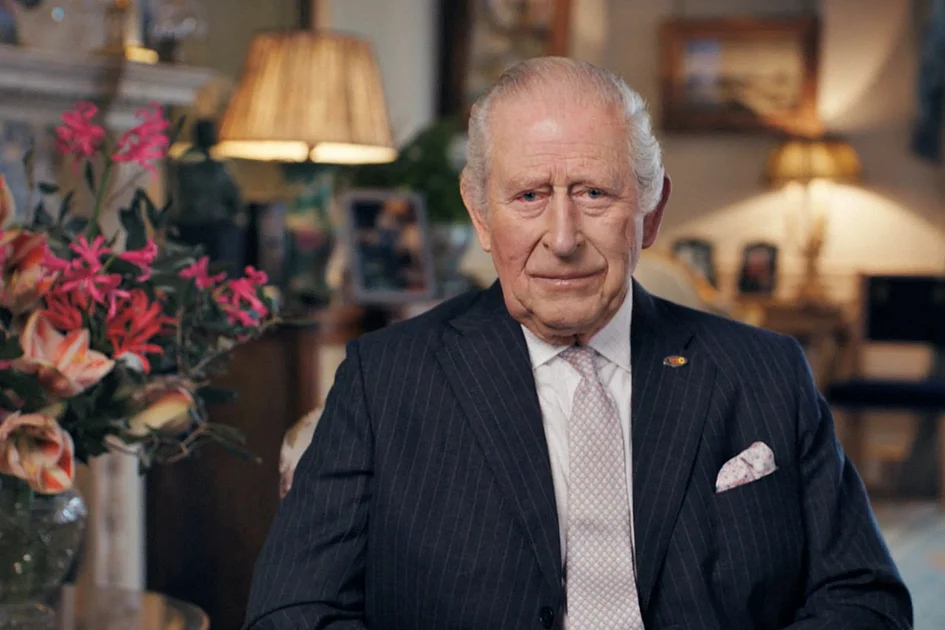
    Breaking with royal tradition of maintaining privacy regarding health matters, Charles utilized his platform to emphasize the critical importance of early cancer detection. “Early diagnosis quite simply saves lives,” the monarch stated while wearing a pinstriped suit adorned with a ‘Stand Up to Cancer’ badge. He expressed particular concern that approximately nine million British citizens remain overdue for available cancer screenings, noting that many avoid examinations due to unfounded fears about discomfort or embarrassment.

    The announcement brings measured relief to the royal family following nearly two years of health challenges that also included cancer treatment for Catherine, Princess of Wales, who announced her remission in January. Prime Minister Keir Starmer echoed national sentiment, expressing collective satisfaction with the monarch’s positive prognosis.

    Charles spoke emotionally about the ‘community of care’ surrounding cancer patients, praising nurses, researchers, and volunteers whose compassion illuminates “the darkest moments of illness.” He concluded with a call to action, urging citizens to make early cancer detection their New Year’s resolution and participate in available screening programs.

  • Fake lawyers targeting BlueChip victims, Indian police warn after fresh fraud attempts

    Fake lawyers targeting BlueChip victims, Indian police warn after fresh fraud attempts

    Indian authorities have escalated warnings to victims of the massive BlueChip investment scam after uncovering a sophisticated secondary fraud scheme targeting desperate investors. According to Additional Deputy Commissioner of Police Anjali Vishwakarma, who leads the Special Investigation Team (SIT), individuals with dubious credentials are approaching victims with promises of accelerated fund recovery in exchange for upfront payments.

    The elaborate deception involves perpetrators posing as legal representatives and recovery agents who falsely claim authority to fast-track refunds or secure court-ordered recoveries. Some have even staged photographs with senior police officials to enhance their credibility. Vishwakarma emphasized that these individuals possess no legitimate authority to represent law enforcement or judicial bodies.

    This development represents a disturbing echo of previous fraudulent activities documented in December 2024, when impostors posing as Interpol, CID, and Dubai Courts officials extracted over Dh3 million from BlueChip victims through fabricated legal documents and staged meetings.

    The recent warning follows the November 30 arrest of BlueChip founder Ravindra Nath Soni, who was apprehended at his Dehradun hideout after police traced a food delivery order to his location. During custodial interrogation, Soni allegedly attempted to minimize his involvement by claiming to operate a simple snack shop, a statement investigators and victims have vehemently dismissed.

    Kanpur Police confirm the SIT has identified multiple assets in India and the UAE connected to the original scam. As part of the expanding investigation, notices have been served to several individuals associated with BlueChip’s promotional activities, including Bollywood actor Sonu Sood and wrestler The Great Khali. Authorities stress these notices represent standard investigative procedure and do not imply wrongdoing.

    Vishwakarma reiterated her urgent advisory to victims across both nations: “Exercise extreme vigilance against anyone offering rapid recovery solutions. Refrain from transferring funds, signing documents, or sharing personal information without direct verification through official channels. We continue to receive reports of these predatory approaches and implore victims to remain cautious.”

  • China holds national memorial for Nanjing Massacre victims, calling for remembrance of history

    China holds national memorial for Nanjing Massacre victims, calling for remembrance of history

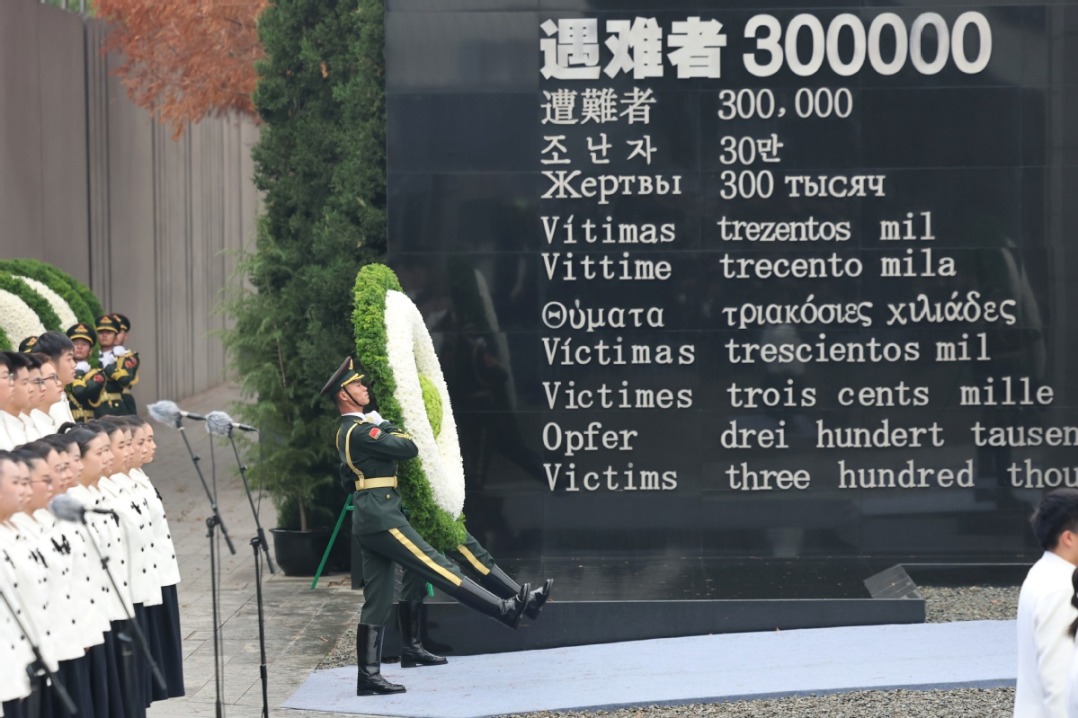
    NANJING — Amidst the winter chill, thousands gathered solemnly in Nanjing on Saturday to commemorate the 12th National Memorial Day for victims of the Nanjing Massacre. The ceremony, held at the Memorial Hall of the Victims in Nanjing Massacre by Japanese Invaders, brought together survivors, local students, and international dignitaries in a powerful demonstration of historical remembrance.

    Participants, dressed in dark attire with white flowers pinned to their chests, stood in respectful silence as China’s national flag flew at half-mast. At precisely 10:01 am, air-raid sirens pierced the morning air, triggering a citywide moment of reflection. Drivers throughout downtown Nanjing stopped their vehicles and sounded their horns in unison, while pedestrians paused to honor the approximately 300,000 victims killed by Japanese troops during one of World War II’s most brutal chapters.

    The memorial gains particular significance this year as it coincides with the 80th anniversary of WWII’s conclusion. The Nanjing Massacre occurred after Japanese forces captured the then-Chinese capital on December 13, 1937, unleashing six weeks of systematic violence that claimed the lives of Chinese civilians and unarmed soldiers in an episode that remains emblematic of wartime atrocities.

    The annual observance serves not only as a tribute to those who perished but also as a national call for historical awareness and peace preservation. Through this solemn ceremony, China reinforces its commitment to ensuring that future generations remember the lessons of history while promoting reconciliation and international understanding.

  • Dubai skyline, Hatta peaks: Why UAE landscapes pull people toward extreme challenges

    Dubai skyline, Hatta peaks: Why UAE landscapes pull people toward extreme challenges

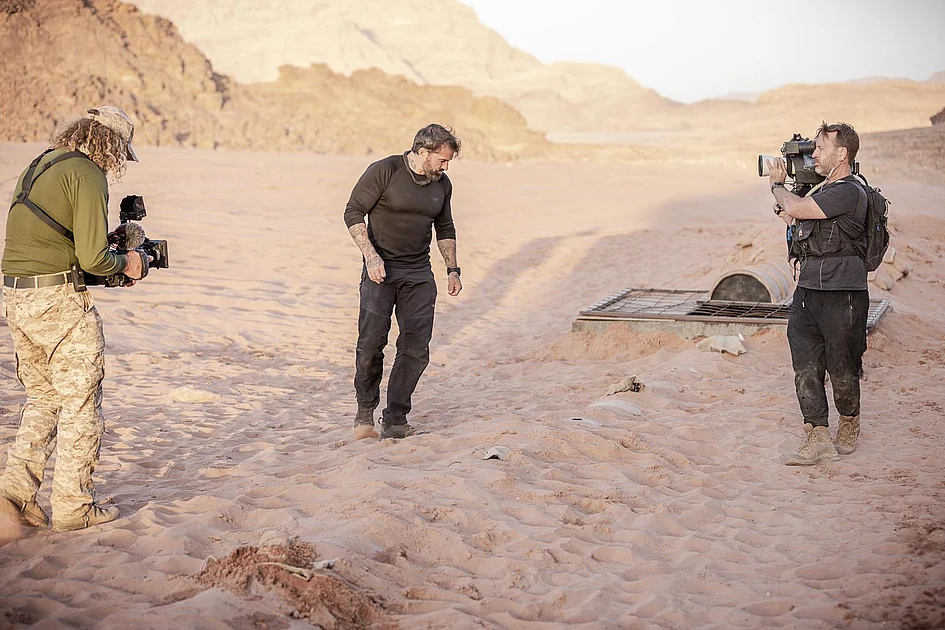
    In the United Arab Emirates, a nation synonymous with luxury and convenience, a counterintuitive trend is emerging: residents are increasingly pursuing physically demanding challenges across the country’s most rugged landscapes. A new endurance series, spearheaded by former UK Special Forces soldier and television personality Ant Middleton, is currently capturing this phenomenon on film in locations ranging from Dubai’s periphery to Hatta’s mountainous terrain.

    This psychological shift sees participants voluntarily confronting extreme environmental conditions—scaling rocky peaks exceeding 1,300 meters in elevation and traversing sun-scorched desert expanses—activities that test both physical endurance and mental resilience. Middleton, renowned for his mindset-focused programming like SAS: Who Dares Wins, observes that UAE residents living in one of the world’s most secure and organized societies are deliberately seeking discomfort to rediscover self-reliance.

    The unique juxtaposition of ultra-modern urban infrastructure with raw, untamed nature creates what Middleton describes as an ideal environment for personal transformation. Hatta’s challenging topography, particularly Umm Al Nesoor peak, presents technical climbing difficulties amplified by regional heat and humidity that rapidly reveal participants’ true capabilities under pressure.

    According to Middleton’s assessment, these extreme experiences serve as powerful authenticity catalysts: ‘When we strip people down and show them a mirror, they either turn away because they don’t like what they see, or they accept it, learn from it, and come back stronger.’ The phenomenon demonstrates that growth occurs outside comfort zones, with participants seeking not victory but transformative clarity—moments where daily distractions fade, leaving only fundamental effort and self-awareness.

    This movement reflects a deeper human need for self-discovery in increasingly structured modern societies, suggesting that even within environments designed for comfort, people inherently crave challenges that reveal their core identity and capabilities beyond perceived limitations.

  • What to know about King Charles III’s cancer treatment and his message to the public

    What to know about King Charles III’s cancer treatment and his message to the public

    Buckingham Palace has revealed that King Charles III feels profoundly moved by the public response to his recent health update regarding cancer treatment. The monarch’s decision to share his personal journey has been met with widespread acclaim from medical professionals and health organizations alike.

    In an unprecedented video statement aired during Channel 4’s ‘Stand Up to Cancer’ telethon, the 77-year-old sovereign delivered a powerful message about the critical importance of early detection. ‘I know from my own experience that a cancer diagnosis can feel overwhelming,’ Charles acknowledged, while emphasizing that ‘early detection is the key that can transform treatment journeys.’

    The Palace confirmed that while the King’s treatment has entered a ‘precautionary phase,’ he has not been declared in remission. His cancer was discovered incidentally during treatment for an enlarged prostate in February 2024, though specific details about the cancer type remain undisclosed—a deliberate choice to maximize the message’s reach.

    The impact has been immediate and measurable. Cancer Research UK reported approximately 100,000 visits to their Screening Checker website since its December 5 launch, with a significant surge following the King’s Friday statement. Michelle Mitchell, the charity’s Chief Executive, noted that public figures speaking openly about cancer diagnoses often prompt increased public health engagement.

    The King’s approach marks a dramatic departure from centuries of royal health secrecy. Since returning to public duties after a two-month absence, Charles has visited cancer treatment centers nationwide, sharing experiences with fellow patients. His daughter-in-law, the Princess of Wales, has similarly provided updates on her cancer journey, announcing her remission in January.

    Broadcaster Jonathan Dimbleby, the King’s authorized biographer, praised the monarch’s courage: ‘It takes guts, and the fact that he came out and did that will save lives.’ The Palace emphasized that Charles is particularly pleased his message has highlighted the life-saving potential of screening programs for breast, bowel, and cervical cancers offered through Britain’s National Health Service.

  • Belarus frees Nobel Prize laureate Bialiatski, opposition figure Kolesnikova as US lifts sanctions

    Belarus frees Nobel Prize laureate Bialiatski, opposition figure Kolesnikova as US lifts sanctions

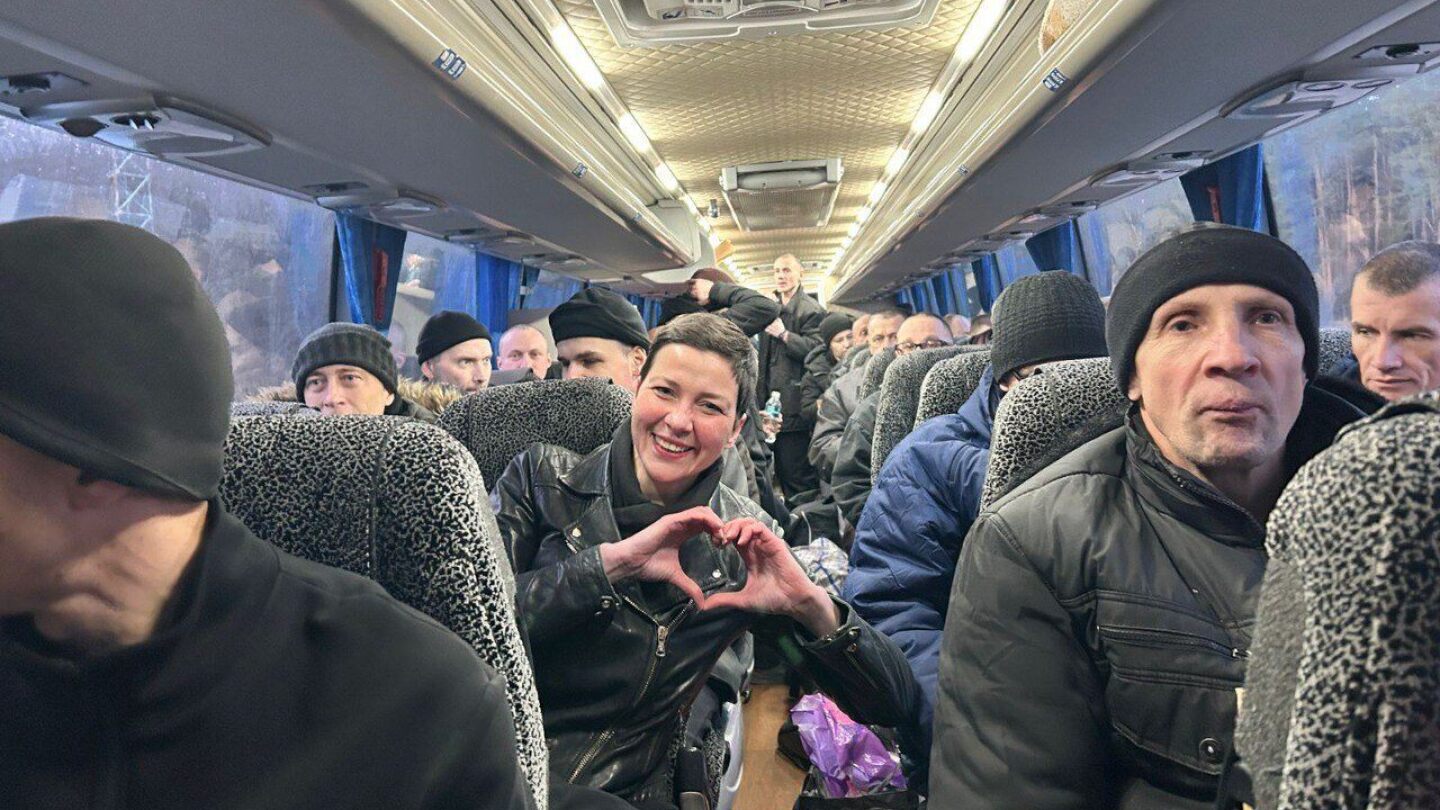
    In a significant diplomatic breakthrough, Belarusian authorities have pardoned and released 123 political prisoners including Nobel Peace Prize laureate Ales Bialiatski and prominent opposition leader Maria Kolesnikova. The mass release on Saturday culminated two days of intensive negotiations between Minsk and Washington, resulting in the immediate lifting of U.S. sanctions on Belarus’s crucial potash fertilizer sector.

    President Alexander Lukashenko’s administration, which has maintained authoritarian control over the Eastern European nation for three decades, secured the sanctions relief through what U.S. Special Envoy John Coale characterized as “very productive” discussions. The diplomatic engagement represents a notable shift in relations between the two nations, which have been strained by Belarus’s human rights record and its support for Russia’s military operations in Ukraine.

    Among those freed were six citizens from U.S. allied nations and five Ukrainian citizens, according to a U.S. official who described the release as “a significant milestone in U.S.-Belarus engagement.” The official credited President Donald Trump’s administration with securing the release of over 200 political prisoners from Belarus since July 2024, including six previously detained U.S. citizens.

    Bialiatski, the founder of the Viasna human rights organization who was imprisoned when awarded the Nobel Prize in 2022, described his unexpected release after 1,613 days of detention as emerging from “icy water into a normal, warm room.” Despite his emaciated condition, the activist vowed to continue advocating for the estimated thousand political prisoners remaining in Belarusian custody.

    The prisoner exchange involved complex international coordination, with most freed individuals transported to Ukraine while others, including Bialiatski, were relocated to Lithuania. Ukrainian authorities confirmed receiving 114 civilians, including five of their nationals, while Belarusian officials suggested the arrangement involved reciprocal prisoner releases with Kyiv.

    While welcoming the releases, exiled opposition leader Sviatlana Tsikhanouskaya cautioned against premature optimism, noting that Lukashenko “hasn’t changed his policies, his crackdown continues and he keeps on supporting Russia’s war against Ukraine.”

    The sanctions relief particularly benefits Belarus’s potash industry, which previously accounted for approximately 20% of global exports before Western restrictions crippled production and export capabilities through Lithuanian ports. Analysts suggest Minsk hopes this initial U.S. concession will pave the way for easing more comprehensive European sanctions.

    The bilateral discussions also addressed regional security concerns, including Russia’s ongoing invasion of Ukraine and tensions between Belarus and NATO-member Lithuania, which recently declared a national emergency over security risks posed by Belarusian meteorological balloons disrupting air traffic.

  • Drop in Dubai crime rates boosts local economy by up to Dh102.3 billion, study finds

    Drop in Dubai crime rates boosts local economy by up to Dh102.3 billion, study finds

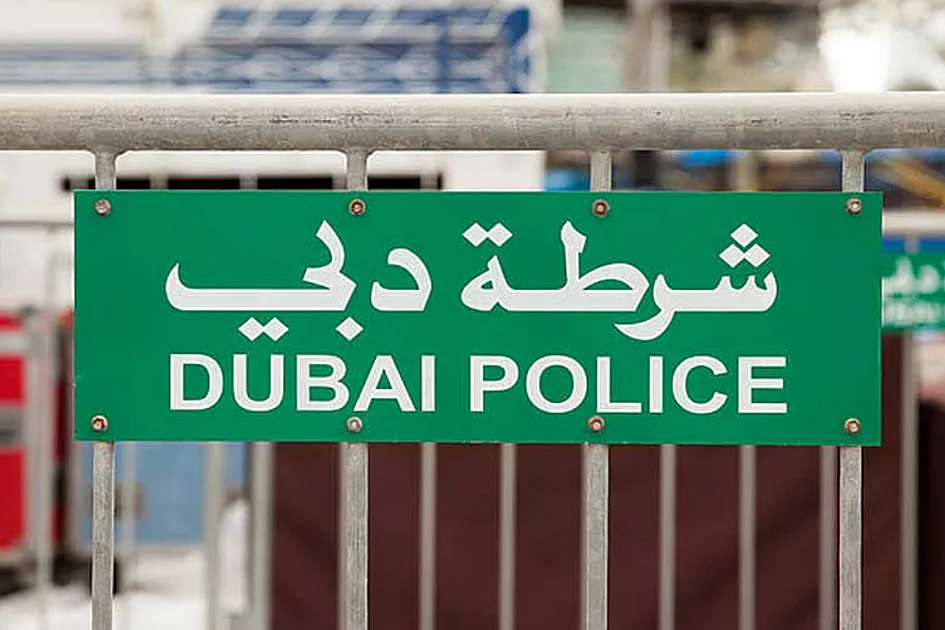
    A groundbreaking economic impact study conducted by global consultancy EY in collaboration with Dubai Police has revealed the profound economic benefits generated by the emirate’s exceptional security environment. The research demonstrates that Dubai’s declining crime rates have contributed between Dh63.9 billion and Dh102.3 billion to the local economy, representing a substantial 14-23% of Dubai’s 2024 economic output.

    The comprehensive analysis, which utilized econometric modeling drawing from 50 countries’ data spanning 1995-2021, establishes security as a fundamental economic catalyst rather than merely a social benefit. Dubai Police’s institutional effectiveness was directly linked to an economic contribution ranging from Dh31.8 billion to Dh50.9 billion annually, equivalent to 7-11% of Dubai’s GDP.

    Beyond the impressive financial metrics, the study highlights how security excellence has become a powerful driver of tourism and foreign investment. Dubai’s safe environment attracts between 7-12 million tourists annually, with Dubai Police credited with contributing 4-6 million of these visitors. The enhanced security reputation also generated additional foreign direct investment ranging from Dh3.6 billion to Dh5.8 billion in 2024.

    The research positions Dubai Police, established in 1956 nearly 15 years before the UAE’s formation, as a pioneering regional law enforcement institution that has implemented advanced techniques to build community trust and quality of life. The study concludes that security represents both a social pillar and a key economic lever that strengthens Dubai’s global position as a premier destination for living, working, and investment within its sustainable growth ecosystem.

  • Nvidia invests $2 billion in chip design software maker Synopsys

    Nvidia invests $2 billion in chip design software maker Synopsys

    In a landmark strategic move reinforcing its artificial intelligence market leadership, Nvidia has announced a substantial $2 billion investment in semiconductor design software pioneer Synopsys. This investment forms the cornerstone of an expanded multi-year partnership aimed at developing next-generation AI-powered tools for advanced product design across multiple industries.

    The collaboration, formally unveiled on Monday, represents Nvidia’s latest strategic maneuver in a series of calculated investments designed to solidify its dominance within the rapidly expanding AI ecosystem. This partnership specifically targets transitioning high-tech industries from traditional central processing units toward Nvidia’s specialized graphics processing unit architecture.

    Synopsys’s sophisticated software platform serves as an industry standard for designing complex systems ranging from cutting-edge computer chips to advanced aerospace components. Engineering teams globally utilize these tools to conduct comprehensive virtual simulations before proceeding to physical prototyping—a process that typically requires weeks of computational analysis.

    During a joint press conference, Nvidia CEO Jensen Huang emphasized the transformative potential of this collaboration: “The order of magnitude speed-up achieved through our combined technologies will unlock opportunities that have never been possible before. We’re essentially redefining the boundaries of computational design.”

    Significantly, both companies clarified that the partnership remains non-exclusive, with Synopsys CEO Sassine Ghazi confirming ongoing collaborations with other chip manufacturers including AMD and Intel. The $2 billion investment specifically involves Nvidia’s acquisition of Synopsys common stock at $414.79 per share, representing a modest 0.8% discount to Friday’s closing price.

    Market response proved positive following the announcement, with Synopsys shares climbing nearly 5% while Nvidia registered a 1.4% gain. This investment continues Nvidia’s aggressive deployment of capital within AI-adjacent sectors, following previous strategic positions in industry leaders including OpenAI and Anthropic.

  • China’s Kuaizhou-11 Y8 rocket launches space experimental spacecraft into space

    China’s Kuaizhou-11 Y8 rocket launches space experimental spacecraft into space

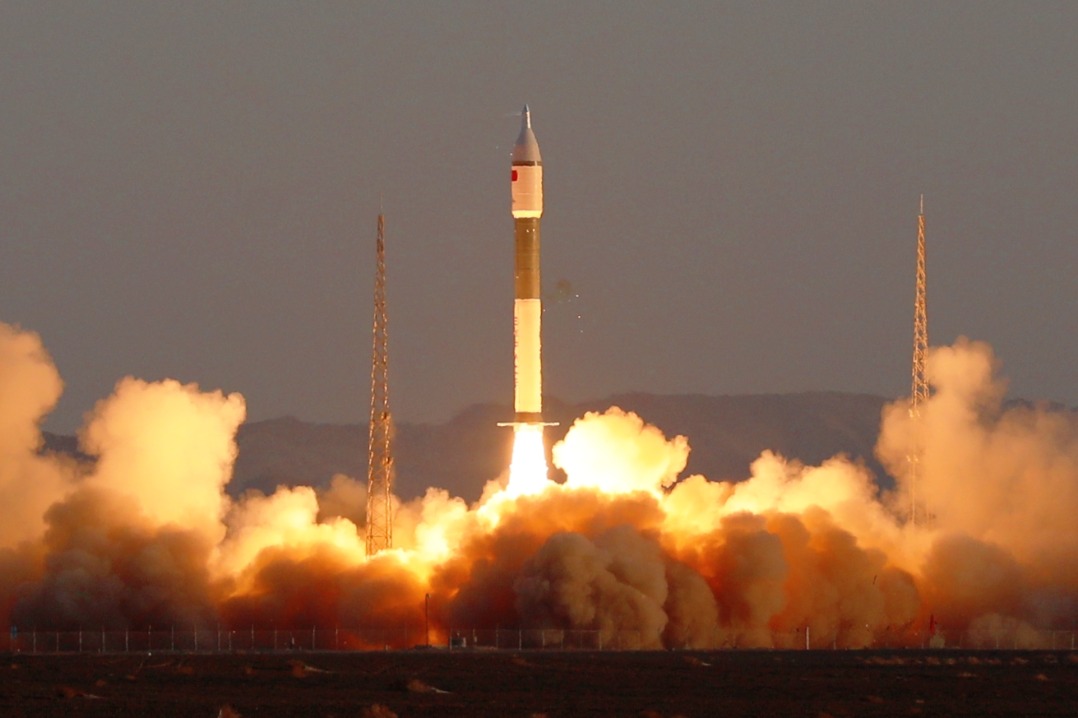
    China’s aerospace program achieved another milestone on Saturday morning with the successful launch of the Kuaizhou-11 Y8 carrier rocket from the Jiuquan Satellite Launch Center in northwest China. The mission, which commenced precisely at 9:08 am Beijing Time, successfully delivered an experimental spacecraft into its predetermined orbit, marking another significant advancement in China’s space capabilities.

    The launch represents the latest achievement in China’s rapidly expanding space program, demonstrating the country’s growing proficiency in satellite deployment and space technology. The Kuaizhou series, known for its quick response capabilities and reliability, continues to serve as a workhorse vehicle for China’s space missions, with this latest launch further solidifying its operational track record.

    While specific details about the experimental spacecraft’s purpose remain undisclosed, the successful deployment underscores China’s commitment to advancing its space research and technological development. The mission adds to an increasingly crowded schedule of Chinese space activities that include satellite deployments, space station operations, and lunar exploration initiatives.

    The Jiuquan Satellite Launch Center, situated in the Gobi Desert, has served as the starting point for numerous Chinese space missions since its establishment in 1958. As China continues to expand its presence in space, these successful launches contribute valuable data and experience that support the country’s broader ambitions in space exploration and technology development.

  • Anger and chaos in stadium after Lionel Messi leaves event early

    Anger and chaos in stadium after Lionel Messi leaves event early

    A celebratory event featuring global football icon Lionel Messi descended into scenes of outrage and pandemonium after the athlete made an unexpectedly early departure. The incident unfolded in a packed stadium where thousands of fervent fans had gathered, many having invested significant sums for the opportunity to see the legendary player.

    Reports indicate a palpable shift in atmosphere from eager anticipation to widespread discontent as Messi’s premature exit became apparent. The crowd, which had previously been charged with excitement, expressed its collective frustration through vocal protests and visible agitation, creating a chaotic environment within the venue.

    The situation highlights the immense emotional investment and financial commitment of modern sports fandom, particularly concerning athletes of Messi’s unparalleled stature. Event organizers and security personnel faced considerable challenges in managing the unforeseen turmoil that followed the football star’s withdrawal from the engagement.

    This development raises pertinent questions about celebrity appearances, fan expectations, and the protocols governing high-profile sporting events where public adoration can swiftly transform into disappointment when expectations are not met.