作者: admin

  • Far-right candidate Jose Antonio Kast elected Chile’s new president

    Far-right candidate Jose Antonio Kast elected Chile’s new president

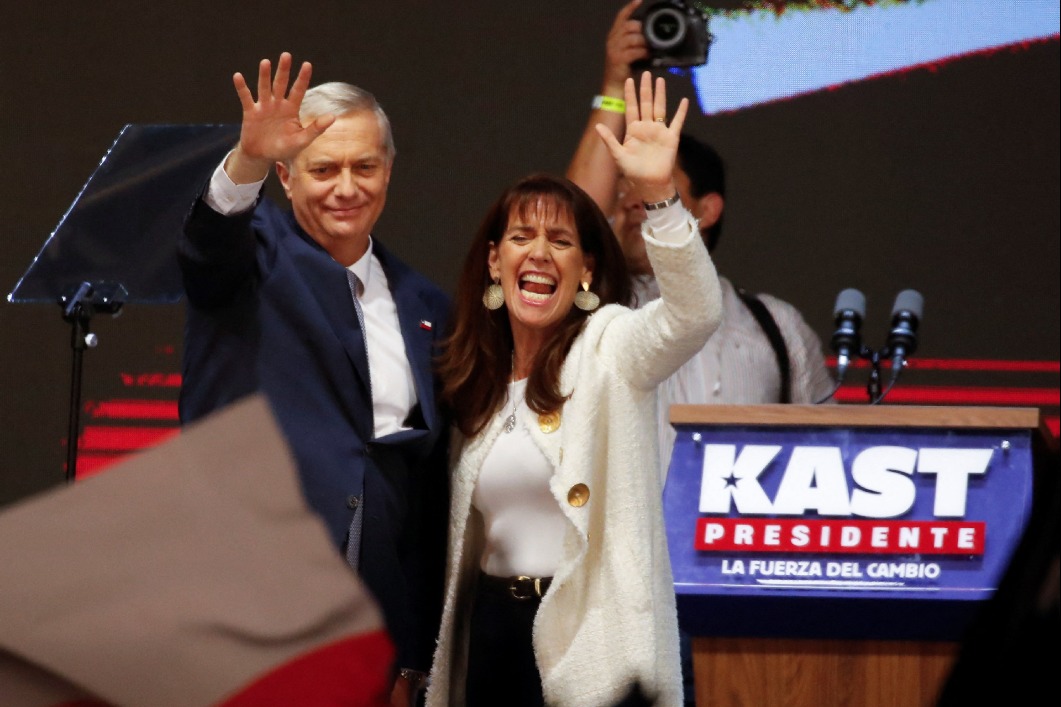
    Chile has elected José Antonio Kast of the far-right Republican Party as its new president following a decisive runoff election. The country’s Electoral Service confirmed Kast’s victory on Sunday, with near-complete results showing he secured 58.18% of the vote against left-wing coalition candidate Jeannette Jara’s 41.82%.

    The outcome represents a significant political shift for Chile, marking a departure from the current left-leaning administration of President Gabriel Boric. Both Jara and President Boric publicly conceded defeat and extended congratulations to Kast via social media platforms shortly after the results became evident.

    The 59-year-old president-elect, who will assume office on March 11, 2026, centered his campaign primarily on law and order issues. His policy proposals include constructing high-security prisons, implementing stricter penalties for criminal organizations, and conducting large-scale deportations of undocumented immigrants. Kast has additionally advocated for enhanced border control measures to address immigration concerns.

    The runoff election commenced at 8:00 AM local time (1100 GMT) and concluded at 6:00 PM (2100 GMT), engaging over 15 million registered voters across the nation. This second round became necessary after the November 16 first-round election failed to produce a candidate with an outright majority, with Kast and Jara receiving 26.85% and 23.92% of votes respectively.

    This electoral result signals a notable conservative turn in Chilean politics, potentially heralding substantial policy changes in public security and immigration enforcement in the coming years.
  • What to know about the attack on the Jewish festival in Australia that killed 15 people

    What to know about the attack on the Jewish festival in Australia that killed 15 people

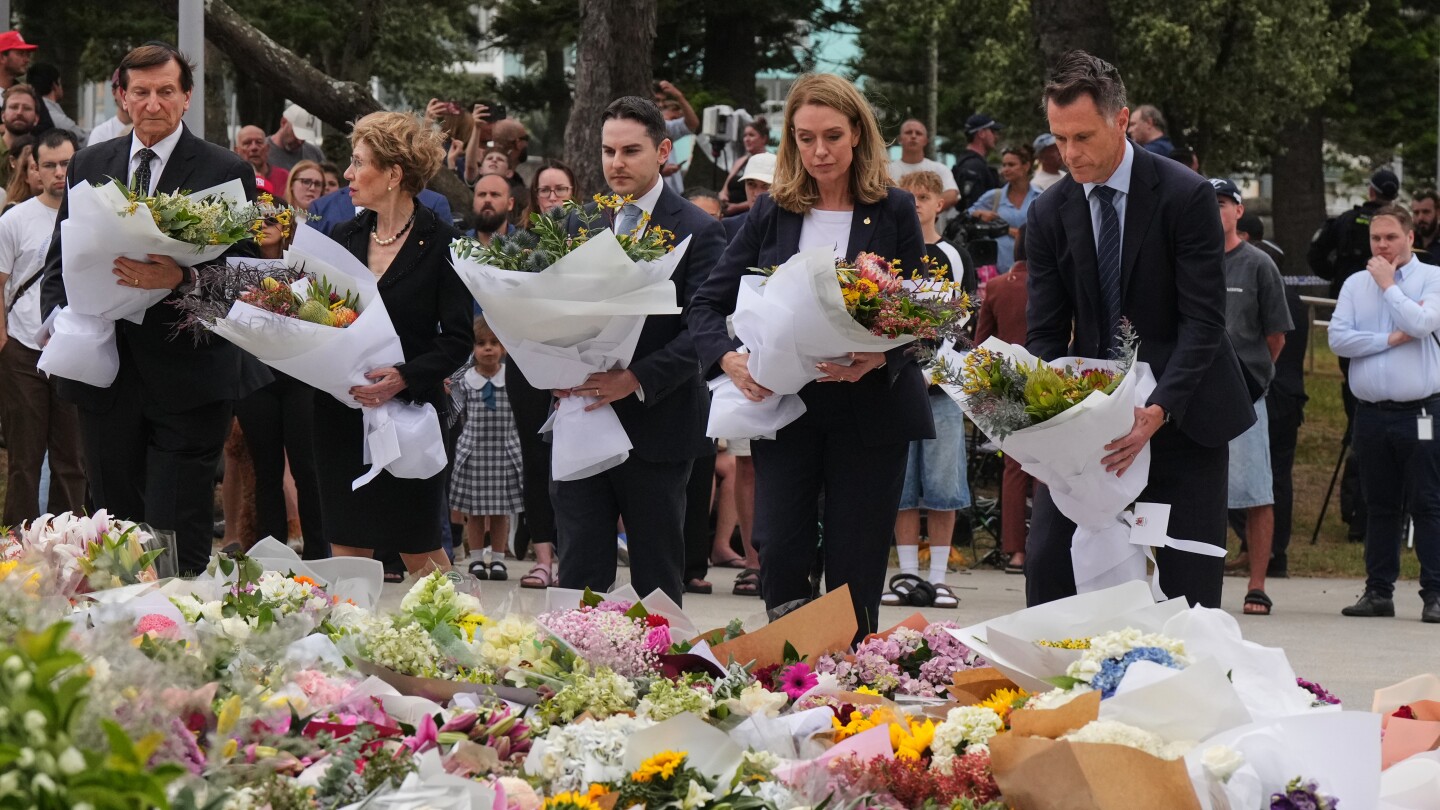
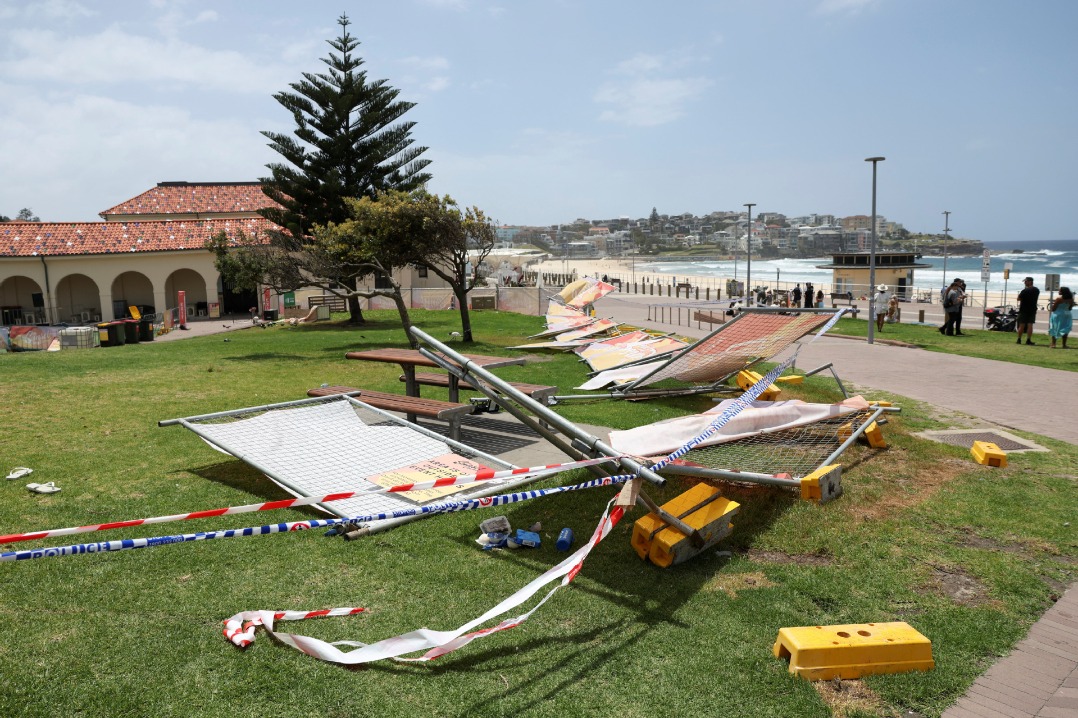
    SYDNEY — Australian authorities are confronting a rare episode of mass gun violence that has shaken the nation’s sense of security. A father and son are suspected of carrying out a deadly shooting at a Hanukkah celebration on Sydney’s iconic Bondi Beach, leaving 15 people dead and dozens injured in what Prime Minister Anthony Albanese has labeled an act of antisemitic terrorism.

    The attack targeted a Jewish community gathering marking the first day of the eight-day holiday festival. Among the victims were a 10-year-old girl, a rabbi, and a Holocaust survivor, highlighting the particularly tragic nature of the assault.

    Authorities revealed that the 50-year-old father, who arrived in Australia in 1998 on a student visa and held resident status, was killed during the incident. His 24-year-old Australian-born son sustained injuries and remains hospitalized under police guard. Investigators are examining suspicious items recovered from the scene, including improvised explosive devices found in one suspect’s vehicle.

    Dramatic footage circulating on Australian media showed a bystander courageously tackling and disarming one gunman before securing the weapon. The father held a legitimate firearms license obtained through membership at a gun club, as target shooting qualifies as a ‘genuine reason’ for firearm ownership under current Australian law, while self-defense does not.

    The tragedy has prompted immediate government action, with Prime Minister Albanese announcing proposed tougher gun laws just one day after the shootings. This response comes amid criticism that authorities had underestimated the severity of rising antisemitic violence across the country.

    Government reports indicate antisemitic incidents have surged more than threefold since Hamas attacked Israel in October 2023 and Israel responded with military action in Gaza. Recent months have seen synagogues and vehicles burned, businesses vandalized with antisemitic graffiti, and physical assaults targeting Jewish communities in Sydney and Melbourne, where most of Australia’s 117,000 Jewish residents live.

    The Bondi Beach shooting represents Australia’s deadliest firearm incident in three decades, reviving memories of the 1996 Port Arthur massacre that claimed 35 lives and prompted sweeping gun law reforms. While Australia maintains strict firearm regulations compared to many nations, this event has exposed vulnerabilities in the system and highlighted growing religious tensions within Australian society.

  • 1 held after gunmen kill 11 in Sydney

    1 held after gunmen kill 11 in Sydney

    A joyous Hanukkah celebration at Sydney’s iconic Bondi Beach descended into terror on Sunday when gunmen opened fire on a crowd of over 1,000 people, resulting in a devastating death toll of 12 individuals and leaving 29 others wounded, including two police officers in serious condition. Australian authorities have officially declared the mass shooting a terrorist incident, confirming one attacker was killed during the event and another is now in custody.

    The attack targeted the ‘Hanukkah by the Sea’ ceremony on the first night of the Jewish festival of lights, transforming what should have been an occasion of religious celebration into a scene of tragedy. New South Wales Police Commissioner Mal Lanyon characterized the event as a deliberate terrorist assault, emphasizing the particularly cruel timing against a peaceful gathering.

    Prime Minister Anthony Albanese addressed the nation, describing the shooting as a ‘dark moment’ for Australia and condemning the targeted violence against Jewish Australians. He pledged full governmental resources to investigate the attack and bring all responsible parties to justice, while urging national unity in response to the tragedy.

    Security operations involved a coordinated response from multiple agencies including the Australian Federal Police, New South Wales police, and the Australian Security Intelligence Organization. Acting Federal Police Commissioner Nigel Ryan committed all available specialist resources and powers to ensure a thorough investigation.

    The Chinese Consulate General in Sydney promptly issued safety advisories to Chinese nationals in the region, recommending heightened security awareness, precautionary measures, and maintained communication capabilities. The consulate emphasized immediate contact with emergency services should any danger be encountered.

    As the investigation continues, authorities have warned that the security situation remains serious and have urged the public to avoid the Bondi Beach area while operations are ongoing.

  • Jiangxi valley goes viral, wrongly tagged Japan

    Jiangxi valley goes viral, wrongly tagged Japan

    A breathtaking video showcasing mist-shrouded cliffs that went viral on international social media platforms has been correctly identified as featuring Wangxian Valley in China’s Jiangxi province, not Japanese locations as originally mislabeled. The viral clip, which amassed over 1.3 million likes on TikTok, had been erroneously tagged as depicting scenery from Tokyo and Hokkaido, Japan.

    Operators of the Jiangxi tourist attraction confirmed the video’s actual origin after noticing the significant international attention it generated. Xiong Hui, a representative of Wangxian Valley, expressed surprise at the unexpected global exposure. “We observed substantial interest emerging on overseas social platforms Wednesday morning,” Xiong stated. “Wangxian Valley is unequivocally situated in Shangrao, Jiangxi. Its distinctive deep gorges and dynamic mist create an immediately recognizable landscape. We’re delighted that viewers appreciated the footage and extend an invitation for international visitors to experience Jiangxi’s authentic mountainous splendor firsthand.”

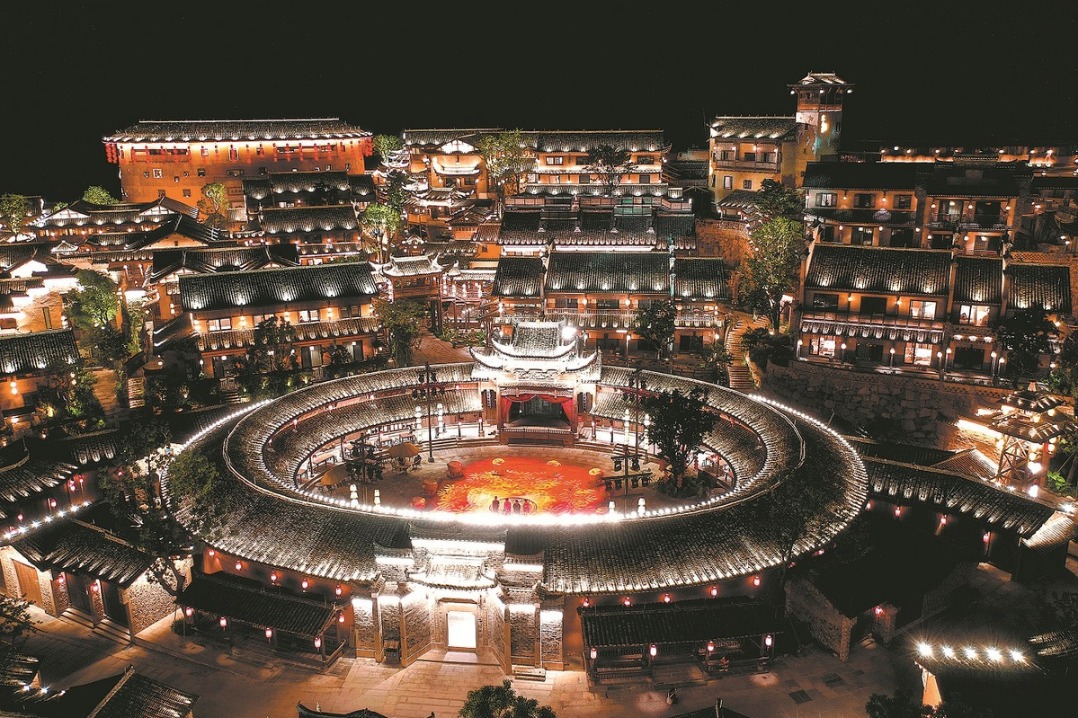
    The site represents a remarkable transformation story, having been converted from a discontinued mining area into a comprehensive cultural resort destination that harmoniously blends natural scenery with folk traditions and performance activities. Official statistics indicate the area welcomed 3.1 million visitors in 2024, including over 150,000 international tourists, demonstrating its expanding global appeal.

    The misidentification prompted diplomatic clarification from Yu Jing, spokeswoman for the Chinese embassy in India, who utilized social media platform X to correct the record on December 8. “Chinese landscapes are being mislabeled as ‘#Tokyo’ and ‘#Hokkaido’ in this viral video that’s already hit 1.3M likes,” Yu wrote. “In reality, this is Wangxian Valley in Jiangxi province, China.” Her post attracted numerous engaged responses, with one user noting the importance of proper geographical attribution while acknowledging that all countries possess beautiful landscapes.

    This incident marks neither an isolated case nor a novel phenomenon. Earlier this year, footage purportedly demonstrating “Japanese subway discipline” was subsequently identified as having been filmed at Beijing’s Xi’erqi station—a similar misattribution that had previously circulated in 2020. Commentary from China.com suggests these recurrent misidentifications reflect persistent perceptual filters within Western media and popular culture, which have historically portrayed East Asia through narrow, one-dimensional frameworks. The analysis contends that China’s rapidly evolving realities—from futuristic urban skylines to scenic sites like Wangxian Valley that merge traditional aesthetics with contemporary tourism design—often transcend these outdated conceptual boundaries, resulting in frequent misinterpretations and misplaced assumptions.

  • S. Korea’s special counsel finalizes investigation into ex-president Yoon’s insurrection charges

    S. Korea’s special counsel finalizes investigation into ex-president Yoon’s insurrection charges

    In a landmark development for South Korea’s political landscape, the special counsel investigation into former President Yoon Suk-yeol has reached its conclusion. Led by Special Prosecutor Cho Eun-suk, the probe has resulted in criminal charges against 24 high-ranking officials from the previous administration.

    At a nationally televised press conference in Seoul, Prosecutor Cho revealed that the investigation substantiated allegations that Yoon, who assumed office in May 2022, had orchestrated preparations for martial law declaration before October 2023. The primary objective, according to the special counsel, was to consolidate and perpetuate presidential power through extraordinary measures.

    The investigation further uncovered that Yoon’s administration allegedly attempted to provoke a military response from the Democratic People’s Republic of Korea (DPRK) through unconventional military operations. This calculated provocation, the counsel asserted, was intended to create a pretext for implementing martial law. However, the strategy ultimately failed as DPRK forces did not engage militarily.

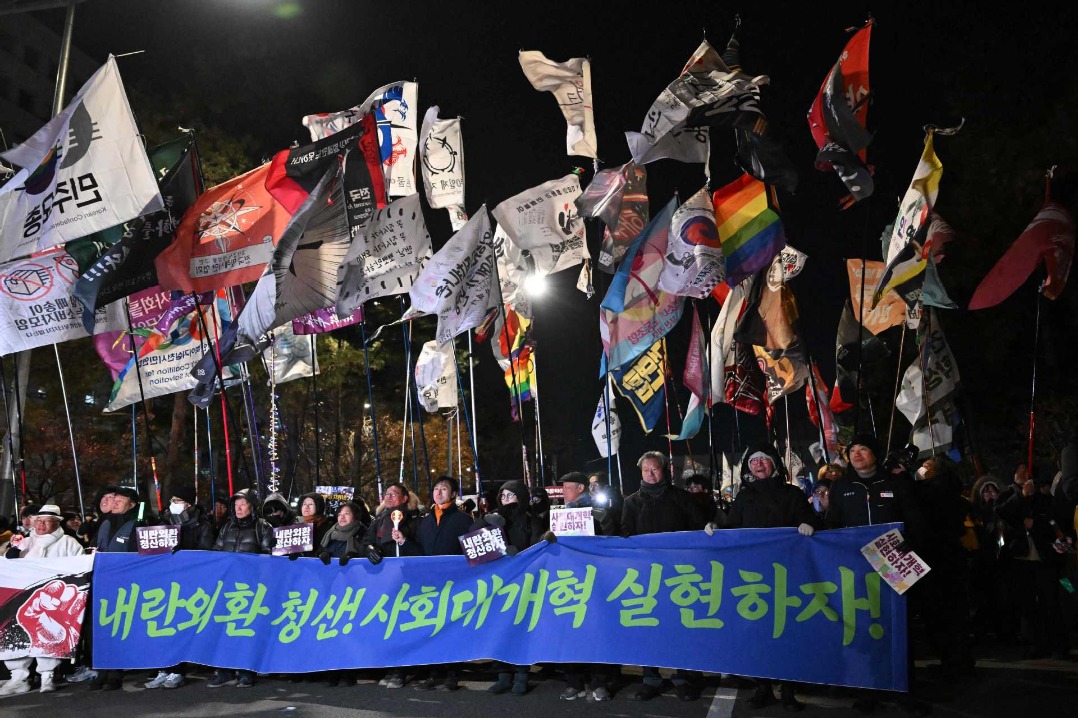
    This conclusive investigation follows Yoon’s dramatic impeachment by the Constitutional Court on April 4, 2025, which centered on his unsuccessful martial law initiative from December of the previous year. The impeachment proceedings formally removed Yoon from office, making him the latest South Korean leader to face serious legal consequences after leaving power.

    The former president, currently detained, was formally charged on January 26 as the alleged mastermind behind the insurrection plot. The comprehensive indictment includes former Prime Minister, former Deputy Prime Minister for Economic Affairs, multiple ministers, and presidential secretaries, marking one of the most significant political corruption cases in recent South Korean history.

  • China plans to expand cover for childbirth-related bills

    China plans to expand cover for childbirth-related bills

    China’s National Healthcare Security Administration has announced sweeping reforms targeting demographic challenges and pharmaceutical innovation. Director Zhang Ke outlined these priorities at the annual work conference, revealing plans to achieve nationwide full reimbursement for childbirth-related medical expenses by 2026.

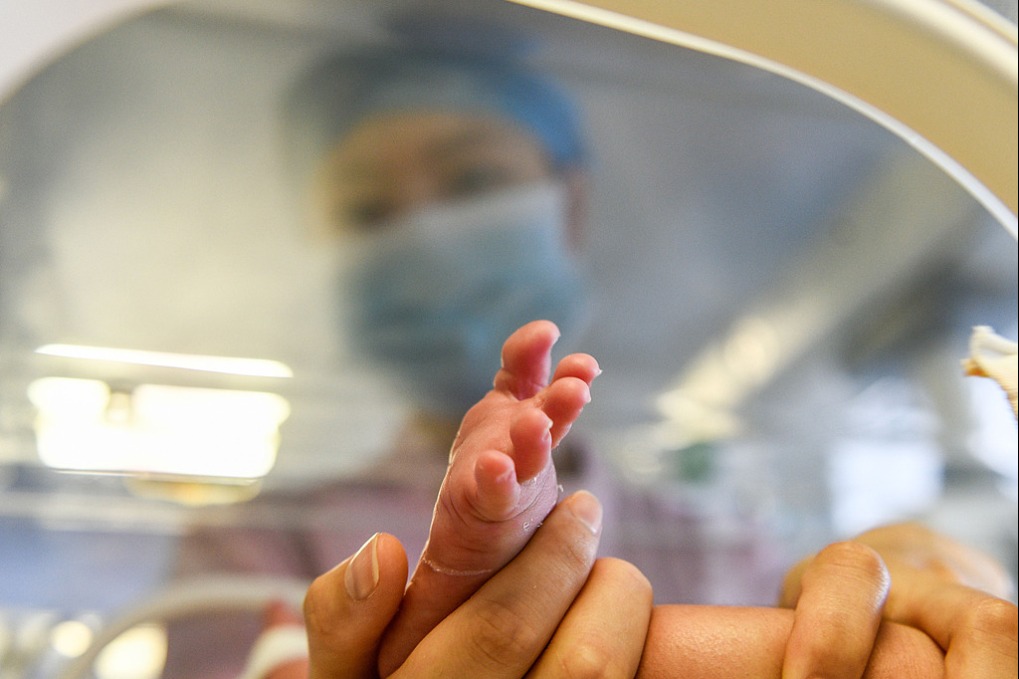
    The initiative responds to China’s dual demographic pressures of declining birth rates and rapid aging. The administration will expand maternity insurance coverage for prenatal checkups while creating a standardized service package to reduce family financial burdens. Seven provinces have already implemented near-zero cost childbirth policies, with insurance enrollment among women reaching 255 million nationwide.

    Concurrently, authorities are enhancing support for innovative drugs and technologies. The national reimbursement drug list has grown to 3,253 medications after adding 949 new drugs during the 14th Five-Year Plan period. A landmark development includes China’s first commercial insurance innovative drug list, featuring 19 clinically significant medications.

    The reforms extend to vulnerable populations through expanded long-term care insurance, currently covering 300 million people. Flexible workers, migrant laborers, and new employment forms will receive increased maternity insurance access. Technological integration will advance through AI-assisted diagnosis systems and real-world data evaluation frameworks.

    Financial protections remain robust, with basic medical insurance maintaining 95% coverage and preventing 9.5 billion yuan in losses through smart monitoring. These measures align with the recent Central Economic Work Conference’s emphasis on demographic challenges and healthcare innovation.

  • Breathing new life into lakes

    Breathing new life into lakes

    Across China’s diverse landscapes, ambitious ecological restoration projects are transforming degraded water bodies into thriving ecosystems while generating substantial socioeconomic benefits. In Yunnan and Hubei provinces, multi-year conservation initiatives demonstrate how coordinated environmental policies can reverse ecological damage while supporting sustainable development.

    At Erhai Lake in Yunnan, the transformation has been particularly remarkable. Yan Bingqi, a 59-year-old environmental worker, has witnessed firsthand the lake’s dramatic recovery since 2015. Previously required to remove approximately one metric ton of debris daily from the polluted waters, Yan and his team now collect merely 50 kilograms—a 95% reduction in waste extraction that signals profound ecological improvement.

    The restoration breakthrough followed President Xi Jinping’s 2015 visit and subsequent policy changes that addressed pollution sources from agriculture, urbanization, and tourism. The comprehensive program implemented centralized sewage treatment for all households near the lake and established strict ecological fishing schedules. These measures aligned with Xi’s ‘lucid waters and lush mountains are invaluable assets’ concept, which celebrates its 20th anniversary this year.

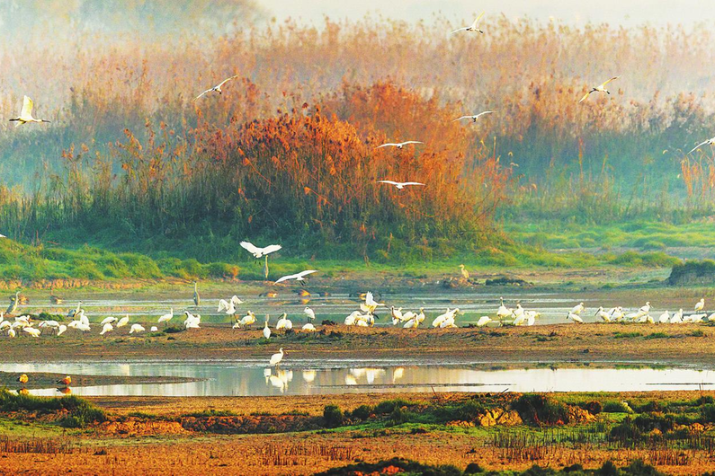
    Parallel successes emerged at Wuhan’s Chenhu Wetland Nature Reserve in Hubei province, where morning mists now reveal gathering birds in revitalized habitats. These conservation achievements represent broader national efforts to transform ecological resources into sustainable assets through scientific management and community engagement.

    The restoration initiatives have generated multiple benefits beyond environmental improvement, including enhanced tourism potential, protected drinking water sources, and increased biodiversity. These projects demonstrate China’s growing expertise in balancing economic development with ecological preservation, offering valuable models for other regions facing similar environmental challenges.

  • War scars cast shadow in eastern DR Congo

    War scars cast shadow in eastern DR Congo

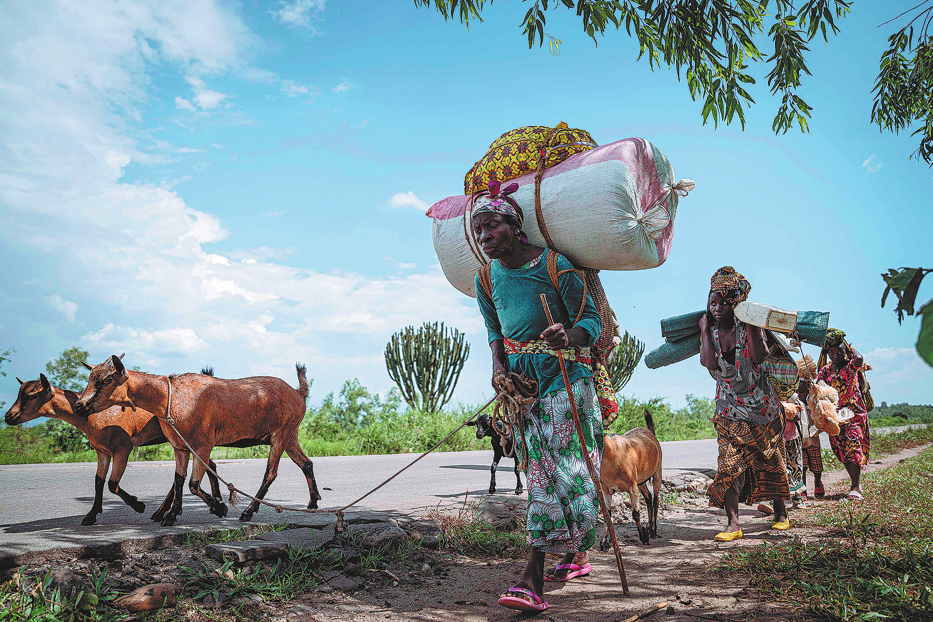
    The eastern Democratic Republic of Congo faces a severe humanitarian emergency as renewed hostilities by M23 rebels create widespread devastation and displacement across South Kivu Province. Recent military advances have left visible scars along strategic transport routes, with charred military vehicles and bullet-riddled buildings lining the road from Bukavu to Uvira—a vital artery connecting northern and southern parts of the conflict-ridden region.

    Since December 2nd, intensified fighting on multiple fronts has precipitated one of the largest displacement crises in recent memory. United Nations humanitarian agencies report approximately 500,000 individuals have been forced from their homes, while Congolese authorities confirm over 400 casualties since the offensive began. The M23’s claimed capture of Uvira—South Kivu’s second-largest city—has transformed urban centers into militarized zones where residents navigate daily life under rebel surveillance.

    The conflict’s regional implications are rapidly expanding. Burundi’s closure of border crossings with the DRC has severed critical supply routes for essential commodities including food and fuel, exacerbating an already dire humanitarian situation. This development coincides with reports of approximately 38,000 Congolese asylum seekers crossing into Burundi between December 5-9, according to Burundian state media.

    UN officials have raised alarms about the potential for broader regional conflict. Jean-Pierre Lacroix, UN Under-Secretary-General for Peace Operations, warned the Security Council that the current offensive “revived the specter of a regional conflagration with incalculable consequences.” He emphasized the increasing regionalization of the conflict, noting that cross-border movements of both civilians and combatants heighten escalation risks.

    International concern continues to mount, with China’s UN representative Fu Cong emphasizing the urgent need for immediate hostilities cessation. The DRC government has announced potential negotiations with Burundi regarding establishing temporary humanitarian corridors to address the growing crisis, though details remain undeveloped amid ongoing volatility.

  • Aurora museum opens in Heilongjiang

    Aurora museum opens in Heilongjiang

    BEIJING – China’s northernmost Arctic village has become home to the nation’s pioneering aurora museum, blending cutting-edge technology with natural wonder in an unprecedented cultural attraction. The Shenlu Aurora Museum, named after the mythical deer god, opened its doors on November 19 in Mohe’s Beiji village, Heilongjiang province, marking a significant milestone in China’s scientific tourism infrastructure.

    The 1,000-square-meter facility represents a remarkable engineering achievement, having been constructed in just five months. Since its inauguration, the museum has already welcomed over 5,000 visitors during its inaugural week, demonstrating immediate public appeal. The project combines immersive digital experiences with practical scientific forecasting, creating a comprehensive destination for both education and entertainment.

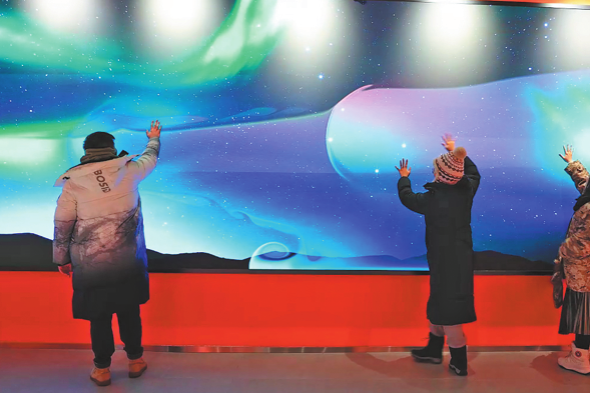
    Visitors are greeted by an impressive LED welcome screen that cycles through educational content and curated aurora footage, immediately immersing guests in the phenomenon’s mystical allure. The museum’s centerpiece features an innovative interactive radar screen where visitors can manipulate aurora visualizations through hand gestures without physical contact. This system supports simultaneous interaction for up to five participants, creating collaborative digital experiences.

    The facility extends beyond visual spectacles with multiple specialized zones. A multimedia photo wall enables tactile exploration of Mohe’s cultural and natural heritage through enlargeable images and accompanying text. The polar weather forecast station provides real-time aurora prediction data, assisting visitors in planning optimal viewing times for natural displays. Additionally, the museum houses eight virtual reality digital realms, an augmented reality object recognition table, and a fully-equipped VR classroom with sixteen headsets offering interdisciplinary educational modules.

    Manager Yu Heng emphasized the institution’s innovative approach to learning: “We’ve designed a paperless educational environment that transcends traditional curriculum structures through immersive technological experiences. Our goal is to make complex scientific concepts accessible and engaging for all age groups.”

    The museum’s opening coincided with spectacular natural aurora displays throughout November, with particularly vivid pink and purple illuminations observed on November 24. These celestial events attracted photographers and tourists to the frozen banks of the Heilongjiang River, creating perfect synergy between natural phenomena and their technological interpretation.

    Tourist Xu Qingyue from Shandong province expressed her amazement: “The technological sophistication exceeded all expectations. Witnessing actual auroras after experiencing their digital representation created a profoundly complete understanding of this natural wonder.”

    Mohe’s geographical position at China’s highest latitude makes it uniquely suited for aurora observation, with multiple displays occurring since winter’s onset. The museum now provides both context for these occurrences and tools for predicting future events, establishing Beiji village as China’s premier destination for aurora enthusiasts and scientific tourism.

  • Czech president swears in new coalition government of populist billionaire Andrej Babiš

    Czech president swears in new coalition government of populist billionaire Andrej Babiš

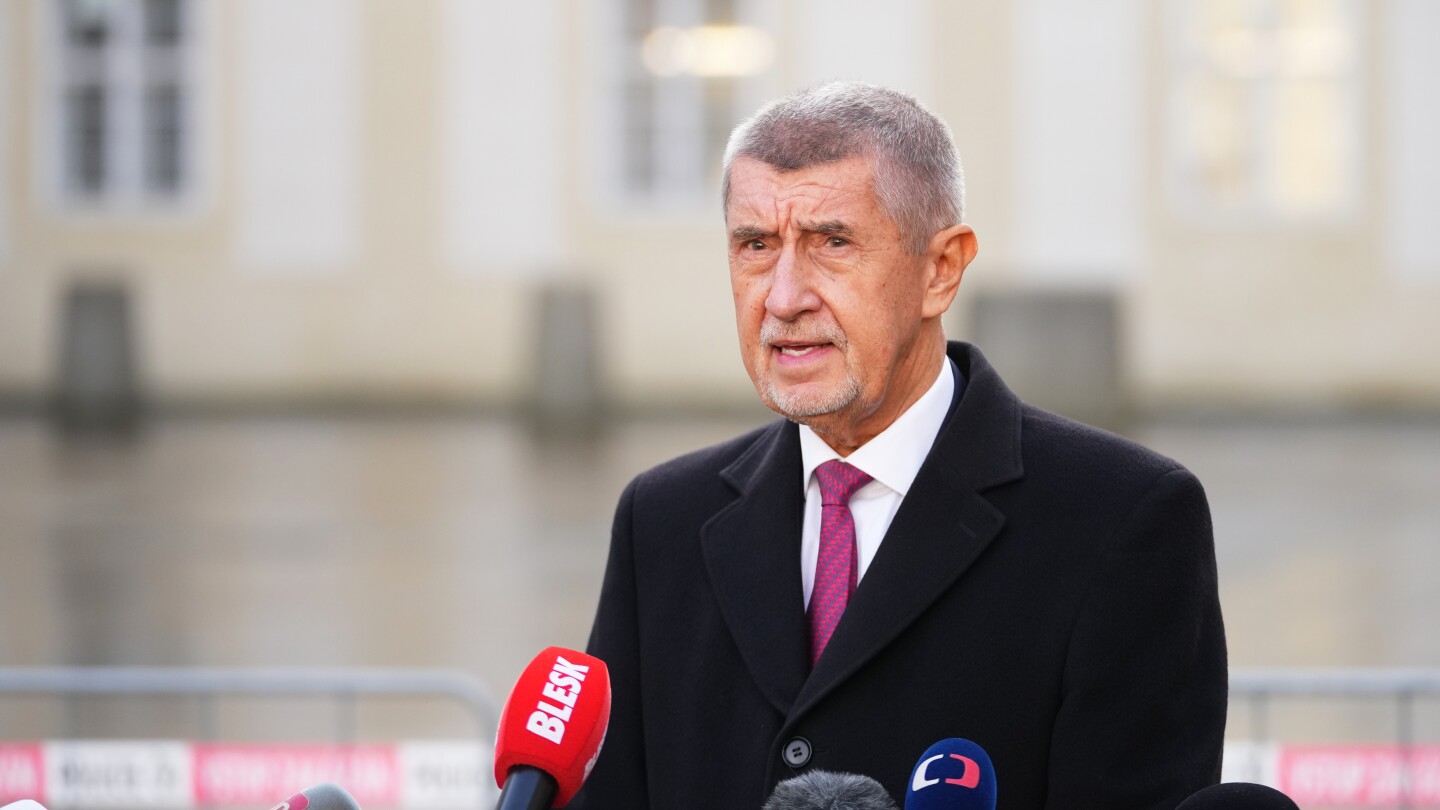
    PRAGUE — The Czech Republic witnessed a significant political transformation on Monday as populist billionaire Andrej Babiš assumed leadership of a new coalition government, marking a dramatic departure from the nation’s previous pro-Western orientation. President Petr Pavel formally swore in the 16-member Cabinet at Prague Castle, concluding the tenure of former Prime Minister Petr Fiala’s administration that had established the country as a steadfast supporter of Ukraine and a sanctuary for hundreds of thousands of Ukrainian refugees.

    Babiš, who previously served as prime minister from 2017-2021, orchestrated a remarkable political comeback following his ANO (YES) movement’s substantial victory in the October elections. The newly formed majority coalition unites his centrist-populist party with two smaller political entities: the anti-immigrant Freedom and Direct Democracy party and the right-wing Motorists for Themselves group. This alliance signals a fundamental reorientation of Czech foreign and domestic policies.

    The emerging government structure allocates eight ministerial positions, including the prime minister’s office, to ANO, while the Motorists secure four portfolios and the Freedom party obtains three. These parties share notable admiration for former U.S. President Donald Trump and are poised to align the Czech Republic with the diplomatic approaches of Hungarian Prime Minister Viktor Orbán and Slovak Prime Minister Robert Fico.

    Foreign policy shifts include the anticipated abandonment of military assistance to Ukraine, opposition to European Union sanctions against Russia, and rejection of financial aid packages for Kyiv. Babiš has already collaborated with Orbán to establish the “Patriots for Europe” alliance within the European Parliament, representing hard-right factions across the continent.

    Domestically, the coalition partners advocate for controversial measures including the potential expulsion of most Ukrainian refugees, revocation of pension reforms, reduction of electricity prices, and restructuring of public broadcasting financing that critics argue may compromise editorial independence. The government also plans to challenge EU environmental policies, particularly the Green Deal, while seeking to revitalize regional partnerships through the Visegrád Group framework.