作者: admin

  • Canada’s Carney called out for ‘utilizing’ British spelling

    Canada’s Carney called out for ‘utilizing’ British spelling

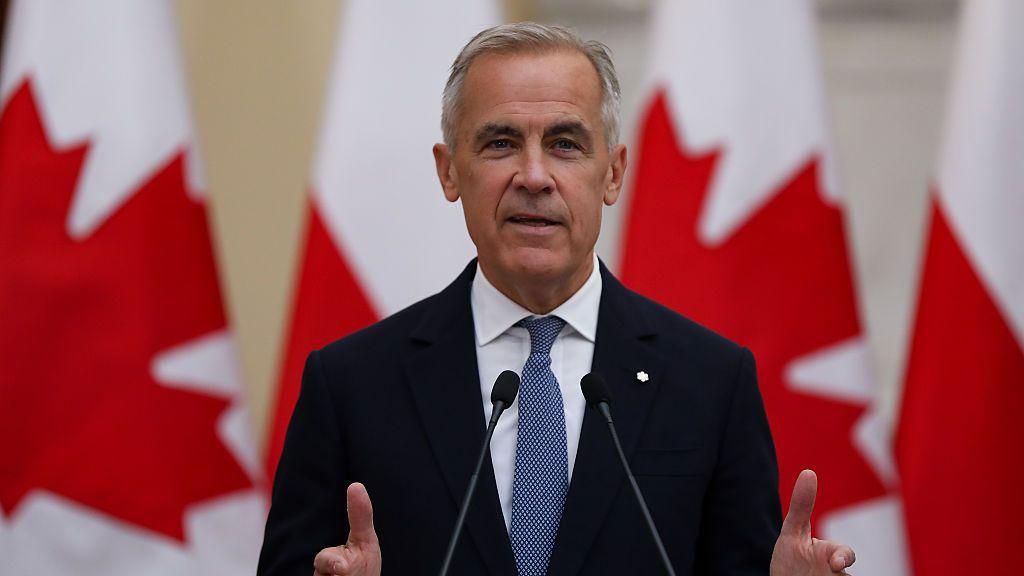
    A coalition of prominent Canadian linguists and language authorities has formally requested Prime Minister Mark Carney to maintain Canadian English standards in all governmental communications, following the discovery of British spellings in key official documents. The controversy emerged after language specialists identified non-Canadian orthography in recent publications from the Carney administration, including the November fiscal budget and an October press release concerning diplomatic engagements in Washington, DC.

    In a collectively signed open letter dated December 11th and obtained by BBC News, the language professionals emphasized that Canadian English represents a crucial element of national identity that reflects the country’s unique historical and cultural position between American and British influences. The signatories—including four distinguished linguistics professors from Canadian universities and the editor-in-chief of the Canadian English Dictionary—argued that governmental deviation from established Canadian spelling conventions could generate public confusion and diminish linguistic pride.

    Canadian English incorporates distinctive characteristics that set it apart from both American and British variants. While it typically favors the British ‘ou’ construction in words like ‘colour’ rather than the American ‘color’, it consistently employs ‘z’ spellings in words like ‘organize’ and ‘analyze’ instead of the British ‘organise’ and ‘analyse’. The language also features uniquely Canadian terminology including ‘toque’ (a winter hat) and ‘washroom’ (restroom), which differ from both American and British equivalents.

    Professor Stefan Dollinger of the University of British Columbia, one of the letter’s signatories, expressed concern that the Prime Minister’s Office might be reversing decades of linguistic evolution. “Language expresses identity,” Professor Dollinger stated, noting the symbolic importance of maintaining Canada’s distinct linguistic traditions rather than reverting to colonial-era conventions.

    Some observers have speculated that Carney’s extended residence in the United Kingdom—where he served seven years as Governor of the Bank of England—might have influenced his linguistic preferences. Prominent linguist JK Chambers of the University of Toronto, another signatory, remarked via email that while Carney “obviously picked up some pretensions while he was there,” he had at least avoided using extreme British forms like ‘gaol’ for ‘jail’.

    Editors Canada President Kaitlin Littlechild noted that it remains unclear whether the British spellings resulted from a procedural misunderstanding or represented a deliberate stylistic directive. The organization has sought clarification from the Prime Minister’s Office regarding its official language policy moving forward.
  • Elephant orphans. Goat’s milk. This safari reveals the impact of wildlife conservation in Kenya

    Elephant orphans. Goat’s milk. This safari reveals the impact of wildlife conservation in Kenya

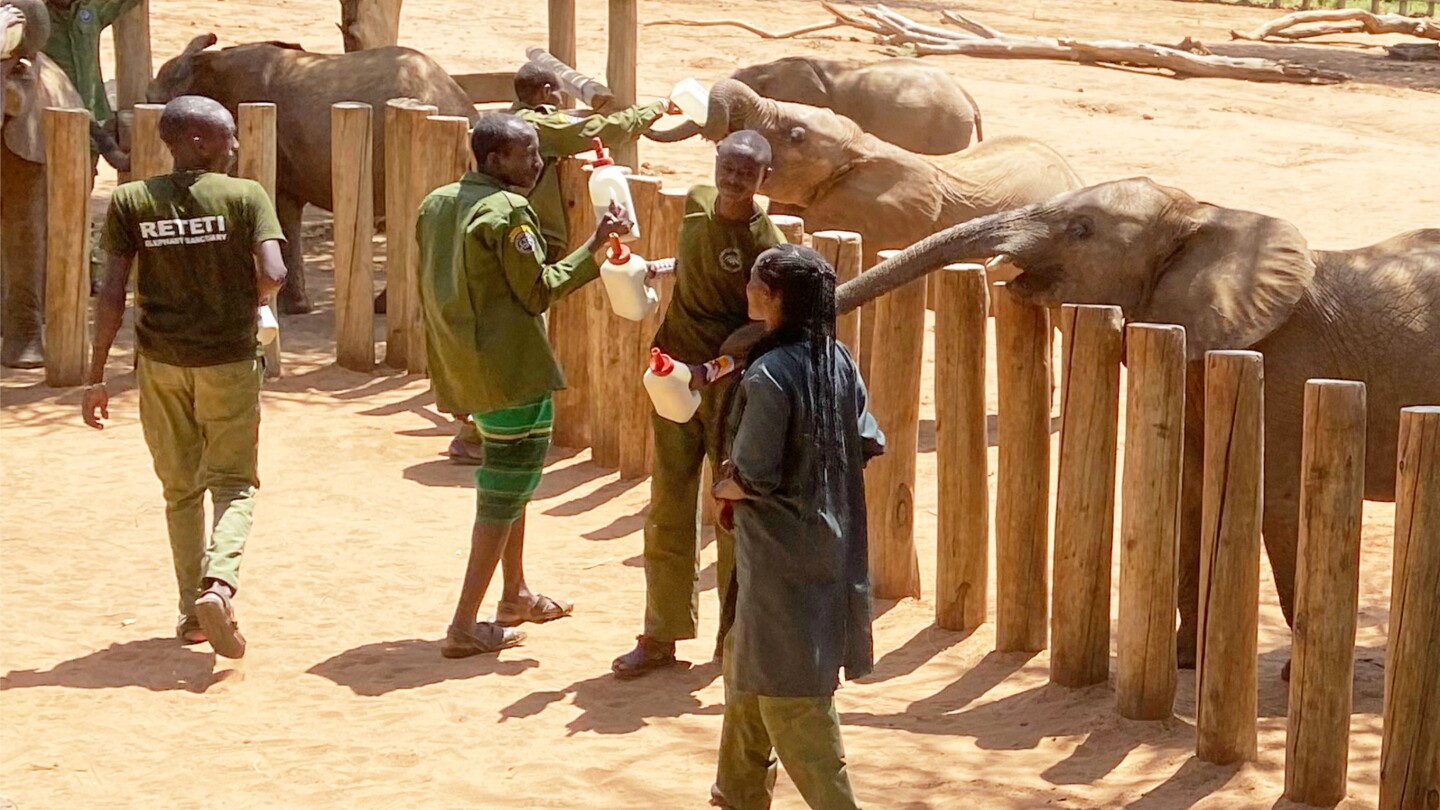
    At Kenya’s Reteti Elephant Sanctuary, a revolutionary conservation model is reshaping the relationship between wildlife protection and community development. Under the equatorial sun, Samburu tribespeople have established Africa’s first entirely Indigenous-run elephant sanctuary, creating an innovative symbiotic system that benefits both orphaned elephants and local communities.

    The sanctuary’s breakthrough came through an unexpected nutritional solution: goat’s milk. When manufactured formula proved costly and unsuitable, caretakers discovered that milk from local goat herds provided an ideal nutritional substitute for elephant milk. This revelation sparked an economic transformation—more than 1,200 Samburu women now supply nearly 700 liters of milk daily to the sanctuary, generating income that provides financial independence and improved living standards.

    Beyond milk production, Reteti employs approximately 100 Samburu people, making elephants what sanctuary spokesperson Dorothy Lowakutuk describes as “the keystone of the entire economy.” The model demonstrates how conservation efforts can directly benefit local populations, particularly women who have traditionally had limited economic opportunities.

    The sanctuary’s success reflects a broader trend in Kenyan conservation where tourism and wildlife protection increasingly support Indigenous communities. Organizations like Uplift Travel have emerged specifically to channel tourism revenue into local development projects, particularly those supporting women and girls. Founded by travel writer Kim Schneider and philanthropy partner Tanja Wittrock, the organization demonstrates how strategic tourism can significantly impact quality of life while providing immersive cultural experiences.

    Kenya’s conservation landscape includes multiple innovative approaches to human-wildlife coexistence. At the Ol Pejeta Conservancy, armed guards protect the last two northern white rhinos while scientists work on advanced reproductive technologies to save the species. In Masai communities, beehive fences create natural barriers that protect both crops and elephants through the insects’ buzzing and stinging deterrent effect.

    These initiatives represent a paradigm shift in conservation philosophy—moving from exclusionary protection models to integrated approaches that recognize Indigenous communities as essential partners in preserving Africa’s magnificent wildlife heritage.

  • Turkish fighter planes shoot down ‘out of control’ drone near the country’s Black Sea coast

    Turkish fighter planes shoot down ‘out of control’ drone near the country’s Black Sea coast

    Turkish military forces have intercepted and destroyed an unmanned aerial vehicle (UAV) detected approaching the nation’s airspace from the Black Sea under uncontrolled flight conditions, according to an official statement released by the Ministry of Defense on Monday.

    The incident occurs against a backdrop of escalating regional security concerns following recent Ukrainian naval drone strikes targeting Russian-affiliated oil tankers near the Turkish coastline. These maritime attacks, including operations against vessels on November 28 and December 2 near the port of Sinop, have raised alarms among Turkish leadership about the potential for the Ukraine conflict to expand into regional waters.

    Upon detecting the unidentified aerial object, Turkish air defense systems initiated standard protocols, scrambling F-16 fighter aircraft to investigate. The Defense Ministry confirmed that the decision to engage was made after determining the drone posed a potential threat. “To prevent any possible security risks, the object was neutralized in a designated safe area away from populated zones,” the statement read, though specific coordinates and timing details were not disclosed.

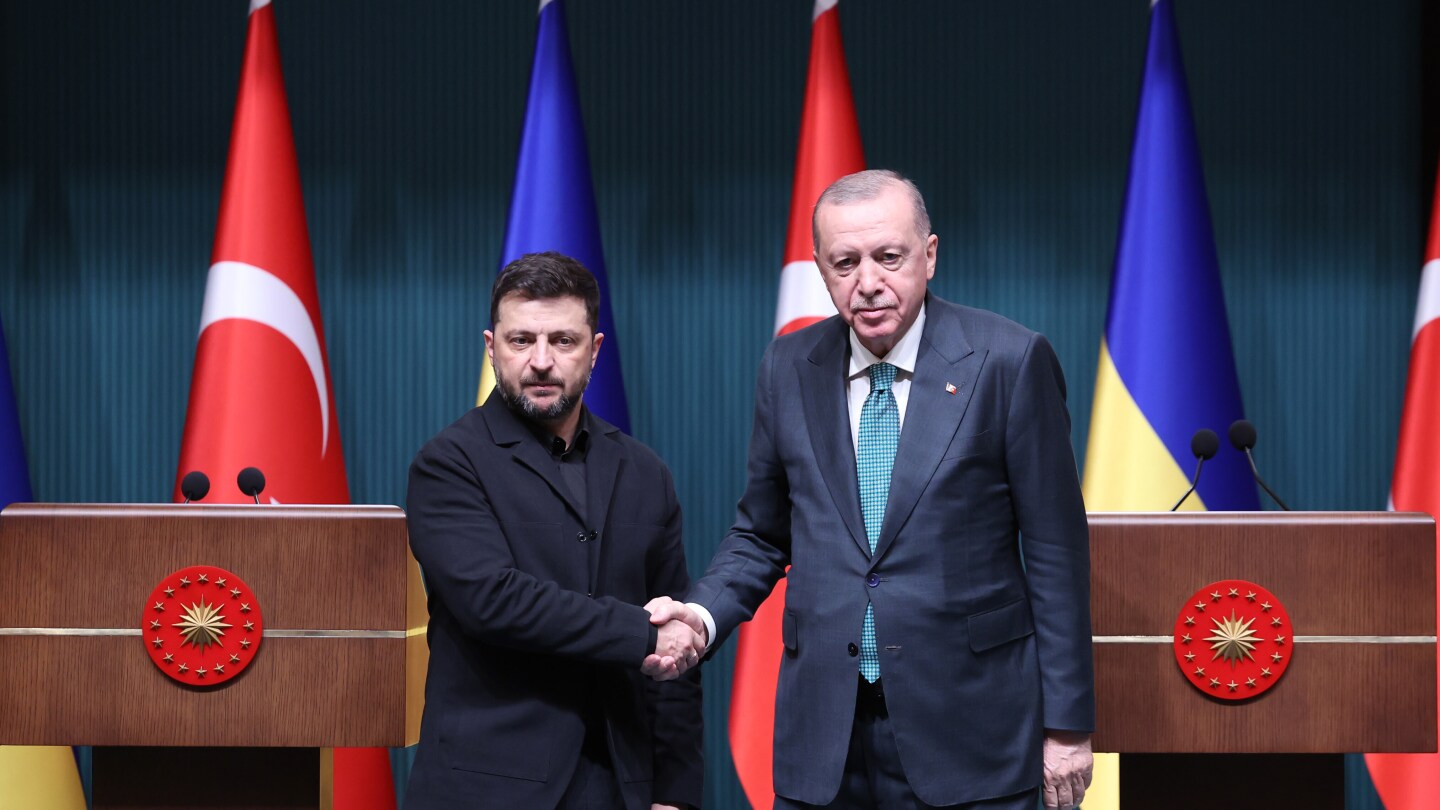
    President Recep Tayyip Erdogan had previously characterized similar maritime incidents as direct threats to navigational safety, environmental protection, and human life within Turkey’s exclusive economic zone. The interception highlights Turkey’s heightened alert status and its commitment to maintaining territorial integrity amid growing regional instability.

  • Dubai’s outer zones: The new frontier of ultra-luxury living

    Dubai’s outer zones: The new frontier of ultra-luxury living

    Dubai’s luxury real estate landscape is undergoing a profound transformation as affluent buyers increasingly prioritize expansive spaces, enhanced privacy, and wellness-focused communities over central urban locations. This paradigm shift has propelled outer-zone developments like Jumeirah Islands 2.0, Dubai South’s villa enclaves, and private-island-style compounds into the forefront of premium residential offerings.

    According to industry experts, today’s high-net-worth individuals—particularly international families establishing long-term residency—are driving demand for properties that function as personal sanctuaries rather than status symbols. Andrew Elliott, Director of Commercial Agency at Chestertons Mena, notes that ‘buyers seek privacy, spacious plots, and lifestyle-led communities that central districts cannot provide.’

    Developers have responded with masterplanned communities that integrate nature, wellness amenities, and strategic connectivity. Rui Liu, Chairman of LEOS Developments, emphasizes that ‘ultra-high-net-worth buyers are no longer willing to trade lifestyle for location,’ highlighting how outer zones now offer ‘land, light, and true breathing space’ unavailable in central districts.

    Dubai South has emerged as a strategically significant residential zone, bolstered by infrastructure developments including the expansion of Al Maktoum International Airport and the evolution of Expo City. Elie Naaman, CEO of Ellington Properties, observes that these districts ‘are maturing into well-designed neighborhoods with the space and serenity today’s homeowners value.’

    The appeal of waterfront living has also expanded beyond traditional hotspots. Blagoje Antic of DHG Holding notes that demand for ultra-luxury waterfront homes is ‘increasingly shifting toward outer zones’ where developers deliver unprecedented exclusivity. Projects like Palm Jebel Ali and Dubai Islands have recorded billions in sales, offering private beachfront plots, lagoon views, and resort-style amenities.

    Connectivity remains a crucial factor in making peripheral living practical. Proximity to major highways and international airports allows residents to enjoy tranquil surroundings while maintaining access to urban centers and global travel networks. This combination of seclusion and accessibility represents Dubai’s new blueprint for luxury living, redefining the very concept of premium real estate in the region.

  • Japanese scholar condemns Japan’s risky defense spending

    Japanese scholar condemns Japan’s risky defense spending

    A prominent Japanese academic has issued a stern warning about his country’s rapidly expanding military ambitions, citing alarming defense expenditure increases and provocative political rhetoric. Professor Emeritus Atsushi Koketsu of Yamaguchi University recently revealed in an exclusive China Daily interview that Japan’s military budget for fiscal year 2025 will surpass 10 trillion yen (approximately $64.14 billion) – a historic threshold that signals a dramatic shift in the nation’s security posture.

    This substantial financial commitment, Koketsu argues, will primarily facilitate the acquisition of advanced offensive weapon systems rather than defensive capabilities. The professor contends that Japan is dangerously reviving pre-war militaristic tendencies by persistently fabricating external threats from neighboring nations. This approach, he warns, demonstrates a concerning disregard for historical lessons and represents a potential return to past errors that previously led to regional conflict.

    The academic’s critique extends to Prime Minister Sanae Takaichi’s recent controversial statements regarding Taiwan, which Koketsu interprets as evidence of Japan’s increasingly confrontational stance toward China. These developments, according to the scholar, collectively pose a genuine threat to stability and security throughout the Asia-Pacific region. The combination of heightened military spending, offensive weapons procurement, and inflammatory political rhetoric creates a volatile mix that could undermine decades of relative peace and cooperation.

    Koketsu’s analysis suggests that Japan is systematically abandoning its post-war pacifist constitution principles in favor of a more assertive military doctrine. This strategic pivot occurs amid ongoing regional tensions and reflects broader geopolitical realignments that could have far-reaching consequences for international relations and security architectures in East Asia.

  • Lionel Messi reaches New Delhi, football icon’s final pit stop in India

    Lionel Messi reaches New Delhi, football icon’s final pit stop in India

    Football icon Lionel Messi arrived in New Delhi on Monday, marking the final destination of his extensively anticipated ‘GOAT India Tour’ 2025. The Argentine World Cup champion’s arrival was managed under stringent security protocols following a series of successful appearances across the country.

    The Delhi leg concludes a multi-city tour that previously visited Kolkata, Hyderabad, and Mumbai. While the Kolkata event encountered organizational challenges, the Hyderabad and Mumbai segments proceeded flawlessly, drawing massive crowds and generating tremendous excitement among Indian football enthusiasts.

    Outside Arun Jaitley Stadium, fervent supporters created an electric atmosphere with continuous chants of ‘Messi, Messi’ while displaying commemorative posters of their sporting hero. Saurab Aggarwal, one dedicated fan, revealed to ANI that he had been anticipating this moment for nearly a decade since Messi’s previous visit in 2011: ‘We were planning this day for the last 3-4 months. We’ve been waiting for this day for a decade and are incredibly excited to be here.’ Another admirer expressed even stronger emotions, stating: ‘It feels like we are about to see God.’

    The tour’s previous stop in Mumbai featured spectacular events at Wankhede Stadium where Messi appeared alongside fellow football stars Luis Suarez and Rodrigo De Paul. The evening commenced with dynamic performances by renowned Indian DJ Chetas, who energized the crowd with popular music selections complemented by vibrant cultural dance presentations.

    A highlight included an exhibition match between Indian Stars (featuring actor Tiger Shroff and Jim Sarbh alongside player Bala Devi) and Mitra Stars, captained by Indian football legend Sunil Chhetri with his Bengaluru FC teammates. Messi created unforgettable moments by kicking footballs into spectator areas and presenting Chhetri with a personally signed Argentina jersey.

    The Mumbai event concluded with significant ceremonial exchanges as Maharashtra Chief Minister Devendra Fadnavis honored Messi with a commemorative gift. In a historic cross-sports moment, cricket icon Sachin Tendulkar presented Messi with an official Team India jersey, symbolizing the mutual respect between two sporting legends from different disciplines.

  • A day at the races: How Venezuelans find joy despite familiar political turmoil

    A day at the races: How Venezuelans find joy despite familiar political turmoil

    CARACAS, Venezuela — Amid escalating geopolitical tensions and domestic uncertainty, Venezuelans demonstrated remarkable resilience during a Sunday horse racing event that provided temporary escape from the nation’s protracted crisis. The capital’s racetrack witnessed enthusiastic crowds cheering as American jockey Katie Davis rode Silk Eyes to victory, symbolizing a moment of normalcy in otherwise turbulent times.

    Venezuela concludes another year defined by complex socioeconomic and political challenges that originated with President Nicolás Maduro’s administration in 2013. The current climate has intensified with U.S. military assets deployed near Venezuela’s Caribbean coastline and consistent threats of military action from the Trump administration. These developments form part of Washington’s strategy to pressure Maduro, who faces narcoterrorism charges in the United States.

    The U.S. government characterizes its expanded military operation across Caribbean and Eastern Pacific waters as an anti-narcotics initiative, though Venezuelan officials maintain it represents a thinly-veiled regime change effort. Recent escalation occurred when U.S. commandos seized a tanker carrying illicit crude oil near Venezuela’s coast—a significant blow to the petroleum-dependent economy.

    Opposition leader María Corina Machado, appearing publicly from Norway after eleven months in hiding, endorsed the seizure during a ‘Face the Nation’ interview. She characterized Maduro’s government as a ‘criminal structure’ that would collapse when deprived of illegal revenue streams including oil, drugs, gold, arms, and human trafficking.

    Despite these tensions, the racetrack atmosphere remained decidedly apolitical. Attendees from various socioeconomic backgrounds, including government workers and militia members, shared space without confrontation. Families with children gathered around bouncy castles while racing enthusiasts studied betting magazines, collectively embracing the diversionary event.

    ‘All Venezuelans experience anxiety about what might happen,’ acknowledged regular attendee Luigi Achique, ‘but I come here on Sundays to unwind.’ This sentiment echoed throughout the venue, with spectator Roxany Hernández noting, ‘Despite the difficulties, we’re working, we’re enjoying ourselves.’

    Jockey Katie Davis acknowledged navigating travel warnings to participate, stating she felt ‘very safe’ despite initial nervousness. ‘Everybody has their opinion,’ she remarked, ‘but I come in peace’—a perspective that resonated with the day’s unifying spirit.

  • How the Bondi Beach shooting unfolded

    How the Bondi Beach shooting unfolded

    A serene Saturday afternoon at Sydney’s iconic Bondi Beach was shattered by an unprecedented act of violence, with the entire horrific incident captured in a chilling eleven-minute visual record. BBC Verify has undertaken a comprehensive forensic analysis of dozens of videos from eyewitnesses and security cameras, piecing together a detailed timeline of the attack that transformed a popular shopping precinct into a scene of terror and tragedy.

    The investigation reveals the rapid escalation from normalcy to chaos, documenting the assailant’s movements through the crowded Westfield shopping centre. The video evidence provides critical insights into the timeline of the attack, the responses of both civilians and first responders, and the moments when ordinary shoppers became either victims or heroes. This visual documentation has become essential for law enforcement agencies seeking to understand the full sequence of events and the effectiveness of the emergency response.

    Beyond the immediate forensic value, the footage captures profound human moments—both acts of incredible bravery as individuals risked their lives to help others, and the raw terror of those caught in the attack. The video analysis also examines the weapon used, the patterns of movement through the complex building layout, and how information spread through the crowd in real-time, contributing to both the chaos and the lifesaving responses that followed.

  • A date with Shandong: Symphony of life in Yellow River Delta

    A date with Shandong: Symphony of life in Yellow River Delta

    The Yellow River Delta in Dongying, Shandong province, reveals itself as a breathtaking ecological marvel where vast reed marshes, glistening wetlands, and spectacular migratory bird formations create a vibrant tapestry of life. This region represents one of China’s most significant natural habitats, where the delicate balance between river ecosystems and biodiversity flourishes.

    Through the perspective of Joe Burns, a foreign expert with China Daily Website, readers experience an intimate journey along the Yellow River’s meandering pathways. His observations capture the mesmerizing spectacle of avian migrations against expansive skies, highlighting the area’s critical role as a sanctuary for numerous bird species. The narrative transforms from mere geographical description to a profound meditation on nature’s harmonious rhythms.

    This immersive account transcends conventional travel writing by framing the delta as a living symphony—where wingbeats compose melodic patterns, waterways provide rhythmic foundation, and the sheer wonder of undisturbed nature creates emotional crescendos. The coverage emphasizes conservation achievements while illustrating how protected wetlands serve as vital waystations for international migratory routes, positioning Shandong’s wilderness as both regional treasure and global ecological asset.

  • Sudan witnesses burial of 15,000 bodies across Khartoum state

    Sudan witnesses burial of 15,000 bodies across Khartoum state

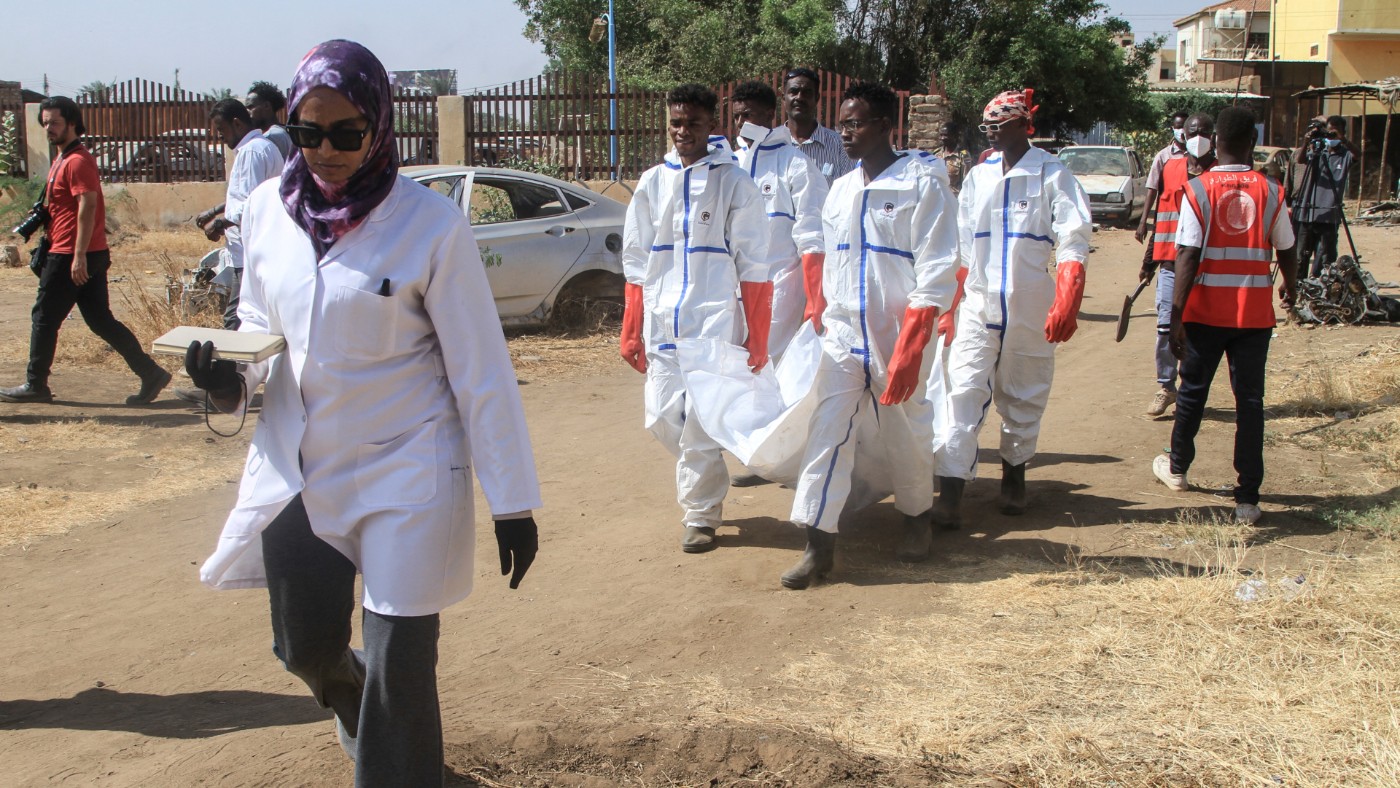
    In a solemn and extensive operation, Sudan’s Forensic Medicine Authority has managed the retrieval, transport, and formal interment of approximately 15,000 corpses from various locations across Khartoum state since April 2024. These remains, initially buried hastily by civilians under coercion or discarded in mass graves by the paramilitary Rapid Support Forces (RSF), have now been relocated to official burial grounds.

    An official from the Khartoum state health ministry, speaking to the Sudan Tribune, outlined the objective to complete the transfer of all bodies buried outside designated cemeteries by mid-2026. The source detailed how the RSF, which held control over much of the capital and its environs from the war’s outset in April 2023 until March 2025, compelled residents to bury their dead in residential areas, neighborhoods, and even school grounds. Civilians from Khartoum and its adjoining cities, Omdurman and Bahri, reported that accessing cemeteries was impossible due to intense and persistent combat.

    This large-scale body recovery campaign, initiated in March 2024 with support from charities like the Red Crescent, addresses the severe humanitarian consequences of the conflict. State authorities emphasized that the RSF’s blockade of traditional cemeteries forced citizens to use public squares, mosques, schools, and private homes as impromptu gravesites.

    Disturbing discoveries continue to surface. In June 2025, Sudanese army Brigadier al-Rayah Dafallah reported to Middle East Eye (MEE) that corpses were being found in highly unusual places, including buried beneath house floors. An MEE investigation of a university morgue, repurposed by the RSF as a base, revealed three tanks containing around 20 severely decomposed bodies.

    The crisis extends beyond the capital. Satellite imagery analyzed by Yale’s Humanitarian Research Lab has confirmed the existence of mass graves in el-Fasher, the capital of North Darfur, which was seized by the RSF in late October. Accounts from survivors describe horrific scenes of people buried alive, streets littered with corpses, and bodies unceremoniously dragged into squares using bedding materials.

    Both warring factions—the RSF and the Sudanese Armed Forces (SAF)—face accusations of atrocities. The RSF, which receives backing from the United Arab Emirates, stands additionally accused of committing genocide against non-Arab communities in Darfur, a charge it vehemently denies.

    No precise official death toll exists, but estimates from humanitarian organizations on the ground are staggering. As early as October 2024, Islamic Relief CEO Waseem Ahmad suggested the figure could be as high as 200,000, highlighting the immense human cost of the ongoing war.