作者: admin

  • UAE emerges as global hub for tokenisation and blockchain innovation

    UAE emerges as global hub for tokenisation and blockchain innovation

    The United Arab Emirates has strategically positioned itself at the forefront of the global digital asset revolution, emerging as a premier destination for blockchain innovation and tokenization technologies. Through progressive regulatory frameworks established by authorities including VARA (Virtual Assets Regulatory Authority) and ADGM (Abu Dhabi Global Market), the nation has cultivated an ecosystem that balances innovation with investor protection.

    Tokenization—the conversion of physical assets into digital tokens on blockchain networks—represents the cornerstone of this financial transformation. This technology enables unprecedented market features including 24/7 trading accessibility, fractional ownership opportunities, enhanced transparency, and global market reach. These advancements collectively dismantle traditional barriers that have historically limited access to investment opportunities.

    Yoni Assia, Chief Executive Officer of investment platform eToro, identifies the UAE’s approach as particularly significant. “The combination of clear regulatory vision and commitment to financial innovation makes the UAE one of the world’s most dynamic digital asset markets,” Assia noted. He emphasized that tokenization fundamentally democratizes investment access, allowing retail participants to construct diversified portfolios with reduced capital requirements compared to traditional markets.

    The implications for financial inclusion are particularly profound. Blockchain technology addresses longstanding systemic barriers through its inherent security protocols and cost-efficient infrastructure. However, Assia cautions that technological advancement alone cannot guarantee accessibility. “True inclusion requires platforms designed with educational resources, user-friendly interfaces, and affordable access points at their foundation,” he explained.

    Regulatory developments including Europe’s Markets in Crypto-Assets (MiCA) framework and proposed US legislation indicate growing global recognition of the need for balanced oversight. Rather than creating competition between decentralized and traditional finance sectors, industry leaders anticipate collaborative integration. Financial institutions are increasingly exploring blockchain applications including on-chain funds, blockchain-based settlement systems, and stablecoin payment infrastructures.

    Current tokenization applications already demonstrate tangible impact in equities and commodities markets, enabling cross-timezone trading without traditional market hour restrictions. Future expansion may encompass real estate, institutional investment products, and additional asset classes previously inaccessible to retail investors.

    The UAE’s leadership in this technological transformation signals more than mere technological adoption—it represents a fundamental reimagining of global financial accessibility where investment opportunity becomes universally available rather than exclusively privileged.

  • Photos: 20,000 Filipino expats gather to mark Simbang Gabi in Dubai

    Photos: 20,000 Filipino expats gather to mark Simbang Gabi in Dubai

    DUBAI – In a remarkable display of cultural preservation and community spirit, approximately 20,000 Filipino expatriates gathered in Dubai for the annual Simbang Gabi tradition on Monday evening. The massive congregation transformed the city’s central district into a vibrant celebration of Filipino heritage, showcasing one of the largest overseas gatherings for this cherished pre-dawn Christmas ritual.

    The event, meticulously organized by Filipino community groups in coordination with UAE authorities, featured traditional liturgical services followed by communal feasting. Participants adorned in traditional attire created a sea of color while traditional parols (star-shaped lanterns) illuminated the venue, symbolizing the guiding light of faith for overseas workers.

    Community leaders emphasized the significance of maintaining cultural traditions abroad, noting how Simbang Gabi serves as both spiritual nourishment and emotional anchor for Filipinos working thousands of miles from home. The celebration incorporated elements from both traditional Philippine practices and adaptations suitable for the UAE’s multicultural environment, creating a unique fusion that respects both Filipino heritage and local regulations.

    The successful organization of such a substantial gathering demonstrates the UAE’s evolving approach to cultural diversity and religious tolerance. Local authorities provided necessary permits and security arrangements, acknowledging the importance of cultural events for the substantial Filipino community that forms one of the largest expatriate groups in the Emirates.

    This year’s record attendance reflects the growing Filipino community in the UAE and their increasingly organized efforts to preserve cultural identity while contributing to the nation’s development. The event also featured charity initiatives supporting overseas workers in need, reinforcing the community’s commitment to mutual support and solidarity.

  • Trump sues BBC for defamation over Panorama speech edit

    Trump sues BBC for defamation over Panorama speech edit

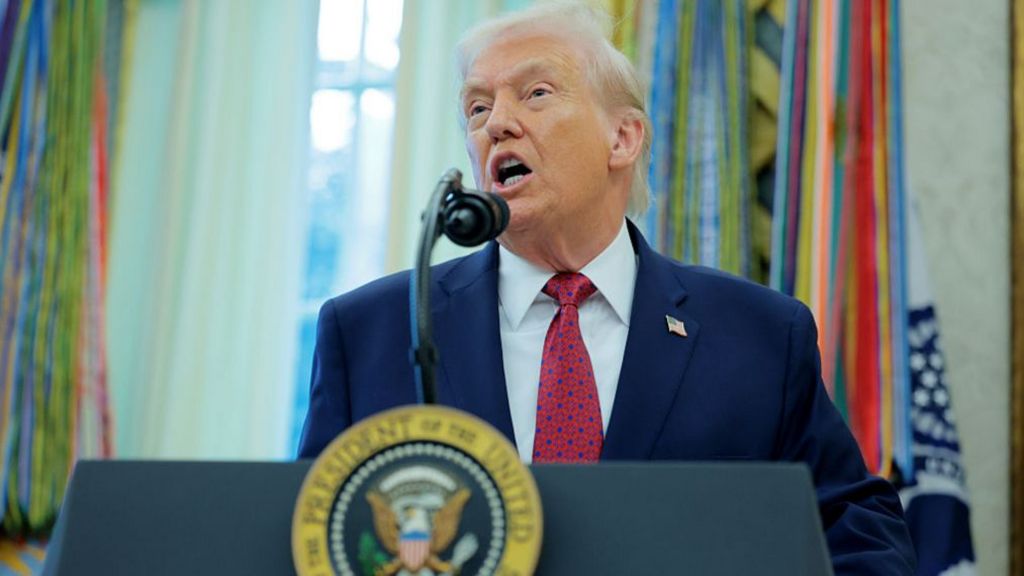
    Former U.S. President Donald Trump has initiated a high-stakes legal battle against the British Broadcasting Corporation (BBC), filing a defamation lawsuit in Florida federal court. The lawsuit centers on the broadcaster’s editing of Trump’s January 6, 2021 address in a Panorama documentary, which Trump alleges deliberately misrepresented his statements to suggest he incited violence.

    The legal filing asserts two distinct claims: one for defamation and another for violation of trade practices laws, with Trump seeking $5 billion in damages for each count, totaling $10 billion. The former president’s legal team contends the BBC “intentionally, maliciously, and deceptively doctored” his speech with specific editorial decisions that created false implications about his conduct preceding the Capitol riot.

    While the BBC issued an apology in November 2023 acknowledging the edited sequence had created “the mistaken impression” that Trump had directly called for violent action, the broadcaster has firmly rejected compensation demands and any legal basis for the defamation claim. The controversial documentary aired in the United Kingdom shortly before the 2024 U.S. presidential election, timing that Trump’s legal team suggests was strategically motivated.

    In public statements last month, Trump characterized the editing as deliberate deception, telling reporters: “They cheated. They changed the words coming out of my mouth.” The original speech contained the phrases “We’re going to walk down to the Capitol, and we’re going to cheer on our brave senators and congressmen and women” and, approximately 50 minutes later, “And we fight. We fight like hell.” The Panorama program edited these segments to appear consecutively, creating the impression of immediate incitement.

    The BBC has not yet issued a formal response to the specific lawsuit filing, which represents one of the largest defamation claims ever brought against a media organization. This case intersects significant legal questions about media editing practices, political speech protection, and international jurisdiction in defamation cases involving foreign media entities and U.S. political figures.

  • Depression: How long can you stay on antidepressants?

    Depression: How long can you stay on antidepressants?

    The medical community faces significant uncertainty regarding appropriate durations for antidepressant treatment, leaving millions of patients questioning whether to continue medication indefinitely. This therapeutic dilemma emerges from a critical knowledge gap: while antidepressants rank among America’s most prescribed medications, comprehensive data on their long-term effects remains strikingly limited.

    Marjorie Isaacson’s experience exemplifies this predicament. Now 69, she began antidepressant treatment in her late twenties during marital difficulties that affected her basic functioning. While initially grateful for the medication’s stabilizing effect, she now contemplates potential lifelong use amidst emerging concerns about side effects and withdrawal complexities.

    The fundamental uncertainty stems from regulatory approval processes. The FDA originally approved modern antidepressants like Prozac based on clinical trials lasting merely months, with subsequent studies rarely extending beyond two years. This evidence shortfall means current clinical guidelines provide minimal direction on optimal treatment duration, forcing patients and providers to make decisions without robust long-term safety data.

    Psychiatrists emphasize that discontinuation decisions require individualized assessment through physician consultation. Dr. Jonathan E. Alpert of Montefiore Einstein recommends that patients with major depression maintain treatment until achieving stability, followed by four to nine months of consolidation therapy. Those experiencing multiple depressive episodes or severe, treatment-resistant symptoms often benefit from extended maintenance therapy lasting years.

    The challenge intensifies when considering withdrawal. Approximately one in six patients discontinuing antidepressants experiences significant symptoms including dizziness, fatigue, and sensory disturbances described as ‘brain zaps.’ For roughly 3% of patients, these symptoms prove so severe that cessation becomes practically impossible without medical supervision.

    Potential long-term risks require careful consideration. Certain antidepressants correlate with increased blood pressure, heart rate, cholesterol levels, and clotting risk. A recent Danish study associated one to five years of antidepressant use with elevated risk of sudden cardiac death, though researchers couldn’t determine whether medications or underlying conditions drove this association.

    Despite these concerns, psychiatrists stress that untreated depression carries well-established risks. Dr. Paul Nestadt of Johns Hopkins notes that while more long-term safety data would be valuable, the therapeutic benefits for genuinely depressed patients typically outweigh potential medication risks when properly managed.

  • Dubai: Santa suit to Filipino delicacies; how 20,000 expats marked Simbang Gabi’s first day

    Dubai: Santa suit to Filipino delicacies; how 20,000 expats marked Simbang Gabi’s first day

    Dubai’s St. Mary’s Catholic Church witnessed an extraordinary display of cultural and religious devotion as over 20,000 expatriates gathered for the inaugural day of Simbang Gabi on Monday. This cherished Filipino Christmas tradition, dating back to the Spanish colonial period of the 1600s, has found a vibrant new home in the UAE since its introduction by the Filipino Catholic community in the early 2000s.

    The evening mass transformed the church grounds into a spectacular celebration of faith and community. Unlike its dawn observance in the Philippines, the UAE adaptation occurs in the evening to accommodate working schedules. The atmosphere buzzed with festive energy as generations of worshippers—from elderly community members to infants in strollers—gathered in the open-air setting. Many attendees arrived directly from their workplaces, while families and friends brought folding chairs and mats to create comfortable seating areas.

    The celebration featured traditional Christmas carols preceding each service, with volunteers like Dubai resident Mark Omayam adding to the merriment by distributing gifts to children while dressed in Santa Claus costumes. The authentic Filipino experience was completed with traditional delicacies including puto bumbong (steamed rice pastry) and bibingka (rice cake) available in the churchyard.

    Church worker Policarpio Tinaja described the event as embodying both spiritual significance and communal joy. The special outdoor altar, constructed annually for this purpose, accommodated the massive congregation that filled the football field, basketball court, girls’ compound, and church portico.

    This year’s celebrations carry the theme ‘Pasko sa Jubileo 2025’, aligning with the Catholic Church’s jubilee year. Monday’s mass was presided over by Filipino priest Fr. Leny Escalada with co-celebrant Fr. Rex Cutamora. The nine-day observance will continue through December 23, with Tuesday’s service featuring Filipino Cardinal Luis Antonio Tagle, Pro-Prefect of the Dicastery for Evangelization and titular bishop of Albano.

  • ILT20: Desert Vipers win big on the field and for the planet

    ILT20: Desert Vipers win big on the field and for the planet

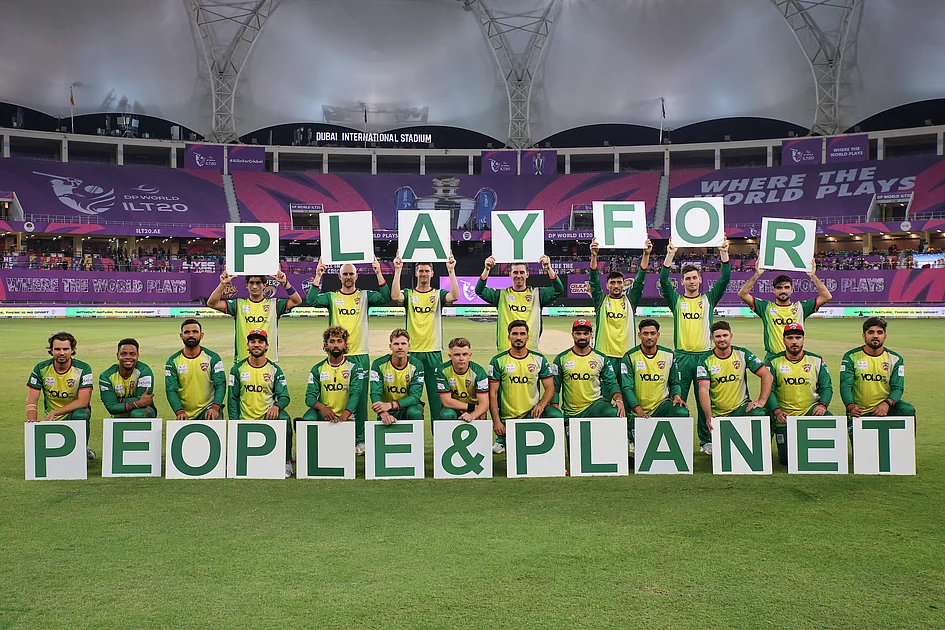
    In a remarkable fusion of sporting excellence and ecological advocacy, the Desert Vipers cricket franchise achieved a dual victory during Sunday’s International League T20 (ILT20) match against Dubai Capitals. The team secured their place in the playoffs with an unprecedented sixth consecutive win while simultaneously leveraging the platform to promote critical environmental awareness.

    The match, designated as the tournament’s ‘sustainability match’, witnessed the Vipers deliver a comprehensive five-wicket triumph over the defending champions. Captain Sam Curran spearheaded the performance with exceptional all-round contributions, claiming 2/17 with the ball followed by an unbeaten 52 runs.

    Beyond the boundary, the Vipers launched a multifaceted environmental initiative centered on wildlife conservation. Players donned special jerseys crafted from recycled materials featuring innovative ‘Biodiversity Stripes’ – a visual representation of global wildlife population trends over the past five decades. The gradient design transitions from green to grey, illustrating the alarming 73% decline in global wildlife populations since 1970.

    Team management emphasized the profound connection between sports and ecosystem health, noting that “healthy ecosystems regulate heat, water, and soil, all of which are essential to sport.” Pre-match activities engaged fans through educational ‘green activities’ at Dubai International Stadium, raising awareness about environmental protection.

    The sustainability measures extended to equipment and accessories, with players utilizing recycled water bottles and sunglasses manufactured from repurposed plastic waste. South African-American wicketkeeper-batter Andries Gous expressed enthusiasm about participating in the groundbreaking initiative, noting its potential to inspire younger generations toward environmental responsibility.

    Desert Vipers CEO Phil Oliver articulated the franchise’s philosophical approach: “Cricket and nature are inherently connected, and at Desert Vipers, we want to be proactive in playing for people and the planet.” The organization’s efforts establish new benchmarks for sports franchises seeking to integrate environmental stewardship with athletic competition.

  • Flash flood kills at least 37 people in Morocco town, deadliest in a decade

    Flash flood kills at least 37 people in Morocco town, deadliest in a decade

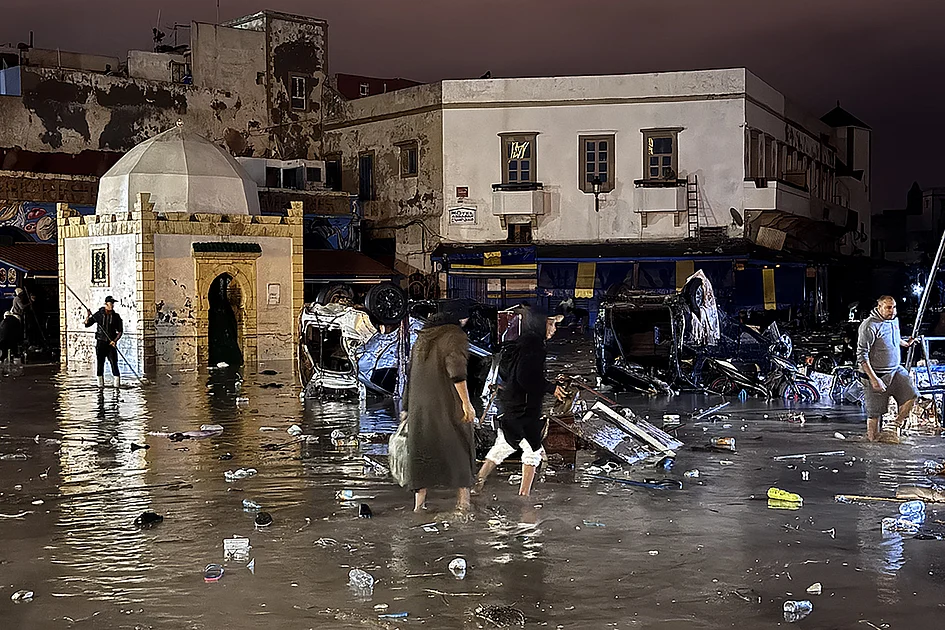
    A catastrophic flash flood has devastated the Moroccan coastal town of Safi, resulting in at least 37 fatalities and marking the nation’s deadliest weather-related disaster in over a decade. The tragedy struck on Sunday as a powerful torrent of mud and water surged through the streets, sweeping away vehicles and infrastructure in its path.

    Local authorities confirmed that search and rescue operations are ongoing amidst warnings from the General Directorate of Meteorology of additional thunderstorms expected across several regions in the coming days. The historic town center suffered extensive damage with at least 70 homes and businesses flooded, while schools have been closed for a minimum of three days due to debris-clogged streets.

    Fourteen survivors are currently receiving medical treatment at Mohammed V Hospital, with two patients in intensive care. Eyewitness accounts describe scenes of utter devastation as residents lost homes, livelihoods, and personal belongings. ‘The water overwhelmed us. We couldn’t sleep all night. We lost everything, even my children’s textbooks,’ recounted Hanane Nasreddine, a mother of six, her voice trembling with emotion.

    The commercial impact has been particularly severe in Safi, renowned for its arts and crafts including terracotta pottery. Shopkeeper Abdelkader Mezraoui reported that jewelry and clothing retailers lost their entire inventories, calling for official compensation to save local businesses.

    Morocco’s prosecutor’s office has initiated an investigation to determine potential responsibility for the extent of the damage, while local officials convened emergency meetings to implement crisis measures. The disaster occurs against the backdrop of Morocco’s seventh consecutive year of severe drought, with climate scientists noting that warmer atmospheric conditions intensify storm systems by holding increased moisture.

    The North African kingdom has experienced similar tragedies in past decades, with flash floods claiming hundreds of lives in 1995 and scores more in 2002, highlighting the region’s vulnerability to extreme weather events exacerbated by climate change.

  • Qatari failure to pay contractors leaves migrant workers unpaid, says report

    Qatari failure to pay contractors leaves migrant workers unpaid, says report

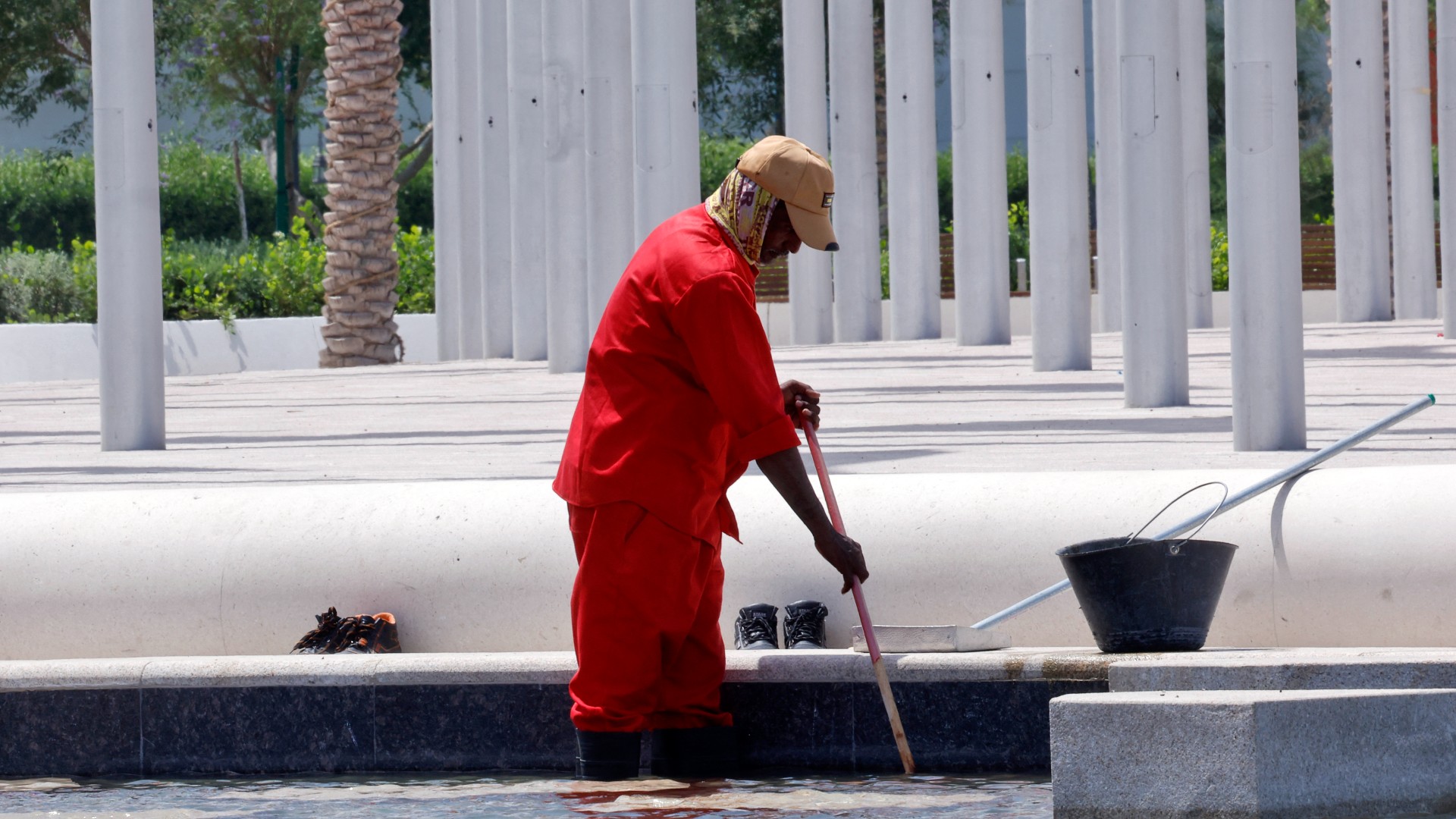
    A groundbreaking report from Human Rights Watch reveals a systemic failure in Qatar’s contracting industry, where government entities and major corporations are routinely delaying payments to contractors, creating a devastating ripple effect that ultimately leaves migrant laborers without wages.

    The investigation, published Monday, exposes how high-level clients—including Qatari government bodies—enjoy virtual impunity when violating payment agreements, forcing subcontracting firms that directly employ migrant workers to absorb the financial burden. Michael Page of Human Rights Watch emphasized that “influential contractors and employers in Qatar should stop stiffing workers by failing to pay subcontractors what they owe.”

    HRW conducted extensive research between February-March 2024 and September 2025, interviewing 16 individuals previously employed by Qatari labor supply companies. The organization additionally examined contractual agreements and email correspondence from two subcontractors, uncovering a pattern of financial distress caused by clients withholding legally obligated payments.

    The documentation reveals that both subcontractors faced severe cash flow crises when clients delayed payments, rendering them unable to compensate their workers. Despite one subcontractor pursuing legal threats to demand payment, no funds were ultimately released.

    According to the report, these payment violations potentially constitute complicity in wage theft against migrant workers. A subcontracting company representative described the cascading effect: “Non-payment by clients has badly affected our cashflow. We couldn’t pay our suppliers and subcontractors, and we’re facing legal threats from them. The company has not been able to pay its own workers’ salaries either.”

    HRW specifically identified problematic “pay when paid” clauses in contracts as contributing to this crisis and urged Doha to extend wage liability beyond immediate employers. Under International Labour Organisation conventions ratified by Qatar—including the forced labor convention—both withholding and non-payment of wages may amount to forced labor.

    The rights organization called for Qatari authorities to hold major firms accountable for abuses committed throughout their supply chains. Page concluded that “Qatari authorities are failing twice over to protect migrant workers—first as clients themselves fail to pay contractors, and second as ineffective regulators,” noting that highly publicized systems like the Wage Protection System and Wage Support and Insurance Fund have proven insufficient to prevent widespread wage theft.

  • Rob Reiner’s son Nick taken into custody after suspected homicide of Hollywood director, wife

    Rob Reiner’s son Nick taken into custody after suspected homicide of Hollywood director, wife

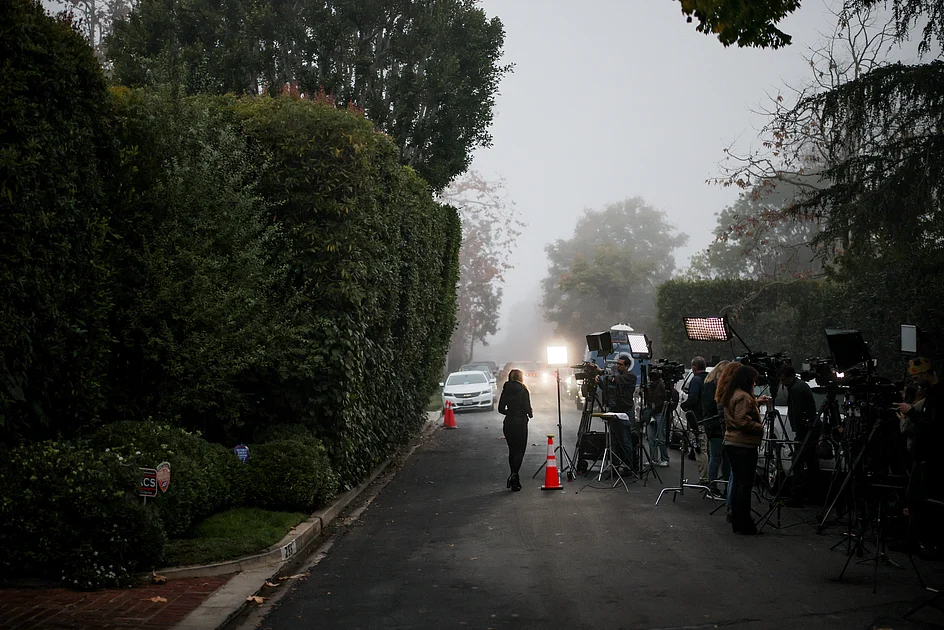
    Los Angeles authorities are investigating the shocking deaths of renowned filmmaker Rob Reiner and his wife Michele following a suspected homicide at their Brentwood residence. The couple was discovered deceased at approximately 3:40 PM Pacific Time on Sunday in what law enforcement officials have characterized as an apparent murder incident.

    Their son, Nick Reiner, has been taken into custody and is currently being held at Los Angeles County jail on a $4 million bond. While official charges remain unspecified, jail records indicate he is being detained on felony allegations connected to the case.

    The entertainment industry and political circles have expressed profound grief over the loss of the 78-year-old director and his 68-year-old wife. Los Angeles Mayor Karen Bass issued an official statement recognizing Reiner’s significant cultural contributions and advocacy work, noting that his passing represents “a devastating loss for our city and our country.”

    Michele Reiner, an accomplished photographer, previously captured the distinctive portrait of former President Donald Trump that graced the cover of his influential book “Trump: The Art of the Deal.” Trump himself commented on the tragedy through social media, generating controversy with his characterization of the director’s political perspectives.

    Rob Reiner’s extraordinary career spanned both acting and directing realms. He initially gained prominence through his Emmy-winning portrayal of Mike “Meathead” Stivic in the groundbreaking 1970s television series “All in the Family.” His directorial achievements include culturally significant films such as the mockumentary classic “This Is Spinal Tap,” the coming-of-age masterpiece “Stand by Me,” the iconic romantic comedy “When Harry Met Sally,” and the courtroom drama “A Few Good Men.”

    The investigation continues as authorities work to determine the precise circumstances surrounding this tragic incident that has stunned the entertainment community and beyond.

  • India charges Pakistan-based group over deadly Pahalgam attack

    India charges Pakistan-based group over deadly Pahalgam attack

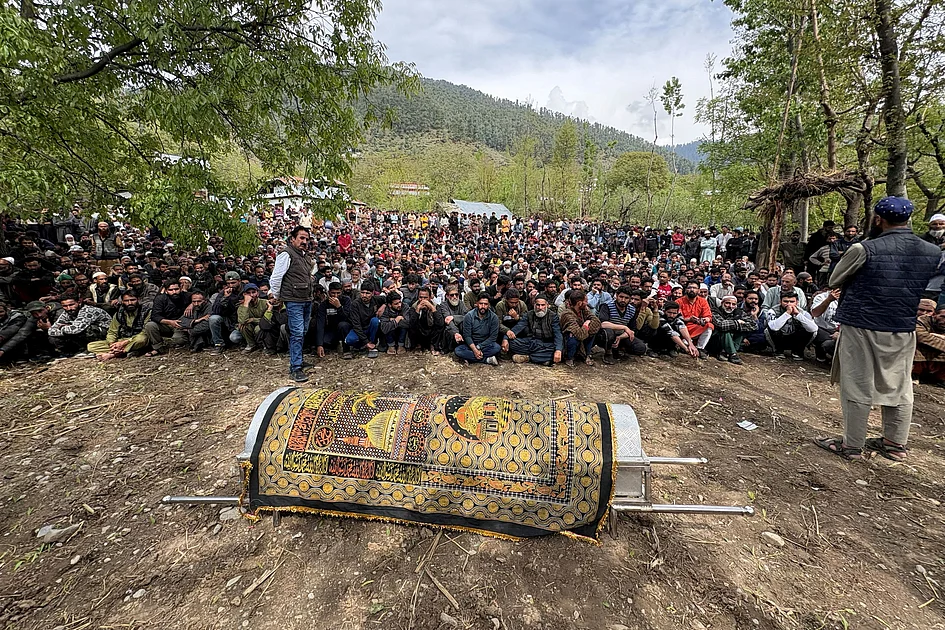
    India’s National Investigation Agency (NIA) has formally charged six individuals and a Pakistan-based militant organization in connection with the devastating April attack on tourists in Kashmir’s Pahalgam resort that claimed 26 lives. The chargesheet, filed Monday, explicitly accuses Pakistan of orchestrating the assault through the banned Lashkar-e-Taiba (LeT) organization and its proxy faction, The Resistance Front (TRF).

    The April 22nd assault, which predominantly targeted Hindu tourists, ignited four days of intense cross-border hostilities between the nuclear-armed neighbors. The subsequent military exchanges involved missile strikes, drone attacks, and artillery fire resulting in approximately 70 casualties on both sides of the Kashmir divide.

    According to the NIA’s investigation, Pakistani handler Sajid Jatt stands charged alongside three other militants identified as Faisal Jatt (alias Suleman Shah), Habeeb Tahir (alias Jibran), and Hamza Afghani. These three operatives were reportedly eliminated by Indian security forces during counter-insurgency operations in Kashmiri woodlands several weeks following the initial attack.

    The agency has additionally charged two local Kashmir residents—Parvaiz Ahmad and Bashir Ahmad Jothatd—who were apprehended in June under allegations of providing sanctuary to the attackers. The comprehensive chargesheet outlines what Indian authorities describe as ‘Pakistan’s conspiracy’ behind the planning, facilitation, and execution of the assault.

    The Himalayan region of Kashmir remains a perpetually disputed territory between India and Pakistan since their 1947 partition from British colonial rule. Both nations claim sovereignty over the entire region, having engaged in two full-scale wars over its control. Since 1989, separatist insurgent groups have waged a persistent campaign seeking either Kashmir’s independence or unification with Pakistan.