作者: admin

  • EU likely to delay free-trade deal with South America as French farmers block roads

    EU likely to delay free-trade deal with South America as French farmers block roads

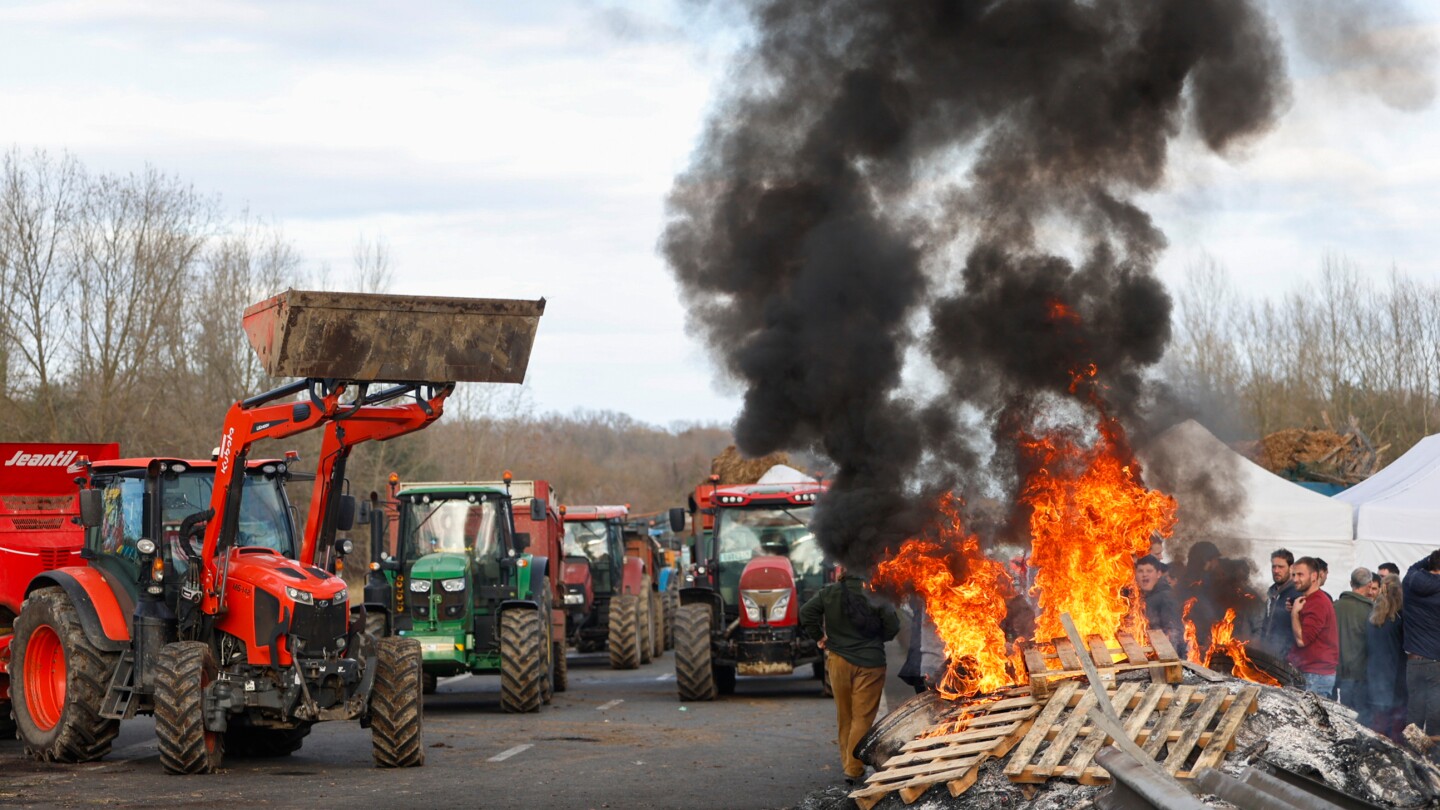
    A quarter-century in the making, the landmark trade agreement between the European Union and South America’s Mercosur bloc faces significant delays as French agricultural protests intensify. Farmers across France have mobilized heavy machinery to blockade highways and construct makeshift barricades, employing tactics that have historically pressured the government into concessions.

    The core contention revolves around the proposed elimination of tariffs on nearly all goods traded between the blocs over a 15-year period. French producers argue this would expose them to unfair competition from Mercosur nations—Brazil, Argentina, Uruguay, Paraguay, and Bolivia—that operate under different regulatory standards concerning pesticides and environmental practices.

    Compounding trade anxieties, scattered outbreaks of lumpy skin disease in French cattle herds have ignited additional fury. Government-mandated culling of infected animals has further inflamed rural discontent, creating a volatile combination of economic and sanitary grievances.

    Despite the European Parliament’s recent approval of the deal with additional safeguards (431-161 vote, with 70 abstentions), France insists on three unmet demands: robust mechanisms to monitor and halt economic disruption, heightened regulatory alignment in Mercosur countries, and strengthened import inspections at EU ports.

    French European Affairs Minister Benjamin Haddad criticized the EU’s approach as “naive” and called for more assertive trade policies mirroring those of the United States and China. “We need to be open, but we also need to protect ourselves and protect our interests,” Haddad stated.

    While Ireland and Poland share France’s agricultural concerns, German MEP Svenja Hahn argued the pact would strengthen Europe’s geopolitical position, reducing dependence on China and Russia. The agreement, covering 780 million people and a quarter of global GDP, requires backing from two-thirds of EU member states for ratification. Despite scheduled signing ceremonies in Brazil, the growing protest movement suggests further delays are inevitable as farmers vow to escalate demonstrations, including planned marches in Brussels.
  • Netanyahu faces backlash after blaming Bondi attack on Australia’s support for Palestinian statehood

    Netanyahu faces backlash after blaming Bondi attack on Australia’s support for Palestinian statehood

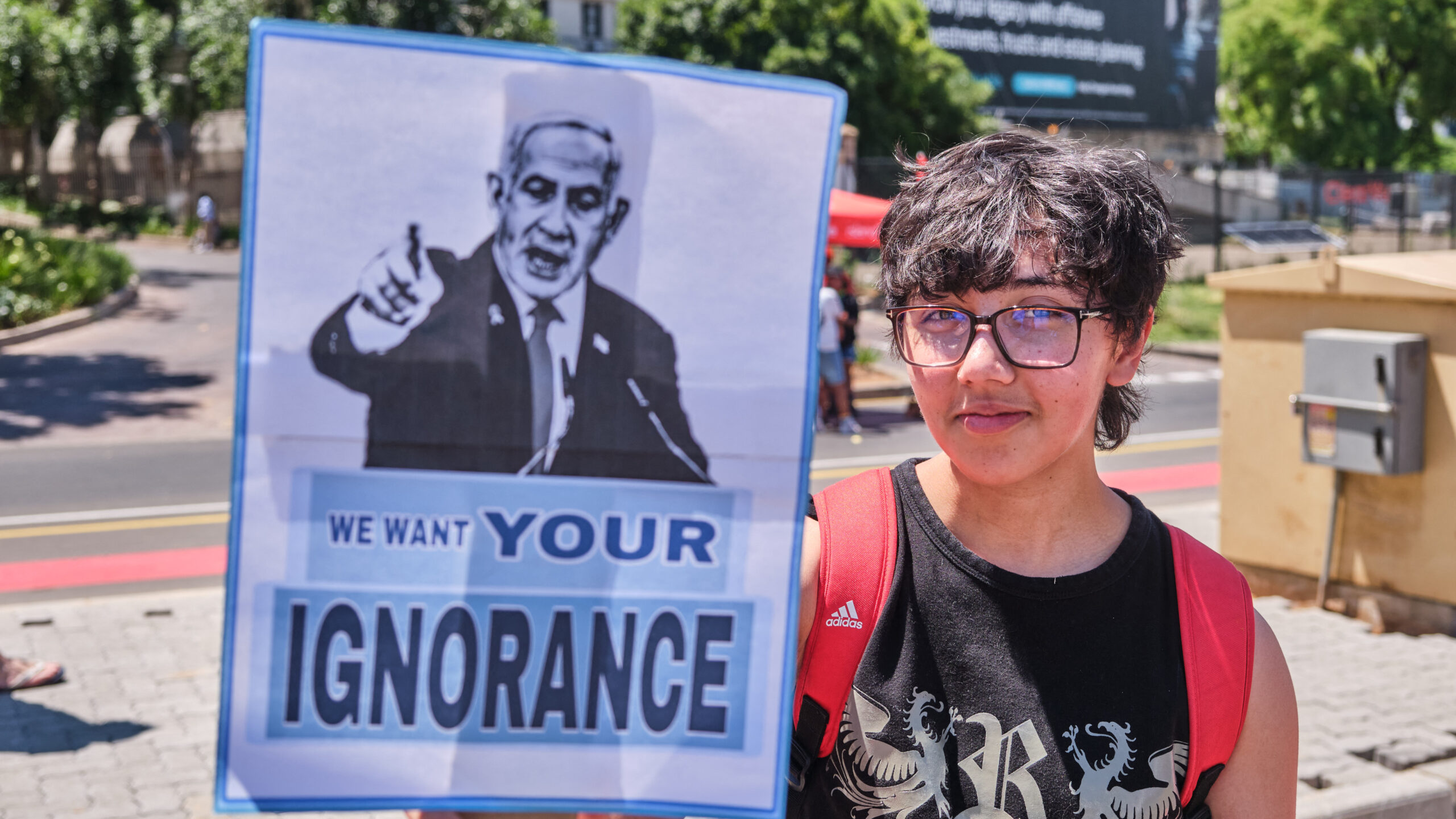
    International condemnation has mounted against Israeli Prime Minister Benjamin Netanyahu for his controversial assertion that Australia’s recognition of Palestinian statehood contributed to the deadly Sydney attack that killed 15 people. The political firestorm erupted after Netanyahu revealed he had previously warned Australian Prime Minister Anthony Albanese that his government’s policy was “promoting and encouraging antisemitism” and would “pour fuel on the antisemitic fire.”

    The tragedy unfolded when two gunmen opened fire during a Hanukkah celebration at Sydney’s Bondi Beach on Sunday, leaving multiple others wounded in one of Australia’s deadliest antisemitic attacks. Netanyahu immediately connected the massacre to Australia’s diplomatic stance, claiming recognition of Palestine “rewards Hamas terrorism” and “emboldens those who menace Australian Jews.”

    Prime Minister Albanese firmly rejected this connection in an ABC interview, stating: “No, I don’t perceive a link, and overwhelmingly, most of the world recognises a two-state solution as being the way forward in the Middle East.” This position received substantial support across social media platforms, where users widely criticized Netanyahu’s logic as flawed and politically motivated.

    United Nations Special Rapporteur on Human Rights and Counter Terrorism Ben Saul expressed being “disgusted” by Netanyahu’s allegations, emphasizing that “Australia has taken extensive measures to prevent anti-semitism.” Prominent voices including Israeli-American academic Shaiel Ben-Ephraim and journalist Barry Malone accused Netanyahu of exploiting tragedy to advance political objectives, with Malone noting the consistent “weaponisation” of antisemitic attacks reduces victims to “political pawns.”

    The digital backlash highlighted concerns that Netanyahu’s comments undermine genuine efforts against antisemitism while attempting to legitimize Israel’s military actions in Gaza. Many social media users characterized the response as “predictable” and “morally obscene,” arguing it represents a cynical conflation of Palestinian statehood with antisemitic violence.

  • Former South Africa captain Dumke dies aged 29

    Former South Africa captain Dumke dies aged 29

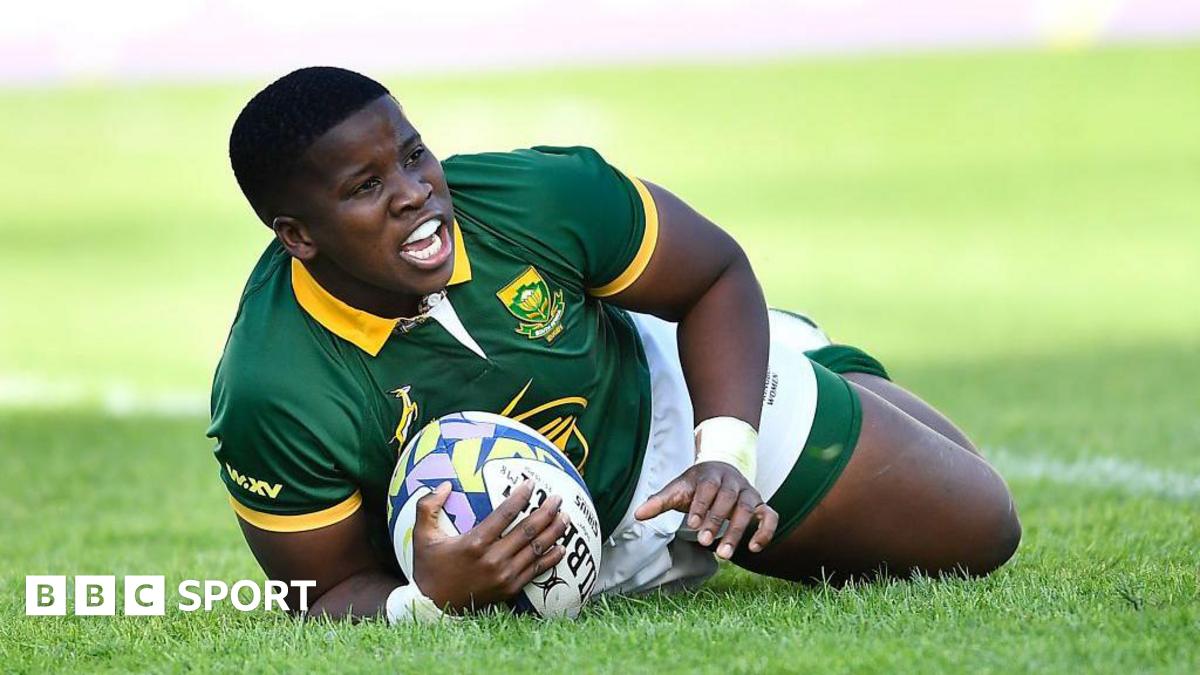
    The South African rugby community is in mourning following the tragic passing of former national women’s team captain Lusanda Dumke, who died at age 29 after battling a rare form of gastric cancer. The accomplished back row player, recognized as SA Rugby’s Women’s Player of the Year in 2022, leaves behind an extraordinary legacy both on and off the field.

    Dumke’s international career spanned 33 Test caps, during which she captained the national side on three separate occasions. Her leadership extended to the domestic arena where she guided the Bull Daisies to an unprecedented trio of consecutive Women’s Premier Division championships, establishing herself as one of the nation’s most influential rugby figures.

    SA Rugby President Mark Alexander delivered a heartfelt tribute, characterizing Dumke as “a symbol of courage, leadership, and resilience far beyond her years.” He emphasized how her dignified composure amidst profound personal health challenges continued to inspire teammates and opponents alike. “Even in the face of immense personal challenge she carried herself with dignity and strength, inspiring those around her on and off the field,” Alexander stated. “Her legacy lives on in the lives she touched, the example she set, and the pride with which she represented her country.”

    The rugby star had stepped away from professional competition this past August to focus on her health, though the specific nature of her illness had not been publicly disclosed until now. Her diagnosis involved an uncommon gastric cancer variant that ultimately claimed her life prematurely.

    Dumke’s passing has triggered an outpouring of grief across the international rugby community, with tributes highlighting not only her athletic prowess but her character and leadership qualities that made her an icon in women’s rugby development. Her contribution to the sport’s growth in South Africa, particularly in women’s competitions, is regarded as foundational and transformative.

  • Investment scam alert in UAE: Experts warn against high ‘guaranteed returns’

    Investment scam alert in UAE: Experts warn against high ‘guaranteed returns’

    Financial security experts in the United Arab Emirates are sounding alarms over an escalating wave of sophisticated investment fraud schemes targeting residents seeking alternative income streams. These fraudulent operations are employing increasingly sophisticated tactics, including cloning legitimate financial institution branding and regulatory emblems to appear authentic.

    According to Muhammad Alamer, an SCA-licensed financial influencer with 17 years of market experience, the promise of ‘guaranteed returns with zero risk’ remains the most reliable indicator of fraudulent activity. “Legitimate financial markets simply do not offer such investments,” Alamer emphasized, noting that even top-performing institutional fund managers cannot consistently deliver the extravagant returns—sometimes exceeding 10-15% monthly—promised by these schemes.

    The deception extends beyond unrealistic returns. Scammers employ psychological pressure tactics using phrases like ‘limited availability’ or ‘expiring offers’ to bypass rational decision-making. Additional red flags include vague investment strategies, difficulties withdrawing funds, unsolicited contact through social media or WhatsApp, and unverifiable credentials.

    Industry analyst Ibrahim El Sheikh attributes the surge in fraudulent schemes to multiple converging factors: market volatility, rising living costs, and increased accessibility to online trading platforms. “As more residents look beyond traditional savings to grow their wealth, fraudsters are exploiting this shift with simplified, high-return narratives that appeal to inexperienced investors,” El Sheikh explained.

    Social media platforms have become particularly effective vectors for these scams. Paid promotions, sponsored content, and direct messaging enable fraudsters to reach vast audiences without face-to-face interaction. The use of professional-looking websites and influencer-style messaging further lowers suspicion among potential victims.

    UAE authorities have responded with increased vigilance. The Securities and Commodities Authority recently issued warnings against two unauthorized entities—XC Market Limited and XCE Commercial Brokers LLC—and exposed a fraudulent operation masquerading as the ‘Gulf Higher Authority for Financial Conduct’ through the website financialgcc.com.

    In November, Dubai Police’s Anti-Fraud Center alerted the public to investment offers promising fixed monthly returns up to 10% without risk, noting these often operate as pyramid schemes where new investor funds pay earlier participants before operators disappear.

    Alamer praised the UAE’s new Advertiser Permit system, which requires social media promoters to obtain licenses and disclose permit numbers publicly. However, he called for enhanced cross-platform coordination to prevent scammers simply migrating between services when banned.

    The consensus among experts is clear: verification remains the strongest defense against financial fraud. Residents are urged to independently confirm licensing status through official channels before committing funds to any investment opportunity.

  • Rwanda-back M23 rebels say they will withdraw from seized city in eastern Congo

    Rwanda-back M23 rebels say they will withdraw from seized city in eastern Congo

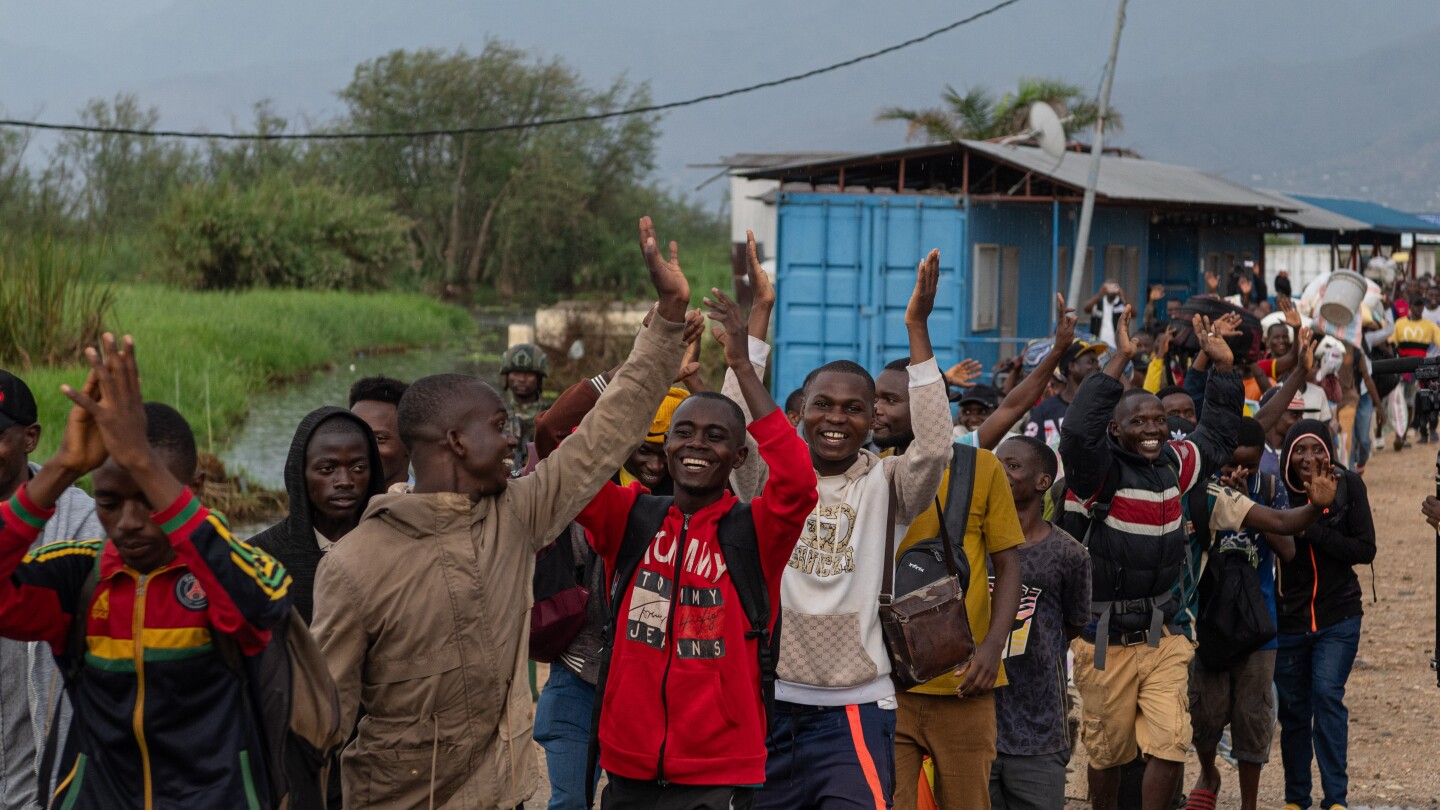
    DAKAR, Senegal — In a significant development within the ongoing Eastern Congo conflict, Rwanda-backed M23 rebels have declared their intention to withdraw from the strategically vital city of Uvira, which they captured last week. This announcement comes despite escalating violence that threatens to undermine a U.S.-brokered peace agreement between Congolese and Rwandan leadership.

    Corneille Nangaa, head of the Congo River Alliance that incorporates M23, characterized the planned withdrawal as a “unilateral trust-building measure” requested by American mediators to revitalize stalled peace negotiations. The rebel statement outlined specific conditions for lasting de-escalation, including complete demilitarization of Uvira, guaranteed protection for civilians and infrastructure, and implementation of neutral forces to monitor ceasefire compliance. Notably, the declaration stopped short of confirming whether rebel withdrawal would proceed without these prerequisites being met.

    Local Uvira residents reported Tuesday that M23 fighters maintained their presence in the city despite the announced withdrawal plan. The rebel offensive, launched earlier this month, has already exacted a devastating humanitarian toll with approximately 400 casualties and nearly 200,000 displaced persons according to regional authorities.

    This renewed violence directly contradicts the peace accord signed by Congolese and Rwandan presidents in Washington earlier this month under U.S. mediation. The United States recently accused Rwanda of violating this agreement by supporting the rebel offensive in mineral-rich Eastern Congo, warning of potential actions against “spoilers” of the diplomatic process.

    The conflict’s expansion has now reached the border of Burundi, prompting cross-border refugee movements and raising concerns about regional escalation. Burundi’s Foreign Ministry confirmed at least 30,000 Congolese citizens have crossed into its territory since December 8, with reports of artillery shells landing in the border town of Rugombo.

    United Nations experts estimate M23’s forces have expanded dramatically from hundreds of fighters in 2021 to approximately 6,500 combatants today. The Eastern Congo region hosts over 100 armed groups competing for control near the Rwandan border, with the resulting humanitarian crisis displacing more than 7 million people according to UN refugee agencies.

  • Defenders ‘scared’ of Nigeria’s Osimhen – Onyeka

    Defenders ‘scared’ of Nigeria’s Osimhen – Onyeka

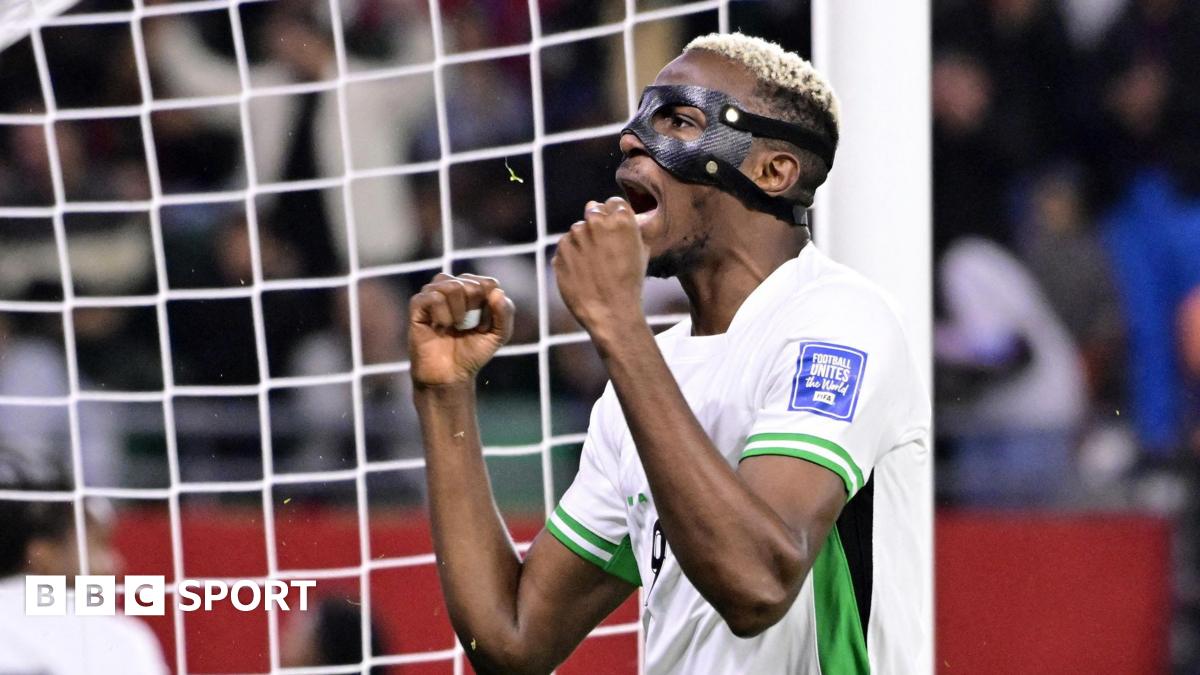
    Nigerian midfielder Frank Onyeka has declared striker Victor Osimhen operates on an entirely different echelon of football, asserting that opposing defenders at the upcoming Africa Cup of Nations (Afcon) will approach matches with inherent fear. The Brentford player, speaking to BBC Sport Africa, emphasized the psychological advantage Osimhen’s formidable reputation provides even before the opening whistle.

    The Super Eagles squad arrives in Morocco burdened by the memory of their heartbreaking defeat to Ivory Coast in the 2023 final, a match both Onyeka and Osimhen started. While Osimhen managed just a single goal during that tournament, his trajectory has since skyrocketed. The 26-year-old now stands as Nigeria’s second-highest all-time scorer with 31 goals in 45 appearances, trailing only the legendary Rashidi Yekini.

    Onyeka detailed the transformative impact of Osimhen’s presence, contrasting it with Nigeria’s recent struggles in his absence. The team’s failed 2026 World Cup qualifying campaign, where they secured a mere four points from fifteen without their star striker, and their subsequent playoff loss to DR Congo—a game where Osimhen’s halftime substitution shifted momentum—underscore his indispensability. “Even one of the players from Congo said the same,” Onyeka revealed. “When Victor left it gave the defenders a bit of rest.”

    Beyond Osimhen, Onyeka shed light on his personal development and the renewed spirit under manager Eric Chelle. The Malian coach, who took charge in January, is credited with revitalizing the team’s tactics and fostering a positive, familial environment. However, Chelle faces significant defensive challenges with the retirement of captain William Troost-Ekong and a knee injury ruling out promising center-back Benjamin Frederick, whom Onyeka described as an “outstanding” defensive reader of the game.

    Personally, Onyeka discussed adopting mindfulness techniques during a loan spell at Augsburg to enhance his mental preparation. Despite a goal drought in Germany, he emerged as a crucial scorer for Nigeria, netting vital late goals in the World Cup qualifiers. While acknowledging the immense pressure from Nigeria’s passionate fanbase, Onyeka channeled the World Cup disappointment into motivation, stating the clear objective for Afcon 2025 is to “win it and bring it back home.”

  • Driver who rammed through crowd at Liverpool soccer parade sentenced to over 21 years

    Driver who rammed through crowd at Liverpool soccer parade sentenced to over 21 years

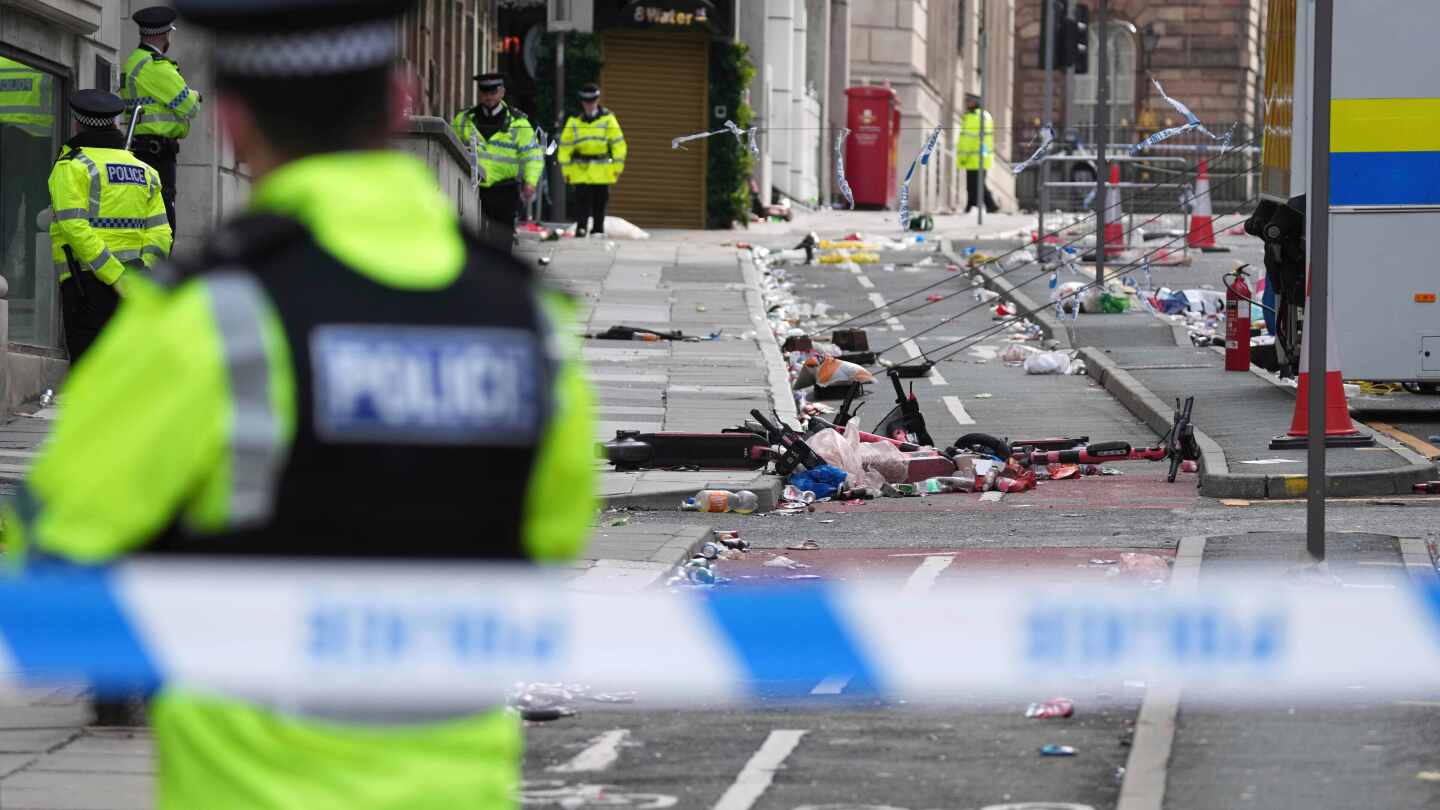
    LIVERPOOL – A 54-year-old man has been sentenced to more than 21 years in prison for a vehicular assault that left over 130 people injured during Liverpool’s Premier League championship celebrations. Paul Doyle received his sentence at Liverpool Crown Court on Tuesday for the May 26 incident that turned a festive parade into a scene of terror.

    Judge Andrew Menary delivered a scathing rebuke to Doyle, describing how the defendant “struck people head-on, knocked others onto the bonnet, drove over limbs, crushed prams and forced those nearby to scatter in terror” during the two-minute rampage. The attack only concluded when a courageous bystander intervened, entering the moving vehicle and forcing it into park while it rested atop injured victims.

    Prosecutor Paul Greaney revealed that Doyle’s actions stemmed from roadway frustration rather than terrorism. Dashboard camera footage presented in court showed Doyle screaming obscenities at pedestrians, blaring his horn, and shouting “move, move, move” while plowing through the crowd. The footage depicted terrified fans scrambling for safety, many being knocked aside or tossed into the air by the accelerating minivan.

    During the two-day sentencing hearing, emotional victim impact statements were read aloud, revealing the lasting trauma inflicted by Doyle’s actions. Sergeant Dan Hamilton of Merseyside Police described “sickening, dull thuds that are difficult to describe and impossible to forget,” while recounting his belief that he would die during the attack. Other victims reported losing employment, undergoing extensive rehabilitation to regain mobility, and developing severe anxiety triggered by Liverpool-associated sights and sounds.

    Defense attorney Simon Csoka acknowledged his client’s remorse and stated Doyle never intended to harm anyone, claiming the driver had panicked after the crowd began pounding on his vehicle. However, Judge Menary dismissed this explanation as “demonstrably untrue,” noting that any crowd reaction occurred in response to Doyle’s initial aggression.

    The court learned that Doyle had previous criminal convictions from his twenties, including an incident where he bit off a sailor’s ear during a drunken fight. Despite subsequently rebuilding his life with a university education, successful IT career, and family, Doyle’s actions on May 26 have resulted in one of the most significant vehicular assault sentences in recent British legal history.

  • Sudan’s RSF trying to cover up mass killings in el-Fasher, researchers say

    Sudan’s RSF trying to cover up mass killings in el-Fasher, researchers say

    A groundbreaking investigation by Yale University’s Humanitarian Research Lab (HRL) has exposed the Sudanese paramilitary Rapid Support Forces’ (RSF) systematic campaign to conceal evidence of mass atrocities in the captured city of el-Fasher. Satellite imagery analysis reveals the RSF has been disposing of tens of thousands of bodies through coordinated burial and burning operations following their October seizure of the strategic Darfur stronghold.

    The RSF’s capture of el-Fasher after an 18-month siege marked a pivotal military victory, driving Sudan’s regular army from its final foothold in the vast western region. However, this triumph came amid widespread reports of executions and crimes against humanity that drew international condemnation. The HRL report details how the paramilitary group ‘engaged in a systematic multi-week campaign to destroy evidence of its widespread mass killings,’ with satellite evidence showing continuing patterns of body disposal and destruction.

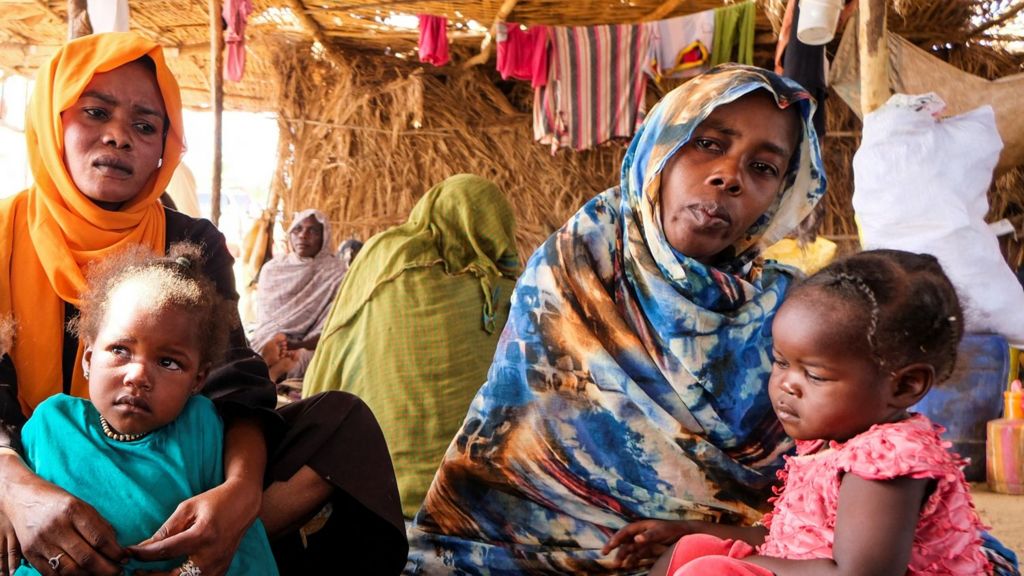
    The conflict between the RSF and Sudan’s regular army, erupting in April 2023 from a power struggle, has created what the United Nations describes as the world’s worst humanitarian disaster. Satellite evidence from November indicates severely limited civilian activity in el-Fasher since its capture, while imagery analysis identifies over 80 body clusters outside city limits—evidence that the RSF targeted civilians attempting to flee.

    Despite RSF leader Gen Mohamed Hamdan Dagalo announcing an investigation into alleged violations by his forces, the group continues to deny widespread allegations of ethnically motivated killings targeting non-Arab populations. Humanitarian agencies report alarmingly low numbers of successfully evacuated civilians, with approximately 250,000 people believed trapped in the city and fewer than half reaching displacement camps.

    The RSF has utilized its el-Fasher victory to consolidate power in western Sudan, establishing a parallel government in Darfur’s city of Nyala while the regular army maintains control over most of the country. The ongoing conflict has displaced over 13 million people since April 2023, creating one of the most severe humanitarian crises of modern times.

  • Ukraine struggling to keep lights on under Russian attack, says energy boss

    Ukraine struggling to keep lights on under Russian attack, says energy boss

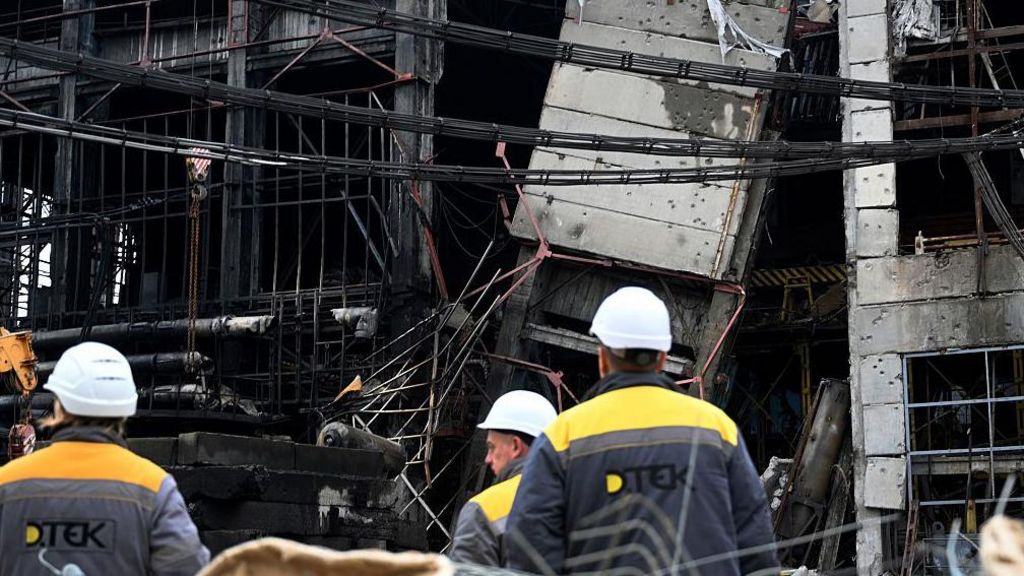
    Ukraine’s energy infrastructure faces a state of perpetual crisis as systematic Russian attacks cripple the national power grid, leaving millions in darkness during freezing winter conditions. DTEK, the country’s largest energy provider serving 5.6 million Ukrainians, struggles to maintain basic electricity delivery amid relentless assaults that target critical energy facilities with drones, cruise missiles, and ballistic weapons.

    The situation has become so severe that nationwide electricity rationing has been implemented, with most households receiving only a few hours of power daily. The southern city of Odesa experienced a three-day complete blackout this week following coordinated Russian strikes, exacerbating the humanitarian crisis as temperatures continue to drop.

    President Volodymyr Zelensky addressed the Dutch parliament, emphasizing that Russia has weaponized winter cold as a dangerous tactical advantage. ‘Every night Ukrainian parents hold their children in basements and shelters hoping our air defense will hold,’ he stated, highlighting the dire circumstances facing civilians.

    The energy crisis has spawned remarkable community resilience. In Odesa, resident Yana, who maintains limited power, has opened her home to neighbors needing to charge phones and access washing facilities. Across Ukraine, the constant hum of generators has become more prevalent than air raid sirens, with citizens relying on power banks as essential survival tools.

    Kyiv resident Tetiana describes the new daily routine: ‘The first thing I do in the morning is check my phone to find out the daily schedule for when my power will be switched on.’ Like many Ukrainians, she has invested in multiple power banks that must be constantly charged during brief electricity windows.

    Approximately 50% of Ukraine’s energy comes from three nuclear facilities in central and western regions, but the transmission network has sustained catastrophic damage. DTEK, operating about ten primarily coal-fired power stations, reports that some facilities are attacked every three to four days. CEO Maxim Timchenko acknowledges, ‘I don’t remember a single day when I had no reports about some damage to our grid.’

    The company faces monumental challenges in sourcing replacement parts, now requiring European-wide searches for equipment previously available domestically. Repair costs have skyrocketed to $166 million this year alone for damaged thermal plants and coal facilities. Despite these obstacles, Timchenko remains resolute: ‘We will not give up. We have a responsibility to millions of mothers to have power and heat.’

    The human cost continues to mount, with eight DTEK engineers killed while attempting to maintain power in the fiercely contested Donbas region, where employees ‘risk their lives daily’ to provide essential services.

  • Negotiations over US-UK tech deal stall

    Negotiations over US-UK tech deal stall

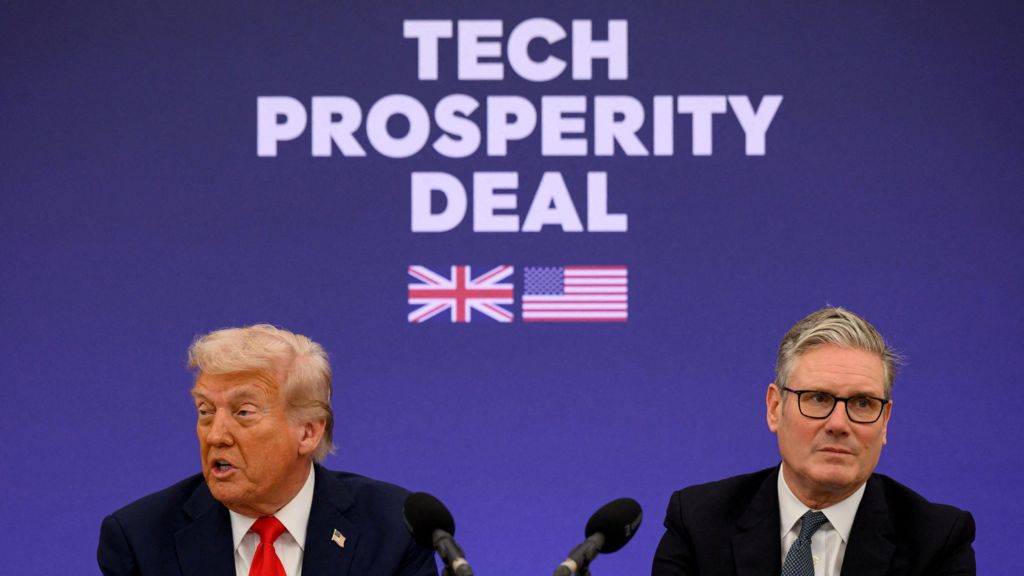
    The landmark Technology Prosperity Deal between the United States and United Kingdom has encountered significant obstacles, with negotiations stalling due to unresolved issues in broader trade discussions between the two nations. Initially hailed as “historic” during its announcement in September, the agreement promised enhanced cooperation in artificial intelligence, quantum computing, and advanced nuclear energy technologies.

    The current impasse stems primarily from American concerns regarding perceived trade barriers within the UK market. According to sources familiar with the negotiations, disagreements extend to digital regulation frameworks and food safety standards, creating complications for the technology-specific arrangement.

    A UK government spokesperson maintained that “our special relationship with the US remains strong,” emphasizing Britain’s commitment to ensuring the deal delivers opportunities for citizens in both countries. The government declined to comment on specific claims regarding negotiation difficulties.

    The Technology Prosperity Deal was formally documented through a Memorandum of Understanding (MOU) that outlined ambitious collaboration goals but specified that any proposals were non-binding. The MOU explicitly stated that implementation would only proceed alongside substantive progress in formalizing the wider US-UK Economic Prosperity Deal signed in May.

    Industry analysts note that the current stalemate reflects a broader pattern in US-UK trade relations. Allie Renison, director of SEC Newgate UK and former government trade adviser, characterized the approach as “slightly piecemeal,” with different negotiation areas affecting unrelated sectors.

    Despite the diplomatic hurdles, the approximately £31 billion in planned investments from tech giants including Microsoft, Nvidia, and Google are believed to remain unaffected. Nvidia CEO Jensen Huang previously expressed confidence in Britain’s potential to become an “AI superpower,” with pledged investments intended to scale up AI infrastructure including data centers across the UK.

    Observers suggest the negotiation challenges likely represent strategic positioning within broader trade discussions rather than a fundamental threat to technological cooperation between the two nations.