作者: admin

  • Trump announces ‘warrior dividend’ payments for troops

    Trump announces ‘warrior dividend’ payments for troops

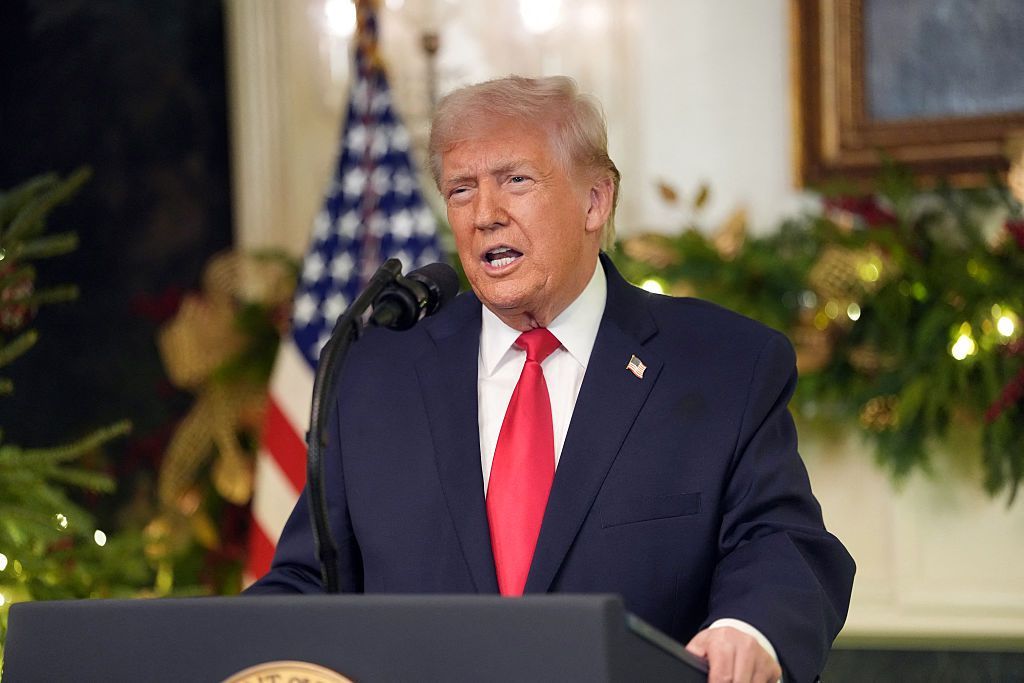
    President Donald Trump utilized a nationally televised address on Wednesday evening to announce a special $1,776 payment designated for 1.45 million U.S. service members, characterizing it as a “warrior dividend” honoring the nation’s 1776 founding. The substantial financial allocation, totaling $2.57 billion, will be partially financed through tariff revenues collected by the administration.

    During his 18-minute primetime presentation, Trump assured viewers that distribution was already underway with anticipated delivery before Christmas. The commander-in-chief framed this gesture as appropriate recognition for military personnel, asserting “nobody deserves it more than our military.” Additional funding originates from the “One Big, Beautiful Bill” legislation enacted last July 4th.

    The economic address extensively promoted administration achievements while assigning blame to Democratic predecessors for current financial challenges. Trump specifically referenced former President Joe Biden seven times during the speech, maintaining that under current leadership “they [prices] are all coming down and coming down fast” despite contradictory economic indicators.

    Recent inflation data reveals persistent consumer concerns, with September figures showing 3% inflation alongside declining consumer confidence metrics. Multiple polls indicate widespread public dissatisfaction regarding living expenses, particularly housing, childcare, and healthcare costs that remain elevated despite presidential claims of general price reduction.

    Political analysts note the timing coincides with concerning midterm election projections for Republicans, compounded by recent Democratic victories in Virginia, New Jersey, New York City, Miami and Georgia. The administration faces increasing pressure regarding economic perception, with approval ratings on economic issues dropping 15 points since March according to CBS News/YouGov polling.

    While acknowledging historical patterns where incumbent parties struggle during midterms, the president offered limited policy innovations during the address. Instead, he highlighted previously enacted tax reforms and pointed toward symbolic improvements during upcoming 250th anniversary celebrations of nation’s founding next year.
  • Israel approves natural gas deal with Egypt, Netanyahu says

    Israel approves natural gas deal with Egypt, Netanyahu says

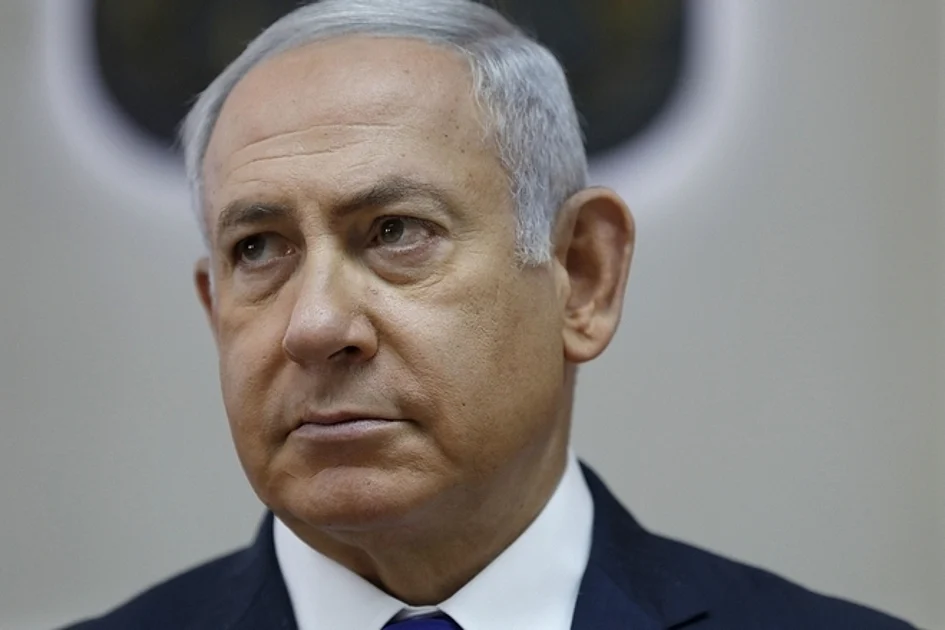
    Israeli Prime Minister Benjamin Netanyahu has formally approved a historic natural gas export agreement with Egypt, marking the largest energy deal in Israel’s history. The monumental arrangement, valued at 112 billion shekels ($34.67 billion), will facilitate substantial gas shipments from Israel’s Leviathan offshore field to address Egypt’s growing energy requirements.

    The agreement, finalized in August but delayed due to unresolved negotiation points, involves American energy giant Chevron Corporation alongside Israeli partners. Netanyahu emphasized the strategic importance of this partnership during a televised address, highlighting its potential to bolster regional stability through strengthened economic cooperation.

    Egypt’s energy landscape has undergone significant transformation since 2022, when declining domestic production forced the nation to abandon its aspirations as a regional energy hub. The country has increasingly relied on imported liquefied natural gas, spending billions to meet domestic demand. This agreement represents a strategic pivot toward Israeli resources to compensate for production shortfalls.

    The Leviathan field, located in the Mediterranean Sea, has emerged as a crucial energy asset for Israel since its discovery. This export arrangement not only solidifies Israel’s position as an emerging energy exporter but also creates an unprecedented economic partnership between the two nations despite their complex historical relations.

    Energy analysts suggest this agreement could reshape Eastern Mediterranean energy dynamics while providing Egypt with a stable, cost-effective alternative to more expensive spot market purchases. The deal is expected to undergo gradual implementation with careful monitoring of export volumes and pricing mechanisms.

  • US announces massive package of arms sales to Taiwan valued at more than $10 billion

    US announces massive package of arms sales to Taiwan valued at more than $10 billion

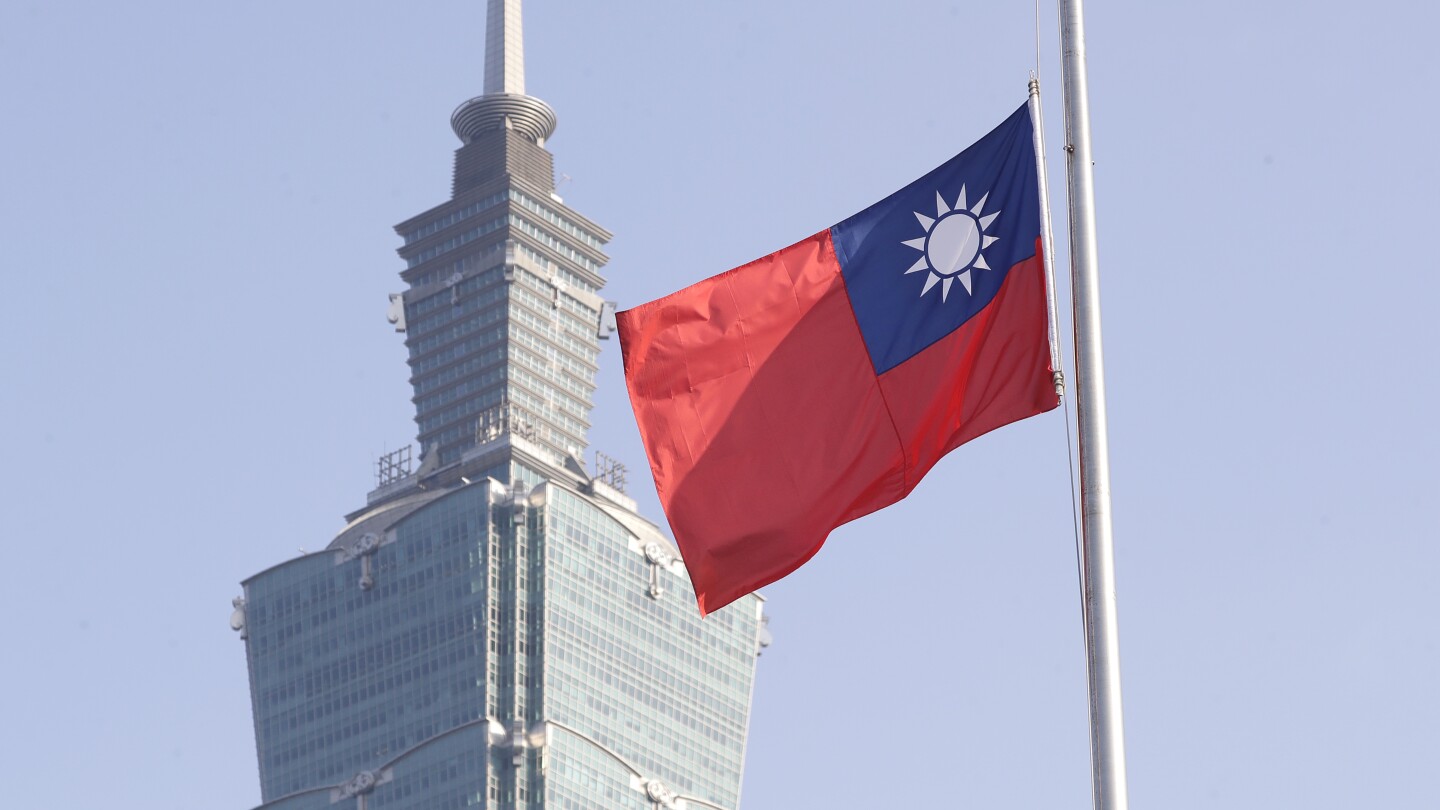
    The Trump administration has authorized a comprehensive $10 billion military assistance package for Taiwan, marking one of the most significant arms transfers to the self-governing island in recent history. The substantial defense package, announced by the State Department late Wednesday, includes sophisticated weaponry systems designed to enhance Taiwan’s defensive capabilities against potential threats.

    The extensive arms deal comprises 82 High Mobility Artillery Rocket Systems (HIMARS) alongside 420 Army Tactical Missile Systems (ATACMS), representing a combined value exceeding $4 billion. These advanced systems mirror the military equipment previously supplied to Ukraine during the Biden administration’s support efforts against Russian aggression. Additionally, the package incorporates 60 self-propelled howitzer artillery systems with associated equipment valued at over $4 billion, alongside reconnaissance and combat drones worth approximately $1 billion.

    Supplementary components include advanced military software systems priced at over $1 billion, Javelin and TOW anti-tank missiles totaling $700 million, helicopter spare parts amounting to $96 million, and Harpoon missile refurbishment kits valued at $91 million. The State Department emphasized that these transfers align with U.S. national security interests while supporting Taiwan’s ongoing military modernization initiatives.

    In official statements, department officials asserted that the proposed sales would contribute to regional stability by maintaining political equilibrium and supporting economic progress. The arms transfer occurs amidst escalating tensions between Washington and Beijing, particularly regarding Taiwan’s status. China maintains its longstanding position that Taiwan must reunify with the mainland, employing forceful rhetoric regarding potential reunification measures.

    The military assistance initiative follows Congressional legislation that the administration is expected to formally endorse shortly. China’s embassy in Washington previously condemned the defense authorization act, characterizing it as promoting a ‘China threat’ narrative and undermining bilateral relations. Beijing expressed strong opposition to what it perceives as interference in China’s sovereignty and security interests.

    Under established federal law, the United States maintains obligations to assist Taiwan with self-defense capabilities, though this commitment remains a persistent point of contention in Sino-American relations. The substantial arms package represents the latest development in the complex geopolitical dynamics involving the United States, China, and Taiwan.

  • Australian PM announces crackdown on hate speech after Bondi shooting

    Australian PM announces crackdown on hate speech after Bondi shooting

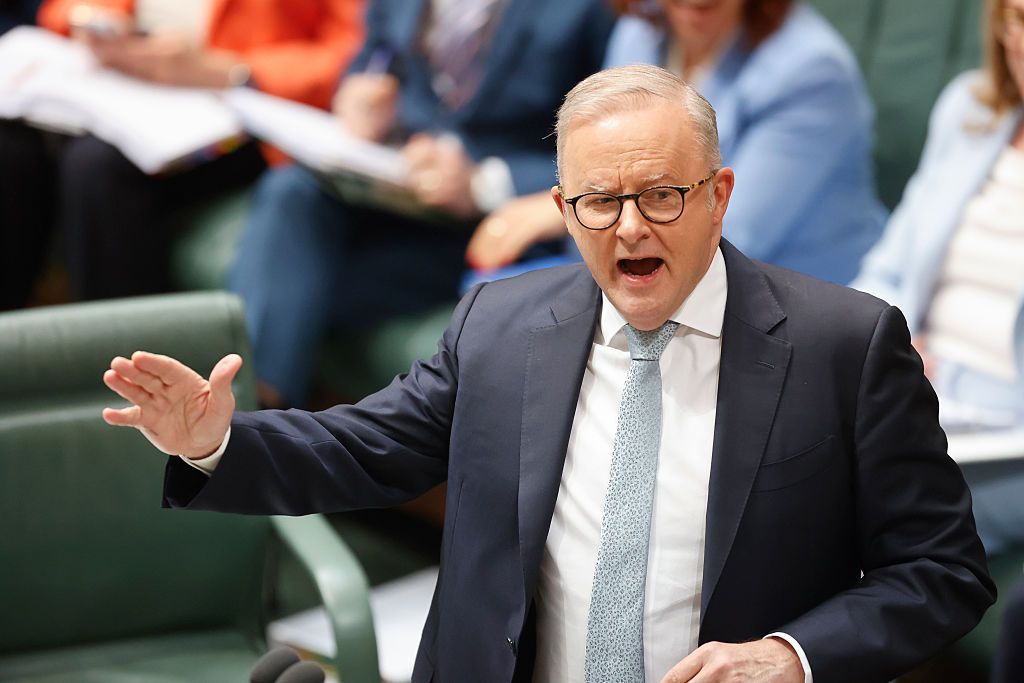
    In a decisive response to the Bondi Beach massacre that claimed 15 lives during a Hanukkah celebration, Australian Prime Minister Anthony Albanese has unveiled comprehensive legislation targeting hate speech and radicalization. The legislative package represents Australia’s most significant hardening of hate crime laws in decades, introducing multiple layers of legal consequences for perpetrators of religious-based violence and intimidation.

    The framework establishes a new federal offense categorized as ‘aggravated hate speech’ while empowering courts to treat ‘hate’ as an aggravating factor during sentencing for online threats and harassment. Religious leaders and preachers who promote violence will face specific penalties under the new provisions. The Home Affairs Minister will receive expanded authority to cancel or refuse visas for individuals engaged in hate dissemination, fundamentally altering Australia’s approach to handling foreign nationals who propagate division.

    A specialized taskforce will oversee educational reforms to combat antisemitism systemically, ensuring institutions implement robust prevention and response mechanisms. This initiative follows the government’s full endorsement of recommendations from Antisemitism Envoy Jillian Segal’s July report, which previously sparked free speech concerns due to its proposed monitoring of universities and arts organizations.

    Prime Minister Albanese acknowledged criticisms regarding his administration’s response to rising antisemitism since the October 7 Hamas attacks, stating: ‘I accept my responsibility as Prime Minister of Australia. What people seek during this period isn’t further division but national unity.’ Home Affairs Minister Tony Burke emphasized the legislation ‘shifts the threshold’ for acceptable speech, addressing individuals who ‘exploit principles of free speech to dehumanize others without explicitly crossing into violence.’

    The Bondi attackers, identified as ISIS-inspired radicals, attempted to fracture Australian social cohesion through targeted violence against Jewish citizens. Instead, according to Albanese, Australians have responded with ‘love and sympathy for those in mourning,’ reinforcing the nation’s commitment to multicultural values and religious safety.

  • Trump leaning on Pakistan to contribute troops to Gaza force: Report

    Trump leaning on Pakistan to contribute troops to Gaza force: Report

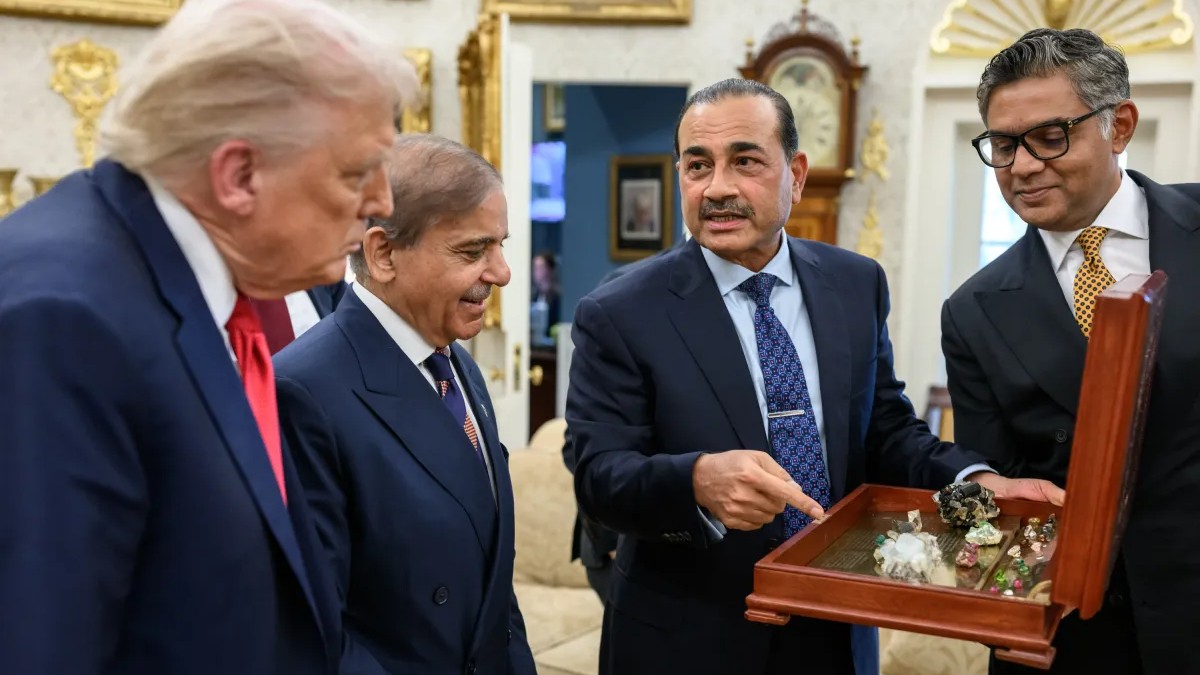
    The Trump administration is actively soliciting Pakistan’s military leadership to contribute troops to a proposed International Stabilization Force (ISF) for Gaza, according to a Reuters report. This development emerges as Pakistani Field Marshal Asim Munir prepares for an upcoming Washington visit, his third meeting with US officials since President Trump took office earlier this year.

    Munir, who attained Pakistan’s highest military rank in May following perceived successes in regional conflicts, now represents Islamabad’s most influential defense figure in decades. The proposed ISF constitutes a fundamental component of President Trump’s 20-point peace initiative aimed at resolving the Israel-Gaza conflict, though the concept faces significant operational and political challenges.

    Recent negotiations in Doha, Qatar, involving approximately 45 nations, concluded without concrete troop commitments. Key regional powers including Turkey and Israel were notably excluded from these discussions, while potential contributors like Azerbaijan have reportedly reconsidered their participation.

    Pakistan faces particular complications as a Muslim-majority nation maintaining no diplomatic relations with Israel. Foreign Minister Mohammad Ishaq Dar previously indicated potential openness to troop contribution while explicitly rejecting any mandate involving Hamas disarmament. This position reflects domestic political sensitivities, where public sentiment strongly favors Palestinian causes.

    Parallel diplomatic channels reveal Hamas has proposed freezing offensive operations for up to a decade and considering weapon decommissioning contingent on complete Israeli withdrawal from Gaza—a proposal neither Israel nor the US has formally addressed.

    Munir’s recent diplomatic tour across Muslim-majority nations including Indonesia, Malaysia, Saudi Arabia, and Egypt suggests coordinated efforts to build consensus around Gaza stabilization proposals. This engagement occurs against the backdrop of evolving Pakistan-US relations, which have undergone significant transformation following America’s withdrawal from Afghanistan.

    The bilateral relationship has recently yielded tangible benefits for Pakistan, including mineral resource agreements and substantial energy investment commitments. Pakistan’s participation in multilateral peace initiatives has additionally helped avoid punitive trade measures while elevating its international standing. However, potential ISF involvement presents both strategic opportunity and domestic political risk, potentially exposing Pakistani leadership to significant criticism while offering enhanced White House relations.

  • Lebanon likely to announce full disarmament of south ‘in coming weeks’

    Lebanon likely to announce full disarmament of south ‘in coming weeks’

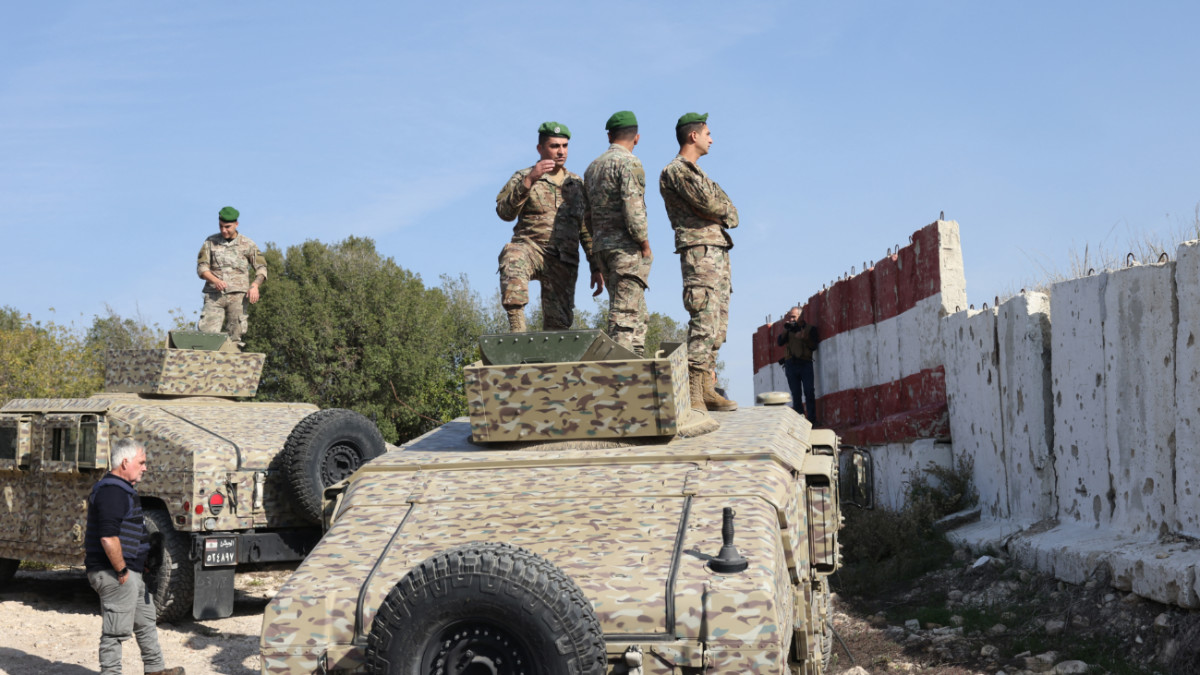
    Lebanon is poised to declare the complete disarmament of Hezbollah in its southern territories within weeks, marking a pivotal development in its security landscape. This announcement comes as the Lebanese Armed Forces (LAF) prepare to extend their disarmament operations to northern regions, targeting remaining weapon caches belonging to the group.

    The disarmament process south of the Litani River has progressed significantly under the framework of a 2024 ceasefire agreement with Israel. Ed Gabriel of the American Task Force on Lebanon confirmed these advancements following recent consultations with US and Arab officials, noting that military planning is now shifting toward northern operations.

    This potential declaration arrives during a period of profound transformation for Lebanon, recently characterized by a senior US official as a ‘failed state.’ The nation continues to engage in US-brokered direct talks with Israel while simultaneously enduring cross-border strikes from its southern neighbor.

    The disarmament process has unfolded against a complex geopolitical backdrop. Hezbollah’s military capabilities were substantially degraded following Israel’s invasion and targeted assassination of longtime leader Hassan Nasrallah, compounded by the collapse of the Assad government in Syria which severed critical Iranian supply lines.

    While Hezbollah maintains its right to bear arms against Israeli threats, the group has provided tacit consent to LAF operations in southern territories. However, significant arsenals remain in southern Beirut and the Bekaa Valley according to Western and Arab diplomatic sources.

    International verification remains crucial, with Lebanon previously expressing willingness to accept US or French troops to validate disarmament claims. This validation is particularly significant as Beirut seeks to unlock promised reconstruction funds from Gulf states, contingent upon demonstrated progress in weapons dismantlement.

    The political landscape has shifted notably, with US-favored leadership in Beirut and increasing tensions with Tehran reflected in Lebanon’s rejection of recent Iranian diplomatic overtures.

  • Unstable weather in UAE: Sharjah ready to deal with rainfall, authority says

    Unstable weather in UAE: Sharjah ready to deal with rainfall, authority says

    Sharjah City Municipality has activated full-scale emergency protocols as the United Arab Emirates braces for intensified rainfall and unstable weather patterns expected through December 19th, 2025. The authority has mobilized specialized response teams equipped with advanced machinery and a diversified vehicle fleet to address potential flooding and weather-related incidents.

    The comprehensive preparedness strategy forms part of operational plans designed to ensure public safety during extreme weather conditions. Municipal crews have conducted preemptive drainage cleaning operations to prevent water accumulation and implemented emergency measures to maintain infrastructure functionality.

    Meteorological reports indicate the UAE will experience heavy precipitation, thunderstorms, and potent winds reaching velocities of 60 km/h from southeastern to northwestern directions on Thursday, with turbulent conditions persisting through Friday. The weather system—a low-pressure area that has delivered substantial rainfall across the region throughout the past week—may cause reduced visibility and challenging travel conditions.

    The municipality’s proactive approach emphasizes community protection and individual safety as weather intensities increase. This response aligns with broader national preparations, including Dubai’s announcement of remote work arrangements for government employees on December 19th to minimize mobility during peak weather activity.

  • Unreliable data mask just how bad the air quality crisis is in India

    Unreliable data mask just how bad the air quality crisis is in India

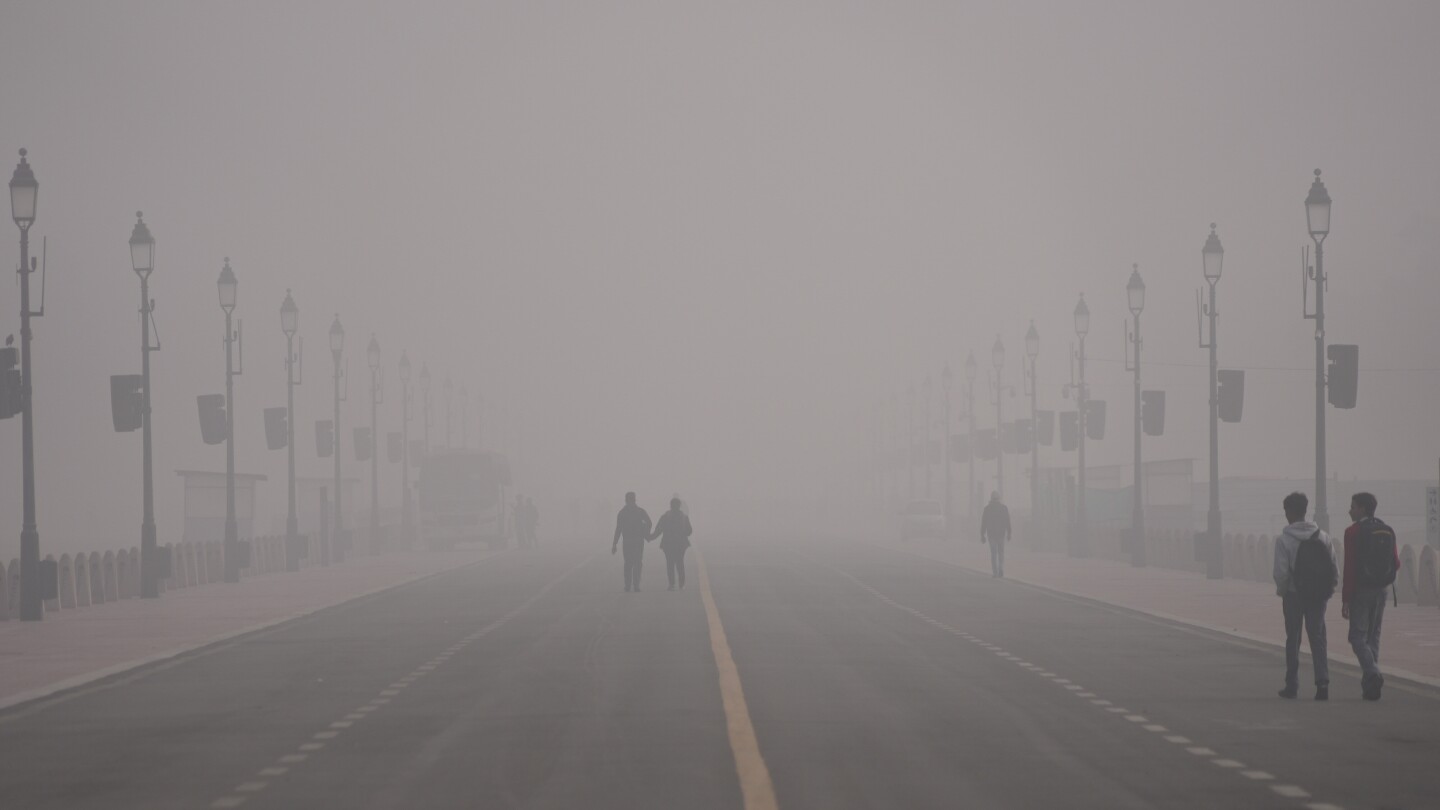
    New Delhi faces mounting public frustration as senior Indian officials make controversial statements about the capital’s severe air pollution crisis, with residents accusing policymakers of downplaying the environmental emergency.

    Environment Minister Bhupender Yadav recently told Parliament that New Delhi had experienced 200 days of good air quality this year—a claim immediately challenged by pollution experts and opposition leaders who noted the minister excluded the city’s worst pollution months from his calculation.

    The controversy intensified when Delhi Chief Minister Rekha Gupta compared the Air Quality Index to temperature readings, suggesting water spraying could effectively address pollution. Her remarks drew public ridicule, with crowds at subsequent events chanting AQI in protest of the city’s hazardous air conditions.

    Gupta had previously endorsed a controversial cloud seeding program despite lacking scientific evidence for its effectiveness, further eroding public confidence in governmental responses to the pollution crisis.

    Environmental analysts highlight that India employs less stringent air quality measurement standards than countries like the United States and the World Health Organization, resulting in moderate readings that often mask dangerously high pollution levels. This discrepancy undermines public trust while most residents remain unaware of pollution’s full health implications.

    Although India’s National Clean Air Program has allocated millions toward pollution reduction since 2019, with particular focus on dust control measures, critics note inadequate addressing of primary pollution sources including industrial emissions, vehicle exhaust, agricultural burning, and household fuel use. A 2024 Centre for Science and Environment report revealed that 64% of program funds targeted dust reduction, while less than 1% addressed industrial air pollution.

    The human cost remains staggering: a Lancet medical journal study linked long-term exposure to India’s polluted air with 1.5 million additional annual deaths. Despite this, junior health minister Prataprao Jadhav recently claimed no conclusive data establishes direct correlation between air pollution and mortality.

    Public health advocates note the absence of systematic mechanisms to count pollution-related deaths, while medical experts emphasize particularly severe impacts on vulnerable populations including pregnant women, elderly citizens, and children, with exposure linked to preterm births, miscarriages, and lifelong health consequences.

    Recent street protests in New Delhi signal growing public anger, with residents demanding immediate government action. Environmental activist Vimlendu Jha accused authorities of prioritizing image management over pollution control, noting that political leaders have normalized dangerously high pollution levels.

    As auto rickshaw driver Satish Sharma reported reducing work hours due to deteriorating health from pollution, he joined countless residents calling for genuine governmental action before more people abandon India’s increasingly unbreathable capital.

  • India-South Africa 4th T20 International abandoned due to fog

    India-South Africa 4th T20 International abandoned due to fog

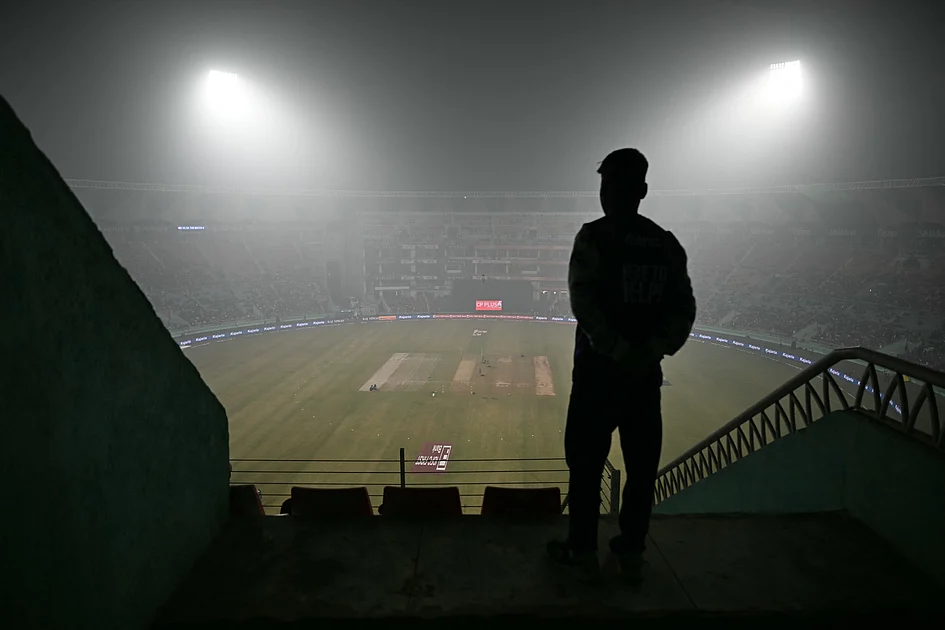
    The highly anticipated fourth T20 International between cricket powerhouses India and South Africa was officially abandoned Wednesday evening due to unsafe playing conditions caused by persistent dense fog in Lucknow. Despite multiple pitch inspections at Ekana Stadium, match officials determined that visibility remained insufficient for play to commence.

    The scheduled toss at 6:30 PM local time was repeatedly postponed as umpires conducted assessments amid deteriorating conditions. After three hours of evaluation, the match was formally called off at 9:30 PM, leaving disappointed spectators to exit the venue without witnessing any action.

    India, current T20 world champions, maintain their 2-1 series advantage heading into Friday’s decisive fifth match in Ahmedabad. This bilateral series serves as crucial preparation for both teams ahead of the 2026 T20 World Cup, jointly hosted by India and Sri Lanka commencing February 2026.

    Environmental concerns emerged as a subplot when Indian all-rounder Hardik Pandya was photographed wearing a protective mask, sparking online discussions about northern India’s pollution challenges. IQAir monitoring data revealed PM 2.5 microparticle levels reached 78 micrograms per cubic meter in parts of Lucknow—exceeding WHO safety recommendations by more than fivefold.

    This incident highlights a recurring pattern of atmospheric challenges in northern India during winter months, where temperature inversions trap pollutants from agricultural burning, industrial emissions, and vehicular exhaust. The abandonment underscores how environmental factors increasingly influence international sporting events in the region.

  • Pulitzer Prize-winning correspondent Peter Arnett, who reported from Vietnam and Gulf War, has died

    Pulitzer Prize-winning correspondent Peter Arnett, who reported from Vietnam and Gulf War, has died

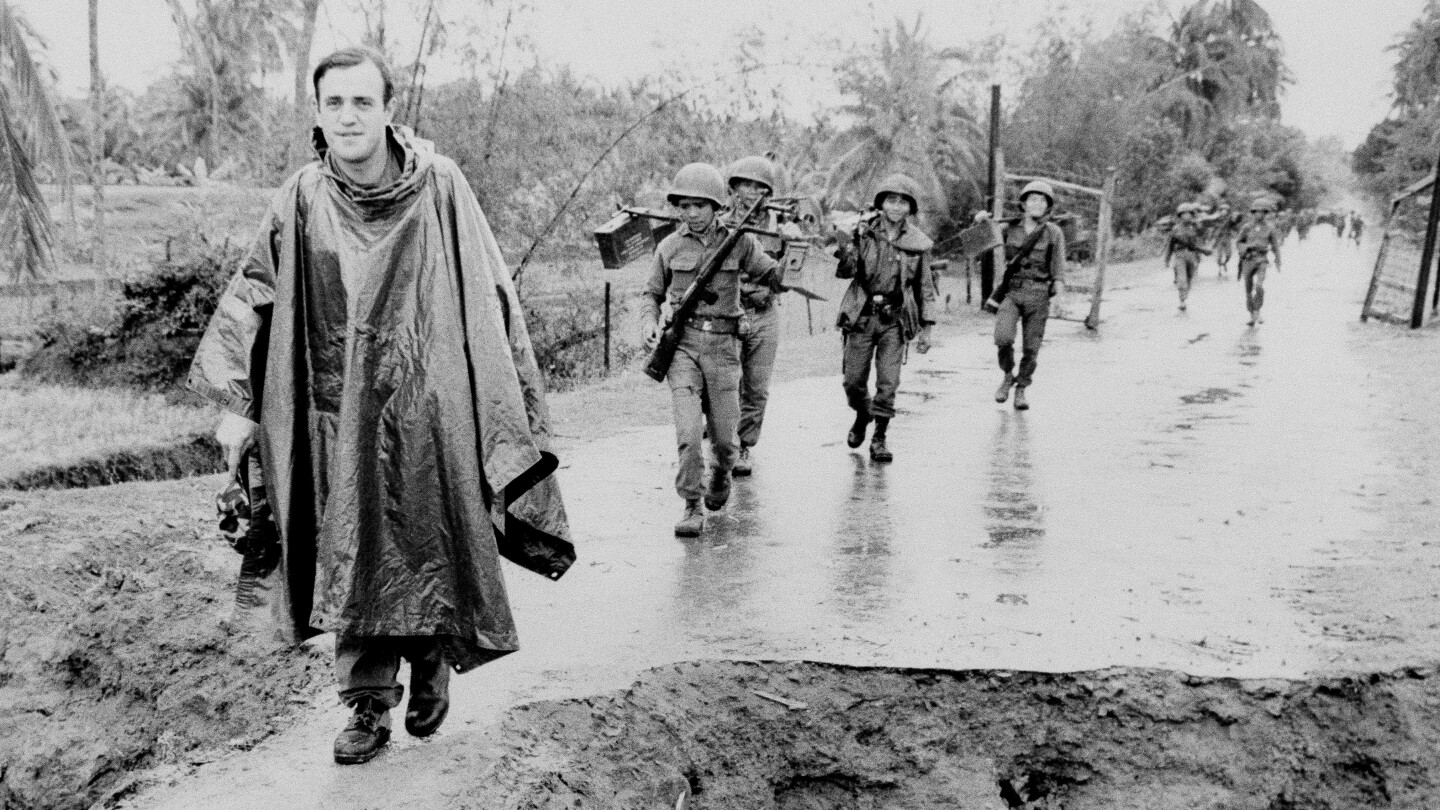
    Pioneering war correspondent Peter Arnett, whose fearless frontline reporting shaped global understanding of modern conflicts from Vietnam to Iraq, has passed away at age 91. The Pulitzer Prize-winning journalist died Wednesday in Newport Beach, California, surrounded by family and friends after recently entering hospice care for prostate cancer.

    Arnett’s extraordinary career spanned five decades of conflict journalism, earning him international recognition for his uncompromising battlefield coverage. He first gained prominence during the Vietnam War while reporting for The Associated Press, where his courageous reporting from the front lines earned him the 1966 Pulitzer Prize for International Reporting.

    The New Zealand-born correspondent achieved household recognition during the 1991 Gulf War when he delivered historic live broadcasts from Baghdad as Coalition missiles struck the Iraqi capital. While most Western journalists had evacuated, Arnett remained at his hotel, providing calm, real-time descriptions of the bombardment through cellular phone connections to CNN’s global audience.

    His proximity to danger became legendary. During Vietnam combat operations in 1966, Arnett narrowly escaped death when a North Vietnamese sniper’s bullets tore through a map held by a battalion commander standing inches from him. These experiences informed his survival philosophy, learning never to stand near medics or radio operators who represented prime enemy targets.

    Beyond Vietnam and Iraq, Arnett secured exclusive interviews with both Saddam Hussein and Osama bin Laden while maintaining controversial relationships with various conflict parties. His 1995 memoir, ‘Live From the Battlefield,’ documented his 35 years reporting from global war zones.

    Despite professional controversies that included dismissals from major networks, Arnett’s commitment to frontline journalism never wavered. Following his retirement from active reporting in 2014, he settled in Southern California with his wife Nina Nguyen after teaching journalism at China’s Shantou University.

    Arnett’s legacy extends beyond his groundbreaking reporting to the preservation of historical records. Defying orders to destroy documents during Saigon’s fall in 1975, he preserved the Associated Press bureau’s papers, which now reside in the organization’s official archives.