作者: admin

  • Africa calls for fairer global governance

    Africa calls for fairer global governance

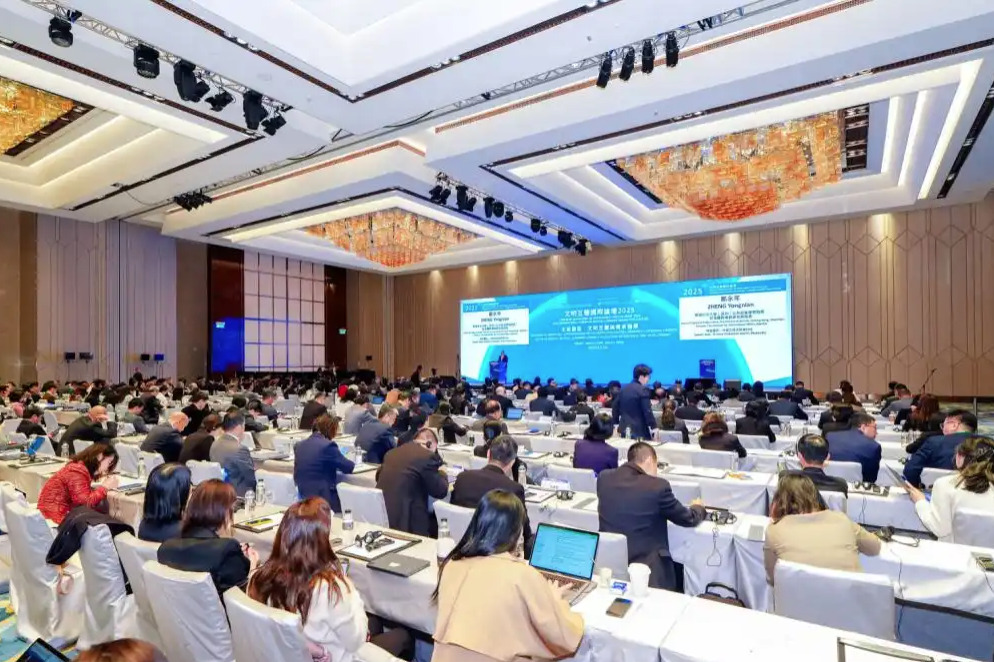
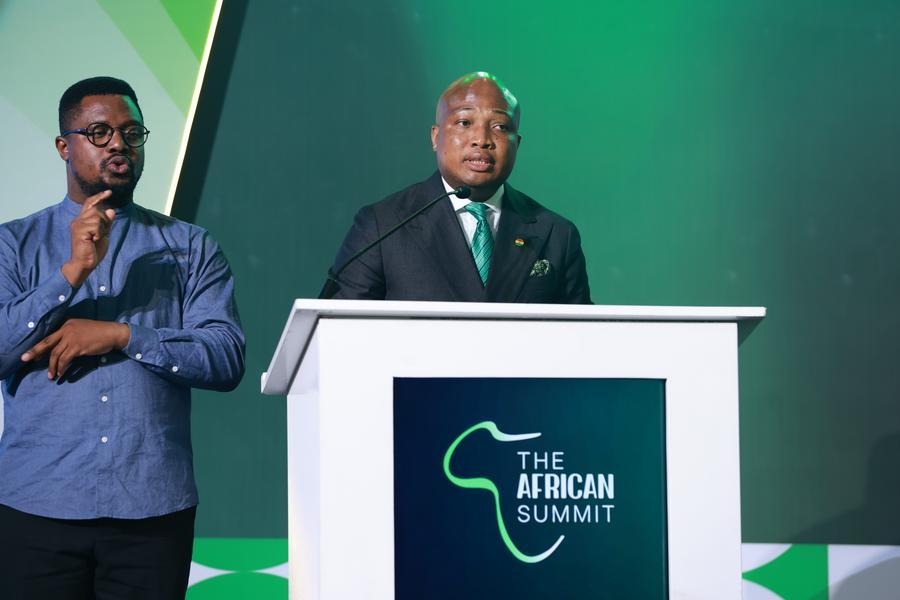
    ACCRA – African leaders convened for the inaugural African Summit in Ghana’s capital, delivering a powerful message to the international community: the continent demands fundamental reforms to global governance structures. Under the theme “Building a New United Africa,” policymakers and stakeholders gathered to forge consensus on achieving greater integration and strategic autonomy.

    Ghana’s Foreign Minister Samuel Okudzeto Ablakwa set the tone, highlighting Africa’s persistent challenges including fragmentation, weak intra-African trade, infrastructure deficits, and excessive dependence on external markets. “The global environment within which Africa must pursue its integration agenda is undergoing rapid, profound transformation,” Ablakwa declared, emphasizing Africa’s transition from passive observer to active shaper of global outcomes.

    The summit occurred against a backdrop of significant geopolitical shifts. November’s G20 Leaders’ Summit in Johannesburg marked a watershed moment as African nations, alongside Global South partners, successfully steered discussions toward development priorities despite U.S. opposition. The adopted declaration emphasized multilateral cooperation and stronger support for developing economies.

    Economic indicators signal Africa’s rising prominence. The IMF projects sub-Saharan Africa’s growth will outpace the global average at 4.1% in 2025. The African Continental Free Trade Area (AfCFTA) demonstrates substantial progress, with 47 nations ratifying the agreement. World Bank estimates suggest AfCFTA could generate $450 billion in additional economic output by 2035, lifting 30 million from extreme poverty.

    However, security challenges persist. Recent coups in Guinea-Bissau and Benin, alongside renewed conflict in the Democratic Republic of Congo displacing over 500,000 people, prompted West African authorities to declare a regional “state of emergency.” Analysts attribute these instability patterns to colonial legacies, terrorism, and economic development gaps.

    External economic pressures compound these challenges. U.S. tariff impositions on Lesotho and South Africa triggered dramatic export declines, with Lesotho losing nearly 80% of textile orders and South African auto exports plummeting 85% in May.

    Infrastructure development emerges as a cornerstone solution. The recent launch of Guinea’s Simandou iron ore project to China and the Tanzania-Zambia Railway rehabilitation project demonstrate advancing regional connectivity. Zambia’s Transport Minister Frank Tayali noted these initiatives support visions of becoming “a land-linked nation and logistics hub.

    As the 70th anniversary of China-Africa diplomatic relations approaches in 2026, partnerships continue deepening. Kenyan economist James Shikwati observed that “China’s pragmatic, inclusive approach offers viable alternatives to traditional Western models” for Global South development.

    African Union Director of Information Leslie Richer captured the summit’s consensus: “The Global South must not speak in fragments. Our strength lies in unity” to shape global decision-making.

  • US military says it hit a vessel in Eastern Pacific, killing 4

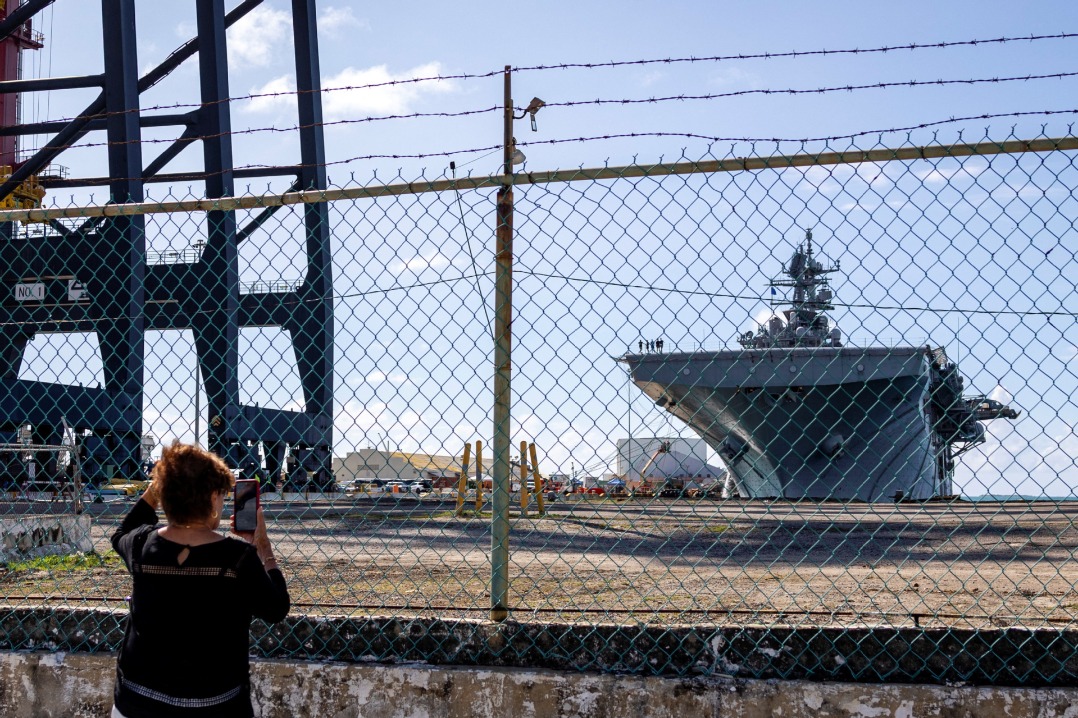
    US military says it hit a vessel in Eastern Pacific, killing 4

    The United States military has confirmed conducting a targeted operation in the Eastern Pacific Ocean that resulted in the destruction of a maritime vessel and four casualties. The incident occurred on December 18, 2025, though precise coordinates and additional operational details remain classified.

    According to military officials, the engagement was conducted under specific rules of engagement following intelligence assessments. The nature of the vessel and the identities of those aboard have not been officially disclosed, pending notification of next of kin and further investigation.

    The Eastern Pacific region has seen increased naval activity in recent months due to various security concerns. Pentagon representatives emphasized that the action was taken in accordance with international maritime law and represented a necessary response to a perceived threat. An internal review of the operation has been initiated to evaluate both the intelligence leading to the strike and its execution.

    Regional authorities and international maritime organizations have been notified of the incident. The operation has drawn attention to the complex security challenges present in international waters and raises questions about the protocols governing military engagements in such environments.

  • Somalia marks 65th anniversary of diplomatic relations with China

    Somalia marks 65th anniversary of diplomatic relations with China

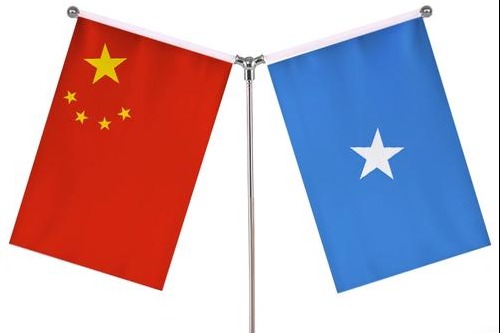
    Somalia and China have commemorated 65 years of established diplomatic relations, reaffirming their commitment to enhanced cooperation and shared developmental objectives. The milestone event, held in Mogadishu, brought together high-ranking officials from both nations to celebrate this enduring international partnership.

    Somali Prime Minister Hamza Abdi Barre addressed attendees by highlighting the historical significance of this bilateral relationship, characterizing it as “a testament to enduring friendship between our two peoples.” He emphasized that this friendship has been fundamentally built upon mutual respect for national sovereignty and shared understanding across decades of regional and global transformations.

    Since initially establishing diplomatic ties on December 14, 1960, China has consistently emerged as a trusted partner to Somalia. This partnership has notably respected Somalia’s political independence while supporting its national priorities and belief in the country’s future potential. The cooperative relationship has yielded practical impacts across multiple sectors including critical infrastructure development, healthcare system strengthening, educational advancement, public service capacity building, and humanitarian response during crises.

    Chinese Ambassador to Somalia Wang Yu recalled the historical context of the relationship’s formation, noting that China was among the first nations to recognize Somalia’s independence. Somalia similarly distinguished itself as the first East African nation to establish formal diplomatic relations with China. Ambassador Wang acknowledged Somalia’s consistent adherence to the One-China principle while reaffirming China’s unwavering support for Somalia’s national sovereignty, territorial integrity, and unity.

    The diplomatic celebration underscored how the China-Somalia relationship has evolved into a model of South-South cooperation, demonstrating how mutually beneficial partnerships can foster common development between nations.

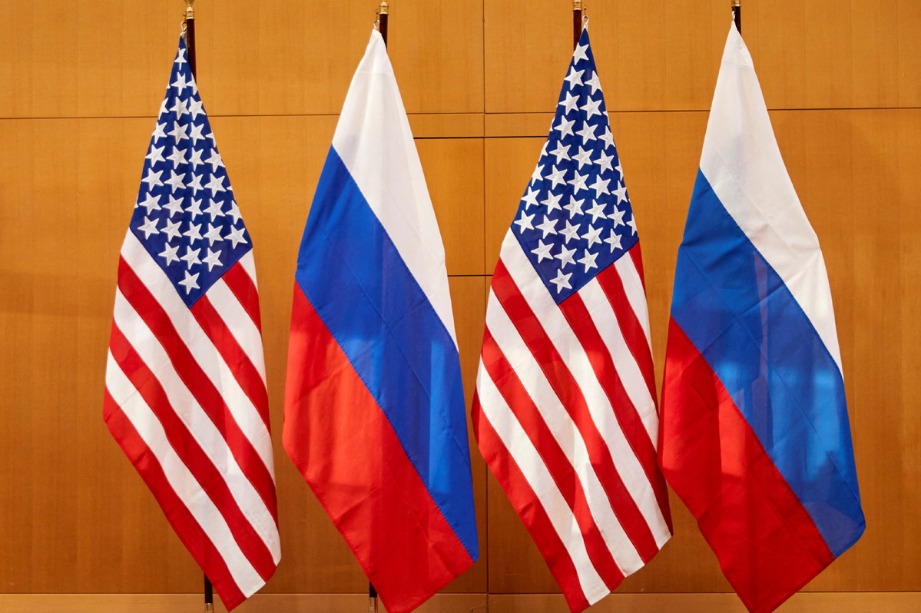
  • US, Russian negotiators to meet in Miami over peace deal to end Ukraine crisis: media

    US, Russian negotiators to meet in Miami over peace deal to end Ukraine crisis: media

    High-level diplomatic negotiations between United States and Russian officials are scheduled to occur in Miami, Florida this weekend, signaling potential progress toward resolving the prolonged Ukraine conflict that has persisted for nearly four years, according to Politico reports.

    The anticipated meeting, while still subject to scheduling confirmation, would feature Trump administration officials presenting recent developments from trilateral discussions involving American, Ukrainian, and European representatives held in Berlin last weekend. Two informed sources indicated the Miami talks would build upon these preliminary negotiations.

    The American delegation is expected to include President Donald Trump’s special envoy Steve Witkoff and senior advisor Jared Kushner, while the Russian contingent would likely feature President Vladimir Putin’s special envoy Kirill Dmitriev. In a parallel diplomatic movement, Ukrainian National Security Adviser Rustem Umerov is arranged to conduct separate consultations with the US delegation either in Miami or an alternative American location during the same timeframe.

    Administration officials revealed that the Berlin negotiations produced substantial progress, with participants reaching consensus or significantly narrowing differences on approximately 90% of the twenty-point American draft peace proposal. This development suggests unprecedented alignment among the involved parties.

    In a notable concession, Ukrainian President Volodymyr Zelensky has indicated willingness to suspend NATO membership aspirations in exchange for Western security guarantees that would prevent renewed hostilities with Russia. Kyiv seeks protections equivalent to those afforded under NATO’s Article 5 collective defense clause, though the United States has not yet committed to such arrangements. According to Ukrinform news agency, Zelensky expressed readiness to accept Article 5-equivalent security guarantees as part of a comprehensive peace compromise.

  • 63 pct of US voters oppose US military action inside Venezuela: poll

    63 pct of US voters oppose US military action inside Venezuela: poll

    A comprehensive national survey conducted by Quinnipiac University has uncovered significant public opposition to U.S. military engagement in Venezuela, with nearly two-thirds of American voters expressing disapproval of such operations. The poll, conducted from December 11-15 among 1,035 registered voters nationwide, reveals a stark political divide on the controversial military stance.

    The findings indicate that 63% of respondents oppose military action within Venezuelan territory, while only 25% support such measures. The opposition cuts across party lines but demonstrates dramatic partisan variations: 89% of Democrats, 68% of independents, and 33% of Republicans stand against military intervention in the oil-rich South American nation.

    This public sentiment emerges amid escalating U.S. military activities in the Caribbean region, where American forces have maintained a substantial presence off Venezuela’s coast for nearly four months. The Pentagon has justified this deployment as part of counter-narcotics operations, conducting strikes on alleged drug vessels that have resulted in at least 95 fatalities in international waters since September.

    The poll further revealed that 53% of Americans disapprove of these maritime strikes, reflecting growing public skepticism about the administration’s approach. Critics, including bipartisan lawmakers, have questioned both the legality of these operations and whether drug enforcement genuinely represents the sole motivation behind the military buildup.

    The Trump administration has simultaneously intensified economic pressure on Caracas, with the president announcing a complete blockade of all sanctioned oil tankers entering or leaving Venezuelan waters this week. Despite these measures, the president has repeatedly suggested that land-based military operations targeting Caribbean drug traffickers could commence “very soon”—a prospect that appears to lack broad public support according to the survey results.

    The Quinnipiac poll carries a margin of error of approximately 3.9 percentage points, providing a statistically significant snapshot of American public opinion as tensions with Venezuela continue to escalate.

  • US Senate passes 901 bln USD defense authorization bill for fiscal 2026

    US Senate passes 901 bln USD defense authorization bill for fiscal 2026

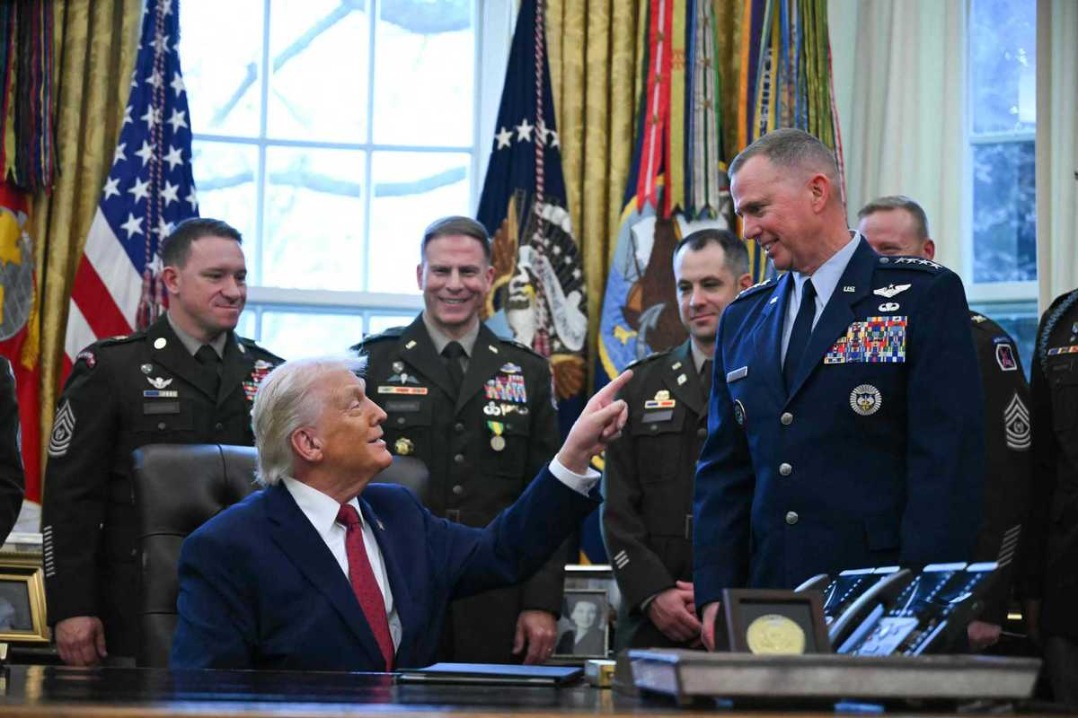
    In a decisive bipartisan move, the US Senate has ratified a comprehensive $901 billion defense authorization package for Fiscal Year 2026, setting the stage for President Donald Trump’s anticipated endorsement. The legislative measure, formally designated as the National Defense Authorization Act (NDAA), cleared the upper chamber with an overwhelming 77-20 vote margin on Wednesday.

    Senator Roger Wicker, presiding over the Senate Armed Services Committee, emphasized the historical significance of this congressional achievement. “This marks the 65th consecutive year that Congress has transcended partisan divides to deliver a robust national defense enhancement package to the president’s desk,” Wicker declared prior to the vote.

    The voluminous 3,000-page legislation incorporates multifaceted provisions including a 4% salary augmentation for military personnel, structural reforms to accelerate Pentagon weapons procurement, and substantial allocations for advancing the Golden Dome missile defense initiative. The bill mandates $400 million in annual military assistance for Ukraine over a two-year timeframe while imposing restrictions on troop reductions in Europe and South Korea without prior consultation with allied nations.

    Notable budgetary authorizations encompass $26 billion for naval vessel construction, $38 billion for aerial fleet modernization, and $25 billion dedicated to munitions manufacturing expansion. The legislation further implements significant policy shifts by eliminating Diversity, Equity and Inclusion (DEI) offices within the Defense Department, reducing climate-related expenditures by $1.6 billion, and permanently rescinding economic sanctions against Syria.

    A particularly contentious stipulation withholds 25% of Defense Secretary Pete Hegseth’s travel allocation until Congress receives unedited footage of US airstrikes targeting suspected drug trafficking vessels near Venezuela. This follows Hegseth’s recent confirmation that only designated congressional committees would review complete footage of the controversial September 2nd Caribbean operation, which resulted in casualties during a secondary strike.

    Despite broad bipartisan support, the legislation faced criticism from progressive lawmakers regarding the removal of expanded in-vitro fertilization coverage for active duty personnel, while conservative factions expressed dissatisfaction over perceived limitations in scaling back international military commitments. The White House has indicated President Trump will formally enact the legislation within coming days.

  • Modest but steady economic growth lets Europe get by without an interest rate cut

    Modest but steady economic growth lets Europe get by without an interest rate cut

    FRANKFURT, Germany — The European Central Bank (ECB) maintained its benchmark interest rates for the fourth consecutive meeting on Thursday, signaling confidence in current monetary policy amid emerging signs of economic stabilization across the eurozone.

    ECB President Christine Lagarde reiterated that policy remains ‘in a good place’ with the key deposit rate holding at 2%, reflecting the governing council’s assessment that the economy requires no additional stimulus through rate cuts. This stance comes despite previous market expectations for more accommodative measures.

    Recent economic indicators support the ECB’s cautious optimism. S&P Global’s purchasing managers’ surveys, while showing a slight December dip, continue to indicate expanding business activity as 2023 concludes. Capital Economics analyst Adrian Prettejohn projects sustained quarterly growth of approximately 0.3% for the euro area’s twenty nations.

    The economic landscape has improved notably since summer trade tensions with the United States, which culminated in a 15% tariff on European goods imposed by the Trump administration. While challenging for exporters, the resolution provided greater certainty than initially feared, removing the threat of even higher tariffs and enabling businesses to make more confident investment decisions.

    Economist Lorenzo Codogno observed that ‘the haze of economic uncertainty has somewhat lifted, particularly regarding trade,’ giving ECB policymakers increased confidence in their current positioning.

    Inflation dynamics further justify the ECB’s steady approach. While November’s headline inflation rate of 2.1% nears the bank’s target—partly due to declining energy prices—services sector inflation remains elevated at 3.5%, encompassing everything from hospitality and entertainment to healthcare services.

    The ECB’s rate decisions significantly influence borrowing costs throughout the economy, affecting consumer purchases and business investments. By maintaining current rates, the bank continues its balancing act between supporting growth and containing persistent inflationary pressures in key economic sectors.

  • Govt funding eases access to healthcare

    Govt funding eases access to healthcare

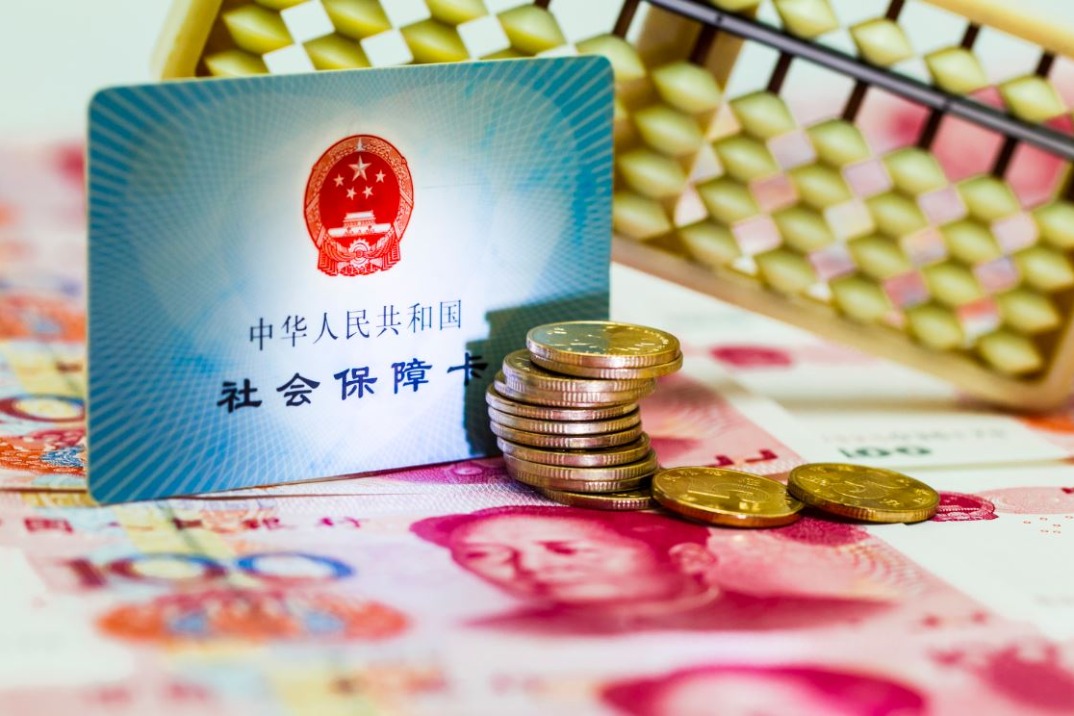
    China has fundamentally transformed its healthcare accessibility through a massive 3 trillion yuan ($425.8 billion) investment program initiated since 2018, creating one of the world’s most comprehensive medical security systems. According to the National Healthcare Security Administration’s Wednesday announcement, this unprecedented funding has facilitated over 18 billion medical expense reimbursements across the nation.

    The substantial financial commitment has primarily bolstered the basic medical insurance scheme for urban and rural residents, with 2.87 trillion yuan allocated to ensure widespread coverage. The current per capita funding standard reaches 1,100 yuan annually, with government subsidies covering approximately 64% (700 yuan) of the total cost, significantly reducing out-of-pocket expenses for individuals.

    A critical component of this healthcare transformation involves the 237.5 billion yuan directed toward medical assistance for vulnerable populations. In 2024 alone, this support enabled nearly 80 million economically disadvantaged citizens to obtain basic medical insurance coverage while providing approximately 200 million instances of medical aid for both outpatient and inpatient services.

    The administration reported remarkable success in safeguarding low-income groups, maintaining insurance participation rates above 99% among formerly impoverished rural residents. The system achieves exceptional financial protection, with reimbursement rates exceeding 90% for policy-covered medical expenses within this demographic.

    Technological advancement has been central to this healthcare evolution. Since 2019, 27.6 billion yuan has established a unified national healthcare security information platform that serves over 1.2 billion people through digital access codes. This sophisticated system processes an average of 28 million settlement transactions daily with remarkable efficiency, delivering inpatient expense settlements in just 0.8 seconds.

    The digital transformation has made over 90% of frequently used healthcare security procedures available online, while physical accessibility has similarly improved with more than 90% of townships and subdistricts offering localized healthcare insurance services.

    Cross-province medical expense settlements have witnessed extraordinary growth, expanding 110-fold since 2019, with the network of designated healthcare institutions capable of processing such claims tripling from 27,600 to 80,000 facilities.

    Looking forward, the administration has already pre-allocated 416.6 billion yuan in collaboration with the Ministry of Finance for 2026 healthcare security subsidies and capacity-building programs, ensuring the system’s continued development and sustainability.

  • Intl Macao meet urges sustained dialogue

    Intl Macao meet urges sustained dialogue

    In a powerful response to escalating global divisions, Macao has positioned itself as a beacon for international cooperation with the unveiling of the groundbreaking “Macao Initiative” during the inaugural International Forum on Mutual Learning among Civilizations. The two-day gathering, held from December 17-18, 2025, brought together distinguished scholars and professionals from diverse regions including North Africa, Latin America, Southeast Asia, and Europe to address pressing global challenges through sustained intercultural dialogue.

    The forum, presented by the Macao Special Administrative Region government and organized by its Cultural Affairs Bureau with support from the Chinese Academy of History, produced a consensus that cultural diversity represents humanity’s greatest strength rather than a source of conflict. Participants emphasized that ongoing communication serves as the essential antidote to misunderstanding, exclusion, and societal fragmentation.

    Leong Wai-man, President of the Macao SAR Cultural Affairs Bureau, formally introduced the initiative during the closing ceremony, outlining five strategic directions: enhancing global civilizational dialogue, promoting openness-driven exchange, strengthening heritage preservation, engaging youth through digital innovation, and establishing platforms to advance China’s Global Civilization Initiative. “The essence of civilizational dialogue lies in acknowledging differences while seeking common ground, not enforcing uniformity,” Leong stated. “Macao’s mission is to ensure this vital dialogue continues indefinitely.

    International experts provided compelling testimony supporting this approach. Elhaj Ahmed Khaled, Assistant Professor of Chinese Language and Literature at Tunisia’s University of Carthage, noted the alignment between China’s philosophy of “harmony without uniformity” and Tunisia’s cultural traditions. While celebrating four decades of Chinese language education in Tunisia and growing interest among youth, Khaled cautioned about persistent Western media influence in Arab and African regions, where political agendas often promote distorted narratives of civilizational clash.

    From Argentina, Professor Veronica Noelia Flores of the National Scientific and Technical Research Council emphasized culture’s role in rebuilding social cohesion and community values. “Such spaces must enable people to imagine alternative worlds and futures that respect cultural diversity and intercultural dialogue,” she observed.

    Practical success stories emerged from Indonesia, where Ruddy Erieyanto, a tourism and cultural heritage activist from Semarang, demonstrated how cultural preservation drives economic viability. The city’s transformation of its historic Chinatown into a vibrant cultural hub shows how heritage can coexist with urban development.

    Looking toward future conservation efforts, Canada’s Professor Mario Santana Quintero, co-UNESCO Chair on Digital Twins for World Heritage Conservation, highlighted the importance of balanced technological application. While digital tools offer unprecedented conservation possibilities, he advocated for low-capital, high-impact models that avoid creating new inequalities while protecting civilizational diversity.

    The Macao Initiative emerges as a timely framework for international cooperation, advocating for sustained dialogue as the foundation for global understanding and peace.

  • Taiwan enterprises enthused by mainland’s development

    Taiwan enterprises enthused by mainland’s development

    NANJING—Business leaders from across the Taiwan Strait gathered at the 2025 Cross-Strait CEO Summit this week, expressing robust confidence in mainland China’s economic future and committing to deepened industrial integration. Held in Nanjing, Jiangsu province, the annual conference served as a platform for entrepreneurs to align strategies with China’s forthcoming 15th Five-Year Plan (2026-2030).

    Guo Jinlong, the mainland chairman of the summit, outlined how the next development blueprint emphasizes high-quality growth, comprehensive reform, and expanded openness. “A complete industrial chain will strengthen our foundation, while our vast market unleashes tremendous momentum,” Guo stated. He emphasized resilience against external challenges, urging collaborative effort: “The higher the waves, the more we need to work together in the same boat.”

    Zhu Fenglian, spokeswoman for the State Council Taiwan Affairs Office, noted that discussions centered on how Taiwanese firms can integrate into China’s new development paradigm and participate in high-quality advancement. Attendees from Taiwan reportedly voiced strong belief in the mainland’s direction and pledged to sustain active economic engagement.

    Testimonials from Taiwanese executives highlighted tangible benefits. Wah Chin, vice-president of Suyin KGI Consumer Finance, credited summit support for helping secure a consumer finance license between 2017 and 2019. “The mainland market has vast prospects,” he said, revealing that investment had already tripled and would continue growing. He called for further openness in cross-strait financial cooperation.

    Poon Chung-kwong, chairman of Nanjing Lumicore Technology, urged young Taiwanese entrepreneurs to explore opportunities on the mainland, contrasting its dynamic environment with what he described as Taiwan’s “stagnant market.” His company has leveraged Taiwan’s hardware prowess alongside mainland algorithms to develop world-leading silicon-based OLED displays—a success he attributed to strait-spanning synergy.

    Lei Hong-yi of the Council for Industrial and Commercial Development voiced a simple hope: “Less argument, fewer disputes, more money for everyone.”

    Since its inception in Nanjing, the summit has catalyzed over 50 large-scale economic, cultural, and youth exchanges across 15 regions in the past year alone.