作者: admin

  • Thailand bombs near Cambodia’s Poipet border crossing

    Thailand bombs near Cambodia’s Poipet border crossing

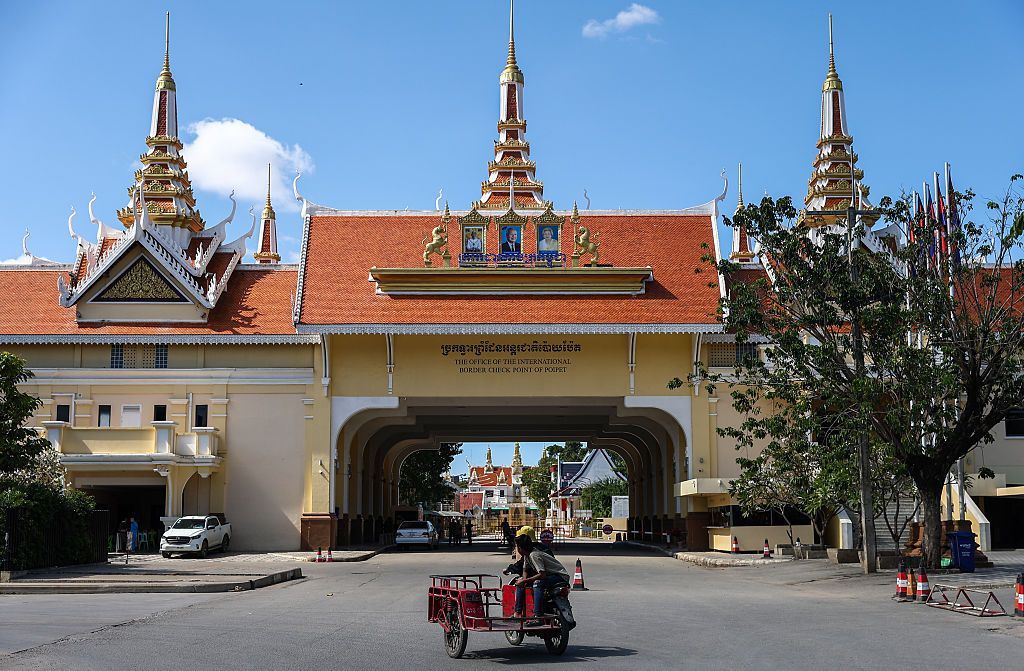
    Thai military forces have conducted an airstrike on what they describe as a logistical facility near Poipet, Cambodia’s prominent casino district and primary land border crossing with Thailand. The operation marks the first aerial bombardment of this strategically significant zone since border hostilities resumed.

    According to Cambodian defense officials, Thai aircraft deployed two explosives in the Poipet municipal area approximately at 11:00 AM local time (0400 GMT) on Thursday. Thailand’s Air Force spokesperson Air Marshal Jackkrit Thammavichai subsequently confirmed the offensive, characterizing the target as a storage depot for BM-21 rocket systems. He emphasized that the precision strike avoided civilian casualties.

    The BM-21 rocket systems referenced are multiple launch weapons typically deployed in salvos from armored vehicles. This military action occurs amidst intensifying border conflicts that have reportedly claimed 21 lives in Thailand and 17 in Cambodia this month alone, while displacing approximately 800,000 people according to official estimates.

    The border region has witnessed mounting tensions since July 24th, when Cambodian rocket attacks into Thailand triggered retaliatory airstrikes and five days of intense combat. Although a ceasefire brokered by Malaysian Prime Minister Anwar Ibrahim and former US President Donald Trump temporarily halted hostilities, fighting resumed last week with both nations accusing the other of violating the peace agreement.

    Compounding the humanitarian crisis, Cambodia has sealed land border crossings, stranding an estimated 5,000-6,000 Thai nationals in Poipet. Cambodian authorities have characterized the border closure as a “necessary measure” to protect civilians while noting that air travel remains available for evacuation purposes.

    The conflict represents the latest escalation in a century-old territorial dispute between the Southeast Asian neighbors. Recent days have seen additional allegations from Cambodia claiming Thai forces bombed Siem Reap province, home to the iconic Angkor temple complex and Cambodia’s premier tourist destination.

  • Dubai real estate evolution: Building for a changing future

    Dubai real estate evolution: Building for a changing future

    Dubai’s property sector represents one of the world’s most dynamic and rapidly evolving markets, continuously transformed by visionary policies, technological innovation, and strategic national planning. Manuel Gallo, Associate Director at AQUA Properties, has built his career on interpreting these changes since his first encounter with the emirate in 2005.

    Gallo’s entrepreneurial journey began when he witnessed Dubai’s extraordinary transformation, recognizing that iconic projects like the Burj Khalifa symbolized much more than architectural achievements—they represented the nation’s future trajectory. This perspective has shaped his business philosophy: anticipating trends, adapting swiftly, and aligning with the UAE’s long-term vision.

    The UAE’s business environment, characterized by transformative policies such as freehold ownership and 100% foreign business ownership, has fundamentally influenced Gallo’s approach. He describes these measures not merely as regulatory changes but as intentional signals of the nation’s direction. This has cultivated an operational style that is decisive, globally connected, and deeply attuned to the underlying narratives behind governmental decisions.

    Addressing market challenges, Gallo emphasizes the necessity of synchronization with Dubai’s rapid evolution. He references Marshall McLuhan’s ‘extension effect’ concept, explaining how his business grows in harmony with the city rather than resisting change. Early recognition of transformations, he notes, often proves more valuable than perfect execution in response.

    Sustainability and social responsibility form integral components of Gallo’s business model, reflecting Dubai’s regulatory framework where environmental consciousness is embedded in infrastructure and national strategy. His company prioritizes transparency, responsible growth, and solutions that actively contribute to the UAE’s ecological and social objectives.

    Technology represents another critical dimension of Gallo’s strategy. He observes that technological integration has moved beyond accessory status to fundamentally reshape urban functionality. Emerging trends include AI-driven irrigation systems, climate-adaptive vegetation, smart shading solutions, and bio-engineered green corridors—all designed to create healthier, human-centric communities.

    Gallo also identifies a significant shift toward ‘Made in Dubai’ and ‘Made in the UAE’ initiatives, indicating reduced import reliance and growing capabilities in manufacturing, sustainable materials, and advanced production. These developments are positioning Emirati products to compete with, and potentially surpass, traditional global standards.

    Networking and partnerships have played architectural roles in Gallo’s journey, connecting diverse people, capital, and ideas within the UAE’s multicultural ecosystem. For emerging entrepreneurs, he offers decisive advice: build with intentionality, interpret the signals embedded in Dubai’s development, and align business strategies with the nation’s visionary trajectory for sustainable success.

  • Dubai, Sharjah Police warn of unstable weather, ask residents to drive carefully

    Dubai, Sharjah Police warn of unstable weather, ask residents to drive carefully

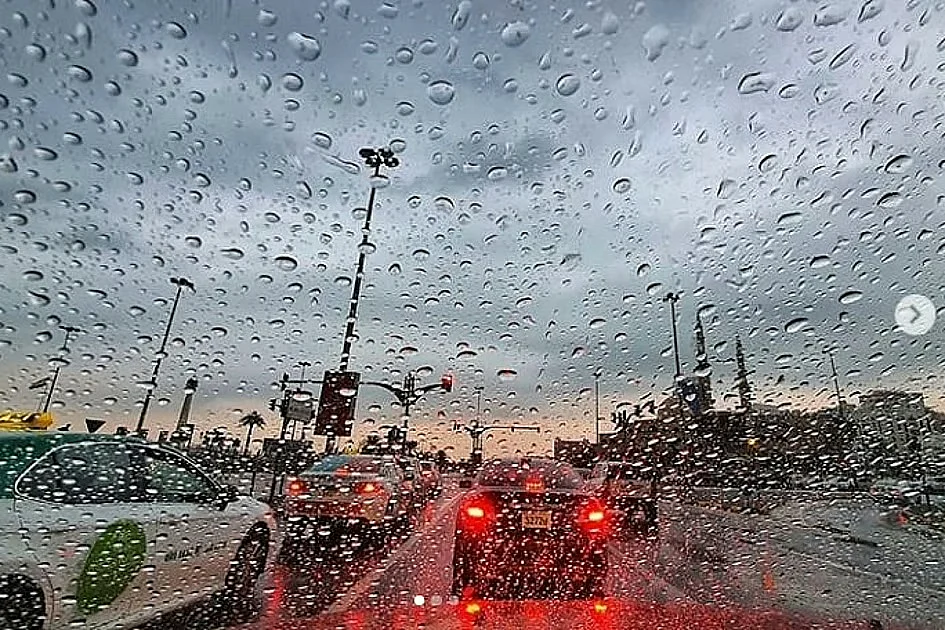
    Authorities across the United Arab Emirates have escalated weather warnings as unstable conditions intensify throughout the region. Both Dubai and Sharjah Police Departments have activated emergency protocols, urging residents to exercise extreme caution amid deteriorating weather patterns characterized by heavy rainfall, strong winds, and significantly reduced visibility.

    In an official communiqué released Thursday, December 18, Dubai Police outlined comprehensive safety measures. The advisory explicitly prohibits beach activities and maritime operations while strongly discouraging travel through valleys, flood-prone zones, and low-lying areas. The department emphasized strict compliance with all directives from official channels.

    Sharjah Police echoed these concerns, issuing specialized guidance for motorists. Drivers are instructed to maintain increased following distances, substantially reduce speeds, and completely avoid areas near dams and valleys. The warning highlights the exponentially higher accident risks during such adverse weather events.

    Brigadier Juma Salem bin Suwaidan, Director of the General Department of Traffic, addressed particularly dangerous behaviors being observed. “The utilization of mobile devices or attempting to film while operating vehicles during these conditions dramatically elevates collision risks,” he stated, underscoring the critical need for undivided attention on roadways.

    The coordinated response comes as national meteorological services continue issuing multiple weather alerts throughout the week. These advisories predict sustained unstable atmospheric conditions affecting numerous emirates, with particular intensity expected in northern regions. Emergency services remain on high alert as they monitor developing situations and respond to weather-related incidents across the affected areas.

  • US official defends Trump’s nuclear test comments by citing mounting risks from other states

    US official defends Trump’s nuclear test comments by citing mounting risks from other states

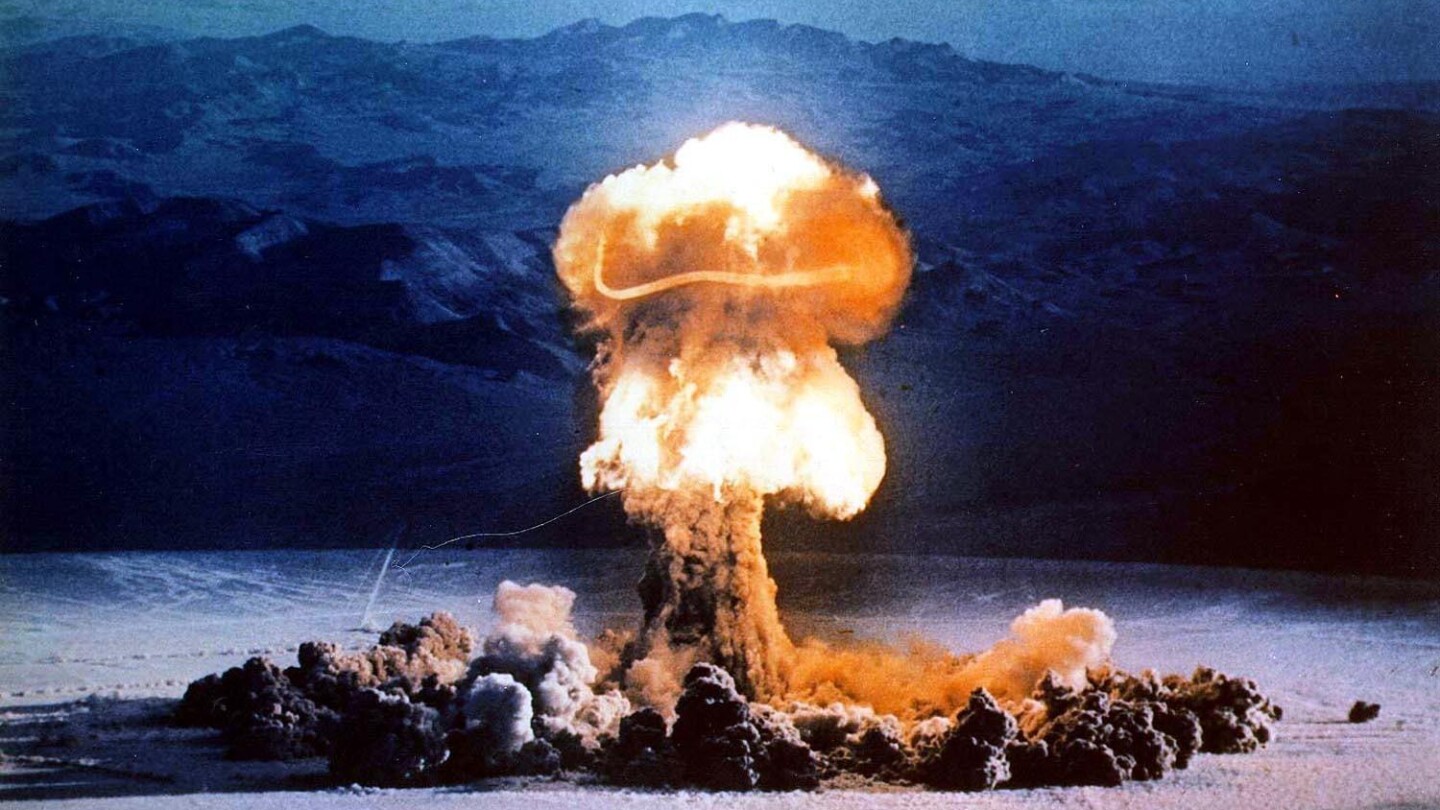
    VIENNA — The United States has formally defended its position on potentially resuming nuclear testing activities during a global arms control meeting, citing concerns about nuclear provocations from Russia, China, and North Korea. The stance, initially suggested by President Donald Trump earlier this year, was articulated by U.S. Chargé d’Affaires Howard Solomon at a November 10 meeting of the Comprehensive Nuclear-Test-Ban Treaty Organization (CTBTO) Preparatory Commission in Vienna.

    Solomon stated that the U.S. would commence testing activities “on an equal basis with other nuclear-armed states,” emphasizing this process would begin immediately while maintaining transparency and national security commitments. The official justification centered on alleged violations of the zero-yield nuclear test moratorium by Russia and China since 2019, alongside North Korea’s six confirmed nuclear tests this century.

    The comments specifically referenced supercritical nuclear test explosions prohibited under the Comprehensive Nuclear-Test-Ban Treaty (CTBT), which involve compressing fissile material to initiate self-sustaining nuclear chain reactions. While the global monitoring network established in 1996 has detected North Korea’s larger-yield tests, experts note it cannot identify very low-yield supercritical tests conducted underground in metal chambers.

    Russia’s Permanent Representative Mikhail Ulyanov condemned the U.S. position during the closed-door meeting, warning that resumed testing “could cause significant damage to the nuclear non-proliferation regime and international security.” He rejected American allegations as “completely unacceptable and unsubstantiated” while demanding detailed explanations from Washington.

    The exchange occurred against the backdrop of deteriorating nuclear arms control frameworks. Solomon additionally cited Russia’s violations of New START, its disproportionately large stockpile of non-strategic nuclear weapons (estimated at 1,000-2,000 warheads compared to America’s 200), and concerning nuclear doctrine developments. These tactical weapons pose particular concern due to their lower threshold for potential use and absence from arms control treaties.

    With New START set to expire on February 5, 2021, and Russia having suspended participation without fully withdrawing, the strategic nuclear arsenals of both nations face becoming unconstrained for the first time in decades. President Trump has expressed openness to extending the treaty temporarily, describing it as “a good idea” in October comments.

  • Rebels start to withdraw from key DR Congo city, leaders say

    Rebels start to withdraw from key DR Congo city, leaders say

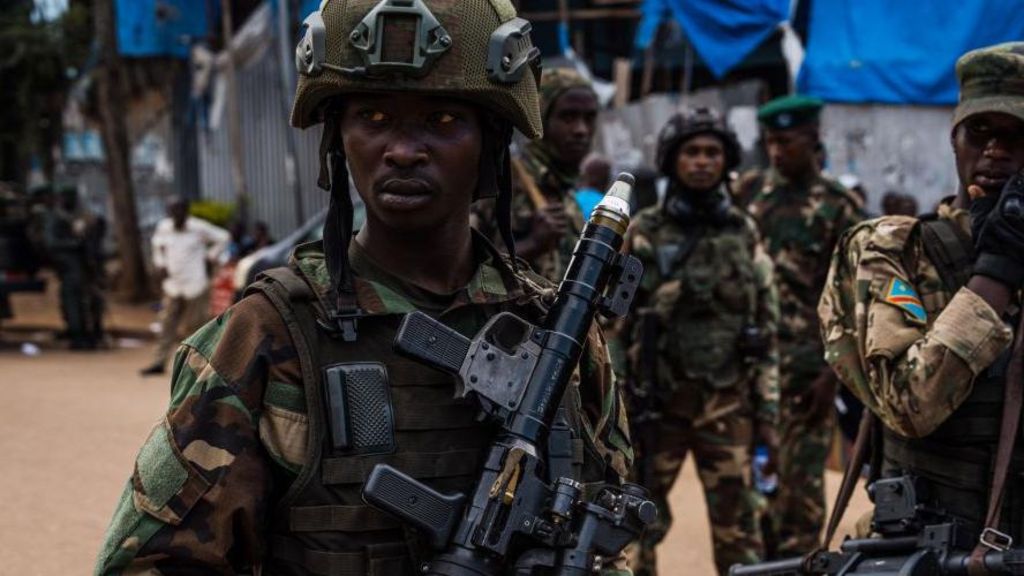
    In a significant development in the ongoing conflict in eastern Democratic Republic of Congo, the M23 rebel faction has declared the commencement of its withdrawal from the strategically vital city of Uvira. This announcement follows intense diplomatic pressure from the United States, which has simultaneously issued allegations of Rwandan support for the insurgents—a claim vehemently denied by Kigali.

    The capture of Uvira, situated near the Burundian border, represents a major escalation despite the recent signing of a US-brokered peace agreement between the Congolese and Rwandan governments on December 4th. The seizure triggered immediate condemnation from Washington, accompanied by warnings of potential sanctions against Rwanda.

    M23 leadership, including commander Bertrand Bisimwa, confirmed the withdrawal process was ‘underway,’ characterizing the move as a concession ‘for the sake of peace.’ Through social media channels, Bisimwa appealed to international mediators to ensure protection for the city against potential reprisals and remilitarization.

    However, the declared withdrawal has been met with profound skepticism from both local residents and the Congolese government. DR Congo’s official spokesman, Patrick Muyaya, described the announcement as a potential ‘diversion’ tactic intended to influence the American mediation team. Ground reports from Uvira residents early Thursday revealed continued movement of M23 vehicles throughout the city, casting doubt on the sincerity of the pullout.

    The humanitarian impact of the offensive has been severe, with UN agencies reporting dozens of fatalities, at least 100 wounded, and approximately 200,000 displaced persons. An additional 30,000 civilians sought refuge across the border in Burundi.

    This development occurs against the backdrop of parallel peace processes—the Washington agreement between nation-states and a separate Qatar-mediated negotiation involving the rebels themselves, highlighting the complex multilateral efforts to resolve the persistent instability in the region.

  • Top EU court rules Polish Constitutional Tribunal is not independent

    Top EU court rules Polish Constitutional Tribunal is not independent

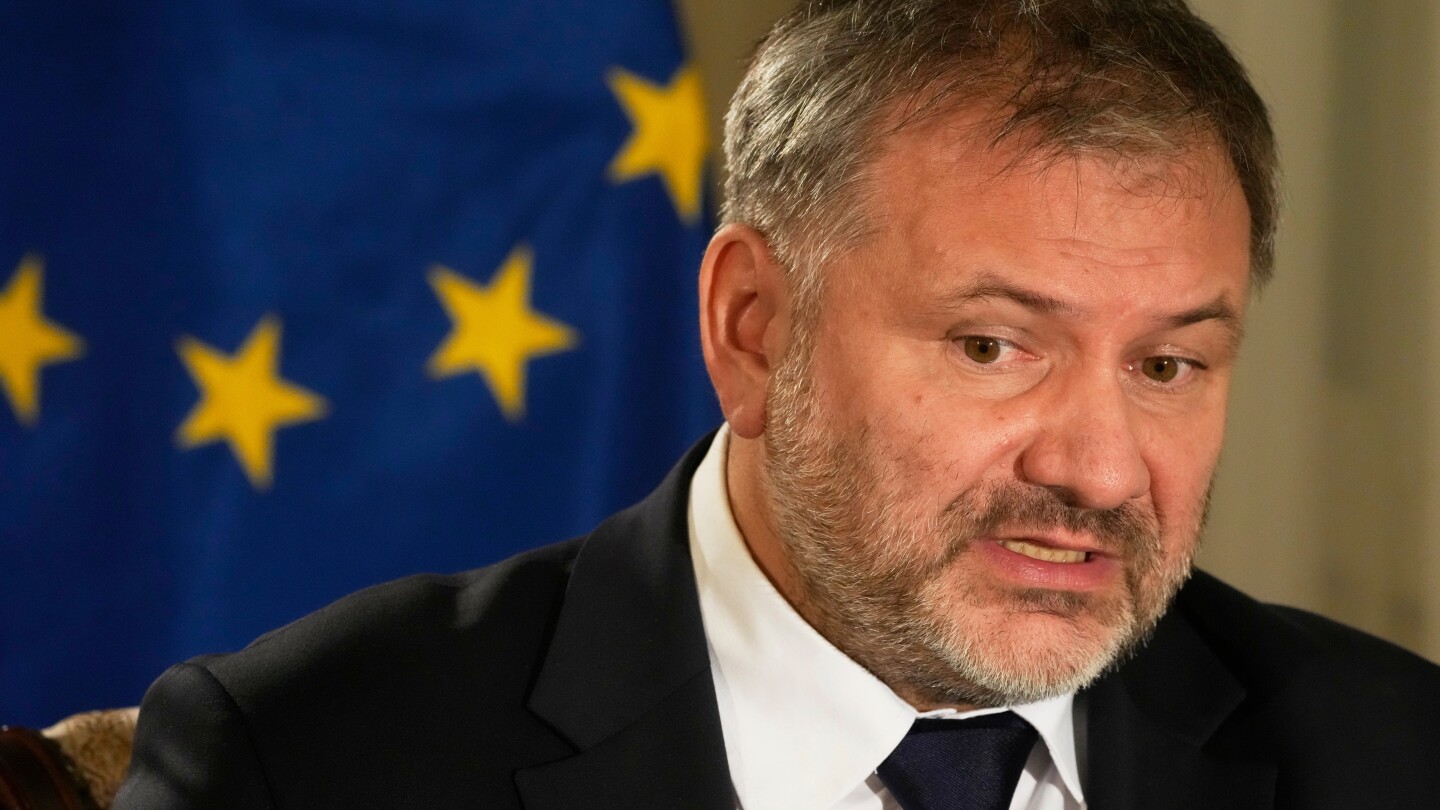
    In a landmark decision with profound implications for European judicial standards, the European Court of Justice has declared Poland’s Constitutional Tribunal lacking in independence and impartiality due to politically motivated appointments during the previous conservative administration.

    The ruling specifically identified that Poland’s highest judicial body violated fundamental EU principles by disregarding effective judicial protection and undermining the primacy, autonomy, and uniform application of European law. This verdict stems from systematic reforms implemented between 2015 and 2023 by the Law and Justice party, which established political control over Poland’s top courts including both the Constitutional Tribunal and Supreme Court.

    These judicial reforms precipitated a direct confrontation with European institutions, leading the European Commission to challenge the changes before the EU’s highest court and suspend substantial financial transfers to Poland. The court’s scrutiny focused particularly on the appointment procedures for three judges and the tribunal president under the previous government, determining they compromised the body’s legitimacy under EU legal standards.

    Despite the ruling’s theoretical requirement for national reforms to restore judicial independence, practical implementation has stalled. Two successive justice ministers from the liberal government that assumed power in 2023 have been unable to reverse the changes, primarily due to resistance from Poland’s current and former presidents, both aligned with Law and Justice, who have either vetoed or threatened to veto legislative corrections.

    Justice Minister Waldemar Żurek welcomed the decision, stating on social media platform X that the ruling ‘obliges our state to take action’ and emphasizing the government’s readiness to ‘rebuild a genuine, independent Tribunal together’ as a fundamental issue for both state institutions and citizens.

  • Trump again demands Venezuela ‘return’ assets to US

    Trump again demands Venezuela ‘return’ assets to US

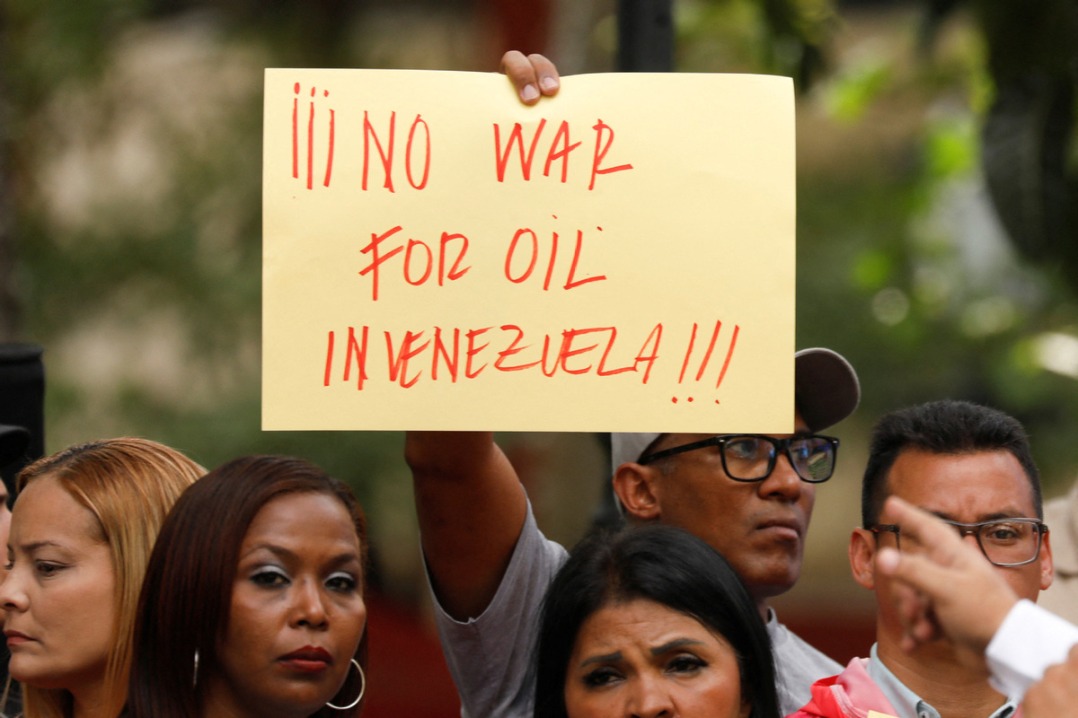
    WASHINGTON — U.S. President Donald Trump intensified pressure on Venezuela Wednesday by demanding the return of what he characterized as stolen American oil assets, while simultaneously enforcing a comprehensive naval blockade against the oil-rich nation.

    Addressing reporters at the White House, Trump asserted that Venezuela had unlawfully seized valuable oil rights from American corporations. “They confiscated our oil assets—we possessed substantial resources there. As everyone is aware, they expelled our companies, and we insist on their restitution,” Trump declared, referencing Venezuela’s historical nationalization of its oil industry during the 1970s and under the administrations of both Nicolás Maduro and Hugo Chávez.

    The administration’s rhetoric escalated further through social media channels. Stephen Miller, Trump’s deputy chief of staff, described Venezuela’s resource nationalization as “the most extensive documented theft of American wealth and property in history.” Miller additionally alleged that these appropriated resources had been utilized to “finance terrorist activities and inundate American communities with violent actors, mercenaries, and narcotics.”

    This verbal offensive follows Tuesday’s presidential directive implementing a full-scale blockade on all sanctioned oil tankers entering or departing Venezuelan waters. The administration has simultaneously designated Venezuela as a Foreign Terroristic Organization (FTO), though official registry updates remained pending as of Wednesday evening.

    The geopolitical confrontation intensified last week when Pentagon forces intercepted an oil tanker near Venezuela’s coastline, redirecting the vessel to a U.S. port. White House officials subsequently confirmed intentions to retain the confiscated petroleum—a maneuver condemned by Caracas as outright “piracy.”

    Despite Venezuela’s status as holder of the world’s largest proven oil reserves, U.S. crude imports from the South American nation have dramatically declined over the past decade due to escalating sanctions and diplomatic tensions. Chevron Corporation continues operations in Venezuela under special governmental authorization, reporting no current disruptions to its activities.

    The United States has maintained substantial naval deployment in the Caribbean for nearly four months, ostensibly for counter-narcotics operations—a justification Venezuelan authorities reject as pretext for forced regime change. Since September, U.S. forces have destroyed至少25 suspected drug-trafficking vessels in Caribbean and eastern Pacific waters, resulting in至少95 fatalities.

    Contrasting with official narratives, Drug Enforcement Administration data indicates Venezuela does not rank among primary sources of narcotics entering the United States. Domestic sentiment appears skeptical of administration strategies, with a Quinnipiac University poll revealing 63% of American adults oppose military actions against Venezuela, compared to 25% expressing support.

  • The elusive dream of rock-bottom US interest rates

    The elusive dream of rock-bottom US interest rates

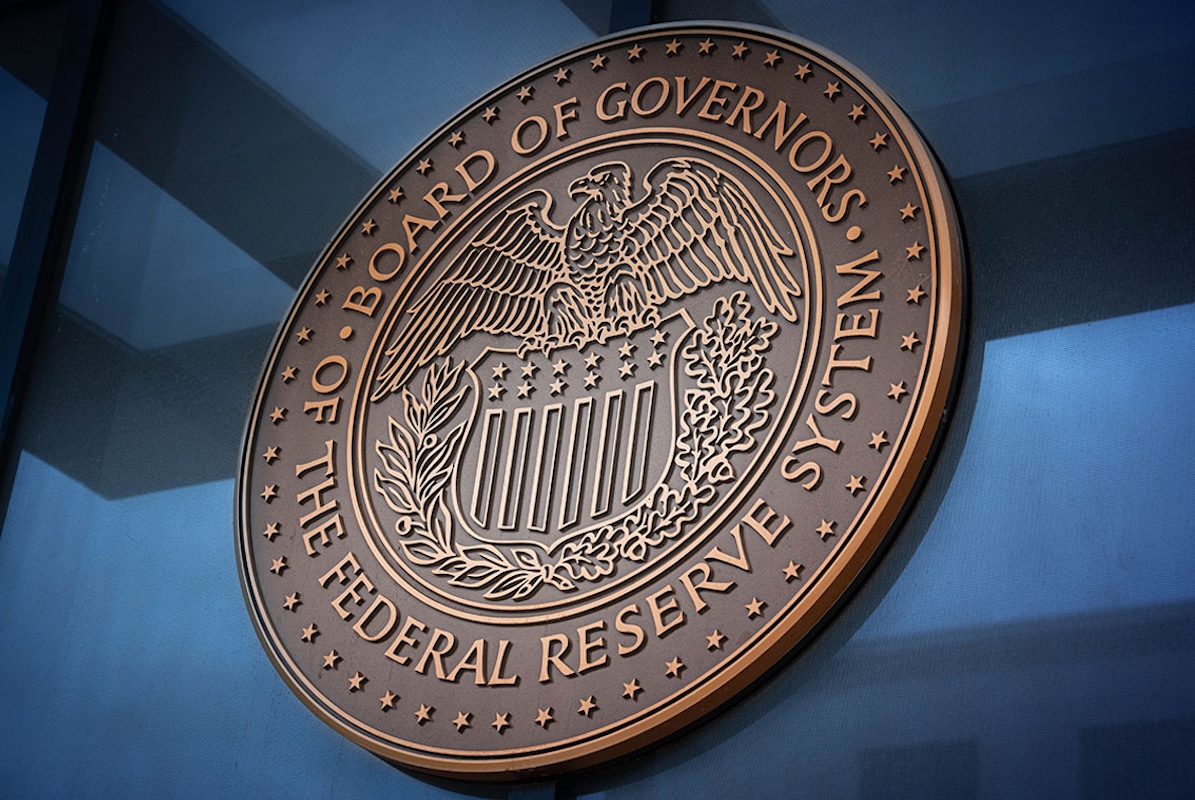
    As President Donald Trump prepares to appoint a new Federal Reserve Chair to succeed Jerome Powell in the coming months, expectations of dramatically lower interest rates for agricultural and business borrowers may prove overly optimistic. Despite Trump’s well-documented preference for substantially reduced rates—having previously suggested the federal funds rate should sit between 1% and 2%—structural and institutional constraints within the Federal Reserve system present significant obstacles.

    The Federal Open Market Committee (FOMC), which determines interest rate policy, comprises 12 voting members. Only six are presidential appointees subject to Senate confirmation, serving protected 14-year terms removable only ‘for cause.’ The remaining five voting members are regional Federal Reserve bank presidents selected by their respective boards, with voting privileges rotating annually among all 12 regional presidents.

    Recent FOMC deliberations reveal substantial resistance to aggressive rate cuts. The December meeting saw a 9-3 vote approving merely a quarter-point reduction, with dissents coming from both directions—one member advocating for a half-point cut while two others preferred maintaining current rates. The Fed’s latest ‘dot plot’ projections indicate that 11 of 19 committee members anticipate no further cuts in the coming year, while four foresee no more than one additional reduction.

    Market analysts note that current rates appear to be approaching what economists call R-star—the neutral interest rate that neither stimulates nor restrains economic growth. While estimates vary between 2% and 3%, most FOMC members project the federal funds rate will remain near or above the current 3.25%-3.5% range through 2026. Even if Trump appoints a chair sympathetic to his views, that individual would need to persuade a majority of committee members whose longer terms insulate them from presidential pressure.

    Attempts to dramatically reshape the Fed’s composition through legislation or executive action could backfire, potentially spooking bond markets and driving up long-term rates precisely opposite to Trump’s objectives. Historical precedent also suggests appointed chairs may not automatically align with presidential preferences, as demonstrated by Trump’s ongoing dissatisfaction with his own appointee Jerome Powell.

  • Nigeria apologises over Burkina Faso military flight that saw 11 servicemen detained

    Nigeria apologises over Burkina Faso military flight that saw 11 servicemen detained

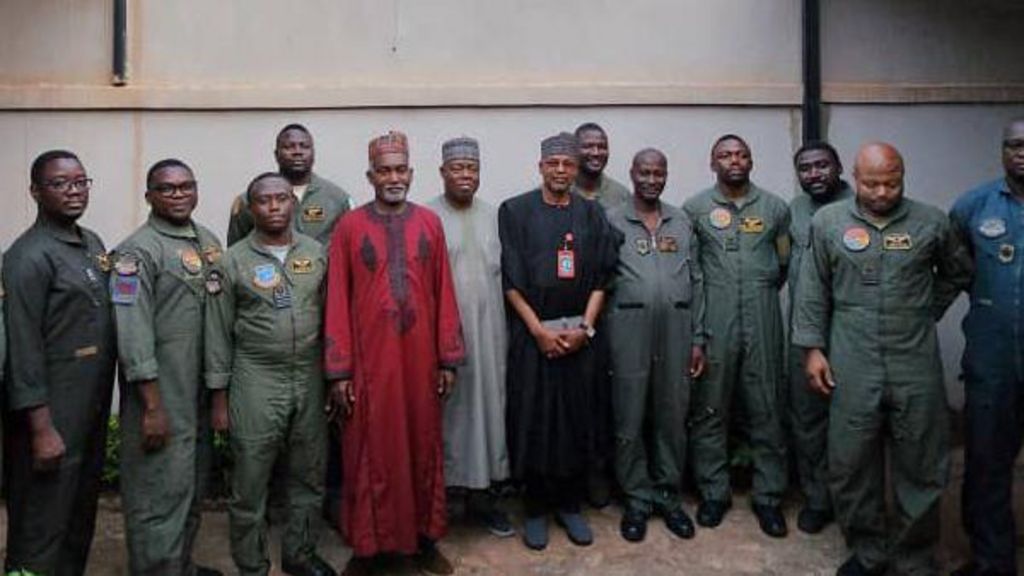
    In a significant diplomatic development, Nigeria’s Foreign Minister Yusuf Tuggar has issued a formal apology to Burkina Faso following the unauthorized incursion of a Nigerian military aircraft into Burkinabè airspace. The incident, which resulted in the detention of eleven Nigerian servicemen, has been resolved with their subsequent release and anticipated return to Nigeria.

    According to official statements from the Nigerian Air Force, the aircraft experienced technical difficulties while en route to Portugal, necessitating an emergency landing in Burkina Faso. This unauthorized landing triggered a serious diplomatic confrontation with the Alliance of Sahel States (AES), a regional coalition comprising Burkina Faso, Mali, and Niger.

    The AES leadership characterized the incident as an ‘unfriendly act’ and responded by elevating their defense readiness. Member states’ air forces were placed on maximum alert and authorized to ‘neutralize any aircraft’ violating the confederation’s airspace—a strong indication of the regional tensions.

    Minister Tuggar led a high-level delegation to Ouagadougou on Wednesday for crisis talks with Burkinabè military leader Captain Ibrahim Traoré. During a joint appearance on national television, Tuggar acknowledged administrative failures regarding flight authorizations and expressed regret for the incident.

    The diplomatic resolution comes against a complex geopolitical backdrop. The three AES states, all under military governance, have recently withdrawn from the West African regional bloc ECOWAS and have strengthened ties with Russia, while most ECOWAS members maintain alliances with Western nations.

    Both nations have agreed to maintain regular consultations and implement practical measures to enhance bilateral cooperation and regional integration, according to Nigeria’s foreign ministry. The detained personnel, described as being in ‘high spirits,’ await their return alongside the aircraft, though specific timing remains undisclosed.

  • Briton who fought in Ukraine jailed for 13 years by Russia

    Briton who fought in Ukraine jailed for 13 years by Russia

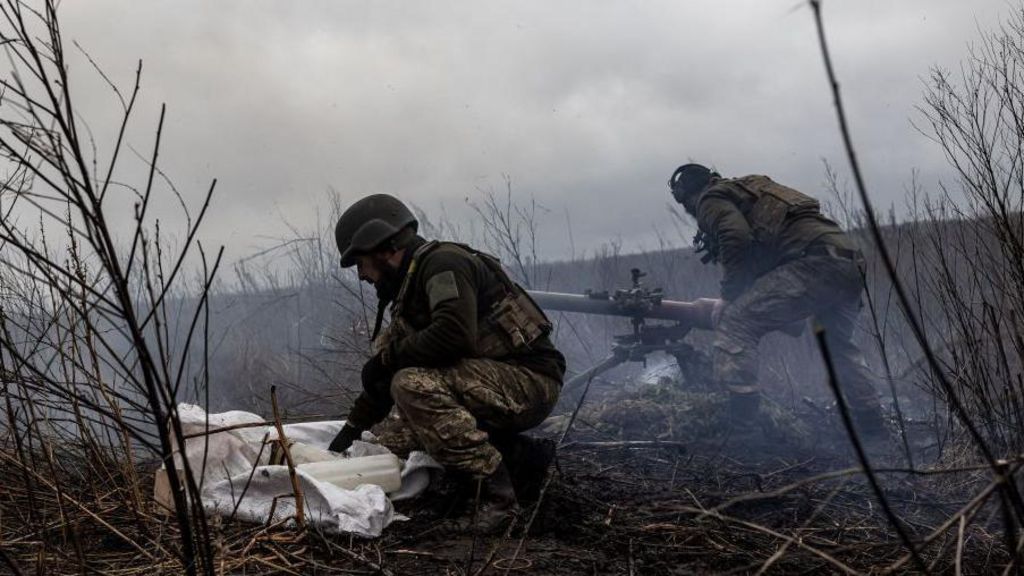
    A Russian-controlled court in occupied Donetsk has sentenced former British soldier Hayden Davies to 13 years in a maximum-security prison on charges of mercenary activity. The sentencing marks the latest development in Russia’s judicial proceedings against foreign fighters captured in Ukraine.

    Davies, reportedly captured in Ukraine’s Donbas region during late 2024 or early 2025 while serving with Ukraine’s international legion, faced trial in what Russian authorities describe as a counter-terrorism proceeding. Prosecutors alleged the British national joined the Ukrainian army in August 2024 and participated in military operations against Russian forces in Donetsk Region.

    Court footage released by Russian officials shows a man with a British accent speaking through a translator from within a barred cage, standard procedure in many Russian judicial hearings. The individual identified as Davies stated he traveled to Ukraine via Poland by bus and received a monthly salary of $400-500 for his service. When questioned about his plea, the man acknowledged guilt with a verbal affirmation and nod, though the circumstances under which this admission was made remain unclear.

    The UK Foreign, Commonwealth & Development Office has previously rejected similar charges against British nationals captured in Ukraine as baseless, maintaining that such individuals qualify as legitimate prisoners of war under the Geneva Conventions. The FCDO had specifically condemned the detention of both Davies and another Briton, James Anderson, emphasizing their official status as members of the Ukrainian Armed Forces rather than mercenaries.

    This case follows the March sentencing of Anderson to 19 years imprisonment on comparable charges of terrorism and mercenary activity. The 22-year-old previously held the distinction of being the first British national convicted by Russia during the ongoing conflict.

    The Russian Prosecutor-General’s office announced the verdict, continuing a pattern of judicial actions against foreign fighters that international observers have questioned for their adherence to international humanitarian standards.