作者: admin

  • EU to slash asylum cases from 7 nations deemed safe

    EU to slash asylum cases from 7 nations deemed safe

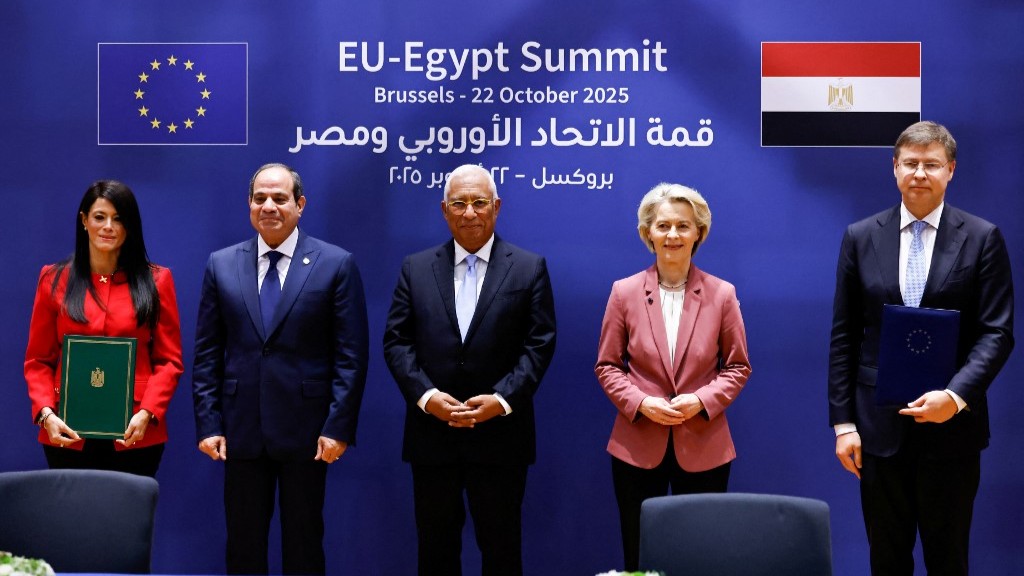
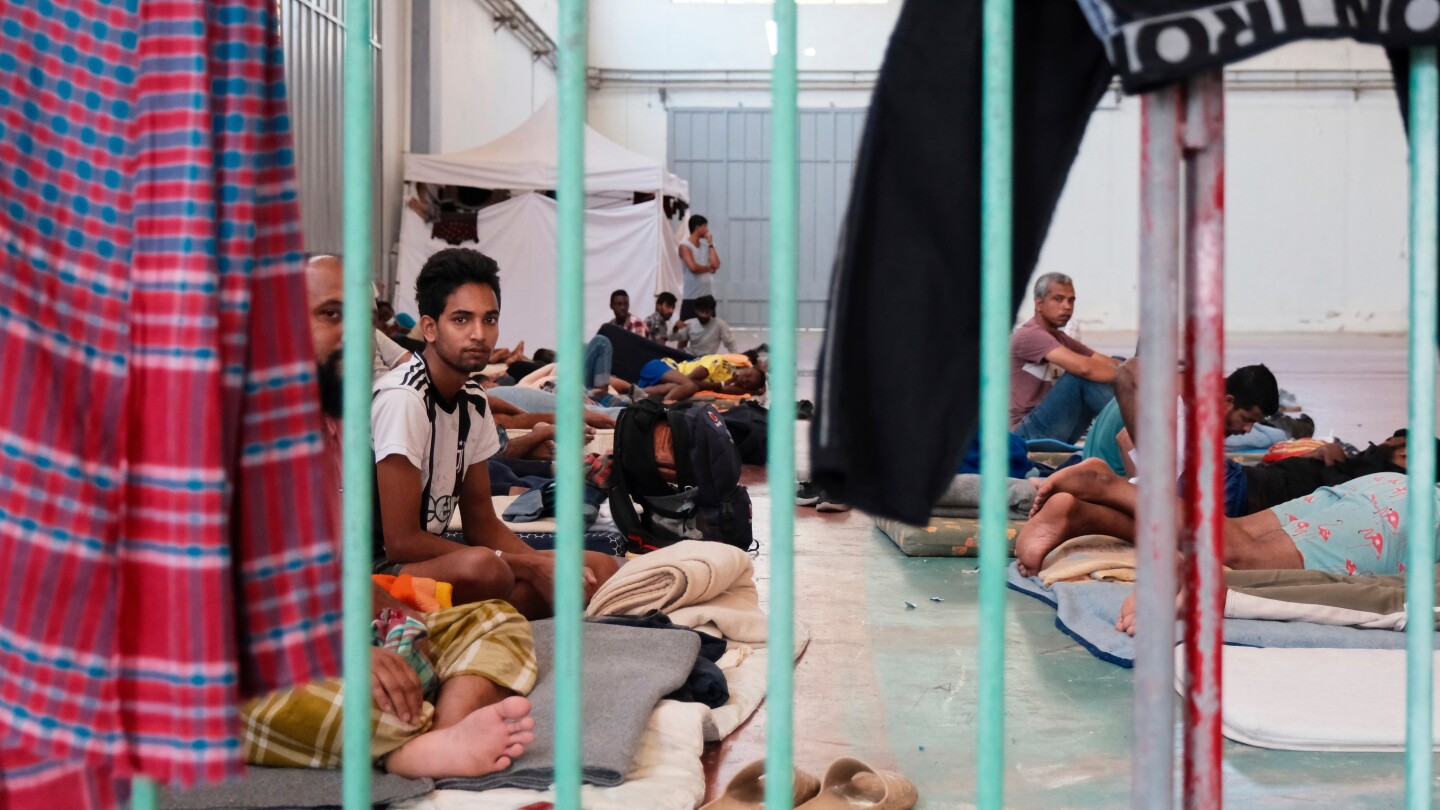
    BRUSSELS — In a landmark decision marking International Migrants’ Day, European Union institutions have jointly approved a contentious policy designating seven nations as ‘safe countries of origin,’ triggering immediate condemnation from human rights organizations across the continent.

    The European Parliament and European Council reached a comprehensive agreement enabling accelerated processing of asylum applications from Bangladesh, Colombia, Egypt, Kosovo, India, Morocco, and Tunisia. Under the new framework, applicants from these nations will bear the burden of proving why the safe country designation should not apply to their specific circumstances.

    This policy forms part of the broader Pact on Migration and Asylum, scheduled for implementation in June 2026, which represents the EU’s most significant asylum system overhaul since the 2015 migration crisis that saw over one million arrivals, primarily from conflict zones in Syria and Iraq.

    The agreement stipulates that countries may be deemed safe when they demonstrate absence of ‘relevant circumstances, such as indiscriminate violence in the context of an armed conflict.’ The policy framework permits individual member states to designate additional nations as safe according to their national immigration requirements.

    Human rights advocates responded with vehement opposition. Amnesty International EU advocate Olivia Sundberg Diez condemned the measures as ‘a shameless attempt to sidestep international legal obligations’ that would potentially endanger vulnerable migrants.

    French MEP Mélissa Camara expressed grave concerns about the establishment of ‘return hubs outside EU borders’ where third-country nationals might face ‘inhumane treatment with almost no monitoring.’ Similarly, Céline Mias of the Danish Refugee Council warned that the fast-track system could fail to protect journalists, activists, and marginalized groups from nations where human rights are systematically violated.

    Conversely, Alessandro Ciriani, an Italian MEP representing the European Conservatives and Reformists group, applauded the decision as a firm border reinforcement measure that provides ‘clear delineations of safe and unsafe nations’ to eliminate ‘excessive interpretative uncertainty’ that previously hampered border control decisions.

    The EU maintains that the list of designated safe countries remains subject to expansion through the bloc’s ordinary legislative procedures, indicating potential future additions to the current seven-nation roster.

  • France catches second escapee in bedsheet prison break

    France catches second escapee in bedsheet prison break

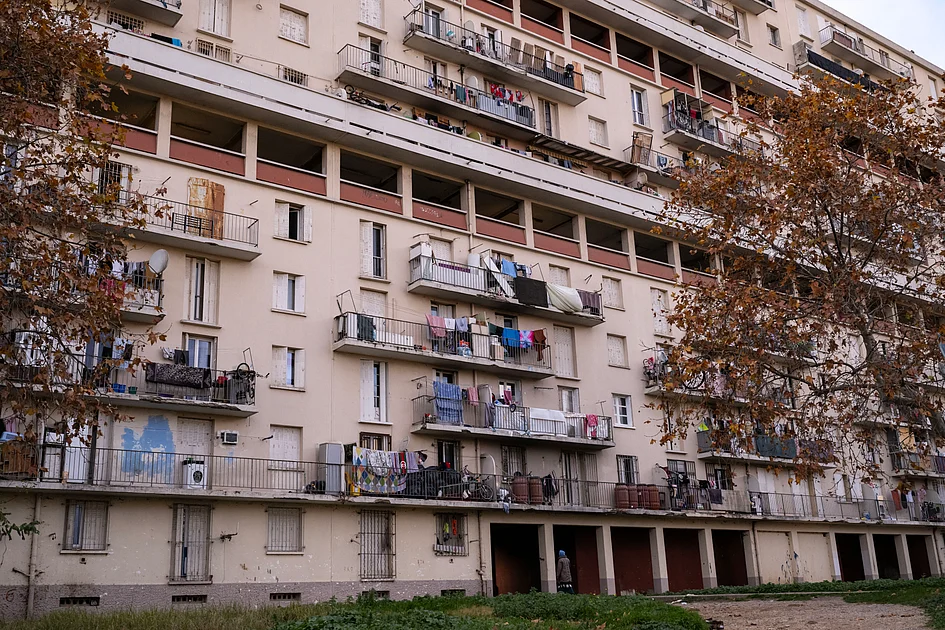
    French authorities have apprehended the second escaped inmate involved in a dramatic prison break from an overcrowded Dijon facility, marking a significant development in a case that has exposed systemic deficiencies within the nation’s correctional system. The 19-year-old fugitive, wanted in connection with a drug-related attempted murder investigation, was located in a dilapidated apartment complex in Marseille—a known narcotics trafficking hub—following an Interpol red notice issuance.

    The escape occurred in late November when two detainees orchestrated an elaborate breakout using blades to sever cell bars before descending with bedsheets from the Dijon prison, a severely overcrowded facility operating at 173% capacity with 311 inmates occupying space designed for 180. The institution, constructed in 1853, has been documented by the Justice Ministry as structurally deficient and fundamentally inadequate for modern penal requirements.

    This incident has ignited fierce criticism from prison unions accusing the government of neglecting conventional facilities while prioritizing high-security establishments for drug-related offenders. The escape methodology—involving suspected drone deliveries of cutting tools—highlighted persistent security vulnerabilities, with prosecutors confirming previous sentencing for similar drone-assisted contraband operations at the same institution.

    The first fugitive, a 32-year-old facing domestic violence charges, was captured merely a day after the escape while casually drinking coffee at a village bar. Investigators revealed this individual had left a cell message complaining of excessive detention duration. Meanwhile, authorities arrested a 19-year-old accomplice near Besançon in late November on charges of organized escape complicity.

    This event unfolds against France’s worsening prison overcrowding crisis, with national statistics from October showing 135 inmates per 100 available spaces—among Europe’s most severe capacity shortages. Just weeks before the breakout, Justice Minister Gerald Darmanin had announced a €6.3 million security upgrade for Dijon targeting mobile phone proliferation, now overshadowed by more fundamental structural failures.

  • Pope blasts ‘irrationality’ of military deterrence in first annual peace message

    Pope blasts ‘irrationality’ of military deterrence in first annual peace message

    In his inaugural annual peace message, Pope Leo XIV delivered a powerful condemnation of contemporary global conflicts, labeling nuclear deterrence strategies as fundamentally irrational and criticizing the exploitation of religious rhetoric for political violence. The pontiff’s address, presented during an emotionally charged Vatican press conference, marked the Catholic Church’s preparation for its World Day of Peace observance on January 1st.

    Reflecting on his first words as pontiff—”Peace be with you”—delivered from St. Peter’s Basilica on May 8, Pope Leo challenged the normalization of fear and conflict in modern society. He asserted that treating peace as a distant ideal creates dangerous complacency when violence erupts. “When we treat peace as a distant ideal, we cease to be scandalized when it is denied, or even when war is waged in its name,” he declared in the document.

    The Pope specifically targeted the intersection of private economic interests with military technological advancement, noting how artificial intelligence is being leveraged to develop increasingly sophisticated weaponry. This convergence, he argued, accelerates the irrational logic of military deterrence that threatens global stability.

    In a significant ecumenical appeal, Pope Leo urged all religious communities to resist the temptation to weaponize faith language for violent purposes. “Unfortunately, it has become increasingly common to drag the language of faith into political battles, to bless nationalism, and to justify violence and armed struggle in the name of religion,” he wrote.

    The Vatican underscored the message’s urgency by translating it into Russian and Ukrainian alongside its usual eight languages, directly referencing Moscow’s ongoing conflict. The press conference featured poignant testimonies from survivors of European conflicts, including Maria Agnese Moro, daughter of assassinated Italian Premier Aldo Moro, who shared her experience with restorative justice through dialogue with former Red Brigades members. Croatian Catholic priest Rev. Pero Miličević provided a harrowing account of the Bosnian war, describing how his faith enabled him to overcome the trauma of losing 39 family members and surviving imprisonment.

    Both witnesses emphasized the transformative power of mutual recognition and forgiveness, with Moro noting that “true listening is a mutual recognition of humanity”—a principle that aligns with the Pope’s vision of achievable peace through genuine dialogue and moral courage.

  • EU’s provisional safe countries list includes ‘repressive’ states

    EU’s provisional safe countries list includes ‘repressive’ states

    The European Union has provisionally endorsed a contentious roster of nations designated as ‘safe countries of origin,’ enabling member states to fast-track the rejection of asylum applications. This legislative move, formalized by EU ministers and ratified through a parliamentary vote, permits authorities to deny asylum to individuals who could have sought protection in any of the listed countries, which include Egypt, Tunisia, Morocco, Turkey, Bangladesh, Colombia, India, and several EU candidate nations.

    Despite strong opposition from human rights organizations and dissident groups, the measure received majority support in the European Parliament, with only The Left bloc uniformly opposing it. Critics argue that the list incorporates multiple states with documented records of human rights abuses, political repression, and systematic persecution of dissenters.

    Human rights advocates have condemned the legislation as a violation of international asylum protections. Ahmed Attalla of the Egyptian Front for Human Rights stated the policy prioritizes border control over human rights, potentially exposing vulnerable individuals to accelerated deportation procedures. French MEP Damien Careme characterized the move as ‘the end of the right to asylum in Europe,’ accusing the EU of manipulating international law for political convenience.

    The approved framework also introduces ‘safe third country’ provisions, allowing member states to reject asylum seekers if they transited through non-EU nations deemed safe. Scheduled to take effect in June 2026, this policy reflects the EU’s increasingly restrictive immigration stance amid growing anti-migrant sentiment across the continent.

    Numerous case studies highlight concerns regarding the designated countries. Egypt ranks poorly on global freedom indices, with Human Rights Watch documenting systematic repression and thousands of political detainees. Tunisia has dismantled democratic institutions since President Saied’s 2021 coup, while Morocco faces criticism for its occupation of Western Sahara and suppression of Sahrawi activists. Turkey continues widespread persecution of dissidents, with Amnesty International reporting systematic torture in detention facilities.

    The legislation represents a significant shift in EU asylum policy that critics fear will eliminate Europe’s historical role as a sanctuary for those fleeing persecution, war, and instability.

  • UAE wealth evolution: Entrepreneurs embrace family offices for growth

    UAE wealth evolution: Entrepreneurs embrace family offices for growth

    The United Arab Emirates is witnessing a significant transformation in wealth management strategies as its burgeoning class of successful entrepreneurs increasingly adopt family office structures to navigate complex financial landscapes. This evolution represents a fundamental shift from traditional investment approaches toward comprehensive, multi-generational wealth preservation and growth frameworks.

    With the rapid expansion of founder-led businesses across the Emirates, entrepreneurs face increasingly sophisticated financial decisions involving personal wealth management, business reinvestment strategies, global asset allocation, and long-term family priorities. Conventional investment channels—including venture capital and private banking services—typically address isolated aspects of this journey but fail to provide holistic solutions.

    Family offices have emerged as the preferred mechanism for addressing these comprehensive needs. Originally developed for established business dynasties, these structures have been adapted by modern entrepreneurs seeking greater control, flexibility, and long-term perspective. The UAE’s stable regulatory environment, attractive tax policies, and maturing private-market ecosystem have accelerated this transition, positioning Dubai and Abu Dhabi as magnets for both regional and international family offices.

    The appeal of family offices lies in their unique ability to provide long-term alignment with entrepreneurial objectives. Unlike traditional investors operating within fixed fund cycles, family offices invest with generational horizons, allowing entrepreneurs to pursue sustainable growth strategies, complex ventures, and market expansion without short-term exit pressures.

    Beyond capital deployment, these institutions offer strategic depth through decades-old networks spanning real estate, technology, logistics, and healthcare sectors. For founders entering new geographic markets or industries, access to these relationships proves invaluable for establishing partnerships, distribution channels, talent acquisition, and regulatory navigation.

    The comprehensive service spectrum of family offices—encompassing wealth planning, investment structuring, estate management, philanthropy, governance frameworks, and next-generation education—provides entrepreneurs with integrated support that reduces fragmentation in decision-making processes.

    A distinctive trend has emerged with the rise of entrepreneur-led family offices, where founders transition from operating single companies to managing diversified investment portfolios. These dynamic structures typically demonstrate more hands-on approaches, greater innovation openness, and active engagement in opportunity identification—characteristics that align perfectly with the UAE’s expanding technology, advanced industries, and private markets.

    The UAE’s distinctive combination of regulatory clarity and global connectivity—evidenced through DIFC and ADGM’s family-wealth frameworks, residency incentives, and streamlined investment structures—has established the nation as a premier hub for family offices seeking Middle Eastern footholds. This ecosystem fosters increasingly collaborative relationships between entrepreneurs and family offices, transforming them from mere investor-beneficiary arrangements into partnerships that shape long-term economic development.

    As Emirati founders continue expanding across borders, diversifying assets, and planning generational transitions, family offices provide the structural foundation to support these ambitions. In a region characterized by growing innovation, capital concentration, and entrepreneurial energy, these institutions are quietly emerging as powerful drivers behind the next chapter of wealth creation and business development.

  • Winter death toll in Gaza reaches 17 as calls on Israel to lift aid blockade grow

    Winter death toll in Gaza reaches 17 as calls on Israel to lift aid blockade grow

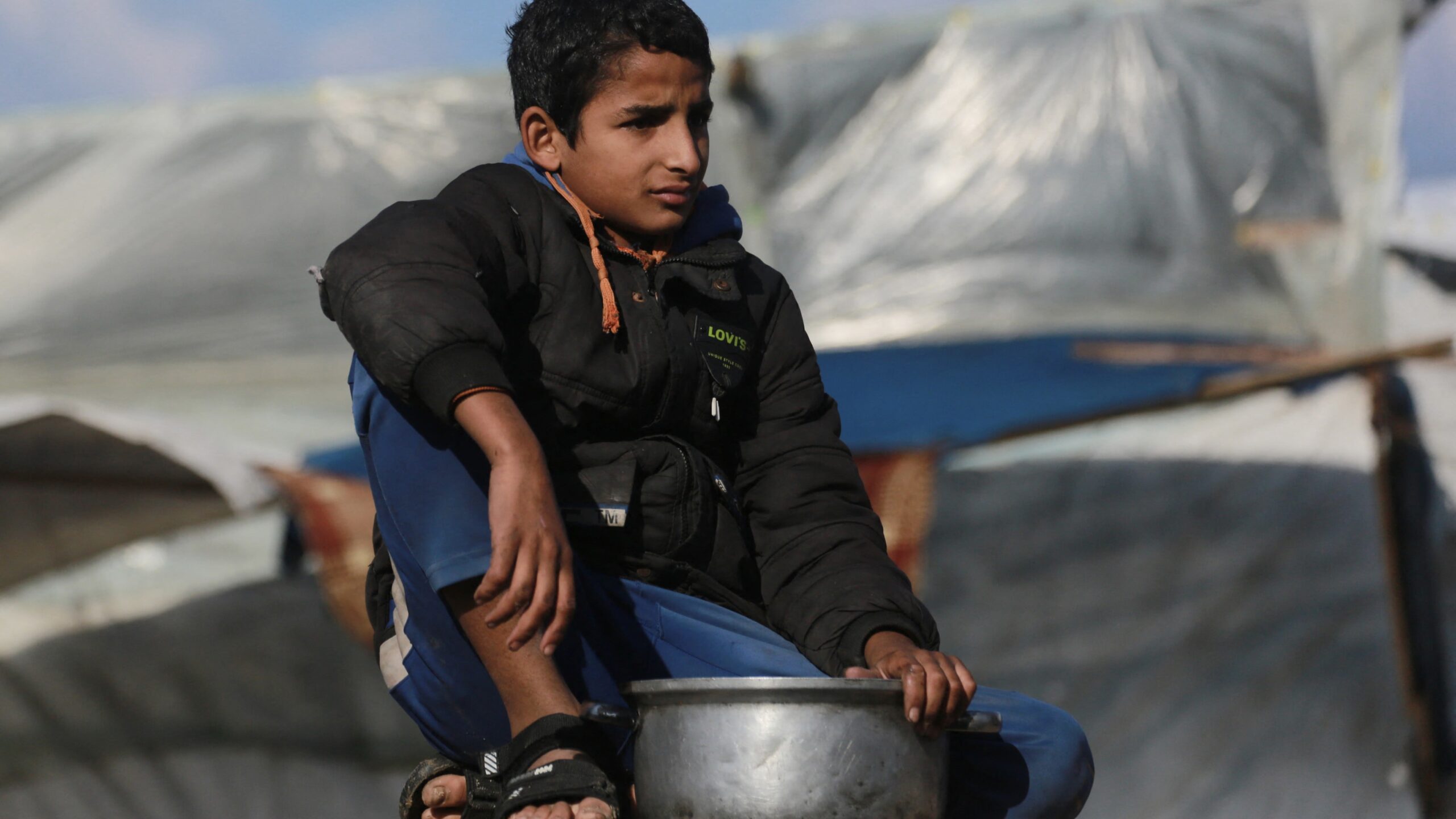
    A severe winter storm has exacerbated the humanitarian catastrophe in Gaza, claiming at least 17 Palestinian lives including four children who succumbed to hypothermia amid freezing temperatures. The youngest victim, one-month-old Saeed Asaeed Abdeen, died from severe hypothermia as Storm Byron swept through the territory with torrential rains and destructive floods.

    Medical authorities at al-Shifa Medical Complex report critical shortages of medicines and supplies, with over half of vital medications completely unavailable. Director Muhammad Abu Salmiya warned that children face extreme vulnerability from the combined threats of ongoing Israeli bombardment, freezing conditions, and rapidly spreading diseases.

    Gaza’s infrastructure collapse has turned winter weather into a lethal threat. According to Gaza Civil Defence spokesperson Mahmoud Basal, over a dozen compromised buildings have collapsed since heavy rainfall began last week, with emergency teams responding to damage at more than 90 structures and fielding over 5,000 distress calls within a month.

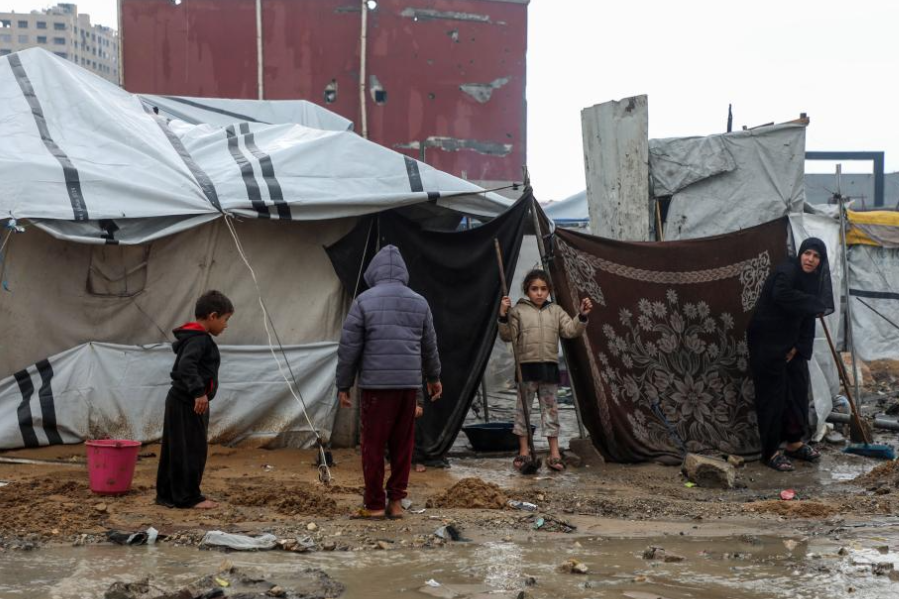
    The municipal government in Gaza City has raised alarms about a worsening waste management crisis, exacerbated by fuel shortages that have severely limited collection services. Approximately 90% of shelters across the territory have been submerged or swept away by floodwaters, leaving thousands of families without possessions or protection from the elements.

    Visual evidence circulating online shows tents being blown away by high winds, completely flooded shelters and hospitals, and collapsed concrete walls crushing temporary accommodations. In one tragic incident in Gaza City’s Tel al-Hawa neighborhood, a wall collapse on a displacement tent resulted in multiple fatalities.

    The crisis stems from what UN agencies and over 200 NGOs describe as Israel’s systematic obstruction of humanitarian aid. A joint statement condemned Israel’s ‘ongoing re-registration process and other arbitrary hindrances’ that have left millions of dollars worth of essential supplies stranded outside Gaza. The organizations emphasized that humanitarian access constitutes a legal obligation under international humanitarian law, particularly given Israel’s failure to ensure adequate supplies for the population.

    According to the latest UNRWA situation report, Israeli authorities continue blocking the agency from directly delivering humanitarian personnel and aid into Gaza. The territory has endured over two years of restricted goods entry, with only limited supplies entering under intense diplomatic pressure despite the destruction of nearly 80% of structures.

    The compounded crises have left Gaza’s population of over two million without reliable access to clean water, food, shelter, healthcare, clothing, or fuel. Rainwater accumulation combined with destroyed drainage and sewage systems creates additional environmental and health hazards for displaced Palestinians residing in inadequate temporary shelters.

    Israeli military operations continue despite ceasefire discussions, with UNRWA reporting multiple installations struck recently, causing additional casualties. The overall death toll from the conflict now exceeds 70,669, including more than 20,000 children, with thousands more missing and presumed dead.

  • Stormy weather in UAE: Residents wake up to damaged cars, uprooted trees

    Stormy weather in UAE: Residents wake up to damaged cars, uprooted trees

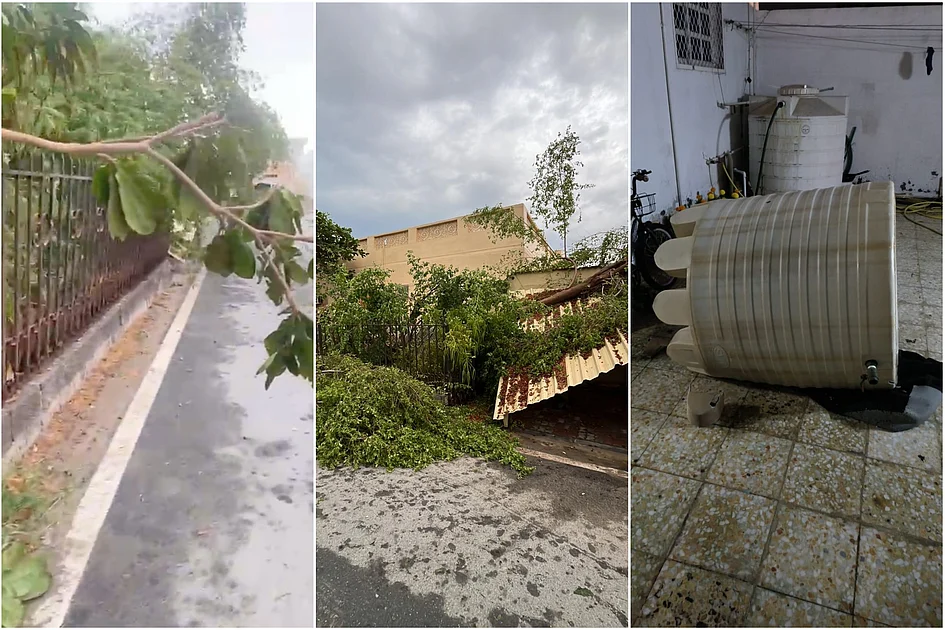
    Residents across the northern emirates awoke to significant disruption on Thursday, December 18th, 2025, following a night of intense thunderstorms that brought torrential rain, hail, and powerful winds. The severe weather event, part of a broader low-pressure system affecting the Middle East, caused widespread damage to property and infrastructure, particularly in Ras Al Khaimah (RAK) and Umm Al Quwain.

    In RAK, the relentless downpour resulted in residential flooding, with water seeping into homes through doors and windows. The true extent of the damage became apparent at daybreak, revealing vehicles damaged by falling tree branches and debris. Public pathways and parking areas were partially obstructed, littered with broken branches and washed-down refuse. Local authorities had proactively issued mobile phone alerts warning residents of the deteriorating conditions, advising caution around newly formed ponds and streams.

    Social media platforms and weather accounts, including Storm.ae, documented the event with visuals of hailstones and extensive waterlogging on roads. The impact extended beyond property damage, hindering daily commutes and forcing the temporary closure of some businesses in low-lying commercial areas where water had infiltrated shops.

    While the northern regions bore the brunt of the storm, residents in Dubai and Abu Dhabi reported comparatively milder conditions, experiencing only cloudy skies and light drizzle. UAE weather officials have forecast that the unstable conditions are expected to persist, with a potential intensification of thunderstorms continuing through Friday. The event has highlighted community resilience and the operational challenges posed by sudden extreme weather in the region.

  • Qatar: Gaza stabilization force in the making must be neutral

    Qatar: Gaza stabilization force in the making must be neutral

    Qatari Prime Minister Sheikh Mohammed bin Abdulrahman Al-Thani has articulated a firm stance on the proposed international stabilization force for Gaza, emphasizing the critical need for impartiality in postwar arrangements. Following high-level discussions with US Secretary of State Marco Rubio during the seventh Qatar-US Strategic Dialogue in Washington, the Prime Minister asserted that any security presence must prioritize protecting the ceasefire agreement itself rather than favoring any single party.

    The diplomatic engagement occurred against the backdrop of deteriorating humanitarian conditions in Gaza, where recent winter storms have exacerbated the crisis. UNRWA reports indicate at least 16 fatalities resulting from Storm Byron’s impact on vulnerable shelters, with three children among the deceased. Agency chief Philippe Lazzarini characterized the disaster as “man-made” due to the population’s forced displacement into inadequate shelters.

    Concurrently, Egyptian Foreign Minister Badr Abdelatty advocated for full implementation of UN Security Council Resolution 2803 during discussions with his Slovak counterpart. The resolution, adopted last month, mandates deployment of an International Stabilization Force while emphasizing the interconnection between humanitarian progress and Palestinian administrative continuity.

    Diplomatic developments suggest movement toward governance structures, with the Times of Israel reporting six nations—Egypt, Qatar, UAE, UK, Italy, and Germany—have committed to participate in a proposed Board of Peace for postwar Gaza management. However, regional analysts caution that such initiatives risk credibility gaps if pursued alongside ongoing military operations and settler violence in the West Bank.

    Arhama Siddiqa of the Institute of Strategic Studies Islamabad notes these diplomatic exchanges reveal emerging regional consensus that stabilization mechanisms must be internationally grounded, impartial, and intrinsically linked to unimpeded humanitarian access. The convergence of Qatari and Egyptian positions highlights Arab concerns that postwar arrangements must not evolve into instruments for managing occupation or shielding Israel from accountability.

  • French police capture teen who escaped prison using bed sheets

    French police capture teen who escaped prison using bed sheets

    French law enforcement has successfully apprehended 19-year-old Yanik Touoibati Chaduli, ending a month-long manhunt for the escaped prisoner who fled custody in November. The teenager was captured Thursday in Marseille’s Cité des Rosiers district following an extensive international search operation.

    Chaduli and his 32-year-old accomplice executed a daring escape from Dijon prison in eastern France through an elaborate scheme involving sawing through cell bars and descending prison walls using knotted bed sheets. While the older inmate was recaptured within 24 hours of their breakout, Chaduli remained at large until this week’s operation.

    The arrest came after Interpol issued a red notice for Chaduli, who was being held in pretrial detention on serious charges including attempted murder and criminal conspiracy. French Interior Minister Laurent Nuñez publicly commended the National Fugitive Search Brigade and the BRI special intervention force for their successful tracking and apprehension of the escapee.

    This incident highlights ongoing security challenges within France’s correctional system, which has experienced multiple high-profile escapes in recent years. In July, another inmate escaped by concealing himself in a released prisoner’s belongings, while notorious gangster Rédoine Faid famously escaped via helicopter from a Paris-region prison in 2018—his second successful prison break in five years before being recaptured months later.

    The repeated security breaches have raised questions about prison infrastructure and protocols across French correctional facilities, with authorities now facing increased pressure to address systemic vulnerabilities in the nation’s detention system.

  • Kenya’s environment court to consider a claim that a lux safari camp was harming wildebeests routes

    Kenya’s environment court to consider a claim that a lux safari camp was harming wildebeests routes

    A Kenyan environmental court has determined it will continue hearing a controversial case against a high-end safari camp in the Maasai Mara reserve, despite the plaintiff’s attempt to withdraw the lawsuit. The legal challenge centers on allegations that the Ritz-Carlton Maasai Mara Camp, operated by Marriott International, disrupts the annual wildebeest migration corridor—a natural phenomenon that attracts global tourism to the region.

    Environment and Land Court Judge Lucy Gacheru dismissed conservationist Joel Meitamei Olol Dapash’s withdrawal motion filed Wednesday, wherein he stated his concerns had been addressed through consultations. The court asserted its judicial discretion to continue cases involving significant public interest, particularly those raising serious environmental impact questions.

    The case, initially filed in August following both local and international criticism, alleges the camp’s positioning obstructs the wildebeest migration path. Developer Lazizi Mara Limited opposed the withdrawal, arguing they had complied with all regulatory requirements yet faced negative portrayal, and requested a fair judicial hearing to clear their reputation.

    The luxury camp, charging up to $3,500 per night, stands among several premium tourist destinations in the Maasai Mara National Reserve that offer close wildlife encounters during the migration to Tanzania’s Serengeti National Park. The court has scheduled further proceedings for February 10 to determine case progression.