作者: admin

  • India signs trade pact with Oman as it expands Middle East ties

    India signs trade pact with Oman as it expands Middle East ties

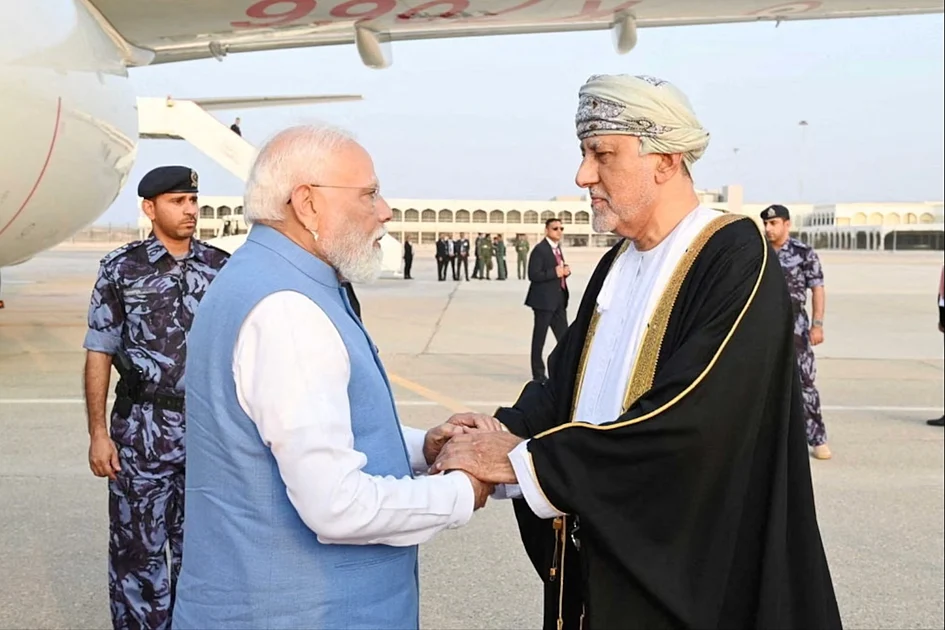
    In a significant move to strengthen economic ties with Middle Eastern nations, India has formally established a comprehensive economic partnership agreement with Oman. The pact, signed on Thursday, represents a strategic effort by New Delhi to diversify its trade relationships amid escalating tariff pressures from the United States.

    Under the newly ratified agreement, Oman will extend zero-duty market access on more than 98% of its tariff lines, effectively covering the vast majority of Indian exports. This preferential treatment encompasses key Indian export sectors including precious gems and jewelry, textile manufacturing, pharmaceutical products, and automotive industries.

    In reciprocal arrangements, India will implement tariff reductions on approximately 78% of its tariff classifications, accounting for nearly 95% of imports from Oman by total value. The bilateral trade relationship between the two nations currently exceeds $10 billion annually.

    Prime Minister Narendra Modi emphasized the agreement’s broader significance, stating that the partnership would ‘establish a renewed momentum for our trade relations, strengthen investment confidence, and create opportunities across multiple sectors.’ The agreement marks India’s second major trade pact this year, following similar arrangements with the United Kingdom.

    The timing of this agreement carries particular importance as Indian exporters face unprecedented tariff pressures from the United States. In late August, the Trump administration doubled duties on Indian goods to 50%—the highest rate globally—including a 25% retaliatory levy targeting India’s purchases of Russian oil.

    Strategic analysts note that the agreement extends beyond mere economic considerations. Ajay Srivastava of the Global Trade Research Initiative observed that the pact is ‘as much about geopolitics and regional presence as it is about tariffs.’ Oman’s geographic position as gateway to the Strait of Hormuz—a critical global oil transit corridor between Oman and Iran—enhances the agreement’s strategic value.

    Industry representatives project substantial benefits, with gem and jewelry exports anticipated to surge from $35 million to approximately $150 million within the next three years, according to Kirit Bhansali of the Gems & Jewellery Export Promotion Council.

    The agreement excludes certain sensitive commodities including dairy products, tea, coffee, rubber, and tobacco. Additionally, it creates new opportunities in Oman’s $12.5 billion services import market, where India currently maintains just a 5.3% market share.
  • India to revamp M&A rules to protect retail investors, expedite deals

    India to revamp M&A rules to protect retail investors, expedite deals

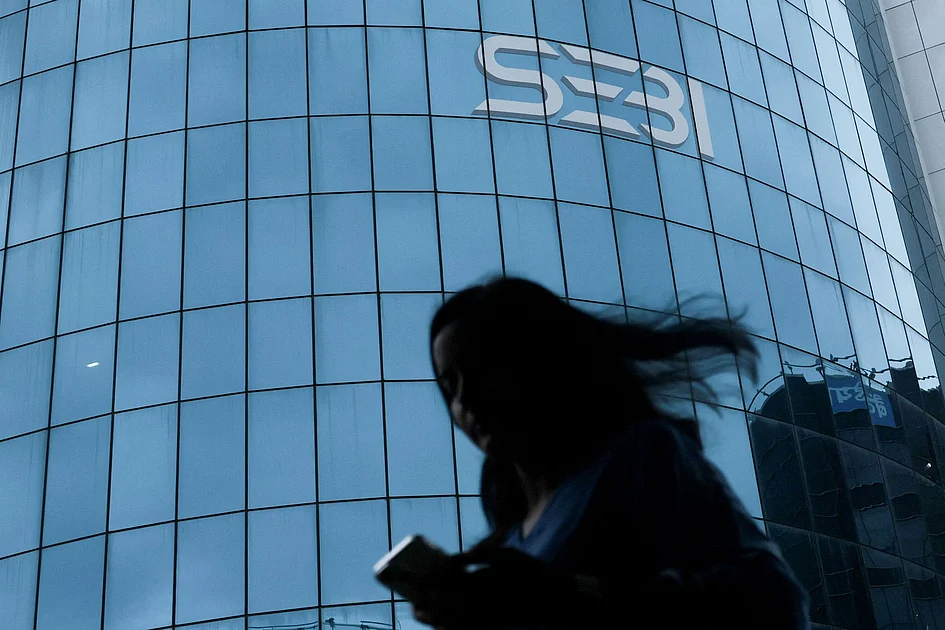
    India’s capital markets regulator is implementing sweeping reforms to its merger and acquisition framework designed to enhance protection for retail investors and streamline corporate transactions. The Securities and Exchange Board of India (SEBI) is proposing significant amendments to its takeover code that would fundamentally reshape how acquisitions are conducted in the country’s rapidly growing market.

    The comprehensive regulatory overhaul includes prohibiting acquirers from negotiating preferential deals with large shareholders for a six-month period following public open offers. This measure directly addresses historical instances where major investors received exclusive benefits not available to smaller shareholders. Additionally, SEBI plans to substantially reduce the completion timeline for open offers from the current two months to just 30 days, implementing accelerated regulatory clearance mechanisms to facilitate faster deal execution.

    A key innovation in the proposed framework involves introducing mandatory external valuation requirements for private share sales between large shareholders and selected parties. This ensures transparent and fair pricing mechanisms that protect all investors’ interests. The reforms emerge against a backdrop of intensified M&A activity throughout 2025, driven by the Reserve Bank of India’s policy allowing domestic banks to finance acquisitions and increasing foreign investment in Indian enterprises.

    SEBI Chairman Tuhin Kanta Pandey confirmed the regulatory initiative following a board meeting, indicating that detailed proposals would soon be released for public consultation. The revisions also encompass potential modifications to ‘creeping acquisition’ norms, which currently permit existing investors to increase their stakes by up to 5% annually without triggering mandatory open offers. This review aligns with global standards, as Singapore maintains a 1% threshold every six months while Hong Kong allows 2% annual increases.

    The regulatory gap became particularly evident in December 2022 when Adani Group acquired a 27.26% stake in New Delhi TV Ltd, providing founders a 17% premium over the open-offer price offered to minority shareholders just 18 days after the public offer. Although Adani subsequently revised terms for minority investors, the incident highlighted structural vulnerabilities in the existing framework that these reforms aim to address.

  • Tecom Group launches Dh615 million Innovation Hub Phase 4 in Dubai Internet City

    Tecom Group launches Dh615 million Innovation Hub Phase 4 in Dubai Internet City

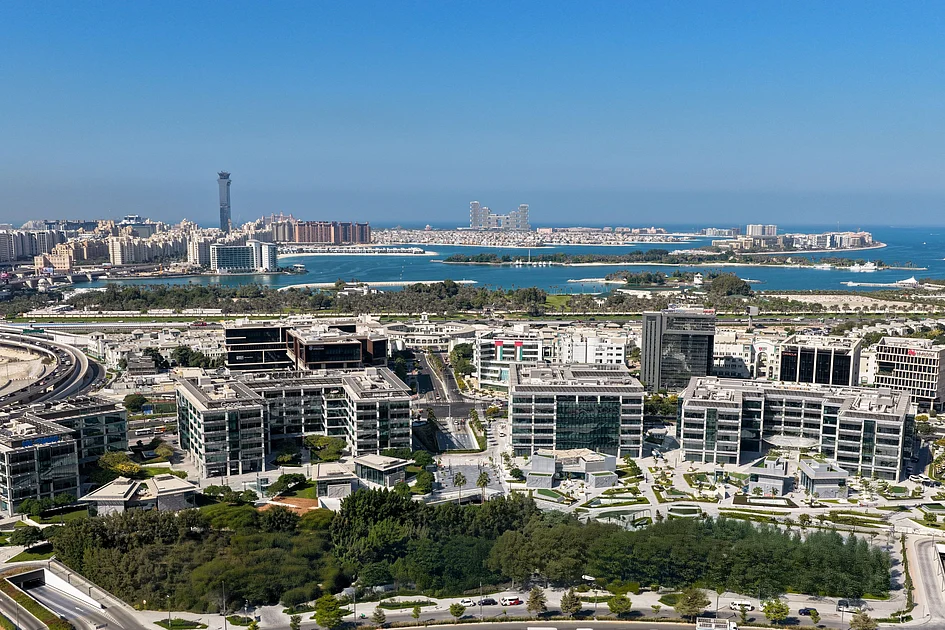
    Dubai’s technology sector receives a significant boost as Tecom Group PJSC announces the launch of Innovation Hub Phase 4, a Dh615 million ($167 million) development within Dubai Internet City. This strategic expansion addresses the growing demand for premium office spaces from multinational corporations operating in future-oriented economic sectors.

    The new development spans 263,000 square feet of gross leasable area, marking the fourth phase of the Innovation Hub project. This investment brings Tecom Group’s total commitment to the Innovation Hub initiative to approximately Dh2 billion, significantly strengthening Dubai Internet City’s position as the Middle East’s premier technology ecosystem.

    The decision to launch Phase 4 follows remarkable commercial success of previous phases. Innovation Hub Phase 3 achieved full occupancy ahead of its 2027 completion schedule, while Phase 2 is entirely leased to Fortune 500 companies and digital economy leaders. The original Phase 1 continues to serve as a cornerstone for global technology giants including Google and Gartner.

    Abdulla Belhoul, Chief Executive Officer of Tecom Group PJSC, emphasized the development’s strategic importance: ‘This launch demonstrates our ongoing commitment to supporting future-focused economic activity in Dubai and the UAE. Our nation’s pro-business environment, combined with visionary strategies like the UAE’s Digital Economy Strategy and Dubai Economic Agenda ‘D33′, continues to attract innovative global enterprises.’

    The project will be financed through Tecom Group’s existing resources while maintaining healthy leverage and liquidity positions. This expansion follows the Group’s strong financial performance in 2025, with nine-month revenues exceeding Dh2.1 billion representing 20% year-on-year growth, and net profit surpassing Dh1.1 billion with an 18% increase compared to the same period in 2024.

    Established in 1999, Dubai Internet City has evolved into the region’s largest technology hub, currently contributing to 65% of Dubai’s technology GDP. The district hosts a comprehensive ecosystem featuring premium Grade-A offices and 20 Research & Development and Innovation Centres, serving as a unifying base for digital economy companies worldwide.

    Innovation Hub Phase 4 is scheduled for completion in 2028 and will further enhance Tecom Group’s portfolio of commercial assets across its specialized business districts, which include Dubai Media City, Dubai Production City, and Dubai Design District among others.

  • ECB vindicates trader bets on no more rate cuts with upbeat economic view

    ECB vindicates trader bets on no more rate cuts with upbeat economic view

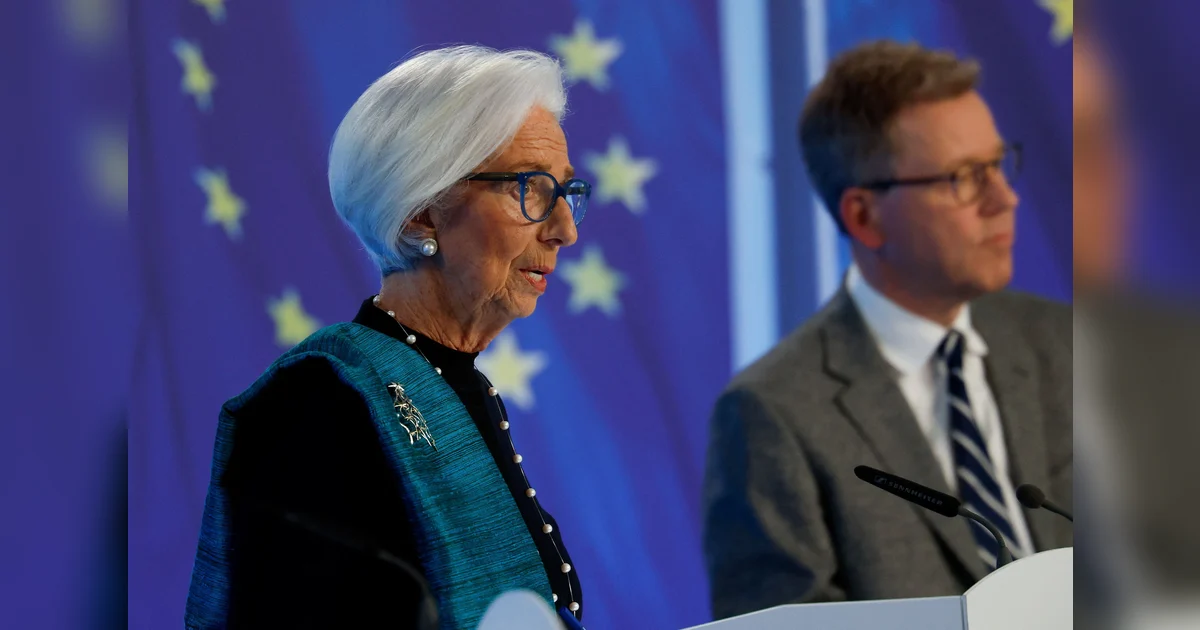
    The European Central Bank (ECB) has firmly aligned with market expectations by signaling an end to its interest rate cutting cycle, opting instead to maintain its current stance amid a significantly improved economic outlook. During its December meeting, the ECB Governing Council held its key deposit rate steady at 2.0% for the fourth consecutive meeting, marking a pivotal moment in the eurozone’s monetary policy trajectory.

    President Christine Lagarde reinforced the bank’s position that policy remains ‘in a good place,’ while explicitly acknowledging that neither rate cuts nor hikes were discussed during the deliberations. This stance comes as the ECB unveiled upgraded inflation projections for both 2025 and 2026, with the 2026 forecast notably revised upward to 1.9% from the previous 1.7% estimate.

    The bank’s inaugural 2028 inflation projection provided particularly significant insight, showing a return to the ECB’s coveted 2% target. Concurrent upward revisions to growth forecasts further strengthened the argument against additional monetary easing, effectively dismantling the dovish perspective that anticipated further cuts to address potential inflation undershooting.

    Market participants responded to the ECB’s communications with increased betting on the timing of the first rate hike, briefly pricing in more than a 50% probability of an increase by March 2027 before settling around 30%. This represents a dramatic reversal from earlier expectations that had anticipated potential cuts as recently as early December.

    The ECB’s hawkish pivot gained momentum following recent comments from policymaker Isabel Schnabel, who had suggested that the bank’s next move might indeed be a hike. Lagarde’s subsequent remarks served as measured pushback against these expectations, emphasizing the ‘highly uncertain’ outlook and the bank’s commitment to maintaining policy flexibility amid evolving economic conditions.

  • GCC set for stronger growth in 2026 as economies gain momentum

    GCC set for stronger growth in 2026 as economies gain momentum

    The Gulf Cooperation Council (GCC) economies are positioned for a notable growth acceleration in 2026, with projections indicating a robust expansion despite persistent challenges in global oil markets. According to the latest analysis from Oxford Economics, regional GDP growth is forecast to reach 4.4% in 2026, marking a significant improvement from the anticipated 4% growth in 2025.

    This optimistic outlook follows two years of subdued performance characterized by oil production constraints and volatile global economic conditions. The projected acceleration signals a fundamental strengthening across Gulf economies, driven primarily by resilient non-energy sectors, vigorous consumer activity, and gradually recovering hydrocarbon output.

    Consumer spending has emerged as a cornerstone of the region’s economic resilience. Favorable conditions including low inflation, tight labor markets, and growing disposable incomes are creating powerful tailwinds for household expenditure. With unemployment rates hovering at record lows and continued foreign investment inflows supporting diversification initiatives, consumer-led economic activity is expected to dominate the regional growth narrative throughout 2026.

    Financial sector dynamics are further supporting this expansion. GCC central banks, maintaining their dollar peg policies, are anticipated to mirror expected Federal Reserve rate cuts, thereby reducing borrowing costs across the region. This monetary environment is likely to sustain elevated credit growth while encouraging both household spending and business investment.

    The hydrocarbon sector presents a more complex picture. OPEC+ production constraints are expected to persist through the first half of 2026 amid elevated global inventories and softer oil prices, potentially dipping below $60 per barrel early in the year. This temporary limitation may particularly affect economies with higher dependence on oil extraction. However, analysts project a production rebound in the latter half of 2026 as inventory levels normalize and global demand strengthens. Qatar stands out as a regional exception, with substantial expansions in liquefied natural gas production expected to drive exceptional economic performance.

    Fiscal policies across the GCC are demonstrating strategic divergence in response to evolving revenue conditions. Saudi Arabia has outlined a 2026 budget featuring a 6% reduction in capital expenditure as part of deficit reduction efforts. Conversely, more diversified economies including the UAE are pursuing expansionary fiscal measures, with the federation’s 2026 budget envisioning a substantial 29% increase in both spending and revenues, reflecting confidence in non-oil sector performance and commitment to long-term economic transformation.

    Despite near-term risks associated with oil price volatility and global demand uncertainties, the GCC’s economic foundation appears increasingly solid. The convergence of consumer resilience, non-energy sector vitality, improving hydrocarbon dynamics, and strategic fiscal management suggests the region is entering one of its most balanced growth phases in recent years, with clear upward momentum in overall economic expansion.

  • XDC Network hosts ADFW leaders’ as institutions accelerate blockchain adoption

    XDC Network hosts ADFW leaders’ as institutions accelerate blockchain adoption

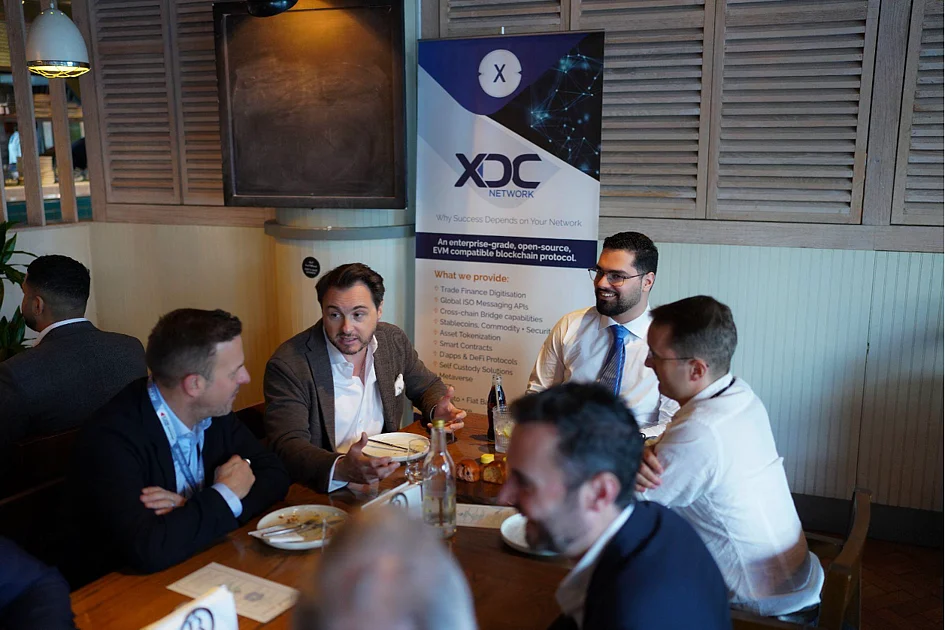
    Abu Dhabi has emerged as the epicenter for institutional blockchain integration as XDC Network, in collaboration with Zodia Markets, convened an exclusive gathering of financial titans during Abu Dhabi Finance Week (ADFW). The private luncheon, titled “Capital OnChain,” assembled senior representatives from Citi, State Street, Coinbase, Circle, Galaxy, Bitgo, Standard Chartered, and other leading institutions to advance strategic dialogues on distributed ledger technology.

    The closed-door forum facilitated candid discussions on three critical industry priorities: enhancing cross-border settlement efficiency, overcoming institutional adoption barriers, and developing frameworks for real-world asset tokenization. This high-level convergence signals a significant acceleration in blending traditional finance with blockchain infrastructure.

    Atul Khekade, Co-Founder of XDC Network, emphasized the transformative momentum: “The integration of distributed ledger technology into global capital markets requires precisely this type of collaborative environment where major institutions and blockchain innovators can forge essential partnerships.”

    Hosted by Abu Dhabi Global Market (ADGM), ADFW has rapidly established itself as a cornerstone of global financial leadership, attracting institutions managing over $42 trillion in assets. The event featured participation from regulatory bodies including VARA, alongside prominent market participants such as Brevan Howard, Further Ventures, DRW, Selini Capital, and 3iQ Corp.

    Industry participants highlighted the UAE’s evolution into a global digital asset hub, underpinned by ADGM’s clear regulatory frameworks and strong governmental support for financial innovation. The discussions reflected a growing institutional shift toward on-chain finance solutions that promise enhanced operational efficiency, reduced costs, and innovative financial product development.

    The consensus among attendees confirmed that such exclusive forums are instrumental in accelerating blockchain adoption within traditional finance, positioning infrastructure platforms like XDC Network as foundational elements in the evolving digital asset ecosystem.

  • Ajman Bank launches digital extension scheme to boost smart services

    Ajman Bank launches digital extension scheme to boost smart services

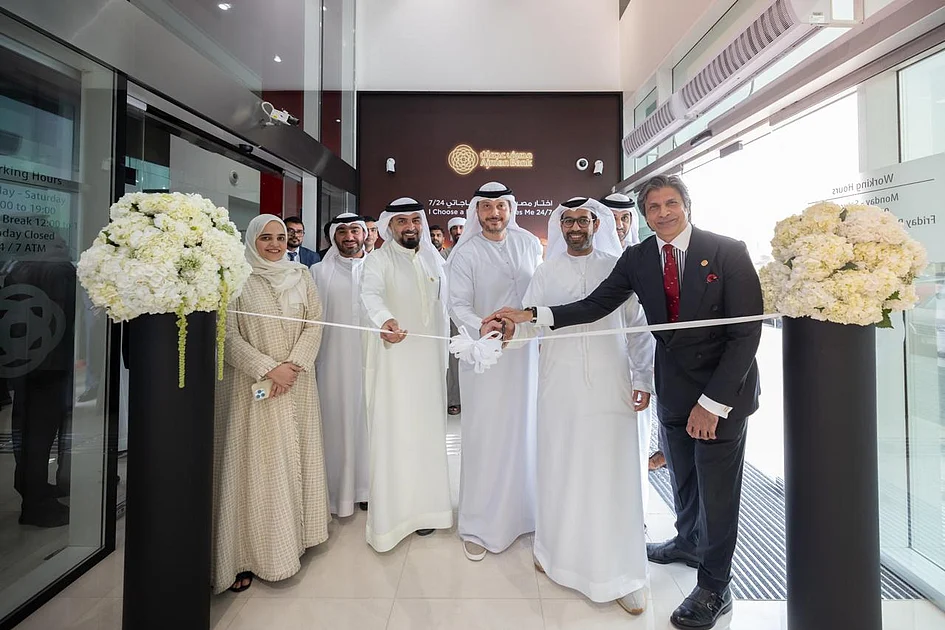
    Ajman Bank has inaugurated a groundbreaking Digital Extension initiative, marking a significant advancement in its portfolio of intelligent, customer-focused financial services. This innovative platform is engineered to deliver seamless access to essential banking operations through a technologically sophisticated environment, enhancing both efficiency and convenience while upholding rigorous standards of service quality and Shariah compliance.

    The Digital Extension facilitates instantaneous account openings via iPad-enabled onboarding systems, provides smart digital assistance, and enables customers to execute numerous critical banking transactions digitally. Available services encompass IBAN certificate issuance, liability and clearance certificates, reference letters, detailed bank statements, and SWIFT message confirmations. Additionally, customers can digitally update personal information including email addresses and mobile numbers, and submit postponement requests through a fully streamlined digital process.

    Faizal Kundil, Head of Consumer Banking at Ajman Bank, emphasized the practical implications of this development: ‘This launch signifies a tangible evolution in our service delivery methodology. We are dedicated to simplifying routine banking, minimizing processing durations, and ensuring customers can conduct essential transactions with maximum efficiency, all while maintaining robust governance, security, and Shariah compliance.’

    The initiative incorporates automation and intelligent technologies to navigate customers through their banking requirements, resulting in accelerated turnaround times, improved consistency, and an elevated overall experience. This digital expansion complements the bank’s physical branch network while supporting its comprehensive transformation strategy across digital services and operational frameworks.

    Mohammed Mardas, Head of Distribution at Ajman Bank, noted the paradigm shift in retail banking: ‘Contemporary customers demand immediacy, transparency, and autonomy whether opening accounts, requesting documentation, or managing daily banking activities. By integrating instant account opening, intelligent digital assistance, and an extensive array of self-service transactions, we empower customers to complete crucial procedures seamlessly, eliminating reliance on physical counters or manual processing.’

    This strategic move reflects Ajman Bank’s commitment to modernizing service delivery mechanisms and responding to dynamically evolving customer expectations regarding speed, accessibility, and user experience.

  • UAE launches first electronic system to settle blood money claims

    UAE launches first electronic system to settle blood money claims

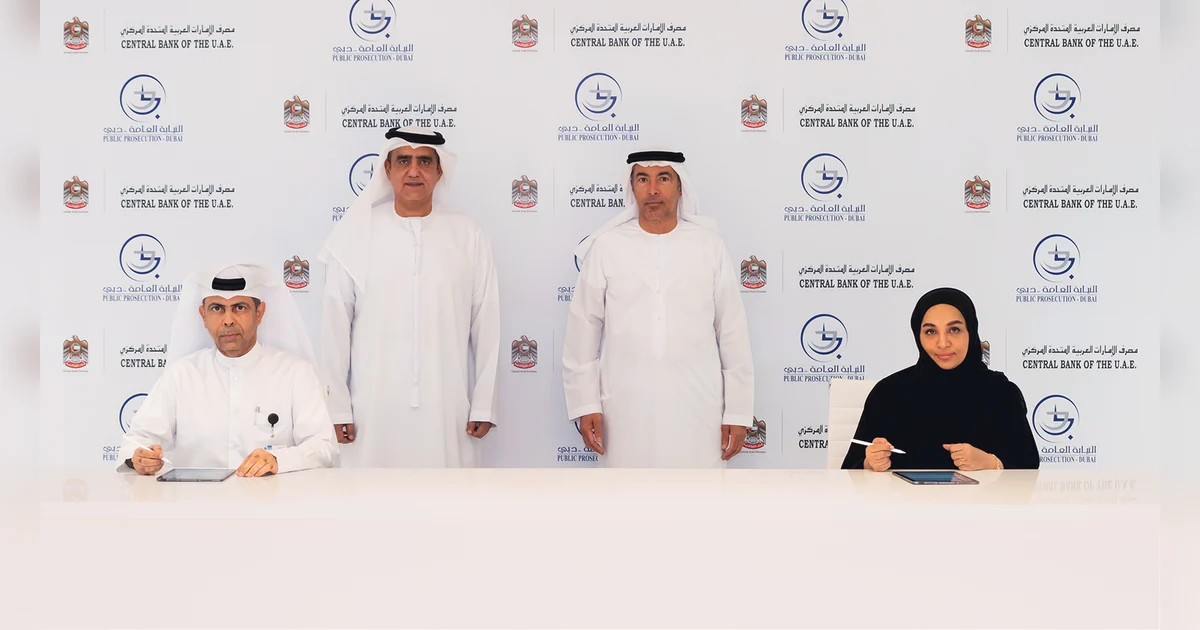
    The United Arab Emirates has entered a new era of judicial efficiency with the groundbreaking launch of an electronic system dedicated to processing blood money claims. This innovative platform represents a collaborative effort between the Central Bank of the UAE (CBUAE) and Dubai Public Prosecution (DPP), marking a significant milestone in the nation’s digital transformation journey.

    The newly implemented system establishes automated procedures and electronic integration between DPP and licensed insurance companies through CBUAE’s digital infrastructure. This technological advancement directly supports the government’s ‘Zero Bureaucracy’ initiative by streamlining previously complex administrative processes.

    During a formal ceremony attended by Khaled Mohamed Balama, Governor of CBUAE, and Essam Issa Alhumaidan, Attorney-General of Dubai, both institutions solidified their cooperation through a Memorandum of Understanding. The agreement was officially signed by Fatma Abdullah Aljabri, Assistant Governor for Financial Crime, Market Conduct and Consumer Protection, and Counselor Salah Boufrousha Alfalasi, Senior Advocate General and Head of Traffic Prosecution in Dubai.

    Officials emphasized that this pioneering project enhances service quality, improves customer experience, and strengthens consumer protection mechanisms. The system ensures seamless settlement of blood money claims while promoting stronger coordination between financial regulators, insurance providers, and judicial authorities.

    Ms. Aljabri stated that this initiative demonstrates CBUAE’s unwavering commitment to financial service development and digital transformation, aligning with broader objectives to eliminate bureaucratic barriers within the financial sector. Meanwhile, Counselor Alfalasi highlighted the project as a successful model of inter-agency cooperation that establishes robust foundations for accelerating procedures through advanced digital solutions.

  • EU leaders agree on 90 billion euro loan to Ukraine

    EU leaders agree on 90 billion euro loan to Ukraine

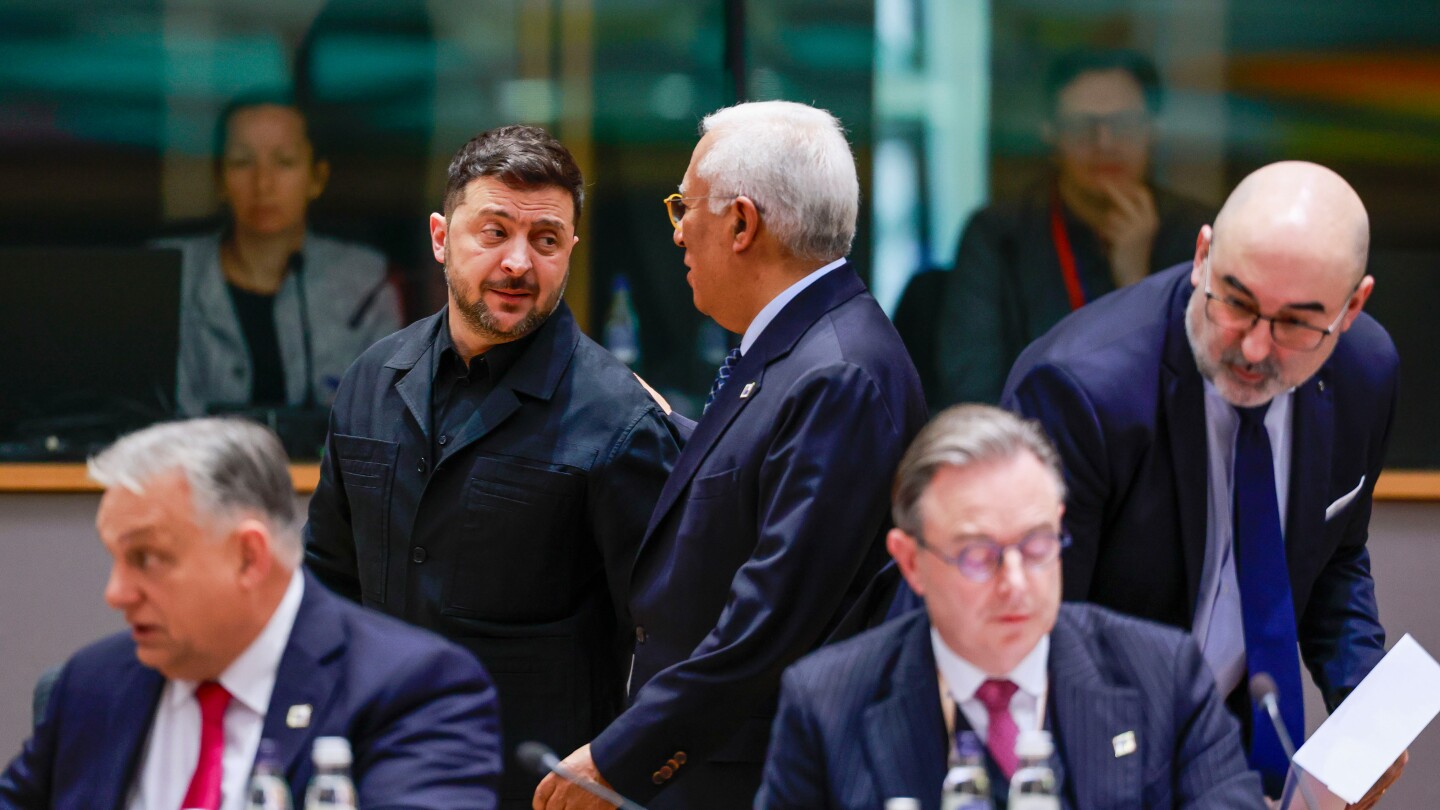
    BRUSSELS — In a decisive move to bolster Ukraine’s resilience, European Union leaders have unanimously approved a monumental financial assistance package totaling €90 billion (approximately $106 billion) for the 2026-27 period. The breakthrough agreement, announced by EU Council President Antonio Costa in the early hours of Friday, follows marathon negotiations that extended through Thursday night.

    The substantial aid package, structured as interest-free loans, is designed to address Ukraine’s pressing military requirements and economic stabilization needs amid ongoing conflict. President Costa confirmed the historic decision through social media, declaring “We committed, we delivered,” though specific mechanisms for fund allocation remain undisclosed.

    Critical to the agreement was addressing security concerns raised by Belgium, which sought assurances against potential retaliation from Russia for supporting the Ukrainian loan package. Diplomatic sources indicate that EU leaders provided substantial guarantees to alleviate these concerns, demonstrating the complex geopolitical calculations underlying the decision.

    This financial commitment represents the EU’s most significant demonstration of support for Ukraine since the conflict began, underscoring the bloc’s strategic determination to maintain Ukrainian sovereignty and economic viability. The agreement signals continued European unity in responding to Russian aggression while establishing a financial framework for Ukraine’s medium-term stability.

  • NGOs condemn UN agreement with Saudi security chief implicated in Khashoggi murder

    NGOs condemn UN agreement with Saudi security chief implicated in Khashoggi murder

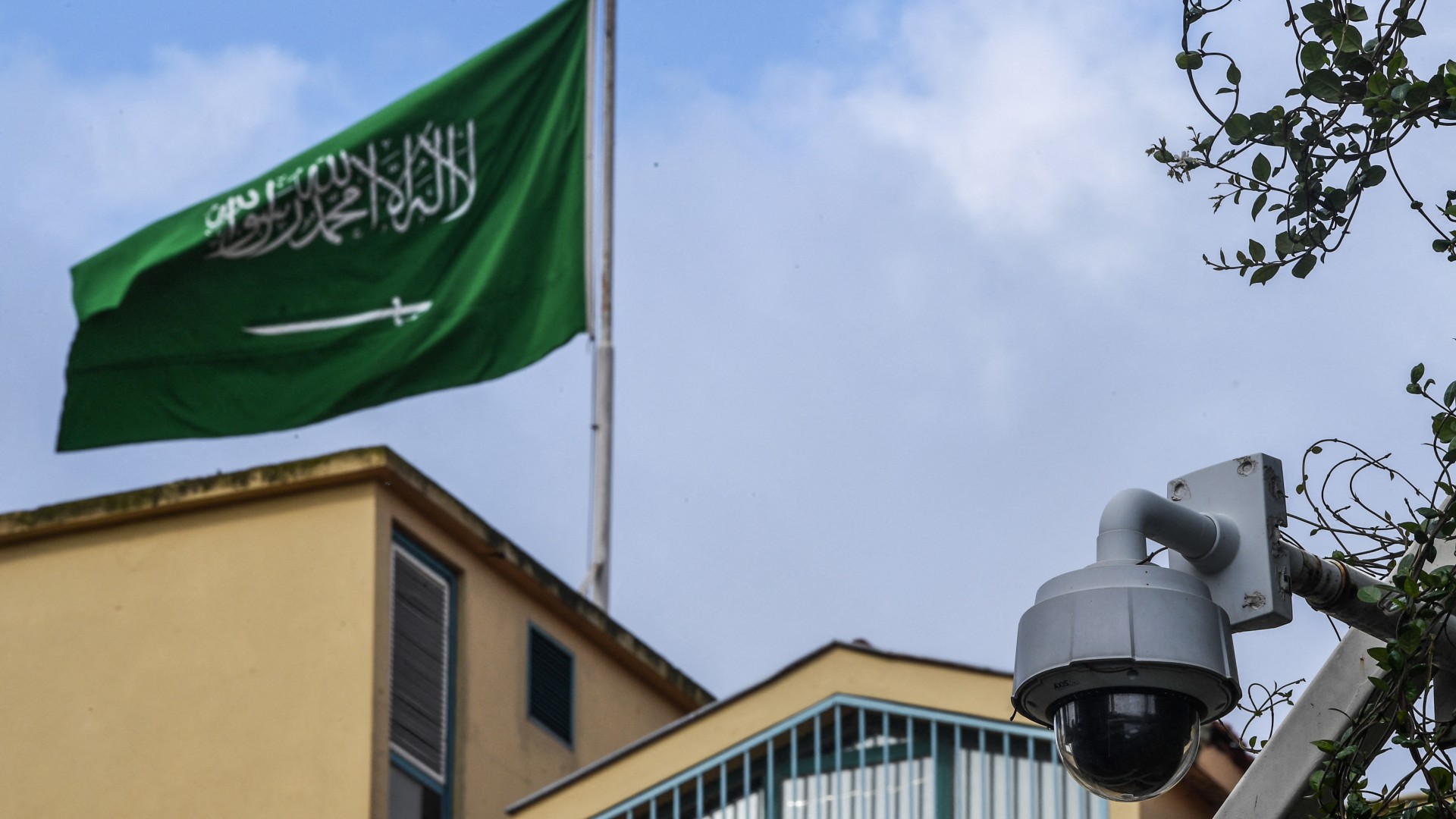
    Human rights organizations Alqst and MENA Rights Group have formally protested to the United Nations regarding its counterterrorism office’s controversial partnership agreement with Saudi Arabia’s security apparatus, led by an official implicated in the assassination of journalist Jamal Khashoggi.

    In a letter addressed to Alexandre Zouev, the UN’s acting undersecretary general for counterterrorism, the groups expressed “profound alarm” over the memorandum of understanding signed between the UN Counter-Terrorism Centre (UNCCT) and Saudi Arabia’s Presidency of State Security (PSS) during Zouev’s recent visit to Riyadh.

    The agreement was signed with PSS chief Abdulaziz al-Howairini, whom a UN investigation by former Special Rapporteur Agnes Callamard directly linked to the 2018 Istanbul consulate murder of the Washington Post columnist. US intelligence agencies believe Crown Prince Mohammed bin Salman authorized the assassination.

    Callamard’s definitive report documented how Saudi state security officials coordinated all aspects of the operation, including private jet travel and accommodations for the assassination team. Additional reporting by The Guardian in December 2021 placed Howairini at luxury Riyadh villas housing individuals charged with Khashoggi’s murder.

    The rights organizations revealed they had previously urged Zouev’s office to adhere to UN principles and international law before finalizing any agreement, receiving only generic responses that ignored their specific concerns. Three weeks later, the UN signed the partnership despite its own human rights due diligence policy requiring assessment of potential support to security forces implicated in violations.

    Tanya Boulakovski of MENA Rights Group stated the agreement “formalizes a partnership with a state security apparatus responsible for widely documented human rights abuses, including arbitrary detention, torture, and enforced disappearance of peaceful dissidents.”

    Saudi Arabia has repeatedly been accused of weaponizing counterterrorism legislation to suppress dissent through executions, torture, and political imprisonment. UN human rights experts have extensively documented these violations across multiple committees and special rapporteurs.

    In a concerning development, Saudi Arabia was additionally selected to chair a new working group on “countering terrorist travel” despite its systematic use of travel bans against human rights defenders and their families, as exemplified by women’s rights activist Loujain al-Hathloul and her parents.