作者: admin

  • Age limit for blood donors may be raised

    Age limit for blood donors may be raised

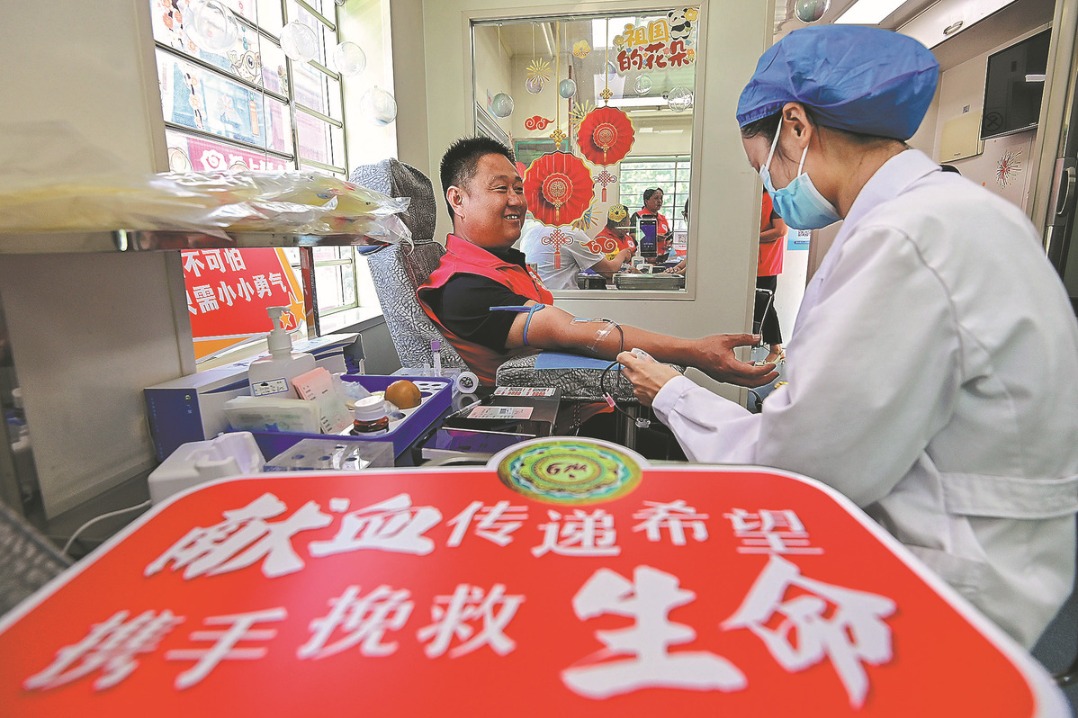
    China is poised to significantly revise its blood donation policies by potentially raising the maximum donor age from 55 to 65 years and reducing the minimum donation interval from six months to just 90 days. The National Health Commission announced these proposed changes on Wednesday as part of a draft amendment to the country’s Blood Donation Law, which has remained unchanged since its inception in 1997.

    The initiative aims to align China’s blood donation standards with international practices and contemporary medical research. According to the commission, these adjustments would help address the nation’s persistent blood shortages while maintaining strict safety protocols. All prospective donors will continue to undergo comprehensive health screenings to ensure donation safety.

    The proposed revisions draw support from both global benchmarks and successful regional implementations. The World Health Organization recommends an donor age range of 18-65 years, while several developed nations including the United States, Canada, Australia, and Japan have either adopted similar upper age limits or eliminated them entirely. Chinese provinces such as Hainan and Jiangxi, along with the city of Shenzhen, have already demonstrated the feasibility of these relaxed standards through local regulations.

    Medical evidence presented by the commission indicates that donating 400 milliliters of blood represents less than 10% of total blood volume in adults, causing no harm to healthy individuals. Blood regeneration typically completes within one to two weeks following donation.

    The draft legislation also introduces enhanced protections and incentives for donors, including financial subsidies, additional paid leave, and prioritized access to medical services. Donors would receive exemptions from blood processing costs, while their immediate family members would qualify for either full exemptions or reduced fees. The proposal further mandates establishing at least one fixed donation station in each county-level region, with additional facilities in high-demand areas.

    Despite a national blood donation rate of 11.4 donors per 1,000 people, China continues to experience seasonal, regional, and blood-type-specific shortages exacerbated by an aging population and evolving lifestyles. The commission emphasized that safeguarding donor health and ensuring blood safety remain fundamental principles throughout this modernization effort.

  • Putin tells his annual news conference that the Kremlin’s military goals will be achieved in Ukraine

    Putin tells his annual news conference that the Kremlin’s military goals will be achieved in Ukraine

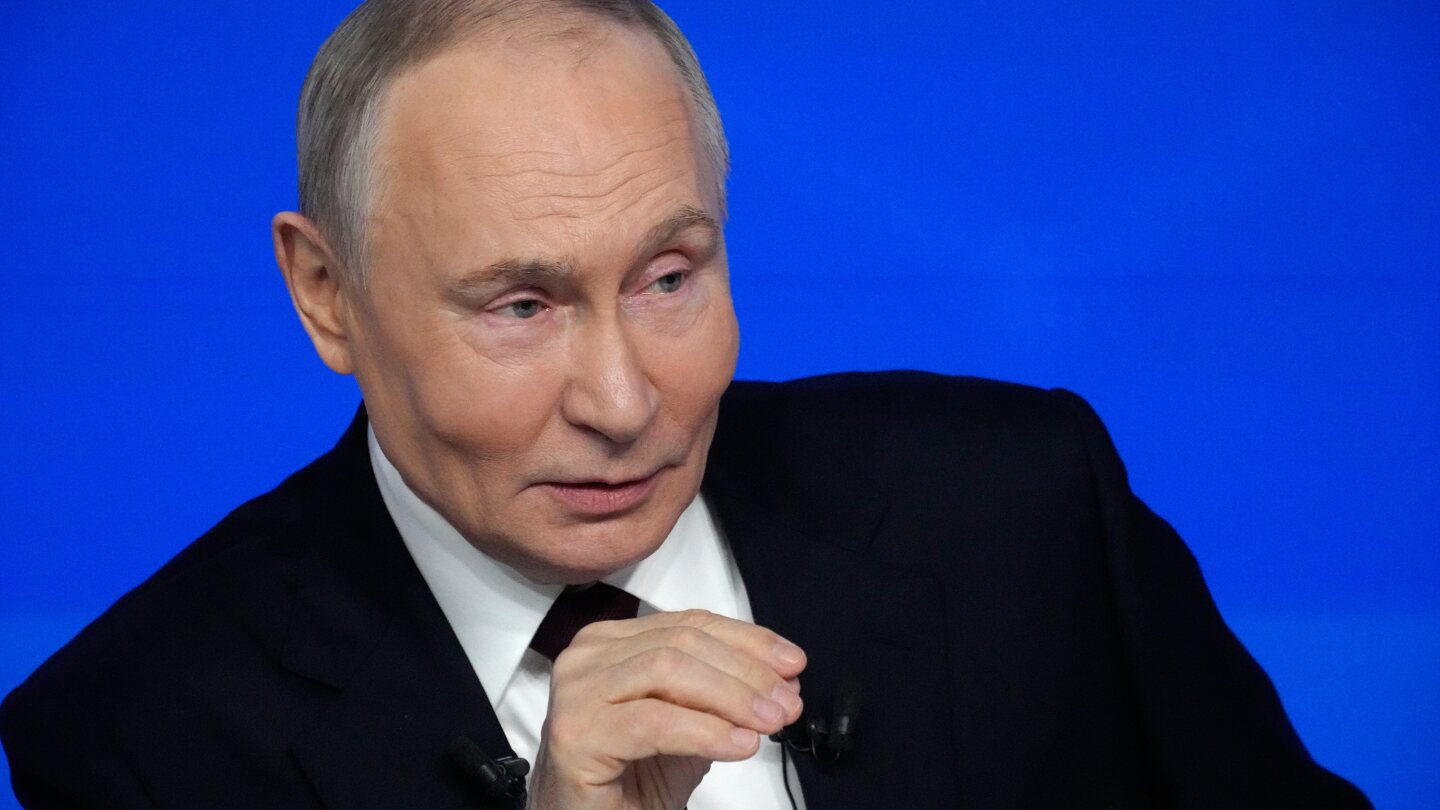
    Russian President Vladimir Putin asserted during his annual year-end press conference that Moscow’s military forces have gained complete strategic initiative in the ongoing Ukraine conflict. Addressing the nation in a carefully orchestrated event that combined a live news conference with a nationwide call-in program, the Russian leader expressed unwavering confidence that the Kremlin’s military objectives would ultimately be achieved.

    Putin emphasized that Russian troops are consistently advancing across the entire line of contact, though he acknowledged the pace varies across different sectors. ‘Our troops are progressing throughout the combat zone, with some areas witnessing faster advancement than others, but the enemy continues to retreat across all fronts,’ the Russian president stated.

    The conflict, which approaches its fourth anniversary since Putin initially ordered troops into Ukraine, has evolved significantly from its initial phase when Ukrainian forces successfully repelled Russia’s attempt to capture Kyiv. The warfare has since transformed into a grueling battle of attrition, with Moscow’s military making gradual but persistent territorial gains despite failing to achieve the rapid victory many analysts had anticipated.

    Regarding potential peace negotiations, Putin reaffirmed Moscow’s readiness for a diplomatic settlement that would address what he termed the ‘root causes’ of the conflict. However, the Russian leader’s conditions remain extensive and largely unacceptable to Kyiv. These demands include international recognition of Russia’s claimed annexation of four Ukrainian regions and Crimea, which Moscow illegally seized in 2014. Additionally, Putin insists Ukraine must withdraw its forces from certain eastern territories not currently under Russian control.

    The Kremlin further demands that Ukraine abandon its aspirations to join the NATO alliance and cease all military cooperation with Western nations. Putin has repeatedly stated that any NATO troop deployments would be considered ‘legitimate targets.’ Other conditions include mandatory limitations on the size of Ukraine’s military forces and granting official status to the Russian language within Ukraine’s governmental and administrative structures.

    Earlier this week, Putin warned that Moscow would continue expanding its territorial control if Kyiv and its Western allies reject these demands. The statement comes as international observers closely monitor Putin’s response to peace proposals reportedly put forward by the United States, though diplomatic efforts have encountered significant obstacles due to the fundamentally incompatible positions of both warring parties.

  • A sunrise crowd gathers at Bondi Beach in solace and defiance after a massacre

    A sunrise crowd gathers at Bondi Beach in solace and defiance after a massacre

    SYDNEY — Five days after a horrific antisemitic shooting claimed 15 lives at a Hanukkah celebration near Bondi Beach, thousands of Sydney residents returned to the iconic waterfront Friday for a powerful demonstration of communal healing and solidarity. The hastily organized gathering marked the first full day of the beach’s reopening since Sunday’s tragedy, with participants forming a massive human circle in the ocean waters as a symbolic gesture of unity.

    Against a backdrop of emerging questions about protection for Jewish communities and concerns about potential Muslim backlash, armed police stood guard at both synagogues and mosques across Sydney. The emotional commemoration saw strangers embracing and weeping along the shoreline, where remnants of crime scene tape and abandoned shoes served as haunting reminders of the panic that unfolded during the attack.

    The ceremony included a minute’s silence honoring the victims, the wounded, and those who risked their lives to save others. Even as grief permeated the gathering, normalcy gradually returned to the famous beachfront, with joggers, dog walkers, and coffee drinkers resuming their daily routines amid the enduring hum of Bondi’s characteristic vitality.

    In a nation where mass shootings remain exceptionally rare, Australians have been particularly shaken by the violence. Many sought comfort in their familiar coastal rituals—dawn swims, surfing, and community connection—expressing fervent hopes that the country’s relaxed way of life would endure undisturbed.

    Heroic narratives have emerged as central to the national response, with particular attention given to Ahmed al Ahmed, an Australian Muslim store owner born in Syria who tackled and disarmed one gunman before being shot by the other. From his hospital bed, al Ahmed delivered a message of unity: ‘They deserve to enjoy and it’s their right… to stand together, all human beings.’ His subsequent declaration of Australia as ‘the best country in the world’ and his spirited ‘Aussie, Aussie, Aussie’ chant have become symbols of national pride.

    The tragedy has sparked both profound solidarity and difficult conversations. Record-breaking blood donations—nearly 35,000 donations with over 100,000 appointments booked—demonstrated the communal response, while Jewish leaders expressed both grief and rage that such violence could occur. As bouquets accumulated at makeshift memorials, residents emphasized the importance of genuine connection over political opportunism in the healing process.

    Bondi Beach’s lifeguards prepared to return to duty Saturday, six days after they responded to the emergency barefoot with first aid kits in hand. The planting of their red and yellow flags in the sand will signal another step toward restoration at Australia’s most famous shoreline.

  • US suspends green card lottery scheme after Brown shooting

    US suspends green card lottery scheme after Brown shooting

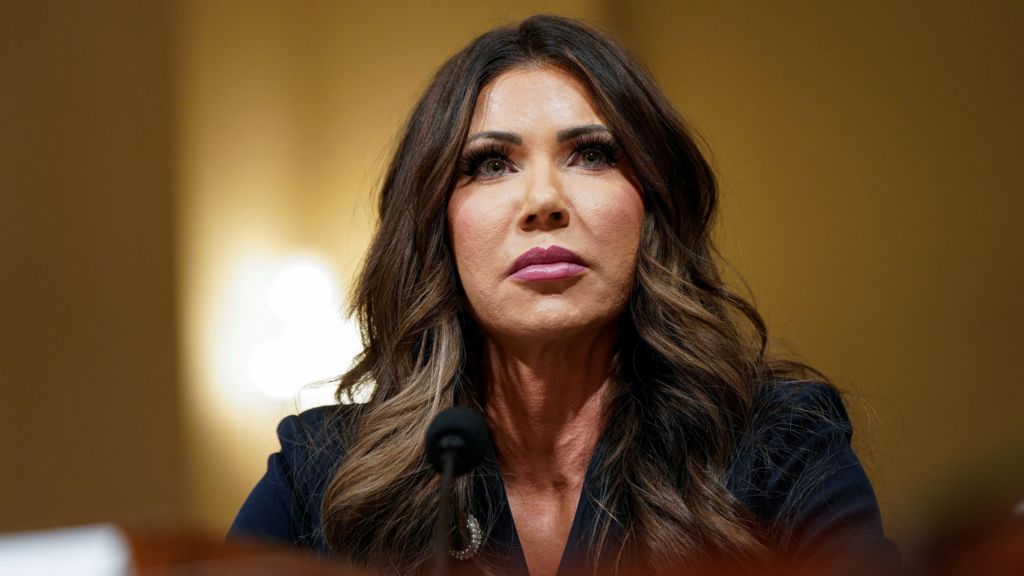
    In response to a tragic shooting incident at Brown University that resulted in multiple casualties, the Trump administration has implemented an immediate suspension of the Diversity Visa Lottery program. The decisive action comes after authorities identified Claudio Neves Valente, a 48-year-old Portuguese national, as the prime suspect in both the university shooting and the separate killing of an MIT professor.

    Homeland Security Secretary Kristi Noem announced the program’s suspension under presidential directive, stating the suspect ‘should never have been allowed in our country.’ Valente had originally entered the United States through the diversity lottery system in 2017 and subsequently obtained permanent residency.

    The DV-1 program, which annually allocates up to 50,000 visas through randomized selection from countries with historically low immigration rates to the U.S., faces renewed scrutiny following this incident. Secretary Noem referenced previous security concerns, noting that the 2017 New York truck attack perpetrator had similarly entered through the program.

    Law enforcement officials concluded a six-day multistate manhunt when Valente was discovered deceased in a New Hampshire storage facility from an apparent self-inflicted gunshot wound. Investigators connected Valente to both crimes through vehicular evidence, CCTV footage, and witness accounts. Authorities recovered two firearms and a satchel at the scene.

    The tragic events began on December 13th when a gunman opened fire in Brown University’s engineering building during final examinations, resulting in two student fatalities and nine injuries. Just two days later, Massachusetts Institute of Technology professor Nuno Loureiro was fatally shot at his Brookline residence. Police confirmed both men had attended the same Portuguese university in the late 1990s, though no motive has been established for either attack.

  • World’s longest expressway tunnel to open to traffic in Xinjiang by year-end

    World’s longest expressway tunnel to open to traffic in Xinjiang by year-end

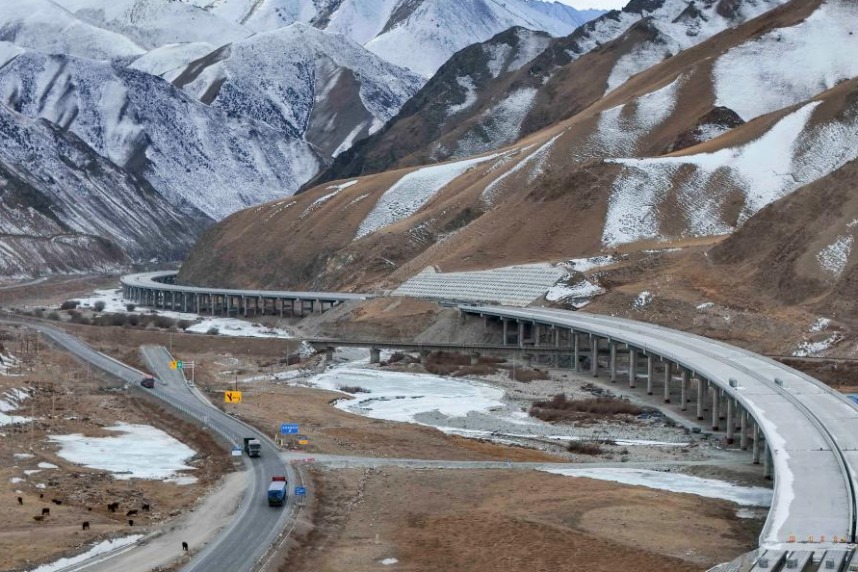
    URUMQI – A monumental engineering achievement is poised to transform transportation in Northwest China as the Tianshan Shengli Tunnel, now recognized as the world’s longest expressway tunnel, prepares to open to traffic by the conclusion of 2025. This 22.13-kilometer engineering marvel will forge a critical new thoroughfare directly through the formidable Tianshan Mountains, effectively bridging the northern and southern regions of Xinjiang Uygur Autonomous Region for the first time.

    The announcement was formally made by Guo Sheng, Deputy Director of the regional transport department, during a press conference hosted by the Information Office of the Xinjiang regional government on Thursday. Guo emphasized that the tunnel constitutes the centerpiece of the new Urumqi-Yuli Expressway, a project specifically designed to eliminate a persistent transportation bottleneck. This bottleneck has historically impeded economic integration and coordinated development between the northern and southern areas of the vast region.

    The operational impact of the tunnel will be dramatic. The arduous journey across the central Tianshan range, which previously consumed several hours on treacherous mountain roads, will be reduced to a smooth and safe 20-minute drive. On a broader scale, travel between the regional capital of Urumqi, located north of the mountains, and the major southern city of Korla will be slashed from a seven-hour undertaking to approximately three hours. This unprecedented connectivity is expected to unlock significant economic potential, facilitate cultural exchange, and enhance logistical efficiency across Xinjiang, marking a new chapter in the region’s development.

  • HKSAR govt releases first-ever Chinese medicine development blueprint

    HKSAR govt releases first-ever Chinese medicine development blueprint

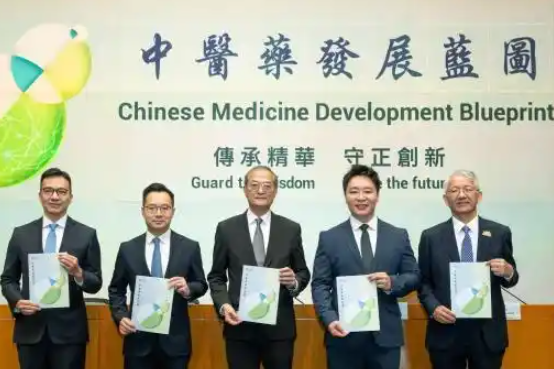
    HONG KONG – In a landmark move for healthcare development, the Hong Kong Special Administrative Region (HKSAR) government has formally launched its inaugural Chinese Medicine Development Blueprint on December 19, 2024. This comprehensive strategic document represents the region’s first systematic framework for advancing traditional Chinese medicine (TCM) within its healthcare ecosystem.

    The blueprint establishes a multi-phase implementation strategy with clearly defined short-term, medium-term, and long-term objectives across five critical domains: TCM clinical services, professional development, pharmaceutical advancement, cultural preservation, and international expansion. The strategic plan specifically emphasizes enhancing clinical service excellence through clearly defining TCM’s role within Hong Kong’s broader healthcare infrastructure.

    A key component of the initiative involves establishing sophisticated interprofessional collaboration mechanisms that will integrate TCM services more effectively with conventional medical practices. The development plan also addresses pharmaceutical quality control, outlining rigorous standards and management protocols to elevate the overall quality and safety of Chinese medicinal products.

    Health Secretary Lo Chung-mau emphasized the blueprint’s dual purpose during the announcement: “This strategic framework aims to provide Hong Kong residents with higher quality, more comprehensive healthcare services through traditional Chinese medicine, while simultaneously positioning Hong Kong as the premier bridgehead for TCM’s global expansion.”

    The development blueprint emerges as part of Hong Kong’s broader commitment to healthcare innovation and cultural preservation, potentially establishing new international standards for traditional medicine integration within modern healthcare systems.

  • Parents in India devastated as children with thalassemia test HIV positive

    Parents in India devastated as children with thalassemia test HIV positive

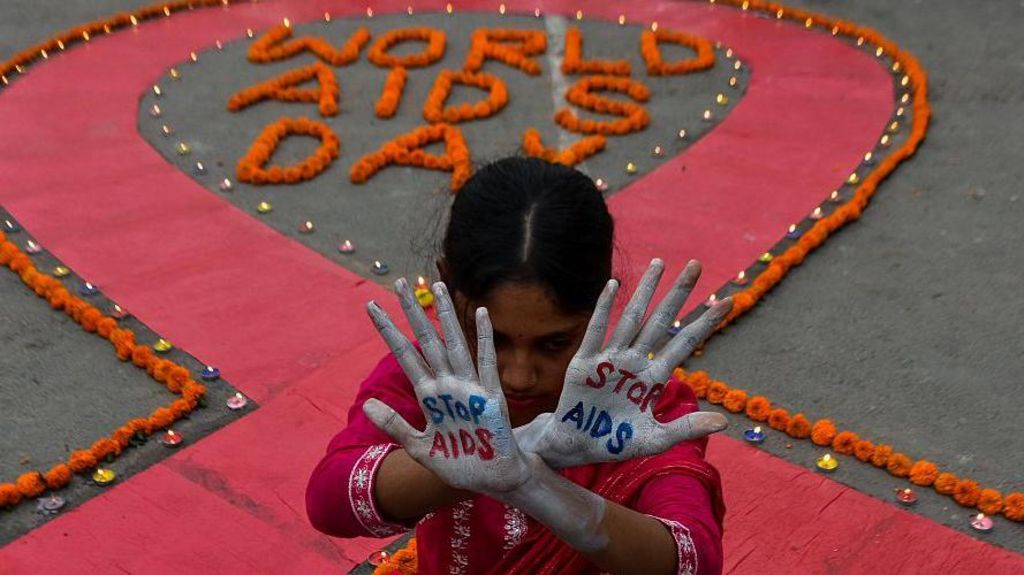
    A disturbing pattern of HIV transmission through blood transfusions has emerged across India, exposing critical gaps in the nation’s healthcare safety protocols. In Madhya Pradesh’s Satna district, five thalassemia patients aged 3-15 have tested positive for HIV following life-saving transfusion procedures, according to state health authorities. This incident mirrors a similar tragedy weeks earlier in Jharkhand, where five children under eight contracted the virus through contaminated blood at a government hospital.

    Thalassemia, a genetic blood disorder requiring regular transfusions to manage severe anemia, has placed thousands of Indian children in vulnerable positions. Despite routine HIV screening protocols, the window period of infection—when donors carry the virus but test negative—remains a persistent challenge. Health officials confirm the affected children received transfusions at multiple facilities, including both government hospitals and private clinics.

    Dr. Manoj Shukla, Satna’s chief medical officer, emphasized that all blood units from district hospital banks undergo mandatory government testing before release. “In rare cases,” he noted, “donors in early HIV stages may escape detection during initial screenings but test positive later.” The investigation has revealed that in only one case did both parents test HIV-positive; other cases ruled out mother-to-child transmission.

    This crisis has reignited demands for the National Blood Transfusion Bill 2025, which advocates say would establish stricter regulations for blood collection, testing, and transfusion practices. Campaigners—including previously infected patients—describe the legislation as a crucial step toward ensuring quality-assured blood for transfusion-dependent individuals.

    The human impact extends beyond medical concerns. Families face severe social stigma and discrimination alongside their children’s health battles. One Jharkhand family was forcibly evicted from their rented home after their landlord discovered their 7-year-old son’s HIV status, compelling them to relocate to a remote village with limited access to healthcare and education.

    With over 2.5 million Indians living with HIV and approximately 66,400 new infections annually, these incidents highlight systemic vulnerabilities in healthcare infrastructure, particularly in rural areas. While antiretroviral therapy has transformed HIV into a manageable condition, the psychological and social consequences continue to devastate affected families.

  • Ten photos from across China: Dec 12 – 18

    Ten photos from across China: Dec 12 – 18

    China Daily Information Co (CDIC) maintains exclusive copyright protection for all content published on its digital platform, according to the website’s terms of use. All materials, including textual content, photographic images, and multimedia information published since 1994 remain the intellectual property of CDIC.

    The publication explicitly prohibits any republication or utilization of its content without obtaining prior written authorization. The restriction applies to all forms of content usage beyond personal viewing. The website additionally recommends that visitors utilize displays with 1024*768 resolution or higher for optimal viewing experience.

    As part of its operational framework, the platform holds Registration Number 130349 and multimedia publishing license 0108263. The website provides comprehensive information regarding corporate background, advertising opportunities, and contact channels for various purposes including employment inquiries, particularly highlighting expatriate employment positions.

    The platform also encourages visitors to connect through their social media channels, providing pathways for ongoing engagement with China Daily’s content and community initiatives.

  • Keith Lee wins top prize at first TikTok Awards in US

    Keith Lee wins top prize at first TikTok Awards in US

    The Hollywood Palladium in Los Angeles served as the glittering backdrop for TikTok’s inaugural US Awards ceremony, where content creator Keith Lee claimed the prestigious Creator of the Year honor. The event, hosted by television personality La La Anthony, recognized platform talent across fourteen distinct categories through a fan-voted process.

    Amid the celebratory atmosphere, the ceremony unfolded concurrently with significant corporate developments as TikTok’s Chinese parent company ByteDance finalized agreements to transfer majority control of its US operations to a consortium of American and international investors. This strategic move, set for completion on January 22nd, resolves prolonged national security concerns raised by Washington policymakers.

    The awards presentation featured an array of celebrity participants including Paris Hilton, Olympic gymnast Jordan Chiles, and business personality Bethenny Frankel as presenters. Performance segments showcased R&B artist Ciara and the enigmatic online persona Mr. Fantasy, widely speculated to be actor KJ Apa’s alternate identity.

    Other notable recipients included Jeremiah Brown (@findjeremiah) as Rising Star of the Year, Tini Younger (@tinekeyounger) for Storyteller of the Year, and the Valentine brothers (@valentinebrothers) who received the TikTok for Good award. Bretman Sacayanan (@bretmanrock) secured Video of the Year honors for his creatively choreographed piece featuring poultry and the musical track “Anxiety” by Doechii.

    The ownership transition arrangement specifies that ByteDance will maintain 19.9% stake in the US operations, while Oracle, Silver Lake, and Abu Dhabi’s MGX will each control 15%. The remaining 30.1% will be distributed among existing ByteDance investor affiliates, establishing a new governance framework for the popular social media platform.

  • Turkey asked Russia to take back S-400 system: Report

    Turkey asked Russia to take back S-400 system: Report

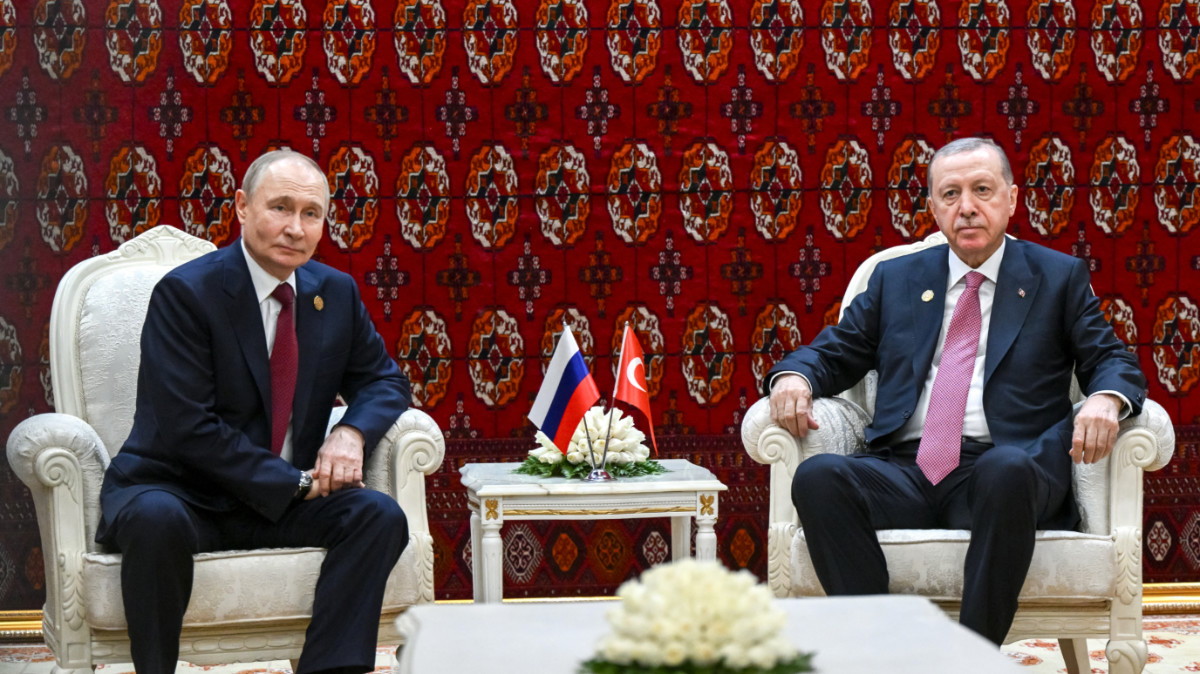
    In a significant diplomatic reversal, Turkey has formally requested that Russia repatriate its S-400 air defense systems, signaling Ankara’s renewed efforts to reintegrate into the U.S. F-35 fighter jet program. This strategic pivot occurred during recent high-level discussions between Turkish President Recep Tayyip Erdogan and Russian President Vladimir Putin in Turkmenistan, according to Bloomberg reports.

    The development follows confirmed negotiations between Ankara and Washington regarding Turkey’s potential return to the F-35 co-production initiative, as disclosed by U.S. Ambassador to Turkey Tom Barrack through official communications. Barrack emphasized that ongoing dialogues specifically address both Turkey’s aspiration to rejoin the advanced fighter program and its continued possession of Russian-made defense systems.

    Turkey’s exclusion from the F-35 program originated in 2019 following its controversial acquisition of the S-400 system, which triggered bipartisan condemnation in the U.S. Congress. Legislators imposed substantial sanctions and embedded restrictive measures within the 2020 National Defense Authorization Act, explicitly prohibiting F-35 transfers unless Turkey verifiably divests from the Russian technology.

    This request represents a notable departure from Turkey’s previous stance, which advocated maintaining the S-400 systems in dormant storage while simultaneously pursuing F-35 acquisition. Earlier proposed compromises involved storing the Russian systems under NATO inspection protocols to ensure non-activation, though Turkey had consistently rejected transferring the technology to third nations.

    The geopolitical landscape has shifted considerably under the Trump administration, which has increasingly valued Turkey’s regional influence regarding Syrian operations and Hamas mediation in Gaza. According to Aaron Stein of the Foreign Policy Research Institute, the potential sale of approximately 40 F-35s to Turkey represents a substantial economic and strategic incentive for renewed cooperation, despite objections from traditional U.S. allies in the region.