作者: admin

  • UAE celebrity real estate boom: How stars turn Dubai’s skyline into global icons

    UAE celebrity real estate boom: How stars turn Dubai’s skyline into global icons

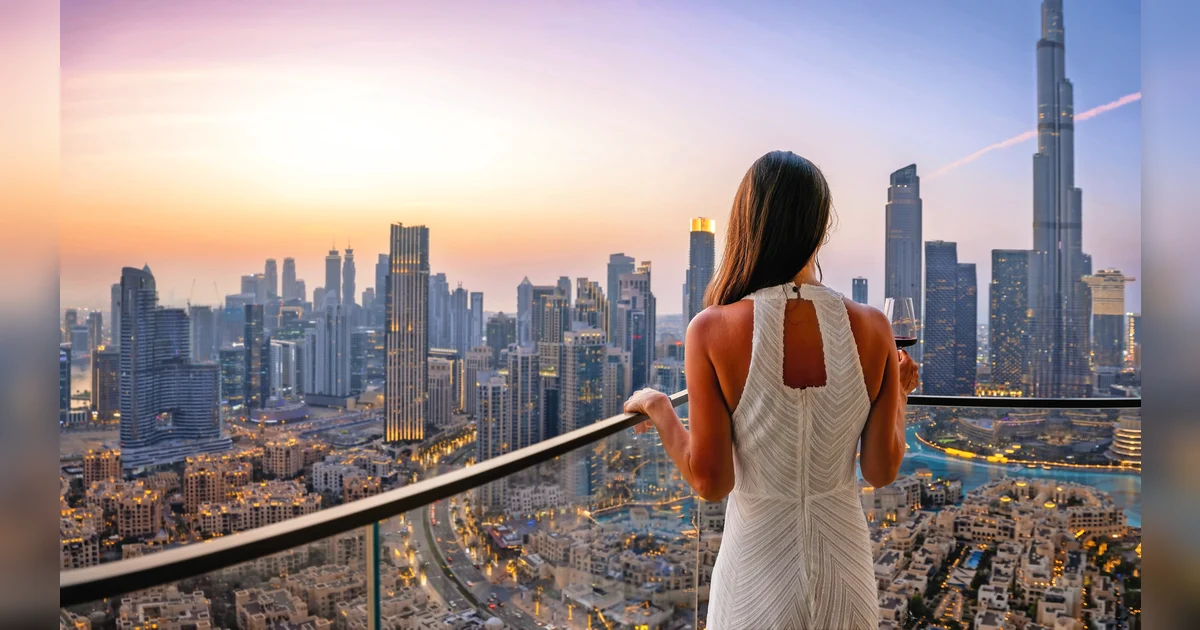
    The United Arab Emirates has pioneered a revolutionary approach to urban development by strategically integrating celebrity influence into its real estate ecosystem. This transformative fusion of entertainment prestige and architectural ambition is fundamentally reshaping how properties are conceived, marketed, and perceived on the global stage.

    Beyond conventional marketing, the UAE has mastered the art of narrative-driven development where buildings transcend their physical form to become embodiments of aspiration. The presence of A-list celebrities—from Bollywood royalty like Shah Rukh Khan and power couple Alia Bhatt-Ranbir Kapoor to football legend Neymar Jr.—imparts a mythological quality to developments that conventional advertising cannot achieve.

    This strategic alignment operates on profound psychological principles. Recognition bypasses analytical hesitation—a familiar face registers faster than architectural specifications. Social proof validates quality when global icons invest personally. Fantasy projection enables buyers to envision themselves within curated lifestyles. Most importantly, narrative stickiness ensures properties become conversation pieces through celebrity associations rather than mere structural details.

    The economic impact is substantial: celebrity-backed projects achieve instant international exposure across diverse markets from Mumbai to São Paulo, experience accelerated sales cycles through emotional resonance, maintain stronger resale value due to symbolic worth, and attract new categories of cross-border investors seeking culturally-validated assets.

    Looking forward, this synergy is evolving toward deeper collaboration. The next decade will likely witness celebrities transitioning from ambassadors to co-designers of bespoke spaces, athlete-driven wellness communities with integrated training facilities, digital property launches in virtual environments, and influence-curated micro-communities targeting specific fan demographics.

    The UAE’s skyline has thus become a dynamic canvas where entertainment mythology merges with urban planning—transforming concrete and glass into cultural landmarks that represent not just where people live, but who they aspire to become.
  • Minute’s silence held to remember Bondi Beach attack victims

    Minute’s silence held to remember Bondi Beach attack victims

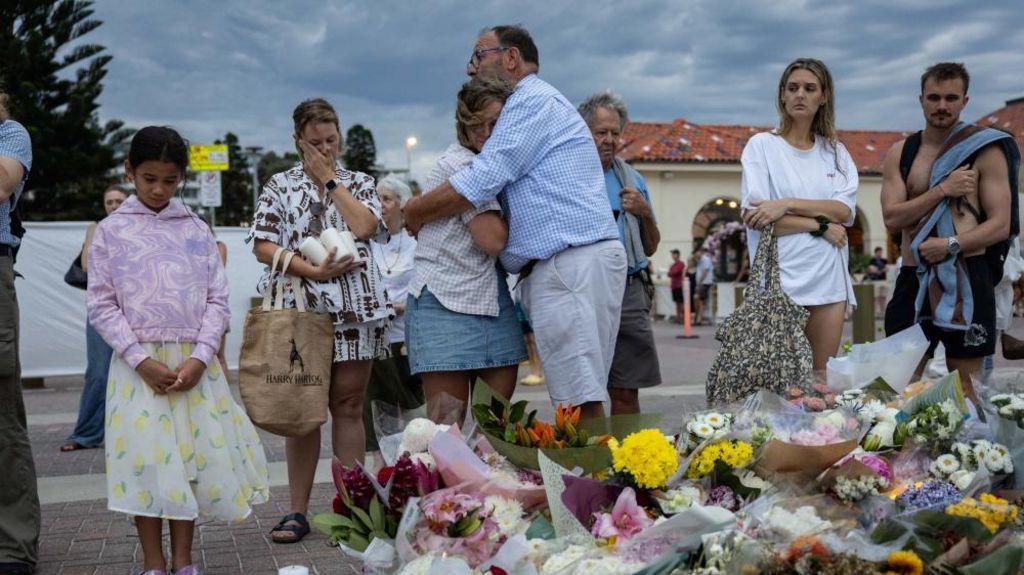
    Australia stood united in solemn remembrance on Sunday evening as the nation observed a minute of silence precisely one week after a devastating terrorist attack at Sydney’s iconic Bondi Beach. The national day of reflection honored the 15 victims killed when two gunmen opened fire during a Hanukkah celebration, including a 10-year-old girl, a British-born rabbi, and a Holocaust survivor.

    The memorial ceremony at Bondi Beach unfolded under unprecedented security measures, with armed riot squad officers securing cordoned areas and police patrol boats visible offshore—an unusual sight for most Australians. Hundreds gathered wearing kippas and draped in Australian flags, creating a powerful visual representation of solidarity.

    The emotional weight of the ceremony centered on poignant tributes to the youngest victims. Bee balloons floated in honor of 10-year-old Matilda, known affectionately as ‘Matilda Bee,’ while the crowd later sang ‘Waltzing Matilda,’ the song that inspired her name. The memorial took an especially moving turn when 14-year-old Chaya, who was shot while protecting strangers’ children, addressed the crowd using crutches. ‘Be the light in that field of darkness,’ she urged the nation, receiving a standing ovation.

    The event concluded with the lighting of the menorah—a ritual interrupted by the attack the previous week—while countless homes across Australia lined their windowsills with candles in a nationwide gesture symbolizing ‘light over darkness.’

    Political tensions surfaced dramatically when Prime Minister Anthony Albanese faced audible hostility from attendees, with one individual shouting ‘Blood on your hands’ as he arrived. The Jewish community’s anger stems from what they describe as inadequate government response to rising antisemitism following the October 2023 Hamas attack on Israel and subsequent conflict in Gaza. Albanese acknowledged the criticism, stating, ‘I accept my responsibility for the part in that as prime minister of Australia.’

    In stark contrast, New South Wales Premier Chris Minns received praise for his handling of the crisis, admitting governmental failures and attending victims’ funerals. ‘We grieve with you, and with humility, I acknowledge that the government’s highest duty is to protect its citizens. And we did not do that one week ago,’ Minns stated.

    The attack has prompted sweeping policy responses, including a national review of intelligence agencies, reforms to gun laws, and the largest gun buyback scheme since the 1996 Port Arthur massacre. Twenty-four-year-old Naveed Akram faces 59 charges, including 15 counts of murder and committing a terrorist act, while his father was killed during the attack.

  • UAE weather: More rainfall expected; lowest temperature 12°C in Abu Dhabi

    UAE weather: More rainfall expected; lowest temperature 12°C in Abu Dhabi

    The United Arab Emirates is experiencing a period of unsettled weather, characterized by cooler temperatures and anticipated rainfall. According to the National Centre of Meteorology (NCM), the forecast for the region includes generally partly cloudy skies, with the formation of low clouds particularly expected over islands and specific coastal and western areas. These conditions present a continued probability of precipitation. A notable feature of the current weather pattern is a projected slight and gradual increase in temperatures. However, residents in some coastal and western inland areas should prepare for humid conditions during nighttime and into Monday morning. Temperature readings across major emirates show a distinct chill: Abu Dhabi is forecasted to experience lows of 12°C and highs of 21°C, Dubai will see a range from 15°C to 22°C, and Sharjah will vary between 13°C and 21°C. The nation’s internal areas may see the mercury rise to a high of 25°C, while mountainous regions will bear the brunt of the cold, with temperatures potentially plummeting to a brisk 4°C. This follows the recent recording of the country’s lowest temperature at 3.5°C in Jebel Jais, Ras Al Khaimah. Wind conditions are predicted to be light to moderate overall but are expected to become active intermittently. These gusts may occasionally stir up blowing dust. The winds will primarily originate from southwesterly to northwesterly directions, with speeds fluctuating between 15 to 25 km/h and potentially reaching peaks of 40 km/h. Maritime forecasts indicate moderate seas in the Arabian Gulf, which could turn rough during periods of cloud activity. In contrast, the Sea of Oman is expected to remain moderate to slight. A specific advisory notes that conditions in the Arabian Gulf are forecast to be rough, with wave heights reaching up to 6 feet, effective from Saturday evening through Sunday morning.

  • Thousands cheer as the sun rises on winter solstice at Stonehenge

    Thousands cheer as the sun rises on winter solstice at Stonehenge

    Under the pale glow of dawn on the winter solstice, Stonehenge’s ancient stones once again served as the backdrop for one of humanity’s most enduring celestial celebrations. Thousands of pilgrims and revelers converged upon the prehistoric monument in southwest England, transforming the typically tranquil landscape into a vibrant tapestry of spiritual observance and communal festivity.

    As the shortest day of the year commenced north of the equator, participants braved the pre-dawn chill with remarkable patience. The gathering presented a striking visual spectacle—many attendees adorned in elaborate ceremonial costumes while others maintained contemplative silence among the massive stone pillars. The air resonated with rhythmic drumming and spontaneous singing, creating an auditory landscape as rich as the visual one.

    This biannual pilgrimage, occurring during both summer and winter solstices, represents far more than mere tradition. For countless participants, the experience carries profound spiritual significance, connecting modern seekers with ancient agricultural rhythms. The monument itself, constructed between 5,000 and 3,500 years ago, demonstrates remarkable astronomical precision—its stones meticulously aligned to capture the sun’s movement during these pivotal celestial events.

    While Northern Hemisphere observers marked the beginning of astronomical winter and celebrated the promise of lengthening days, simultaneous celebrations across the Southern Hemisphere honored the summer solstice—the year’s longest day. The winter solstice represents the sun’s lowest arc across the sky, yet participants universally embrace it as a moment of renewal and cosmic rebirth, anticipating the daily incremental increase of sunlight until the June solstice.

  • Brazilian president warns armed intervention in Venezuela would be ‘humanitarian catastrophe’

    Brazilian president warns armed intervention in Venezuela would be ‘humanitarian catastrophe’

    Brazilian President Luiz Inacio Lula da Silva issued a stark warning against potential armed intervention in Venezuela during his address at the 67th Summit of Heads of State of Mercosur and Associated States on Saturday. The Latin American leader characterized military action as potentially triggering “a humanitarian catastrophe” for the hemisphere while establishing a dangerous global precedent.

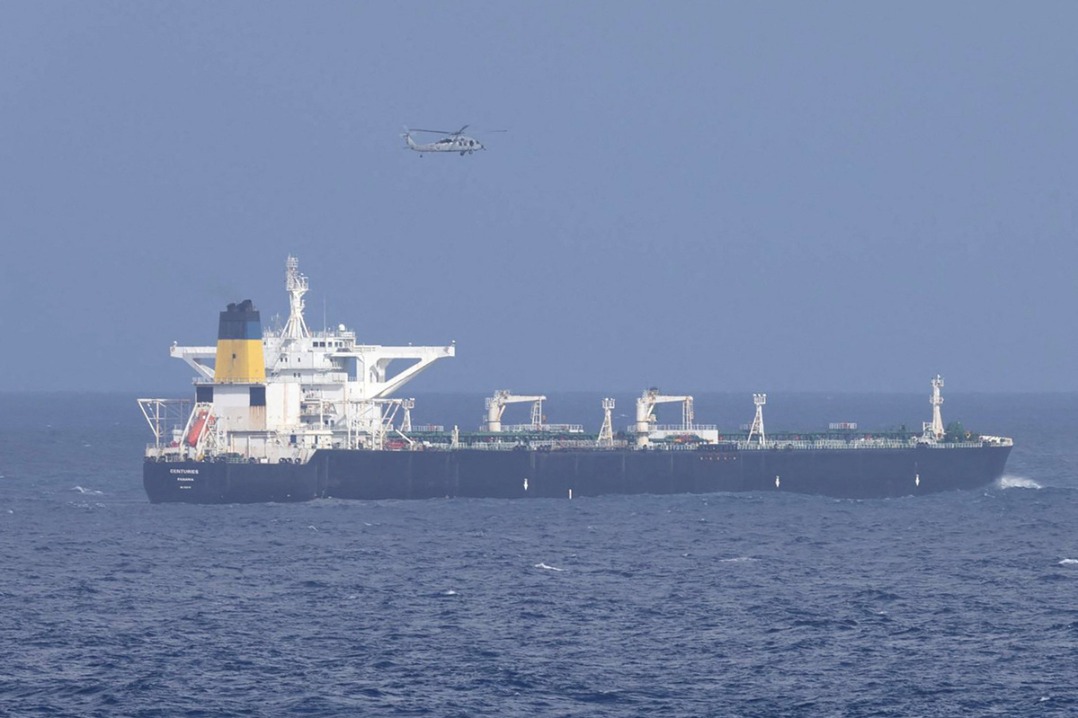
    President Lula directly referenced recent United States military maneuvers and economic sanctions against Venezuela, including the naval blockade operations intercepting oil tankers bound for Venezuelan ports. The Brazilian leader expressed profound concern over what he described as “the military presence of an extra-regional power” in Latin American affairs, emphasizing that regional prosperity and peace constitute the only acceptable doctrine for South American nations.

    Lula revealed details of a recent diplomatic exchange with US President Donald Trump, during which he advocated for negotiated solutions as fundamentally “more effective and less costly” than military confrontation. This diplomatic overture occurs alongside the Trump administration’s formal designation of Venezuelan President Nicolas Maduro’s government as “a foreign terrorist organization” and its enforcement of comprehensive oil embargo measures.

    The Brazilian president’s statements reflect growing regional unease, with multiple Latin American nations and regional blocs voicing opposition to unilateral actions against Venezuela. These entities have increasingly called upon the United Nations and broader international community to facilitate diplomatic dialogue and peaceful conflict resolution, challenging the current escalation of military and economic pressure tactics.

  • 5.5-magnitude quake hits off Japan’s Aomori Prefecture

    5.5-magnitude quake hits off Japan’s Aomori Prefecture

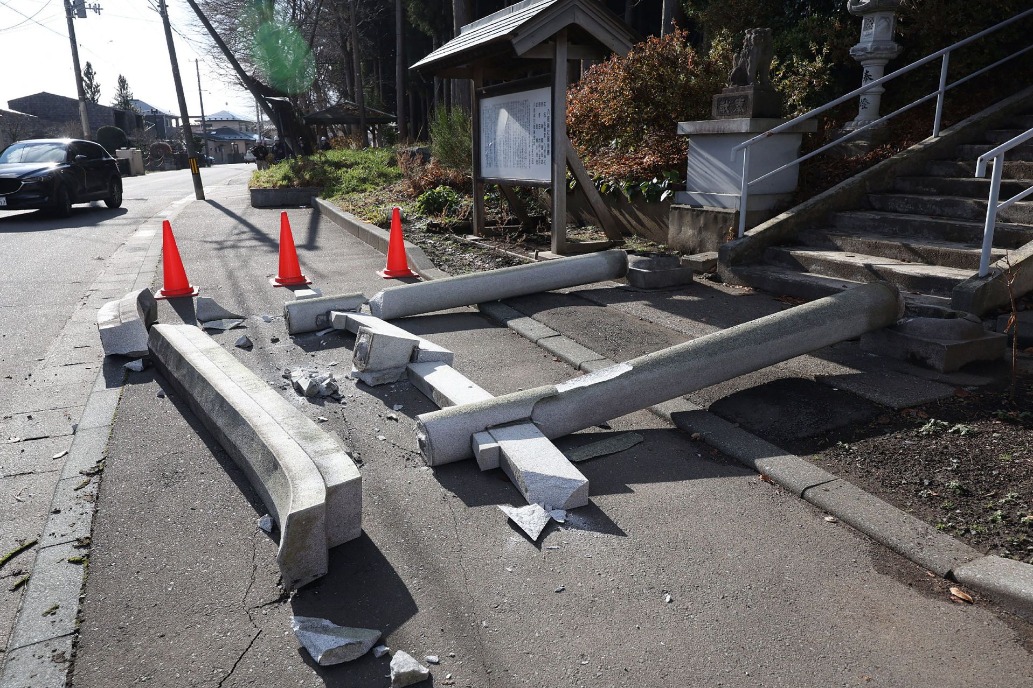
    A moderate earthquake registering 5.5 magnitude struck off the coast of Japan’s Aomori Prefecture on Sunday morning, according to the Japan Meteorological Agency (JMA). The seismic event occurred at 10:29 am local time, with its epicenter positioned approximately 50 kilometers beneath the Pacific Ocean floor at coordinates 40.7 degrees north latitude and 142.3 degrees east longitude.

    The tremblor registered a 4 on Japan’s seismic intensity scale, which peaks at 7, indicating noticeable shaking capable of awakening sleepers and causing objects to rattle significantly. Despite the substantial magnitude, meteorological authorities confirmed no tsunami advisory would be issued following comprehensive assessment of oceanic data.

    This seismic activity comes amid heightened geological sensitivity in the region. Just thirteen days prior to this event, a much more powerful 7.5 magnitude earthquake had rattled northern and northeastern Japan on December 8th. That significant temblor had prompted Japanese authorities to issue a week-long alert regarding potential aftershocks and subsequent seismic events, which was only lifted the previous Monday.

    JMA officials, while not issuing new alerts following Sunday’s quake, continued to emphasize the importance of earthquake preparedness and urged residents throughout the affected regions to maintain vigilance. The agency reiterated standard safety protocols, including taking cover during shaking and being aware of potential hazards even from moderate quakes.

    Northern Japan’s Pacific coastline remains one of the world’s most seismically active regions due to its position along the Pacific Ring of Fire, where several tectonic plates converge and frequently interact.

  • Élysée Palace silver steward arrested for stealing thousands of euros’ worth of silverware

    Élysée Palace silver steward arrested for stealing thousands of euros’ worth of silverware

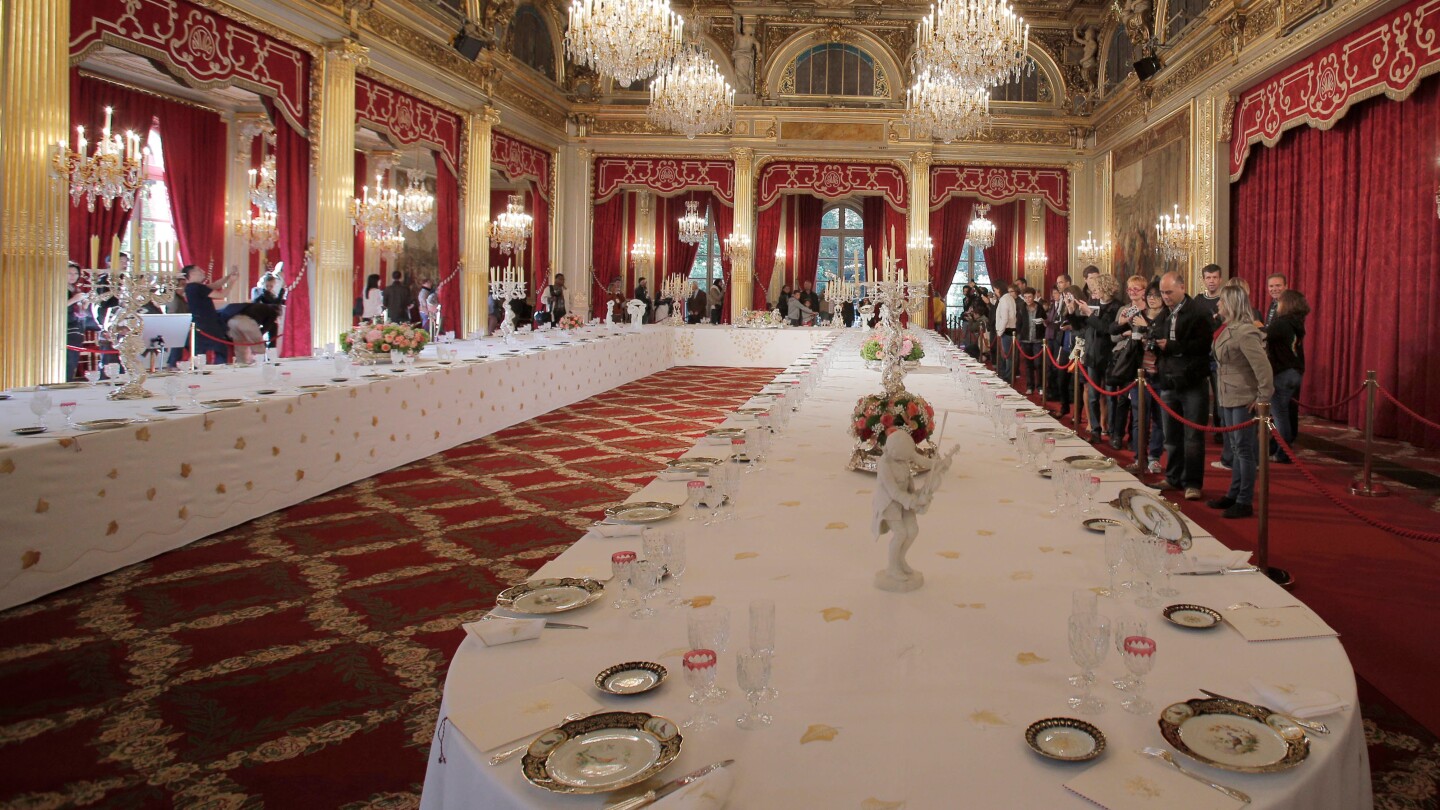
    PARIS — Three individuals will face trial next February following a sophisticated investigation into the theft of valuable silverware and table service items from the official residence of French President Emmanuel Macron. The Paris prosecutor’s office confirmed the case involves a silver steward employed at the Élysée Palace who allegedly orchestrated the theft of heritage items valued between €15,000-€40,000 ($17,500-$47,000).

    The investigation commenced when the palace’s head steward reported numerous missing items from the presidential collection. Authorities from the Sèvres Manufactory, the official supplier of Élysée tableware, subsequently identified several distinctive pieces being offered on online auction platforms. This discovery prompted an internal review that revealed suspicious inventory records maintained by one silver steward, suggesting premeditation for additional thefts.

    Forensic examination of the suspect’s digital footprint uncovered a relationship with the manager of an online tableware sales company. On the steward’s Vinted account, investigators discovered a plate marked “French Air Force” and exclusive Sèvres Manufactory ashtrays not available commercially. A comprehensive search of the primary suspect’s personal locker, vehicle, and residence yielded approximately 100 stolen objects, including copper saucepans, Sèvres porcelain, a René Lalique statuette, and Baccarat champagne coupes.

    The steward and their accomplice were apprehended on Tuesday, while authorities identified a third individual as the exclusive receiver of the stolen goods. All recovered items have been returned to the Élysée Palace collection.

    The three defendants appeared before court on Thursday facing charges of jointly stealing movable property classified as national heritage—an offense carrying penalties of up to 10 years imprisonment and €150,000 fines—along with aggravated handling of stolen goods. The court postponed the trial to February 26 and imposed strict judicial supervision measures, including contact bans between defendants, prohibition from auction venues, and suspension from professional activities.

  • Marco wins! Schwarz scores World Cup giant slalom victory with favored Marco Odermatt sixth

    Marco wins! Schwarz scores World Cup giant slalom victory with favored Marco Odermatt sixth

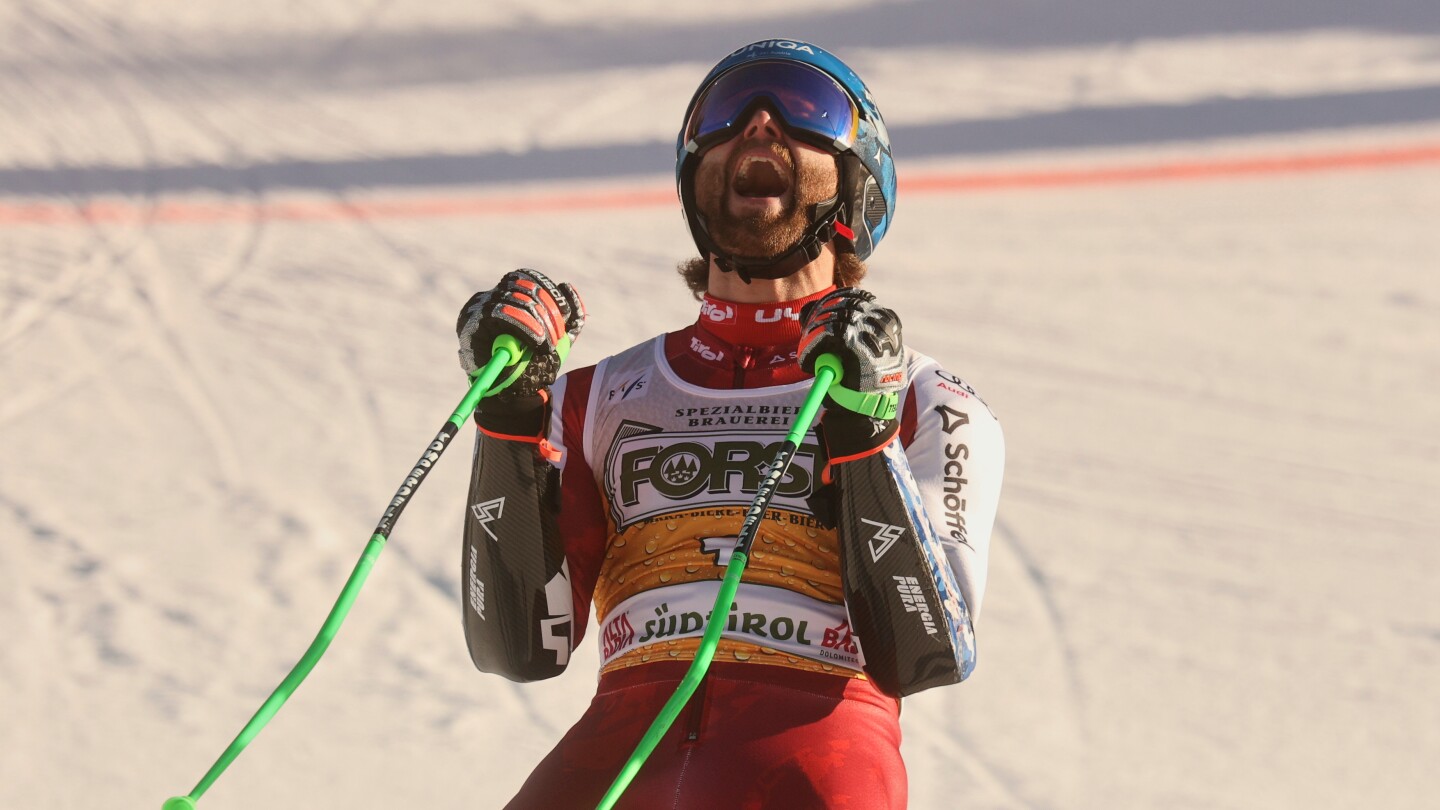
    ALTA BADIA, Italy — In a stunning reversal of expectations at the World Cup giant slalom, Austrian skier Marco Schwarz triumphed over the heavily favored Marco Odermatt on the challenging Gran Risa course. The victory marks a significant comeback for Schwarz, who spent nearly a year recovering from injury since his previous World Cup win in December 2023.

    Schwarz, starting with bib number 1, maintained his first-run advantage to secure a wire-to-wire victory, finishing 0.18 seconds ahead of Brazilian contender Lucas Pinheiro Braathen. The emotional win concluded with Schwarz embracing Austrian teammate Stefan Brennsteiner, who claimed third place.

    The outcome proved particularly surprising given Odermatt’s dominance at Alta Badia, where the Swiss skier had won five of the previous six giant slalom events. Odermatt finished a distant sixth, trailing Schwarz by 0.82 seconds and showing visible frustration upon crossing the finish line. Speculation emerged that fatigue from Odermatt’s demanding three-day speed racing program in nearby Val Gardena may have contributed to the uncharacteristic performance.

    Despite the setback, Odermatt maintains a substantial lead in the season-long overall standings, holding more than double the points of second-placed Schwarz as he pursues his sixth consecutive title.

    The race also marked several notable developments: Pinheiro Braathen’s strong performance continued his successful transition from representing Norway to Brazil, while Russian skier Aleksander Andrienko made his return to men’s World Cup competition after nearly four years of absence due to sanctions related to the Ukraine conflict. Andrienko competed with neutral status but failed to qualify for the second run.

    Additionally, the event saw the absence of Olympic contender Alexander Steen Olsen, who underwent season-ending knee surgery, removing a potential challenger to Odermatt’s giant slalom supremacy.

  • ‘Our tents flew off:’ 33 camel trekkers brave rain, strong winds as they reach Dubai

    ‘Our tents flew off:’ 33 camel trekkers brave rain, strong winds as they reach Dubai

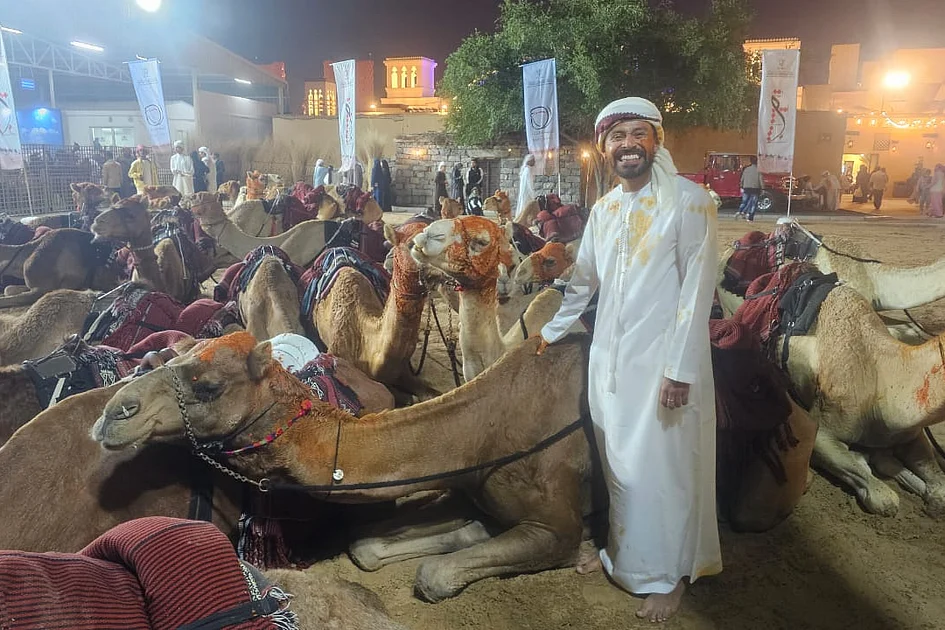
    A team of 33 determined trekkers has triumphantly completed an extraordinary 1,000-kilometer camel expedition across the United Arab Emirates, overcoming severe weather conditions that tested their physical and mental endurance. The three-week journey, among the longest camel treks ever recorded in the region, culminated in Dubai despite confronting torrential rains and powerful desert winds that disrupted their campsites.

    During the final leg of their arduous adventure, participants faced unprecedented challenges as heavy precipitation transformed arid landscapes into flooded terrain. Sleeping bags became saturated, tents were destabilized by gale-force winds, and some shelter structures were completely blown away. Huo Xiaozhe, a seven-year veteran of the annual trek from China’s Henan province, described the conditions as the most demanding she had encountered. ‘Our tents and sleeping bags were completely drenched. One night, we remained awake throughout, conversing until morning instead of attempting to sleep,’ she recounted.

    Remarkably, the camels demonstrated exceptional adaptability throughout the meteorological turmoil. According to multiple participants, the animals maintained composure despite the tempestuous conditions. ‘The camels were undisturbed the entire time. They managed the rainfall more effectively than humans,’ Huo observed. David, a Colombian expatriate and experienced rider, noted the species’ innate desert survival capabilities: ‘They seal their nostrils to prevent sand intrusion, and their eyes possess natural protective mechanisms. My camel remained tranquil even during the most intense storm periods.’

    The expedition showcased diverse Emirati landscapes, traversing from northwestern coastal regions with pristine white sands and azure waters to deep desert territories near Saudi and Omani borders, including the formidable Empty Quarter. Dr. Rachel Stratton, another participant, expressed astonishment at the geographical variety: ‘Each day presented distinctly different scenery. For a single nation to contain such landscape diversity is genuinely remarkable.’

    Organizational improvements were particularly evident compared to previous years, according to David Berney, a Spanish expatriate residing in the UAE who participated in earlier treks. ‘Four years ago, we were still developing management protocols for such expeditions. Current operations are significantly more streamlined and professionally coordinated,’ he noted. The 2025 route was intentionally extended to approximately double previous distances, deliberately testing the endurance limits of both human participants and their camel companions.

    Despite the hardships, all trekkers expressed profound satisfaction upon completion, with many already anticipating future editions. The journey not only demonstrated human resilience and camel capabilities but also revealed rarely witnessed aspects of the UAE’s protected desert wilderness areas that remain inaccessible to most visitors.

  • Why is Afcon taking place in December?

    Why is Afcon taking place in December?

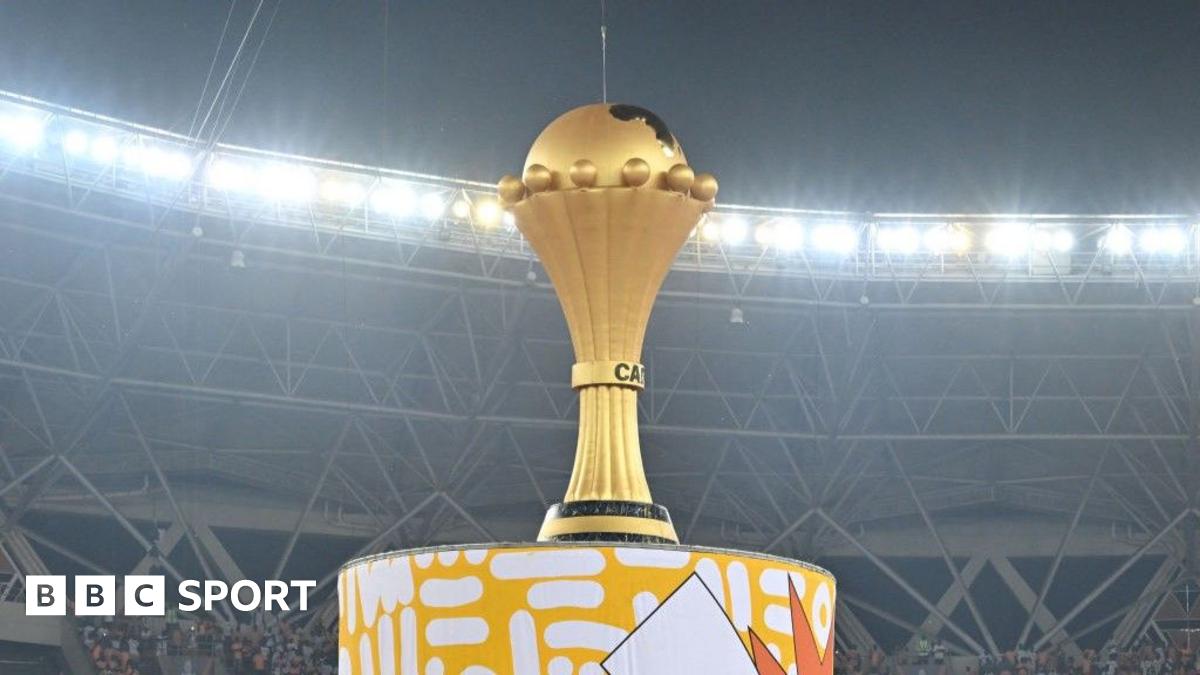
    In a significant scheduling shift, the 2025 Africa Cup of Nations (AFCON) will now take place from December 21, 2025, to January 18, 2026, across six Moroccan cities: Rabat, Casablanca, Marrakech, Agadir, Tangier, and Fez. This marks the first time the tournament will commence in December rather than its traditional January-February timeframe.

    The rescheduling decision primarily stems from FIFA’s expanded Club World Cup, which occupies the summer 2025 calendar slot originally intended for AFCON. While the move avoids direct scheduling conflicts with UEFA’s Champions League and Europa League (resuming January 20 and 22, 2026), it has created substantial preparation challenges. Players will be released from their clubs on December 15, leaving national teams with merely one week for pre-tournament preparations—a timeframe that has drawn sharp criticism from coaches.

    Angola’s coach Patrice Beaumelle characterized the situation as “nonsense,” stating that proper team preparation is impossible within “just two or three sessions.” This compressed timeline contrasts with Morocco’s original summer hosting vision, which aimed to boost tourism and showcase infrastructure ahead of its co-hosting role for the 2030 World Cup with Spain and Portugal.

    Historically, AFCON’s winter scheduling accommodates Africa’s diverse climate patterns, avoiding rainy seasons and extreme heat that characterize summer months in many host nations. The tournament has been held primarily in January-February since the 2019 edition in Egypt, with the 2023 Ivory Coast tournament similarly moved from summer 2022 due to weather concerns.

    In a parallel development, Confederation of African Football president Patrice Motsepe announced on December 20 that AFCON will transition from its traditional biennial format to a quadrennial cycle starting in 2028. This structural change aligns AFCON with other major international tournaments and follows proposals by FIFA president Gianni Infantino, who previously suggested September-November scheduling to minimize club conflicts.