作者: admin

  • ‘Extremely cunning’ suspect in deadly Taiwan knife attack planned it for over a year

    ‘Extremely cunning’ suspect in deadly Taiwan knife attack planned it for over a year

    TAIPEI — A meticulously orchestrated assault that claimed three lives and injured eleven individuals has sent shockwaves through Taiwan’s capital, revealing an alarming level of premeditation by the perpetrator. According to Taipei police authorities, 27-year-old Chang Wen spent over eighteen months planning the multi-phase attack that unfolded with chilling precision last Friday.

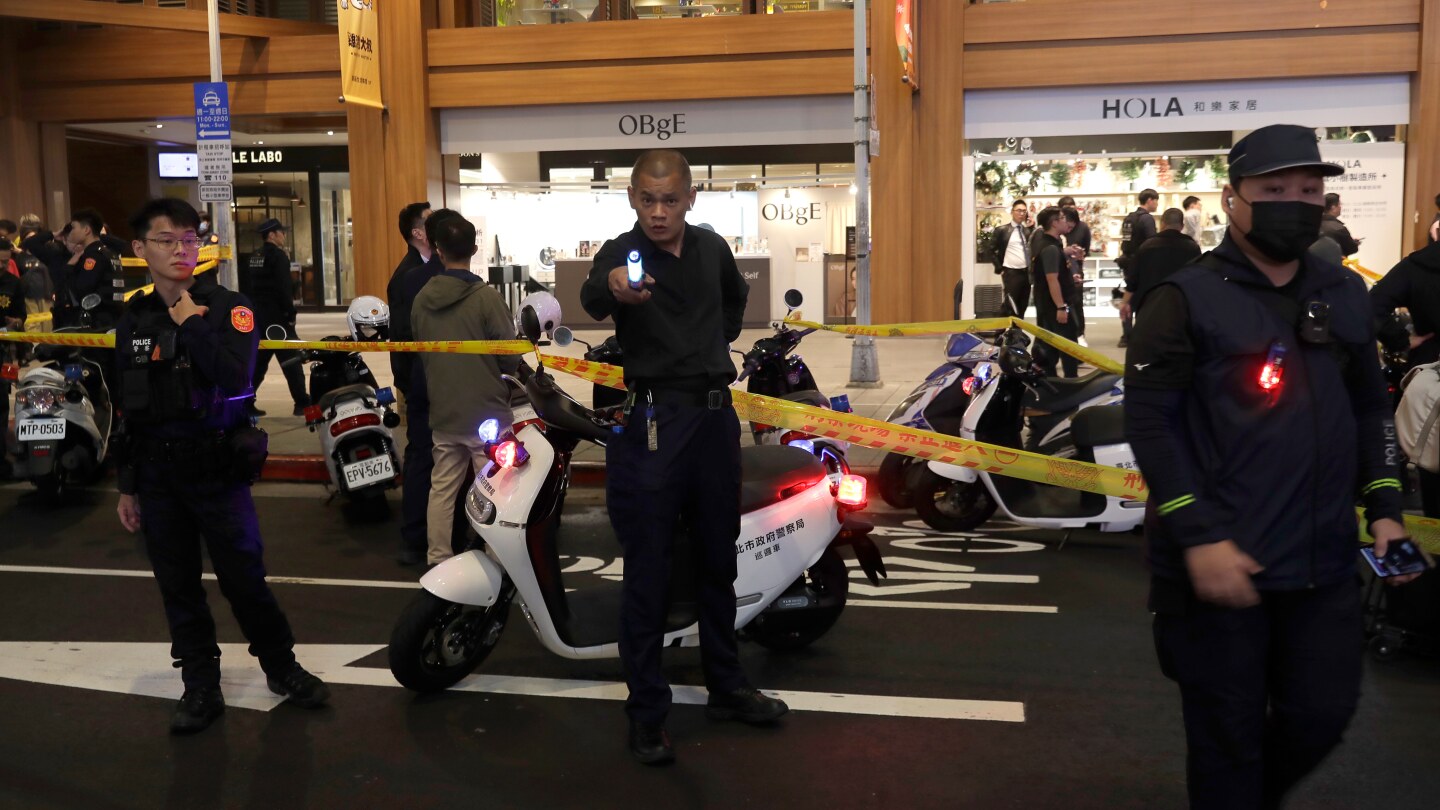
    The assailant executed his plan with methodical brutality, indiscriminately stabbing pedestrians while deploying smoke grenades at a bustling metro station and surrounding streets. The rampage culminated in a dramatic pursuit through a department store, where Chang fell to his death from the fifth floor while evading law enforcement.

    Police Chief Li Hsi-Ho described the perpetrator as ‘extremely cunning,’ detailing how Chang employed sophisticated evasion tactics including multiple clothing changes and transportation switches between scooters, bicycles, and foot travel. During his escape, the suspect set fires to his apartment, roadways, and various vehicles, creating additional chaos and destruction.

    Investigative findings indicate Chang began acquiring specialized equipment including smoke grenades, gas canisters, and respirators as early as April 2024. Authorities confirmed the suspect had been wanted since July for military service evasion, despite previously serving voluntarily before being discharged for drunken driving offenses. The investigation continues into his precise motivations, though officials note he had severed all family contact for over two years.

    Five victims remain hospitalized, with one in intensive care following surgery but reported in stable condition. The unprecedented violence has prompted immediate security enhancements at crowded venues and major events across Taiwan, where such brutal attacks remain exceptionally rare.

  • Venezuela denounces 2nd oil tanker seizure

    Venezuela denounces 2nd oil tanker seizure

    Venezuela has issued a formal condemnation following the second seizure of an oil tanker by United States military forces in the southern Caribbean within recent weeks. The incident occurred in international waters on Saturday, December 20th, escalating already heightened tensions between the two nations.

    According to Venezuelan government statements, US Coast Guard personnel supported by Department of War assets conducted a pre-dawn operation to apprehend a private vessel transporting Venezuelan oil. The action resulted in what Caracas described as the ‘forced disappearance’ of the ship’s crew alongside what it characterized as a criminal act of maritime theft.

    US Secretary of Homeland Security Kristi Noem confirmed the seizure through social media platform X, posting an unclassified video showing US helicopter personnel boarding a vessel identified as ‘Centuries’ off the Venezuelan coast. The operation aligns with President Donald Trump’s Tuesday announcement implementing a total blockade against US-sanctioned oil tankers traveling to and from Venezuela, with subsequent interviews confirming intentions to continue seizing additional vessels.

    Venezuelan authorities have denounced the actions as violations of international law and fundamental principles of maritime navigation freedom, vowing to pursue legal recourse through United Nations channels. This latest seizure follows a similar incident on December 10th, which Venezuela previously condemned as ‘blatant theft and international piracy.’

    The escalating maritime confrontations occur alongside a significant US military buildup in the region, described as the largest in generations. Associated Press reports indicate at least 104 fatalities across 28 known strikes since early September, though these operations face growing scrutiny from US lawmakers and human rights advocates questioning evidence standards and alleging extrajudicial killings.

    International voices have expressed concern over the deteriorating situation. Brazilian President Luiz Inacio Lula da Silva warned that armed intervention in Venezuela would create ‘a humanitarian catastrophe’ for the region while establishing dangerous global precedents. Similarly, Cuban Foreign Minister Bruno Rodriguez Parrilla criticized recent US designation of Venezuela’s government as a ‘foreign terrorist organization’ as politically motivated.

  • Growing AI role in weather forecasts

    Growing AI role in weather forecasts

    China’s meteorological authorities have significantly enhanced extreme weather response capabilities through the nationwide deployment of artificial intelligence-powered forecasting systems, though persistent challenges remain in predicting highly localized northern weather phenomena.

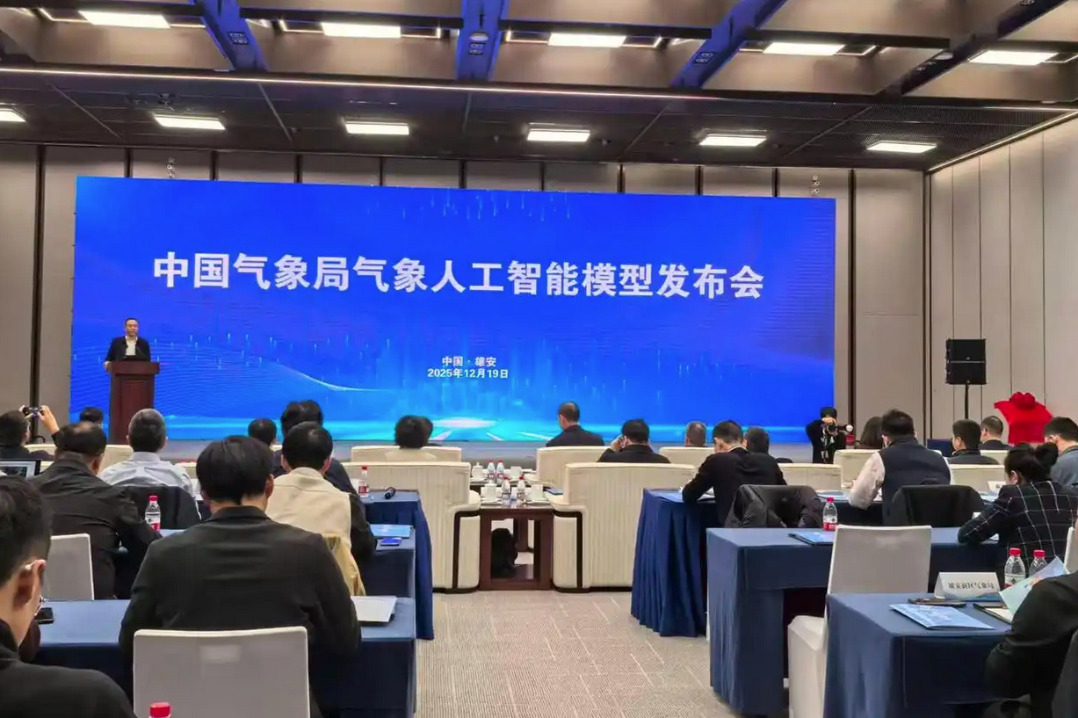
    The China Meteorological Administration revealed that AI-based systems provided critical technical support during this year’s flood season and recent snowfall events. These models, operating alongside traditional numerical forecasting methods, have substantially improved warning timeliness and accuracy, strengthening overall disaster prevention and mitigation efforts.

    According to Cao Yong, head of the weather forecasting technology research division at the National Meteorological Center, the medium- and short-range Fengqing AI model has achieved nationwide implementation with pilot deployments in regions including Hebei province. During this year’s complex flood season featuring prolonged scattered rainstorms across North China, the Fengqing model successfully captured event trends in 96-hour forecasts.

    The system also demonstrated remarkable performance during North China’s inaugural snowfall this season, accurately predicting timing, duration, and intensity parameters. Meanwhile, China’s now-casting Fenglei system has undergone significant upgrades, enhancing short-term forecasting capabilities while improving adherence to atmospheric science principles and boosting stability and precision.

    Zhang Xiaowen, head of the Fenglei research team, noted breakthrough achievements in predicting short-duration heavy rainfall and extreme downpours. The system successfully forecasted June’s severe convective storm in Beijing and an extreme Henan province rainstorm, showing marked improvement in predicting precipitation exceeding 50 millimeters per hour.

    However, Lu Bo, vice-president of the Xiong’an Institute of Meteorological Artificial Intelligence, highlighted particular forecasting difficulties in northern regions. Unlike southern China’s relatively stable flood-season patterns, North experiences more sudden severe convective storms and short-duration downpours triggered by distant typhoons—events characterized by intensity, spatiotemporal unevenness, and heightened prediction complexity.

    The Fengshun seasonal forecasting model exemplified these challenges, successfully predicting July’s North China rain belt by June’s end but underperforming compared to traditional models for August precipitation.

    Looking forward, China’s Earth System Forecasting Development Strategy (2025-2035) outlines ambitious plans for operational deployment of next-generation models and establishment of a unified meteorological AI framework within five years. These advanced AI systems promise expanded support for short-term warnings and extreme climate alerts while facilitating energy dispatching and agricultural planning.

    Unlike conventional models constrained by physical laws and processing speeds, AI forecasting offers unprecedented speed and accuracy—though limitations persist regarding unprecedented weather events beyond training data parameters.

  • Denmark insists on respect for territorial integrity after Trump appoints envoy to Greenland

    Denmark insists on respect for territorial integrity after Trump appoints envoy to Greenland

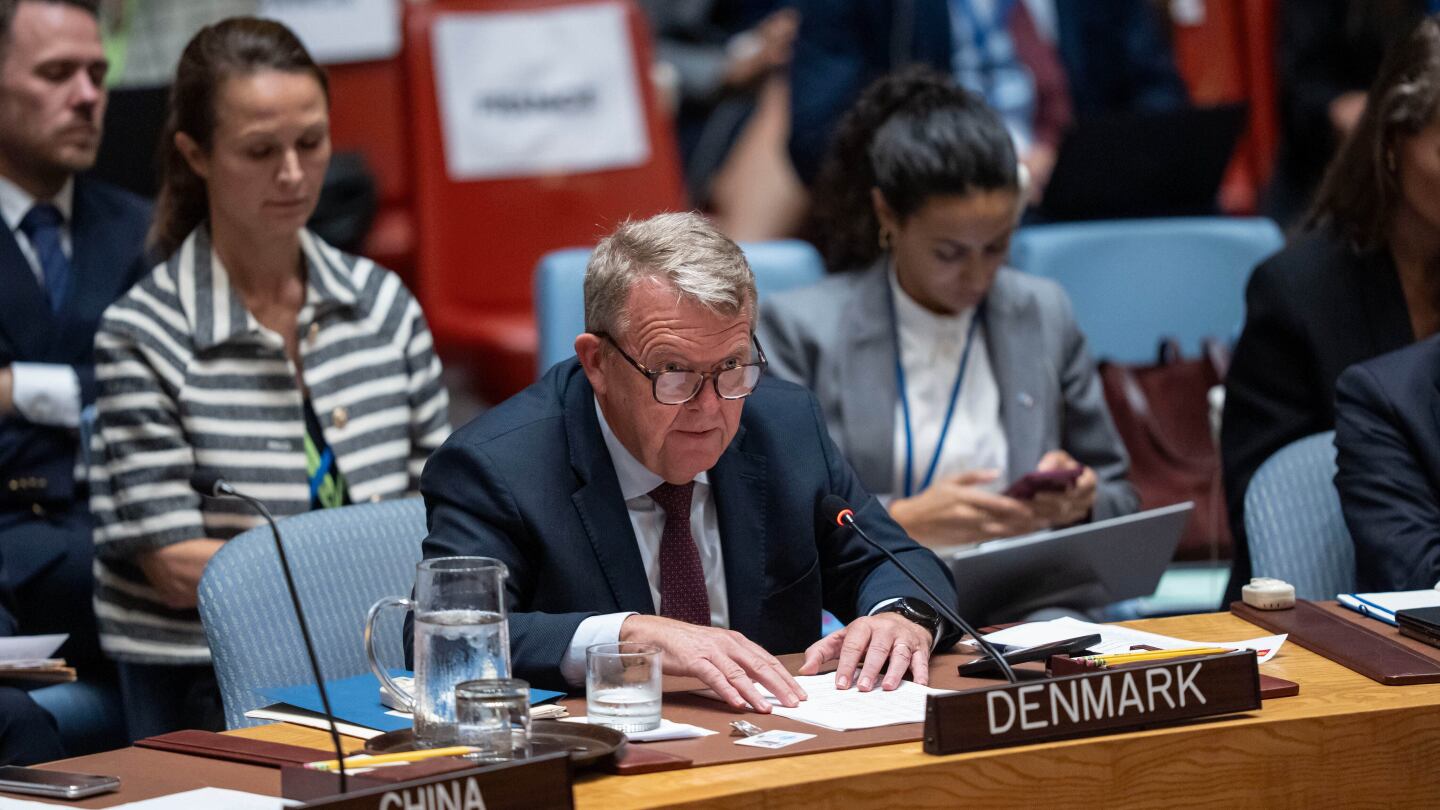
    COPENHAGEN (AP) — Denmark has issued a firm diplomatic statement reinforcing its territorial sovereignty over Greenland following the United States’ appointment of a special envoy to the Arctic territory. The declaration from Danish Foreign Minister Lars Løkke Rasmussen came directly after former President Donald Trump designated Louisiana Governor Jeff Landry as special envoy to Greenland.

    Minister Rasmussen emphasized through an official ministry communiqué that while Denmark acknowledges sustained American interest in Greenland, all nations—including the United States—must unequivocally respect the territorial integrity of the Kingdom of Denmark. This diplomatic response highlights escalating tensions between the NATO allies regarding the strategically significant, mineral-rich island.

    The background to this development traces to Trump’s presidency, when he repeatedly expressed interest in acquiring U.S. jurisdiction over Greenland and reportedly contemplated military options for securing control. The situation intensified in March when Vice President JD Vance visited Thule Air Base in Greenland and criticized Denmark’s investment levels in the region. Further diplomatic strain emerged in August when Danish authorities summoned the U.S. ambassador following reports of covert influence operations in Greenland by individuals connected to Trump.

    In his announcement, Trump characterized Landry’s role as crucial to advancing U.S. national security interests and ensuring the safety of American allies. Landry subsequently expressed honor at the appointment through social media, explicitly referencing ambitions to facilitate Greenland’s incorporation into the United States.

    The Danish Defense Intelligence Service’s recent annual assessment adds context to these developments, noting that the U.S. has increasingly leveraged economic influence and military posturing to assert its geopolitical objectives with both allies and adversaries.

  • Japan’s new flagship H3 rocket fails to put geolocation satellite into orbit

    Japan’s new flagship H3 rocket fails to put geolocation satellite into orbit

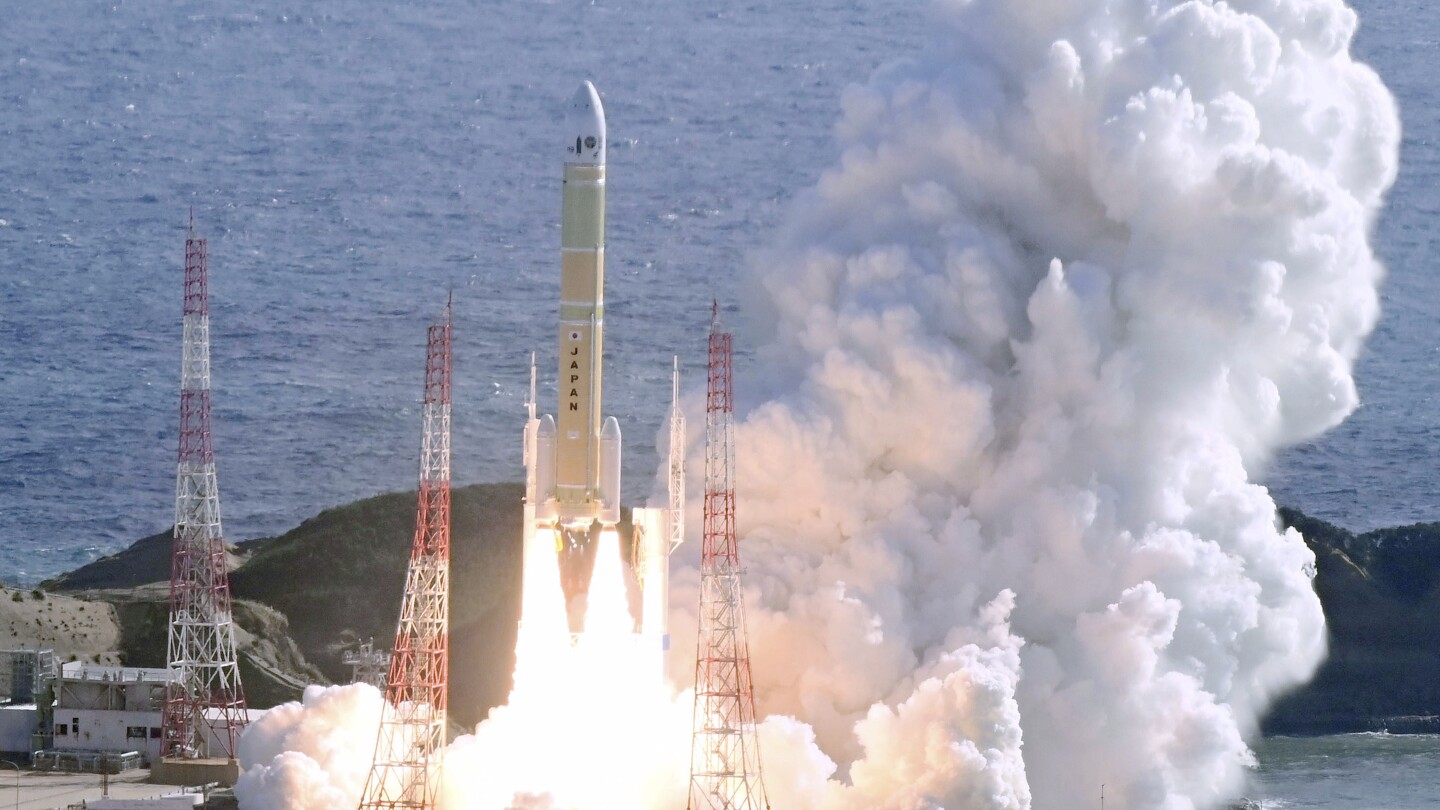
    Japan’s ambitious space program suffered a significant setback Monday when its flagship H3 rocket failed to deliver a crucial navigation satellite into orbit. The Japan Aerospace Exploration Agency (JAXA) confirmed the mission failure after the rocket’s second-stage engine experienced an unexpected premature cutoff during its flight from the Tanegashima Space Center.

    The H3 rocket, carrying the advanced Michibiki 5 satellite intended to enhance Japan’s independent positioning capabilities, encountered critical technical issues moments after launch. JAXA officials revealed that the satellite separation could not be confirmed, leaving the payload’s whereabouts unknown. This marks the second failure for Japan’s next-generation launch vehicle following its problematic debut flight in March 2023.

    Masashi Okada, JAXA’s launch director, stated that investigators are analyzing flight data to determine the exact cause of the engine malfunction. The failure represents more than just a technical setback—it delays Japan’s strategic plans to establish a fully independent satellite positioning system that would reduce reliance on America’s GPS network for critical applications including smartphone navigation, maritime operations, and drone technology.

    The Japanese government responded immediately to the incident, with Science Ministry official Jun Kondo calling the failure “extremely regrettable” and establishing a special task force to investigate the cause and implement corrective measures. The H3 rocket, designed to replace Japan’s highly reliable H-2A launcher, represents a cornerstone of the country’s strategy to become more competitive in the global space market while enhancing national security capabilities.

    Despite this setback, JAXA’s H3 project manager Makoto Arita emphasized the rocket’s potential for global competitiveness, vowing to thoroughly investigate the failure and return the program to operational status. The incident occurred just five days after JAXA aborted a previous launch attempt due to ground equipment abnormalities, highlighting the challenges facing Japan’s space ambitions.

  • Russian general killed by car bomb in Moscow, officials say

    Russian general killed by car bomb in Moscow, officials say

    A high-ranking Russian military commander has been assassinated in a targeted car bombing in central Moscow, according to official statements from Russia’s Investigative Committee. Lieutenant General Fanil Sarvarov, 56, perished on Monday morning when an improvised explosive device concealed beneath his vehicle detonated abruptly.

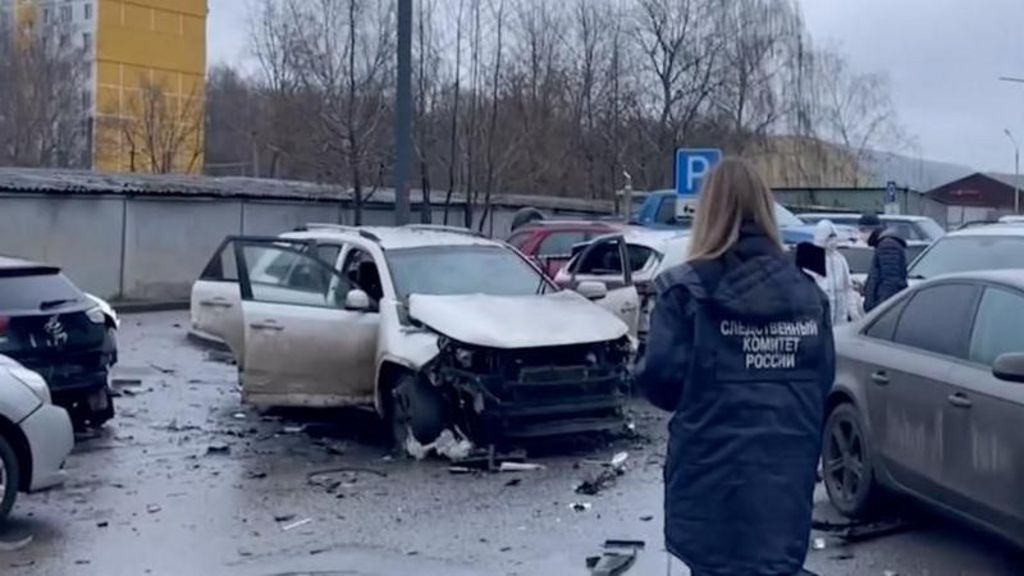
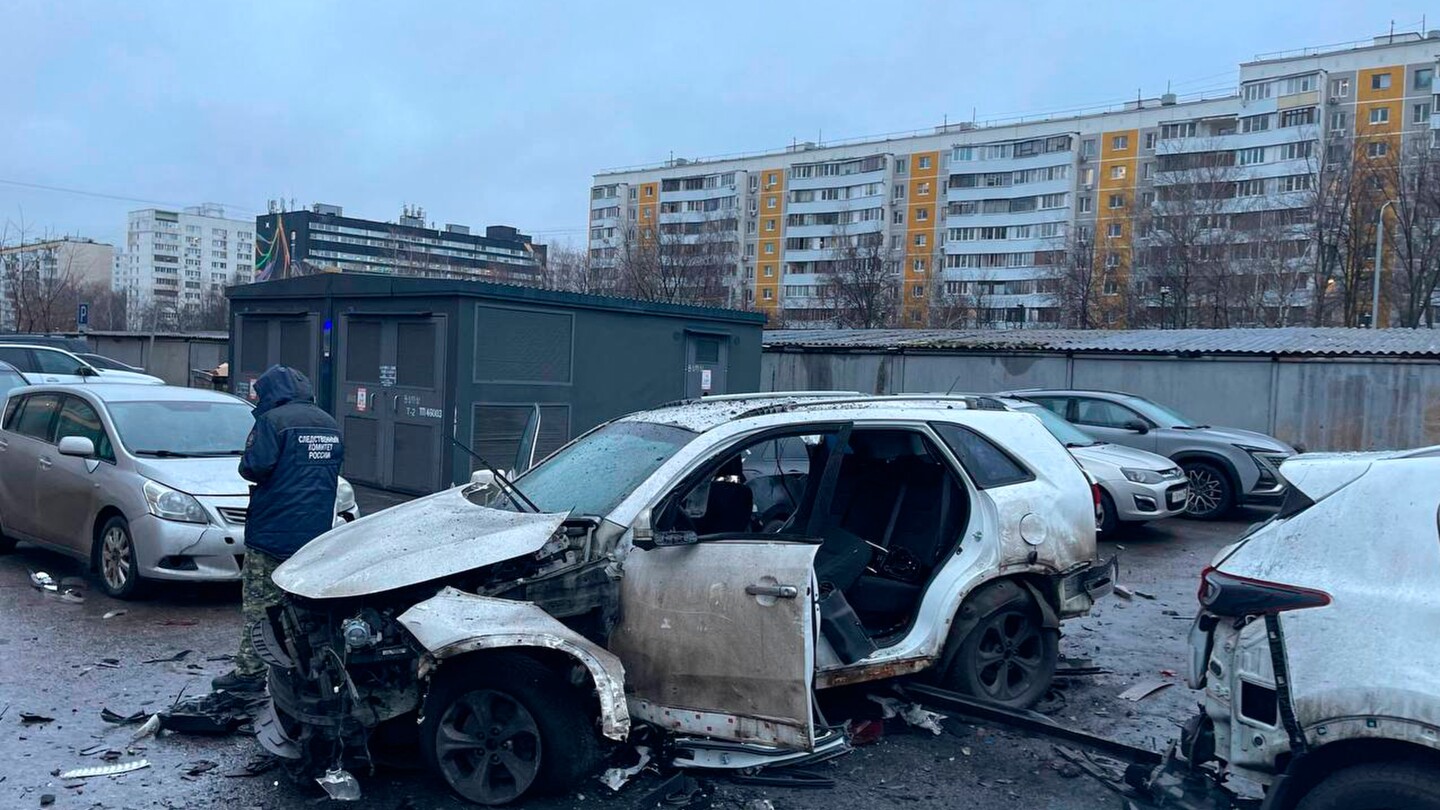
    General Sarvarov held the prestigious position of leading the armed forces’ operational training department, making him a significant figure within Russia’s military command structure. The explosive device, strategically planted under his personal vehicle, ignited in a residential parking facility in southern Moscow, leaving the white automobile severely damaged with its doors completely blown off.

    Law enforcement agencies have dispatched specialized investigative teams to conduct thorough forensic examination of the blast site. While the investigation remains ongoing, preliminary theories suggest potential involvement of Ukrainian intelligence operatives in orchestrating the assassination. Ukrainian authorities have maintained their characteristic silence regarding the incident, consistent with their established policy of neither confirming nor denying involvement in targeted operations against Russian officials.

    This event represents the latest in a series of attacks against Russian military leadership since the commencement of full-scale hostilities in Ukraine in February 2022. Previous incidents include the April car bombing that claimed the life of General Yaroslav Moskalik and the December 2024 assassination of General Igor Kirillov via remotely detonated scooter bomb. While unnamed Ukrainian sources have previously claimed responsibility for such operations to international media, official Kyiv maintains a consistent policy of non-acknowledgement regarding targeted strikes against Russian military figures.

  • Researcher reveals secrets of early life on Earth

    Researcher reveals secrets of early life on Earth

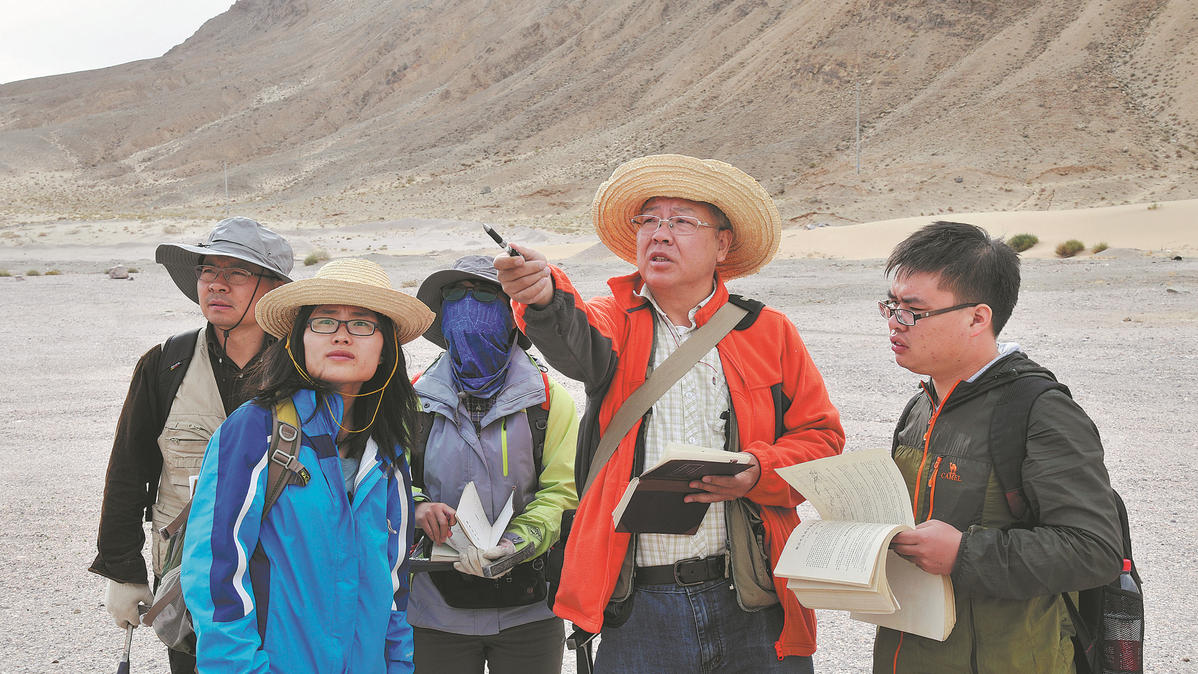
    In a remarkable scientific journey that began with childhood mountain dreams, Professor Zhu Maoyan has revolutionized our understanding of early life on Earth, culminating in his recent election as an academician of the Chinese Academy of Sciences—China’s highest scientific honor. The world-renowned paleontologist, whose work recently earned a spot in Science magazine’s 2024 Top 10 Scientific Breakthroughs, has dedicated his career to unraveling the mysteries of multicellular life that predate the Cambrian explosion.

    Zhu’s extraordinary path to paleontological prominence started in Wangjiang county, Anhui province, where a high school classmate’s casual remark about geologists climbing mountains daily sparked his imagination. This simple fascination led him to Changchun College of Geology in the 1980s, where he specialized in paleontology due to its connection to biology. His academic pursuit continued at the Nanjing Institute of Geology and Paleontology, where he began his professional research career studying the internationally significant Chengjiang fossils—518-million-year-old specimens that provide unprecedented insight into ancient marine ecosystems.

    Fieldwork presented early challenges that tested Zhu’s determination. During his first expedition to Yunnan’s remote fossil sites, he endured arduous travel conditions and treacherous mountain terrain, once climbing a steep slope during a rainstorm with such intense focus that he used both hands and feet to secure his position while searching for fossils.

    After advanced research in Germany as a visiting scholar at the Technical University of Berlin from 1997-1999, Zhu returned to China through the Chinese Academy of Sciences’ talent program. He established his own research team at the Nanjing Institute, where decades of systematic investigation have yielded transformative discoveries.

    The team’s most significant breakthrough came when Zhu guided doctoral student Miao Lanyun in discovering over 200 multicellular eukaryote fossil specimens in North China’s Yanshan Mountain region. These 1.63-billion-year-old fossils pushed back the appearance of complex multicellular life by 70 million years, fundamentally altering scientific understanding of evolutionary timelines. This finding demonstrates that eukaryotes developed multicellularity much earlier than previously believed, challenging the assumption that they remained single-celled for approximately one billion years.

    Zhu emphasizes that paleontology satisfies humanity’s fundamental curiosity about origins while encouraging international collaboration. ‘Our perspective is global,’ he notes, highlighting that each continent possesses unique fossil resources that require multinational cooperation to fully utilize.

    Now 61, Zhu continues to lead research exploring three primary areas: extending the study of complex life to earlier periods, investigating life’s origins and potential extraterrestrial life, and deepening understanding of the Cambrian explosion. He encourages young scientists to follow their passions rather than external pressures, stating: ‘When you believe something is worth doing and have the interest to support it, you won’t feel it is arduous.’

    With China’s increased investment in paleontological research and expanding museum infrastructure, Zhu anticipates continued growth in the field, inspiring new generations to pursue scientific curiosity about life’s deepest mysteries.

  • Russian general killed by bomb under his car in Moscow

    Russian general killed by bomb under his car in Moscow

    A senior Russian military commander, Lieutenant General Fanil Sarvarov, was killed on Monday when an explosive device detonated beneath his vehicle in Moscow. This incident marks the third assassination of a high-ranking Russian military official within the past year, raising serious concerns about security vulnerabilities within Russia’s defense establishment.

    Svetlana Petrenko, spokesperson for Russia’s Investigative Committee, confirmed that General Sarvarov, who headed the Operational Training Directorate of the Russian Armed Forces’ General Staff, succumbed to injuries sustained in the blast. Petrenko stated that multiple investigative avenues are being pursued, with Ukrainian intelligence services representing a primary line of inquiry regarding potential orchestration of the attack.

    This pattern of targeted killings began exactly one year prior on December 17, 2024, when Lieutenant General Igor Kirillov, commander of Russia’s nuclear, biological and chemical protection forces, was assassinated by a bomb concealed on an electric scooter outside his residence. Ukraine’s security service publicly claimed responsibility for that operation, which also resulted in the death of Kirillov’s assistant. Russian authorities subsequently apprehended and charged an Uzbek national with carrying out the attack on behalf of Ukrainian intelligence.

    President Vladimir Putin characterized Kirillov’s assassination as a ‘major blunder’ by Russian security agencies, urging enhanced operational efficiency. Despite this directive, another senior officer, Lieutenant General Yaroslav Moskalik—a deputy head of the main operational department in the General Staff—was killed in April by an explosive device planted in his vehicle near his Moscow-area apartment. Russian law enforcement made a prompt arrest of a suspected perpetrator in that case.

    Moscow has consistently attributed numerous bombings and attacks on Russian soil to Ukrainian operatives, alleging a coordinated campaign targeting military leadership. These incidents highlight escalating covert operations within Russian territory amid the ongoing conflict between the two nations.

  • India and New Zealand finalize a free trade agreement, eyeing growth as global uncertainties persist

    India and New Zealand finalize a free trade agreement, eyeing growth as global uncertainties persist

    In a strategic move to bolster economic resilience against mounting global trade volatilities, India and New Zealand have finalized negotiations for an extensive free trade agreement. The pact, concluded after nine months of intensive discussions, represents a significant milestone in bilateral relations between the two nations.

    The agreement establishes a framework for reciprocal tariff reductions, regulatory harmonization, and enhanced cooperation across multiple sectors including goods, services, and investments. India secures zero-duty export access for all its commodities entering New Zealand, while Wellington obtains phased duty concessions covering approximately 70% of New Delhi’s tariff lines, encompassing 95% of its exports.

    Key beneficiaries from the Indian side include textiles, apparel, engineering goods, leather and footwear, and marine products. New Zealand anticipates substantial gains in horticulture, wood exports, and sheep wool industries. Notably, India has excluded sensitive agricultural products including dairy items (milk, cream, whey, yogurt, cheese), goat meat, onions, and almonds from the agreement due to domestic considerations.

    The partnership extends beyond merchandise trade, with New Zealand committing $20 billion in investments over 15 years to strengthen economic ties. Current bilateral trade encompassing goods and services stands at $2.4 billion annually, with both governments targeting a doubling of this volume within approximately five years.

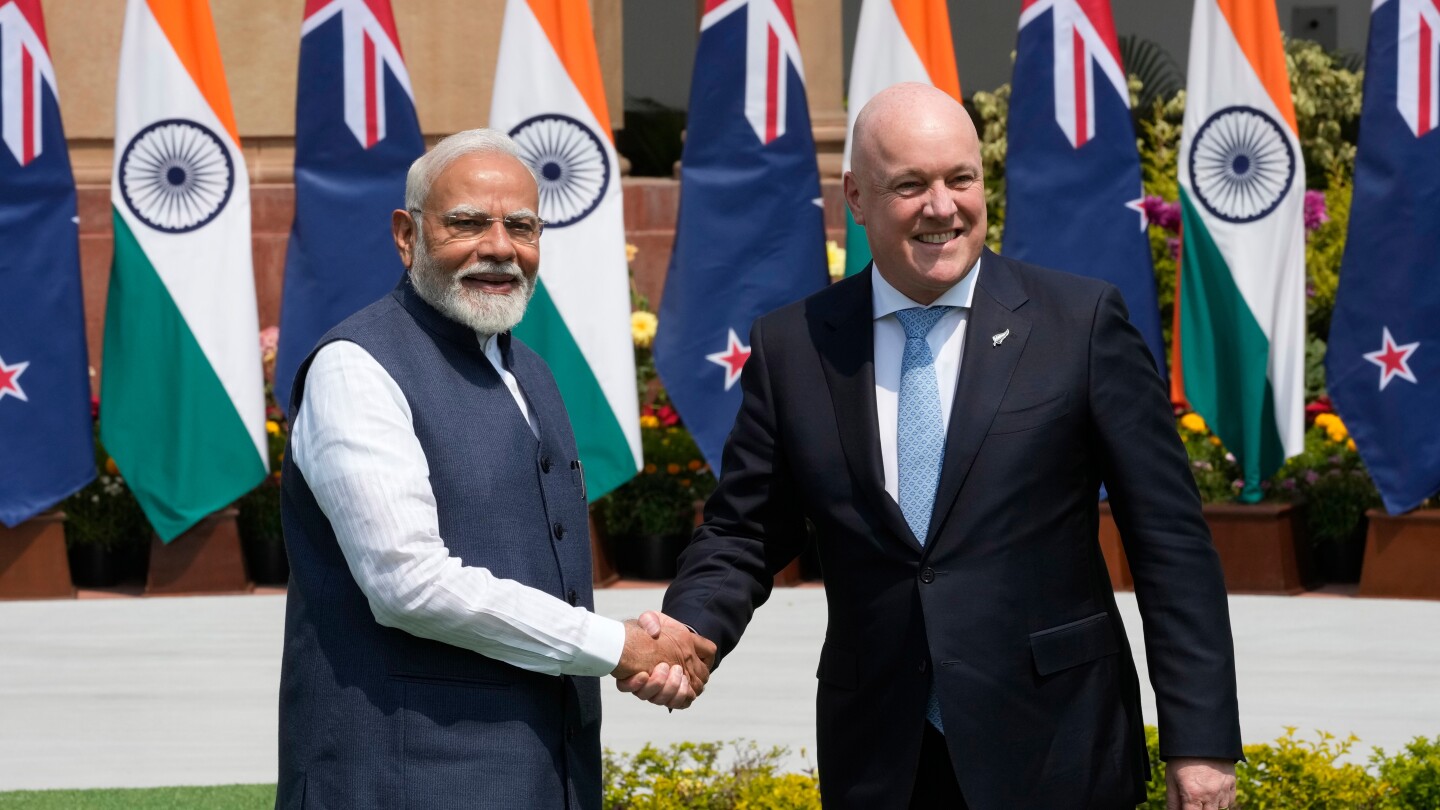
    Prime Minister Christopher Luxon of New Zealand projected that exports to India would increase by $1.1 to $1.3 billion annually over the next twenty years, emphasizing that enhanced trade translates to more employment opportunities, higher wages, and expanded prospects for New Zealand workers. Indian Prime Minister Narendra Modi’s office characterized the agreement as a catalyst for greater trade, investment, innovation, and mutual prosperity.

    The formal signing ceremony is scheduled for the first quarter of 2025 following legal verification of the negotiated text, according to India’s chief negotiator Petal Dhillon.

  • Australian move to fast-track new gun and protest laws after Bondi shooting draws criticism

    Australian move to fast-track new gun and protest laws after Bondi shooting draws criticism

    The New South Wales government has enacted comprehensive security legislation in response to the Bondi Junction shootings, triggering intense debate between civil liberties advocates and proponents of public safety. Premier Chris Minns recalled parliament to fast-track measures addressing firearm restrictions, protest regulations, and hate speech prohibitions.

    The legislative package introduces significant changes to firearm ownership, limiting most license holders to four weapons while permitting farmers and sport shooters to possess up to ten. The reform follows revelations that Bondi attacker Sajid Akram owned six registered firearms. License renewal periods will shorten from five to two years, with additional reviews planned for permissible firearm categories.

    Protest regulations have been substantially enhanced, granting police authority to restrict demonstrations near worship sites and remove face coverings from individuals suspected of even minor offenses. The government has also prohibited the phrase ‘globalise the intifada,’ which Premier Minns characterized as ‘an invitation to violence’ that fosters social division.

    Civil liberties organizations have condemned the measures as democratic erosion. NSW Council for Civil Liberties president Timothy Roberts argued these laws contradict Supreme Court rulings on political communication freedoms, stating they ‘oppress some parts of our community’ rather than promoting healing.

    Conversely, Jewish community representatives welcomed the reforms. NSW Jewish Board of Deputies president David Ossip described the hate speech provisions as a ‘watershed moment,’ emphasizing that protest rights shouldn’t extend to concealing identities or inciting violence.

    The political response reflects deep divisions, with Shooters, Fishers and Farmers party representative Mark Banasiak claiming licensed owners are being ‘punished for agency failings,’ while Walter Mikac—whose family perished in Australia’s deadliest mass shooting—applauded the ‘community safety first’ approach.