作者: admin

  • US official time gets 4.8 microseconds slower over storm-triggered power outage

    US official time gets 4.8 microseconds slower over storm-triggered power outage

    A severe windstorm that battered Colorado last week has unexpectedly impacted the United States’ most precise timekeeping infrastructure, causing the national time standard to fall behind by 4.8 microseconds. The incident occurred when powerful winds knocked out power to the National Institute of Standards and Technology’s (NIST) Boulder campus, disrupting the operation of atomic clocks that maintain official US time.

    The disruption began on December 17, 2025, when utility power failed at NIST’s Colorado facility during the intense windstorm. Although backup generators were available, a subsequent failure in one of these critical backup systems caused approximately 16 atomic clocks to lose connection with NIST’s measurement and distribution systems. These clocks, including hydrogen masers and cesium beam instruments, normally maintain the nation’s time standard through a weighted average of their readings.

    According to NIST supervisory physicist Jeffrey Sherman, the lapse resulted in NIST’s Coordinated Universal Time (UTC) becoming 4.8 microseconds slower than the correct standard. To contextualize this deviation, NIST spokesperson Rebecca Jacobson noted that a human blink typically takes approximately 350,000 microseconds (0.35 seconds).

    While the time discrepancy would be imperceptible to the general public, experts warn that such deviations could have more serious implications for critical infrastructure systems. The official US time standard serves as a reference for telecommunications networks, GPS signals, financial transactions, and other time-sensitive applications where precision is paramount.

    As of December 22, utility power had been restored to NIST’s Boulder facilities, and assessment and repair activities are currently underway. The incident highlights the vulnerability of even the most sophisticated scientific infrastructure to extreme weather events and the importance of robust backup systems for maintaining critical national standards.


  • China plans to play a bigger role in Antarctic governance

    China plans to play a bigger role in Antarctic governance

    China is positioning itself for enhanced participation in Antarctic governance through comprehensive national legislation currently under legislative review. The draft Antarctic Activities and Environmental Protection Law, comprising seven chapters and 57 articles, represents Beijing’s strategic move to formalize its polar engagement policies and contribute Chinese approaches to international polar governance.

    Submitted for first reading to the Standing Committee of the National People’s Congress, China’s top legislature, the proposed legislation emerges as Antarctic Treaty consultative parties increasingly rely on national laws to support their polar activities. Lu Xinshe, head of the NPC Environmental Protection and Resources Conservation Committee, emphasized that international Antarctic governance fundamentally depends on individual nations’ operational capabilities and their influence in shaping legal frameworks.

    Research expert Tan Xianchun from the Chinese Academy of Sciences noted that China’s four decades of Antarctic research have transformed the country from mere participant to significant polar power, with research stations now covering all five major Antarctic regions. The draft legislation signals China’s evolution from capacity development to rule-making in polar affairs, integrating principles of peaceful use, environmental conservation, scientific advancement, and international cooperation into a comprehensive legal system.

    The proposed framework establishes regulations for scientific expeditions, fisheries management, tourism activities, and shipping operations. It applies to both Chinese citizens and foreign individuals organizing Antarctic activities within China’s jurisdiction or departing from Chinese territory. The legislation explicitly prohibits military activities and mineral resource exploitation while encouraging scientific research, technological innovation, and environmentally sustainable practices.

    Environmental regulation expert Ma Jun highlighted the legislation’s attention to Antarctic tourism management, noting the continent’s extreme ecological vulnerability. The draft addresses emerging concerns about invasive species, habitat degradation, and pollution risks associated with increasing tourist numbers through environmental impact assessment requirements, emergency response protocols, and specific conservation measures for wildlife, waste management, and marine protection.

    The legislative initiative demonstrates China’s commitment to fulfilling international treaty obligations while asserting its role as responsible stakeholder in Antarctic governance, potentially influencing global approaches to managing the world’s last great wilderness.

  • Striking the right note to advance climate change action

    Striking the right note to advance climate change action

    Despite significant logistical hurdles, Chinese participants at the UN Climate Change Conference (COP30) in Belem, Brazil, demonstrated remarkable resilience and creativity in advancing global climate dialogue through unconventional mediums including music, gaming, and traditional art.

    The journey to COP30 proved exceptionally challenging for many Chinese delegates. Yang Yuntong, a senior sustainability official at Zhejiang Geely Holding Group, endured a 10-hour travel ordeal instead of the planned three-hour flight from Sao Paulo to Belem, resulting in missed speaking engagements. Undeterred, she delivered her climate messages via recorded videos while stranded at the airport. This experience was not isolated—many Chinese attendees faced similar travel disruptions, including flight cancellations and even a venue evacuation due to a fire incident.

    Despite these challenges, Chinese organizations made significant impacts through innovative engagement methods. The Boke Foundation introduced its SDG Hero board game, an educational tool that transforms complex sustainability concepts into engaging gameplay. The multilingual game attracted substantial attention from global educators and delegates, serving as a prominent example of China’s cultural exports addressing global issues.

    Music emerged as another powerful bridge for climate communication. The Plant Technology Alliance presented a specially composed anthem, “Love Never Ends,” featuring collaborative performances by 123 children from over 100 countries. The song’s lyrics emphasize practical climate actions while promoting global unity. Cheng Dan, the alliance’s co-founder who composed the piece, noted that the musical initiative originated from inspiration gained at COP29 in Azerbaijan.

    Traditional Chinese art also played a role in cross-cultural dialogue. Jiang Xinyu, a Tsinghua University representative, conducted well-attended workshops on classical Chinese landscape painting, using Fan Kuan’s Northern Song Dynasty masterpiece “Travelers Among Mountains and Streams” to illustrate philosophical perspectives on humanity’s relationship with nature. The sessions attracted standing-room-only crowds, demonstrating art’s ability to transcend cultural boundaries.

    Beyond cultural exchanges, the challenging journey to Belem fostered unexpected camaraderie among Chinese participants. Liu Shuo, climate director at Onewo Space-Tech Service, noted that the shared travel difficulties created strong bonds that laid groundwork for future collaborations in climate initiatives, including her company’s Zero-Carbon Partner Initiative.

    These diverse approaches collectively demonstrated China’s growing and multifaceted contribution to global climate discourse, moving beyond traditional diplomatic channels to create meaningful connections through cultural and educational exchanges.

  • Bureaucratic mishap delayed gun license for accused Bondi Beach shooter in Australia

    Bureaucratic mishap delayed gun license for accused Bondi Beach shooter in Australia

    A devastating antisemitic attack at Sydney’s Bondi Beach that claimed 15 lives has revealed significant deficiencies in Australia’s firearm licensing bureaucracy. The perpetrator, Sajid Akram, who was fatally shot by police during the December 14 rampage, legally owned six rifles and shotguns despite concerning circumstances that should have raised red flags.

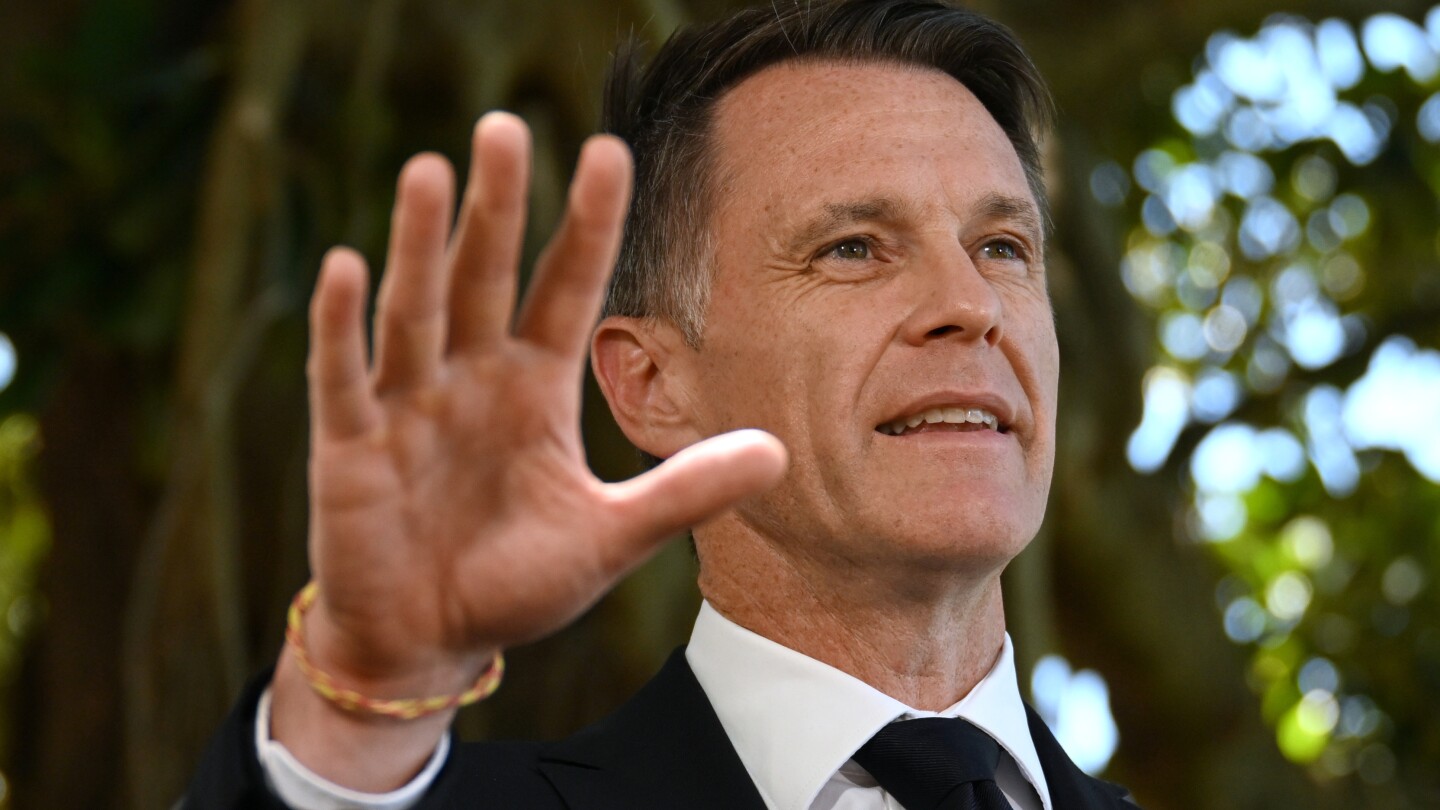
    New South Wales Premier Chris Minns confirmed Tuesday that bureaucratic inefficiencies rather than security concerns caused the three-year delay in processing Akram’s firearm license application in 2000. The standard processing time typically ranges from six to ten weeks, indicating systemic failures within the licensing system.

    The tragedy has prompted urgent legislative action, with proposed reforms that would establish Australia’s toughest gun laws. The new measures include making Australian citizenship a prerequisite for firearm ownership, which would have excluded Akram as an Indian permanent resident. The proposed legislation also eliminates appeal rights for license denials based on security agency recommendations and imposes strict limits on firearm ownership—four guns for recreational shooters and ten for farmers and sports shooters.

    Court documents reveal the Akrams adhered to a “religiously motivated ideology linked to Islamic State,” adding complexity to the security implications. The younger Akram, Naveed, who participated in the attack, had previously been investigated by Australian Security Intelligence Organization in 2019 for extremist connections.

    The state government has initiated a royal commission to examine both the massacre circumstances and the surge of antisemitism in Australia since the Israel-Hamas conflict began. As victims’ funerals continue and twelve wounded remain hospitalized—four in critical condition—the nation confronts its worst mass shooting since the 1996 Port Arthur tragedy that previously catalyzed Australia’s landmark gun reform legislation.

  • South Korea lawmakers pass bill to establish rebellion courts after complaints about Yoon case

    South Korea lawmakers pass bill to establish rebellion courts after complaints about Yoon case

    South Korea’s National Assembly has enacted significant judicial legislation on Tuesday, establishing specialized court panels to handle cases involving rebellion, treason, and foreign subversion. The bill passed with overwhelming support in a 175-2 vote, though it faced substantial opposition from conservative lawmakers who boycotted the proceedings.

    The newly approved legislation mandates that both Seoul Central District Court and Seoul High Court must constitute at least two specialized judicial panels, each composed of a three-judge bench selected by the courts’ judicial councils. This structural reform responds to mounting concerns regarding the handling of high-profile cases, particularly the ongoing rebellion trial of former President Yoon Suk Yeol.

    Notably, the final version of the bill contains crucial modifications from its original draft. Lawmakers amended the language to explicitly exclude ongoing trials from its jurisdiction, addressing criticisms that the initial proposal potentially compromised judicial independence. This compromise means the legislation will not affect Yoon’s current legal proceedings, which are expected to conclude with a verdict in early 2026.

    The legislative process encountered significant obstacles, including a 24-hour filibuster by Jang Dong-hyuk, leader of the conservative People Power Party. Conservative opponents maintained that the bill remained unconstitutional despite revisions and accused the Democratic Party of attempting to influence judicial outcomes. Following the vote, conservative leaders urged President Lee Jae Myung to exercise his veto power.

    The political context surrounding this legislation stems from the dramatic events of December 2024, when then-President Yoon declared martial law against what he termed “anti-state” liberal forces. Yoon was subsequently removed from office in April and re-arrested in July following an unsuccessful power consolidation attempt. He now faces multiple severe charges, including rebellion, which carries potential penalties of life imprisonment or capital punishment.

    The Democratic Party has consistently criticized the handling of Yoon’s case, particularly targeting Judge Jee Kui-youn of Seoul Central District Court. Liberals expressed dissatisfaction with the pacing of proceedings and questioned the traditional practice of random judge assignment for cases of exceptional national importance. Tensions escalated when other judges rejected arrest warrants for key figures associated with Yoon, including former Prime Minister Han Duck-soo and senior conservative lawmaker Choo Kyung-ho.

  • Asian shares climb after US stocks rise at the start of a holiday-shortened week

    Asian shares climb after US stocks rise at the start of a holiday-shortened week

    Asian equity markets exhibited divergent trends on Tuesday as regional investors navigated a holiday-shortened trading week while monitoring currency movements and economic indicators. The trading session unfolded against a backdrop of Wall Street gains and heightened anticipation for key U.S. economic data releases.

    Japanese markets experienced notable pressure as the Nikkei 225 dipped 0.1% to 50,359.78, coinciding with the yen’s strengthening against the dollar. This currency movement followed explicit warnings from Tokyo officials regarding potential intervention should the yen exhibit excessive weakness. The dollar-yen exchange rate settled at 156.03, down significantly from Monday’s 157.04 level, while the euro strengthened to $1.1777.

    Regional performance varied considerably across Asian bourses. Australia’s S&P/ASX 200 outperformed with a robust 1.1% surge to 8,795.70, while South Korea’s Kospi gained 0.3% to reach 4,117.15. China’s Shanghai Composite edged marginally higher by 0.1% to 3,920.16, though Hong Kong’s Hang Seng relinquished early advances to close 0.1% lower at 25,762.64. Taiwan’s Taiex posted a respectable 0.6% advance, while India’s Sensex remained essentially flat.

    The commodity sector witnessed significant movements as gold prices climbed nearly 1% to unprecedented levels, reaching $4,512.40 amid expectations of forthcoming Federal Reserve rate reductions. Silver similarly achieved record territory with a 1.2% increase. Conversely, oil prices retreated slightly early Tuesday after previous session gains, with U.S. benchmark crude declining 23 cents to $57.78 per barrel and Brent crude falling 22 cents to $61.85.

    Market participants awaited crucial U.S. economic reports scheduled for release during the abbreviated trading week, including third-quarter GDP estimates, weekly jobless claims data, and December consumer confidence figures. These indicators are expected to provide further insight into the American economic trajectory amid concerns about persistent inflation, moderating employment conditions, and weakened retail sales.

    Corporate developments included substantial gains for ride-sharing companies Uber and Lyft, both advancing over 2.5% following announcements regarding planned robotaxi services in London. Media sector activity intensified as Paramount Skydance elevated its takeover bid for Warner Bros. Discovery with substantial financial backing from Oracle founder Larry Ellison, resulting in a 4.3% share price increase.

  • ‘I don’t want our kids spending another Christmas in a crumbling home’

    ‘I don’t want our kids spending another Christmas in a crumbling home’

    Dozens of Irish families face their fourth consecutive Christmas in structurally compromised homes due to the nationwide defective concrete blocks crisis. The pervasive issue, primarily affecting counties Donegal, Clare, Limerick, Mayo, and Sligo, has rendered thousands of residences unsafe through progressive structural deterioration.

    The crisis stems from water-absorbing minerals like pyrite in construction materials, causing bricks to expand and crack irreparably. Many homes have reached such advanced decay that demolition remains the only viable solution, creating profound housing insecurity for affected residents.

    Kathrina Kirk of Letterkenny, County Donegal, exemplifies the human impact. She resides with her partner and two young sons in a three-bedroom end-terrace house featuring substantial wall fissures. ‘We’ve strategically placed decorations to conceal gaps and cracks,’ Kirk revealed. ‘The constant concern for our children’s safety and warmth dominates our daily existence.’

    Her family’s predicament highlights the bureaucratic Catch-22: homeowners cannot relocate without jeopardizing their eligibility for the government’s Defective Concrete Blocks Grant Scheme, which requires primary residence status.

    In County Mayo, Nicola Byrne and her neurodiverse family describe their home as a ‘financial black hole.’ After experiencing rodent infestations through compromised walls, which necessitated discarding furniture and children’s belongings, Byrne stated: ‘Our intended sanctuary has become a source of persistent anger and resentment.’

    Phil and Michelle Boulton of Letterkenny confront severe mold and dampness issues, with one room completely cordoned off. ‘Our entire life is suspended indefinitely,’ Phil expressed, noting their 2024 scheme application approval hasn’t translated into tangible progress.

    The Department of Housing acknowledges systemic shortcomings, with Minister James Browne recently presenting the Defective Concrete Blocks Amendment Bill 2025 to Parliament. Proposed amendments aim to establish ‘fairer, more practical, and more supportive’ remediation processes for distressed families.

    Despite the €420,000 per-home cap on government assistance, many households remain trapped in deteriorating structures, their holiday seasons overshadowed by structural uncertainty and bureaucratic delays.

  • ‘A miracle’: Officer shot in head during Bondi attack home from hospital

    ‘A miracle’: Officer shot in head during Bondi attack home from hospital

    SYDNEY – Probationary Constable Jack Hibbert, the rookie police officer critically wounded during the Bondi Beach terror attack, has been discharged from hospital to continue his recovery at home. The 22-year-old officer, merely four months into his service, was providing security at a Hanukkah celebration when two assailants opened fire in an assault that claimed 15 lives and left over 40 injured.

    Hibbert sustained severe injuries from gunshot wounds to his head and shoulder during the November incident. While medical complications have resulted in permanent vision loss in one eye, his family expressed profound gratitude for his survival and release in time for Christmas celebrations, describing the homecoming as ‘nothing short of miraculous.’

    In an official statement, Hibbert’s relatives extended their appreciation for the overwhelming public support and commended healthcare professionals for their exceptional dedication. They emphasized that despite his discharge, the young constable requires continued space and positive encouragement throughout his rehabilitation journey.

    Eyewitness accounts from fellow officers present during the atrocity reveal Hibbert’s extraordinary bravery, with multiple colleagues testifying that he continued assisting festival attendees despite his critical injuries. ‘Rather than retreating from danger, Jack advanced toward those in need until his physical capabilities were exhausted,’ the family statement detailed.

    NSW Police Commissioner Mal Lanyon, who visited Hibbert during his hospitalization, characterized the probationary officer as an exceptionally positive individual. The police force has committed to providing comprehensive support and identifying suitable duties upon Hibbert’s eventual return to service.

    The second injured officer, Constable Scott Dyson (25), remains hospitalized according to the latest police assessment. Court documents unsealed this week allege the attackers – 24-year-old Naveed Akram (now facing 59 charges including murder and terrorism offenses) and his father Sajid Akram (fatally shot by responders) – conducted months of meticulous planning, including a reconnaissance visit to Bondi Beach two days prior to the assault. Security authorities have classified the violence as an Islamic State-inspired terrorist attack targeting the Jewish community.

  • Who are the frontrunners for the top Fed job?

    Who are the frontrunners for the top Fed job?

    The United States stands at a critical juncture in monetary policy leadership as President Donald Trump approaches a decision on the next Federal Reserve Chair, with Jerome Powell’s term concluding in May. This transition occurs during a period of exceptional complexity, marked by intense political influence and internal discord within the central bank regarding future interest rate trajectories.

    Three prominent contenders have emerged in this high-stakes selection process. Kevin Hassett, the 63-year-old former White House economic adviser and Trump loyalist, currently leads prediction markets despite fading momentum. His consistent defense of presidential economic policies has raised concerns among analysts regarding potential independence at the Fed. Deutsche Bank analysts note Hassett might face challenges convincing fellow policymakers to implement significant rate cuts while addressing inflation concerns.

    Kevin Warsh, the 55-year-old former Fed governor and Hoover Institution fellow, has regained traction as a potential alternative. Despite his historically hawkish reputation, Warsh has recently positioned himself as an advocate for lower rates, calling for substantial ‘regime change’ at the central bank. His familial connections to Trump’s circle through billionaire father-in-law Ronald Lauder add intrigue to his candidacy.

    Current Fed Governor Christopher Waller has unexpectedly entered the contention following a recent meeting with the president. Nominated by Trump in 2020, Waller’s relative distance from the White House has garnered favorable attention from Wall Street analysts. Investment experts suggest his selection could create additional appointment opportunities for the administration next year.

    The ultimate decision carries profound implications for global financial markets and central bank independence, particularly given Trump’s persistent demands for lower borrowing costs. Other potential candidates including BlackRock’s Rick Reider and Treasury Secretary Scott Bessent remain in consideration, though considered less likely appointments.

  • Team official investigates drinking of England cricketers on Ashes tour as Duckett video emerges

    Team official investigates drinking of England cricketers on Ashes tour as Duckett video emerges

    MELBOURNE, Australia — England’s men’s cricket managing director Rob Key has announced a formal investigation into the team’s drinking patterns during the Ashes tour following concerning social media footage that surfaced this week. The inquiry comes amid England’s disappointing performance, having lost the first three Tests against Australia, resulting in Australia retaining the Ashes in just 11 days of play.

    The controversy centers around the team’s scheduled break at the Noosa beach resort on Queensland’s Sunshine Coast between the second and third Tests. While the break was intended as a planned relaxation period during the lengthy tour, videos circulating on social platform X (formerly Twitter) appear to show concerning behavior from players.

    One particularly troubling video depicts opening batsman Ben Duckett in a seemingly disoriented state, unable to recall directions to his hotel when questioned by a woman. Another clip shows squad member Jacob Bethell, who hasn’t participated in the Test series, dancing in a local club.

    The England and Wales Cricket Board has acknowledged the circulating content, stating they will refrain from further commentary until completing a factual assessment of the situation.

    Duckett’s on-field performance has notably declined throughout the series, with his highest score reaching just 29 runs across six innings—a significant drop from his usual form that previously yielded six Test centuries. His third Test performance proved particularly disappointing, being bowled by Nathan Lyon after showing brief promise and lasting just two deliveries in the second innings.

    Key, who did not accompany the team to Noosa, expressed that while he initially had no concerns about the break, excessive drinking would warrant serious attention. ‘If evidence emerges that our players consumed alcohol excessively, we will certainly examine those circumstances,’ Key stated from Melbourne, where the fourth Test begins Friday. ‘Heavy drinking has no place in professional cricket at any stage.’

    The managing director noted that preliminary reports suggest players behaved appropriately, enjoying meals with moderate alcohol consumption and avoiding late-night outings. However, he emphasized that any behavior exceeding these parameters would be treated as a serious matter.

    This incident follows previous alcohol-related concerns during England’s New Zealand tour preceding the Ashes, where limited-overs captain Harry Brook and Bethell were spotted socializing before a one-day international. Key addressed that situation through informal warnings rather than formal disciplinary action, describing it as ‘a necessary wake-up call’ for professional standards.

    Key concluded that while players may responsibly enjoy a glass of wine with dinner, any consumption beyond that level would be considered unacceptable for international athletes representing their country.