作者: admin

  • Crisis looms

    Crisis looms

    A comprehensive assessment by the Asian Development Bank reveals a severe water security crisis unfolding across Nepal, where excessive pumping operations are rapidly depleting groundwater reserves and causing traditional springs to vanish. The Asian Water Development Outlook 2025, published in December, documents how aquifers in the Kathmandu Valley have been critically diminished through overexploitation, while mountainous regions witness the complete disappearance of natural water sources.

    The study identifies multiple compounding threats: shallow aquifers face extreme stress resulting in seasonal shortages, while naturally occurring arsenic contaminants in alluvial sediments pose substantial public health hazards. Despite Nepal’s abundant natural water resources, merely 25% of citizens benefit from fully operational drinking water systems, creating a paradoxical situation of simultaneous abundance and scarcity.

    Infrastructure deficiencies, fragmented governance structures, and climate change impacts collectively hinder reliable and equitable water distribution. Although rural water accessibility has improved—with over 91% of households now utilizing piped or protected sources—approximately half still encounter contamination risks due to system failures and inadequate sanitation practices.

    Urban centers face escalating pressures with population growth exceeding 4.5% annually. Kathmandu residents receive water for only 3-4 hours every other day, with supply occasionally dropping to 30% of normal levels during flood-induced shutdowns of the Melamchi River system. This scarcity forces dependence on expensive alternatives including stored, filtered, and bottled water.

    Environmental degradation compounds the crisis: wastewater treatment remains virtually nonexistent (2.1% of wastewater and under 1% of fecal sludge receives treatment), while urban pollution, riverbed mining, and changing land-use patterns damage aquatic ecosystems. The Roshi River catchment in Kavre district exemplifies severe localized degradation following devastating 2024 floods.

    Governance challenges persist under Nepal’s federal structure, where seven provinces and 753 local governments share overlapping water mandates creating coordination gaps. The country scores merely 37 out of 100 on integrated water resource management indicators, significantly below regional averages and far from global targets.

    The report urgently calls for integrated watershed management, reforestation initiatives, and protection of groundwater recharge zones to counter this escalating national emergency.

  • Singaporean workers feel trapped over job mismatch

    Singaporean workers feel trapped over job mismatch

    Singapore’s labor market concludes 2025 with a profound disconnect between employee expectations and workplace realities, creating a workforce phenomenon experts term ‘job-hugging.’ Recent comprehensive surveys reveal that approximately 80% of Singaporean workers feel their actual job responsibilities significantly deviate from initial position descriptions, with most detecting this mismatch within their first three months of employment.

    The employment portal Seek, after surveying 500 employees and 300 employers between October and December 2025, identified concerning transparency gaps. Despite employers reporting increased compensation and benefits in response to 2024 workforce demands, employees cite blurred job scopes, compensation discrepancies, and cultural misalignment as primary dissatisfaction drivers.

    Chook Yuh Yng, Seek’s Director of Asia Sales, notes this disillusionment generates escalating mistrust toward employers. Concurrently, 90% of managers report new hires modify expectations shortly after onboarding, with nearly half of employees attributing these changes to mental health and wellbeing considerations.

    Singapore workers demonstrate notably lower confidence than Asia-Pacific counterparts regarding performance-based compensation advancement. Mercer’s regional research further indicates limited employee awareness regarding organizational career development pathways, substantially diminishing enthusiasm for acquiring new technological skills including artificial intelligence.

    Amid economic uncertainty and reduced hiring momentum, professionals increasingly adopt defensive employment strategies. Jessica Zhang, ADP’s Senior Vice-President for Asia-Pacific, observes: ‘Job-hugging represents a tangible reality. Beneath surface stability, professionals actively develop skills while monitoring market opportunities, awaiting optimal transition timing.’

    Recruitment specialists note candidates now conduct enhanced due diligence on prospective employers, prioritizing organizational stability against fears of restructuring scenarios where newest hires face ‘last in, first out’ vulnerabilities.

    The labor market shift accelerates transactional employment relationships, particularly among younger demographics. ManpowerGroup Singapore forecasts increased utilization of fractional workers for specialized short-term projects while maintaining core full-time staff for institutional knowledge preservation.

    Linda Teo, ManpowerGroup Singapore’s Country Manager, explains: ‘Economic volatility prompts employers to prioritize operational agility over fixed expenditures, making contingent talent strategically advantageous. Technological transformation simultaneously generates demand for niche expertise requiring rapid acquisition.’

    Workforce experts unanimously advocate enhanced employer-employee dialogue to bridge expectation gaps. As Chook emphasizes: ‘Singaporean employees frequently hesitate expressing concerns, while employers misinterpret silence as alignment. Transparent communication regarding needs and expectations becomes imperative for trust and retention.’

  • Trump says US will keep or sell oil seized from Venezuela

    Trump says US will keep or sell oil seized from Venezuela

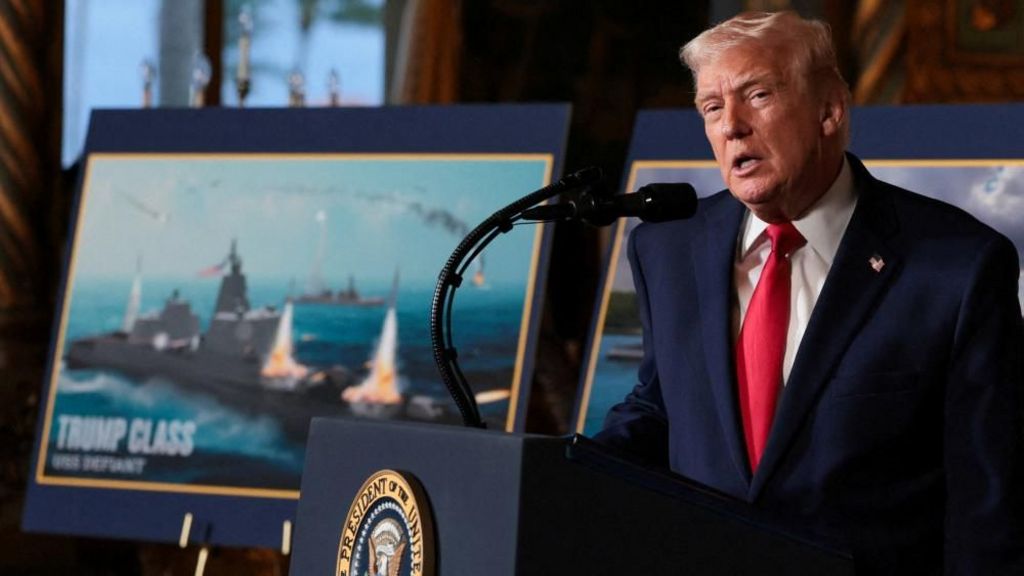
    President Donald Trump has declared the United States will retain or sell crude oil confiscated from tankers intercepted off Venezuela’s coast, escalating tensions with the Nicolás Maduro regime. The announcement came during a press briefing in Florida where Trump outlined multiple potential dispositions for the seized commodities, including potential allocation to the Strategic Petroleum Reserve.

    The Trump administration has intensified pressure on Caracas through maritime operations, seizing two oil tankers this month and actively pursuing a third vessel described as part of Venezuela’s ‘dark fleet’ designed to circumvent international sanctions. Washington alleges Venezuela utilizes oil revenue to fund narcotics trafficking operations, while Venezuelan authorities condemn the seizures as acts of ‘piracy’.

    In a significant escalation, U.S. Southern Command confirmed a lethal strike against a suspected trafficking vessel in international eastern Pacific waters, resulting in one fatality. Trump further indicated potential expansion of operations to land-based targets, warning traffickers they would ‘get blown to pieces’ if attempting overland routes.

    The economic pressure campaign has intensified with the designation of Maduro’s government as a Foreign Terrorist Organization and implementation of a naval blockade preventing sanctioned tankers from entering or leaving Venezuelan ports. These measures strike at the core of Venezuela’s oil-dependent economy, prompting Caracas to request an emergency UN Security Council session to address what it terms ‘ongoing U.S. aggression.’

    Maduro responded through state media, suggesting Trump should focus on domestic challenges rather than intervening in Venezuelan affairs. The confrontation represents the latest chapter in the prolonged political struggle between Washington and Caracas, with Trump having previously doubled rewards for information leading to Maduro’s capture.

  • Inner Mongolia Ice and Snow Naadam Festival opens in Hulunbuir

    Inner Mongolia Ice and Snow Naadam Festival opens in Hulunbuir

    Hulunbuir, Inner Mongolia Autonomous Region – The 21st Inner Mongolia Ice and Snow Naadam Festival commenced on December 21, transforming the frozen Yimin River into a spectacular winter tourism destination. This year’s edition marks a historic departure from tradition by utilizing the river’s icy surface as its primary venue for the first time, creating an unprecedented integration of cultural heritage and innovative tourism experiences.

    The expansive 70,000-square-meter festival grounds feature five distinct functional areas designed to immerse visitors in authentic Mongolian culture. These include traditional Mongolian yurt clusters, intricate ice sculpture photography spots, professional travel photography zones, a vibrant food market showcasing local cuisine, and interactive herdsmen experience areas. The festival’s architectural elements incorporate snow-constructed stages, forest-themed wooden cabins, thermally insulated yurts, and a unique 360-degree circular ice stage adorned with elaborate snowflake patterns.

    Complementing the main venue, the adjacent ‘Rongrong Snow World’ creates a comprehensive winter tourism circuit offering diverse snow and ice activities. Hulunbuir’s geographical advantages – including an extended snow season, premium snow quality, varied topography, and rich cultural heritage – have established the region as a premier winter tourism destination within Inner Mongolia and across China. The successful hosting of twenty consecutive Ice and Snow Naadam Festivals demonstrates the region’s growing prominence in winter tourism.

    The opening ceremonies featured vibrant cultural performances including traditional dance on ice and intangible cultural heritage parades, attracting substantial domestic and international visitor attendance. This fusion of traditional Naadam elements with innovative winter tourism approaches represents a significant advancement in cultural tourism integration, offering both economic benefits to the region and unique cultural experiences to visitors.

  • Tanker seized off Venezuelan coast sparks international outcry

    Tanker seized off Venezuelan coast sparks international outcry

    A dramatic escalation in Caribbean waters has ignited international controversy as United States Coast Guard forces intercepted multiple oil tankers operating near Venezuela. The latest seizure occurred on Saturday when US authorities boarded a vessel in international waters, alleging it operated under false flags as part of Venezuela’s ‘shadow fleet’ transporting sanctioned oil.

    The White House justified these actions as necessary measures against what it describes as illicit oil trafficking that funds ‘narco-terrorism’ in the region. US Homeland Security Secretary Kristi Noem affirmed the administration’s commitment to continuing these interceptions, while President Donald Trump has ordered a comprehensive blockade against sanctioned vessels traveling to or from Venezuelan ports.

    China has emerged as a vocal critic of these operations, with Foreign Ministry spokesman Lin Jian condemning the seizures as violations of international law during a Monday press briefing. Beijing maintains strong opposition to unilateral sanctions lacking UN Security Council authorization and rejects actions that compromise other nations’ sovereignty and security.

    The Venezuelan government has denounced the seizures as ‘blatant theft and acts of international piracy,’ vowing that these actions will not go unpunished. Official statements from Caracas have highlighted concerns about the ‘enforced disappearance’ of crew members aboard intercepted vessels.

    Regional response has been notably critical, with Brazilian President Luiz Inacio Lula da Silva warning that armed intervention in Venezuela would create ‘a humanitarian catastrophe for the hemisphere.’ Multiple Latin American nations and regional organizations have called for diplomatic solutions through United Nations channels.

    The strategic significance of these operations is underscored by Venezuela’s status as holder of the world’s largest proven oil reserves, exporting approximately 770,000 barrels daily. Each seized tanker was reportedly carrying around one million barrels of crude oil.

    This maritime confrontation occurs against a substantial US military buildup in the Caribbean, including 15,000 personnel, 11 warships featuring the aircraft carrier USS Gerald R. Ford, and multiple support vessels. Since September, US forces have sunk over 28 vessels allegedly transporting drugs in Caribbean and eastern Pacific waters, resulting in more than 100 fatalities.

    Analysts suggest these developments represent not merely economic enforcement but potentially broader geopolitical objectives, with critics alleging the Trump administration may be using naval blockades to precipitate governmental change in Venezuela or create pretexts for military engagement.

  • Ban on interference in ethnic affairs mooted

    Ban on interference in ethnic affairs mooted

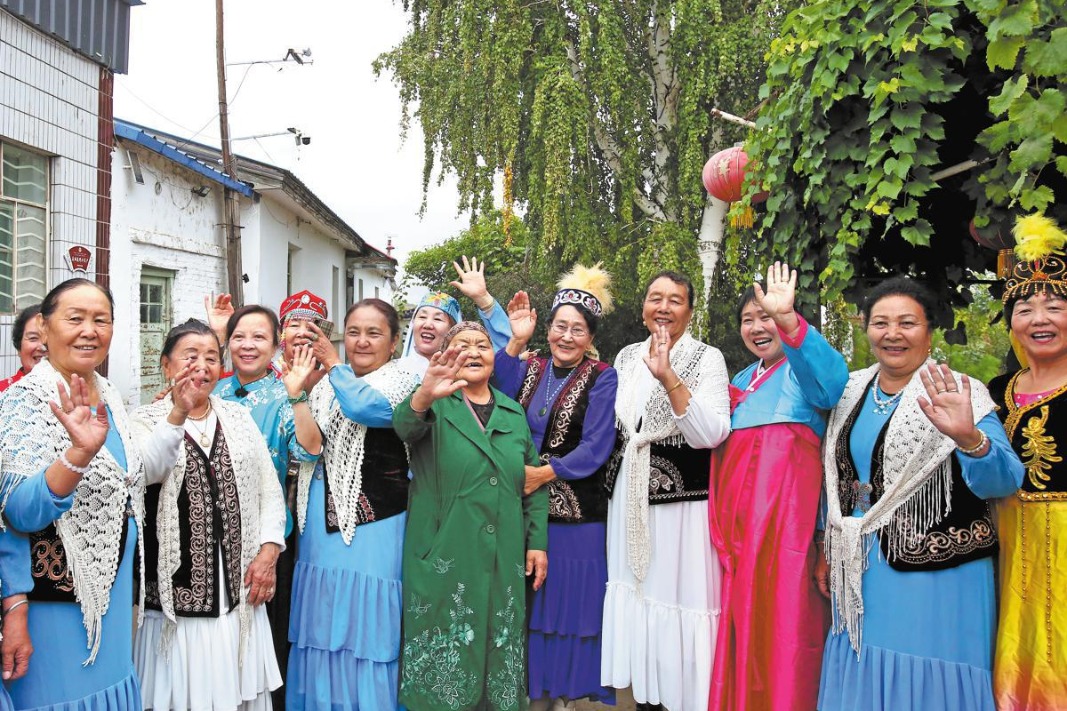
    China’s legislative body is currently deliberating a groundbreaking draft law that explicitly prohibits external interference in the nation’s ethnic affairs. The Standing Committee of the National People’s Congress is conducting its second review of this significant legislation, which aims to strengthen ethnic unity and progress while countering foreign attempts to undermine China’s stability through ethnic, religious, or human rights pretexts.

    The proposed law establishes clear obligations for Chinese citizens to uphold national unity and ethnic solidarity while safeguarding the country’s sovereignty, security, and developmental interests. It emphasizes China’s commitment to governing ethnic affairs through legal frameworks and ensuring the protection of legitimate rights for all ethnic groups.

    Xin Chunying, an official from the NPC’s Constitution and Law Committee, explained that these provisions represent both a crucial aspect of ethnic affairs management and a specific requirement for advancing comprehensive law-based governance. The legislation also mandates enhanced education on constitutional principles and legal awareness among all ethnic groups, promoting the dignity of China’s socialist rule of law system.

    Additionally, the draft confirms the use of standard Chinese as the fundamental language of instruction in educational institutions nationwide. The legislative process has included extensive public consultation through the NPC’s official website, feedback collection from all NPC deputies, and research expeditions to ethnically diverse regions including Yunnan, Guizhou, and Xinjiang Uygur Autonomous Region.

    The law’s formulation, initially announced in the NPC Standing Committee’s annual work report, aims to forge a stronger sense of national identity and reinforce the concept of the Chinese people as one cohesive community, ultimately supporting national development and rejuvenation through Chinese-style modernization.

  • New West Bank settlements get nod from Israel despite global opposition

    New West Bank settlements get nod from Israel despite global opposition

    In a move that has drawn widespread international criticism, Israel’s Security Cabinet has formally approved the establishment of 19 new settlements in the occupied West Bank. The decision, finalized on December 12th and announced Sunday, represents a significant expansion of Israeli presence in territories claimed by Palestinians for their future state.

    The resolution, championed by Defense Minister Israel Katz and Finance Minister Bezalel Smotrich, includes 11 entirely new settlements alongside the legalization of eight previously unauthorized outposts. This development brings the total number of settlements approved over the past three years to 69, according to official statements from Smotrich’s office.

    United Nations Secretary-General Antonio Guterres condemned what he characterized as Israel’s “relentless” settlement expansion, warning that such actions “continue to fuel tensions, impede access by Palestinians to their land and threaten the viability of a fully independent, democratic, contiguous and sovereign Palestinian State.”

    The timing of this announcement is particularly significant as it contradicts key conditions of a US-brokered truce and comes amid growing international support for Palestinian statehood. Several European nations, Canada, and Australia have recently moved toward formal recognition of a Palestinian state, drawing strong objections from Israeli officials.

    UK Middle East Minister Hamish Falconer denounced the settlement approvals as “illegal under international law” in a social media statement, warning they “risk undermining the 20-Point Plan and prospects for the long-term peace and security that only a two-state solution can deliver.”

    The expansion has also raised questions about US-Israel relations, particularly following President Donald Trump’s public statement rejecting West Bank annexation and warning that Israel could lose American support. Regional experts note that while Trump’s position may create tension, it unlikely will cause a serious rift unless actively enforced.

    Meanwhile, diplomatic efforts continue with US special envoy Steve Witkoff reporting progress on discussions regarding Gaza’s governance structure and regional integration measures essential to recovery and stability.

  • Revised natl development planning bill submitted

    Revised natl development planning bill submitted

    China’s legislative body has taken a significant step toward formalizing the nation’s development planning processes with the submission of a revised draft law for its third review. The Standing Committee of the National People’s Congress (NPC) received the proposed legislation during its ongoing 19th session, which commenced on December 23, 2025, for a six-day deliberation period.

    The comprehensive draft legislation, structured across six chapters containing 37 distinct articles, establishes formal procedures for the creation, evaluation, approval, and oversight of national development plans. This legislative initiative seeks to codify China’s established planning practices into statutory law, enhancing the framework for macroeconomic governance while strengthening the strategic function of national planning mechanisms.

    Notable revisions in the current draft include an expanded definition of national development planning that incorporates both five-year economic and social development outlines and potential long-term vision statements. The legislation emphasizes the necessity of harmonizing planning systems across different government levels and improving coordination among various planning instruments.

    A significant addition to the draft law incorporates principles of whole-process people’s democracy into planning formulation, requiring integration of top-level design with public consultation while utilizing the expertise of industry associations. The revised text also introduces provisions for coordinating consumption, investment, and trade policies during plan implementation.

    The draft clarifies institutional responsibilities, designating the State Council as the organizer of annual national economic and social development plans, with the national development planning department taking lead drafting responsibilities in collaboration with other relevant agencies. Policy observers anticipate that this legislation will enhance policy coherence within China’s macroeconomic governance system and establish more robust implementation mechanisms for national development initiatives.

  • Two new high-speed rail lines boost agriculture, industry in Guangdong

    Two new high-speed rail lines boost agriculture, industry in Guangdong

    Guangdong Province has ushered in a new era of regional connectivity with the simultaneous inauguration of two major high-speed rail lines, fundamentally reshaping economic and transportation networks across the region. The groundbreaking infrastructure projects commenced operations on Monday, marking a significant milestone in China’s railway development.

    The Guangzhou-Zhanjiang high-speed railway, with its inaugural G9785 service departing from Guangzhou Baiyun Railway Station, establishes a direct 350 km/h corridor linking western Guangdong to the provincial capital. This engineering marvel spans approximately 401 kilometers, traversing Foshan, Zhaoqing, Yunfu, Yangjiang, and Maoming, with bridges and tunnels constituting 76.7% of its route. The project’s crown jewel, the 9,640-meter Zhanjiang Bay undersea tunnel, set national records for large-diameter subaqueous tunneling achievements.

    Parallel to this development, the Shantou-Shanwei high-speed railway initiated service with train G9787 connecting Shantou to Guangzhou. The newly operational 19.8-kilometer segment across Shantou Bay represents a technological breakthrough that integrates Shantou’s urban core into the 350 km/h high-speed network for the first time.

    These twin rail developments create a transformative two-hour transportation circle connecting Zhanjiang and Shantou—key sub-center cities in western and eastern Guangdong respectively—to the economic powerhouse of the Guangdong-Hong Kong-Macao Greater Bay Area. The infrastructure advancement substantially reduces travel duration between previously remote regions and the Pearl River Delta’s core economic zone.

    The economic implications are already materializing across sectors. In Maoming’s Genzi township, renowned for lychee production, agricultural enterprises are preparing for expanded market access. “Our distribution channels for premium lychees will significantly expand into the Greater Bay Area and beyond,” noted a major local farmer identified as Long, who is implementing new packaging infrastructure in anticipation of increased demand.

    Meanwhile, in Shantou’s Chenghai district—a traditional manufacturing hub for toys, gifts, and garments—business operations are undergoing rapid transformation. Buyers like Mr. Chen from Shenzhen report that what previously required two-day business trips can now be accomplished in a single day, enabling morning product selection, afternoon deal finalization, and evening returns to Shenzhen.

    According to China Railway Guangzhou Group, these developments represent crucial progress in constructing a highly efficient transportation network during China’s 14th Five-Year Plan period (2021-2025). The province’s total railway operational mileage now reaches 6,433 kilometers, with 3,411 kilometers dedicated to high-speed railways operating at 200 km/h or faster.

  • Major Russian drone and missile attack on Ukraine kills at least 3 people and cuts power

    Major Russian drone and missile attack on Ukraine kills at least 3 people and cuts power

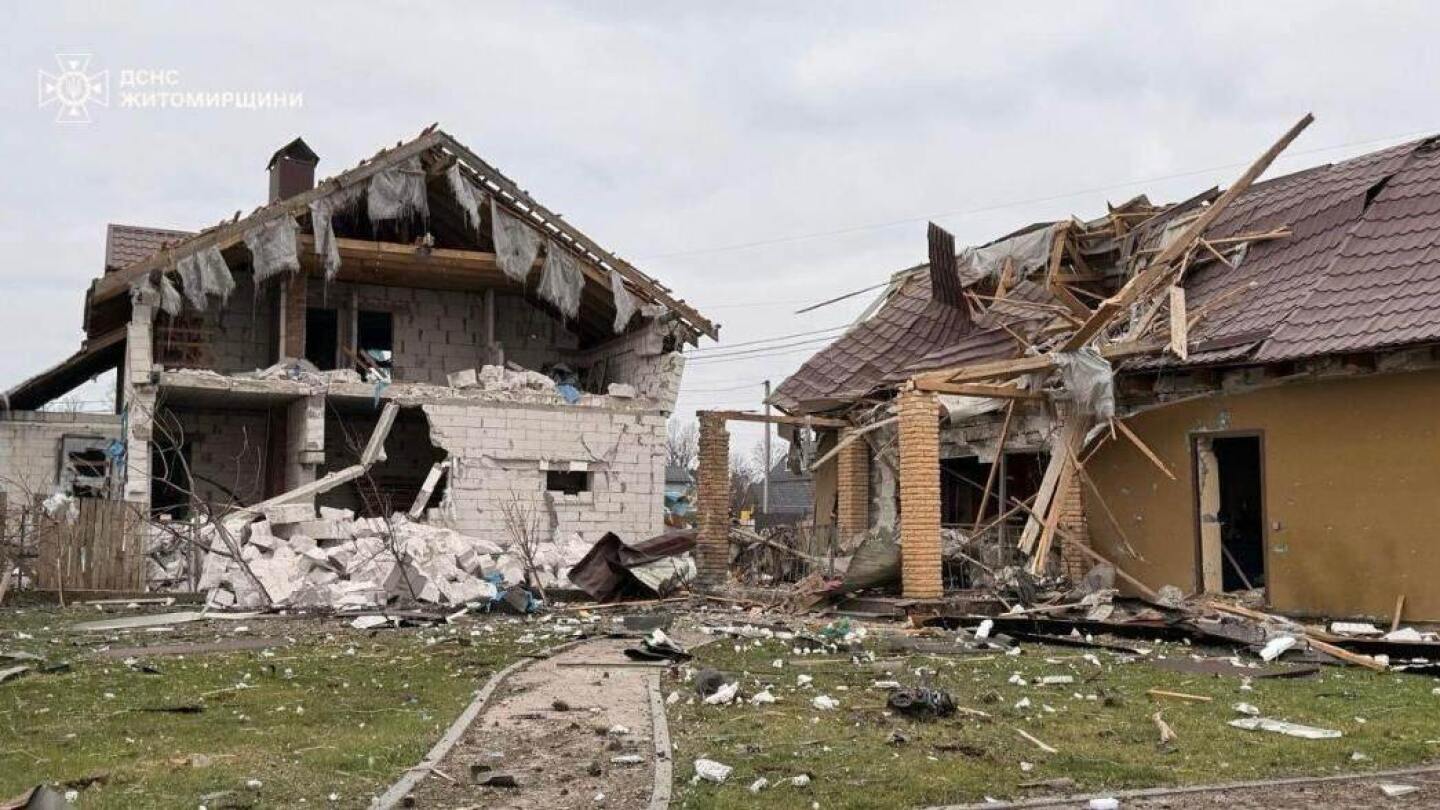
    In a devastating pre-Christmas offensive, Russian forces unleashed a massive barrage of 635 drones and 38 missiles across Ukraine, killing at least three civilians including a 4-year-old child. The large-scale attack, which began overnight and continued into daylight hours Tuesday, targeted civilian infrastructure across 13 regions, causing widespread power outages during bitter winter conditions.

    Ukrainian President Volodymyr Zelenskyy condemned the assault as a deliberate signal of Russia’s true intentions, coming just two days before Christmas and amid U.S.-led peace negotiations that he had previously described as showing ‘quite solid’ progress. The bombardment struck residential areas, energy facilities, and critical infrastructure, leaving multiple western regions without electricity and damaging over 120 homes in the Odesa region alone.

    According to Ukrainian defense reports, air interception systems successfully neutralized 587 drones and 34 missiles, though significant damage occurred to the country’s energy grid. This represents the ninth major Russian attack on Ukraine’s energy infrastructure this year, with private energy supplier DTEK reporting this as the seventh major strike on their facilities since October. The company’s thermal power plants have endured more than 220 attacks since the full-scale invasion began in February 2022, resulting in four worker fatalities and 59 injuries.

    The timing of the assault appears strategically significant, occurring alongside diplomatic efforts led by U.S. envoy Steve Witkoff, who characterized recent talks with Ukrainian and European representatives as ‘productive and constructive.’ President Zelenskyy interpreted the military escalation as Vladimir Putin’s explicit rejection of peaceful resolution, stating the attack demonstrated that Russia ‘cannot accept the fact that we must stop killing.’ Emergency services worked to restore power across affected regions as security conditions permitted, while international observers noted the stark contrast between diplomatic overtures and military actions on the ground.