作者: admin

  • Trump says Maduro would be ‘smart’ to step down

    Trump says Maduro would be ‘smart’ to step down

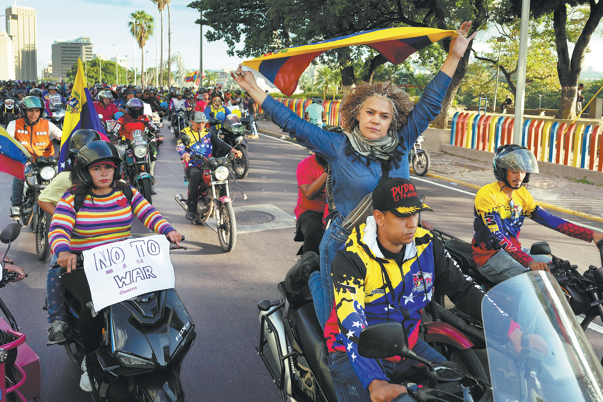
    In a significant escalation of diplomatic tensions, U.S. President Donald Trump suggested on Monday that Venezuelan leader Nicolás Maduro would be acting wisely by voluntarily relinquishing power. The remarks came as American naval forces intensified their blockade targeting Venezuela’s crucial oil resources.

    When questioned by journalists about whether Washington’s coercive measures aimed to force Maduro from office, Trump responded with characteristically blunt rhetoric. “That’s up to him, what he wants to do. I think it would be smart for him to do that,” the president stated. He followed with an implicit threat, adding, “If he wants to do something—if he plays tough, it’ll be the last time he’s ever able to play tough.”

    The Venezuelan president delivered a swift retort during a nationally televised address mere hours later. Maduro advised his American counterpart to concentrate on domestic challenges rather than issuing international threats. “He would be better off in his own country on economic and social issues, and he would be better off in the world if he took care of his country’s affairs,” Maduro asserted.

    The verbal exchange occurs against a backdrop of heightened military activity. Since September, U.S. forces have conducted strikes against vessels allegedly involved in drug trafficking operations across Caribbean and eastern Pacific waters—claims made without publicly presented evidence. These operations have resulted in over 100 fatalities, including fishermen according to family reports and regional governments.

    The geopolitical confrontation drew international attention as Russian Foreign Minister Sergey Lavrov and Venezuelan counterpart Yvan Gil held an urgent telephone consultation. Both diplomats expressed profound concern regarding Washington’s escalating military presence in the Caribbean, warning these actions could trigger serious regional consequences and endanger international maritime navigation.

    The Russian Foreign Ministry subsequently issued a statement reaffirming Moscow’s “full support for and solidarity with the Venezuelan leadership and people.” This diplomatic coordination preceded Tuesday’s scheduled United Nations Security Council emergency meeting to address the worsening crisis.

  • New high-speed rail links Inner Mongolia, Ningxia

    New high-speed rail links Inner Mongolia, Ningxia

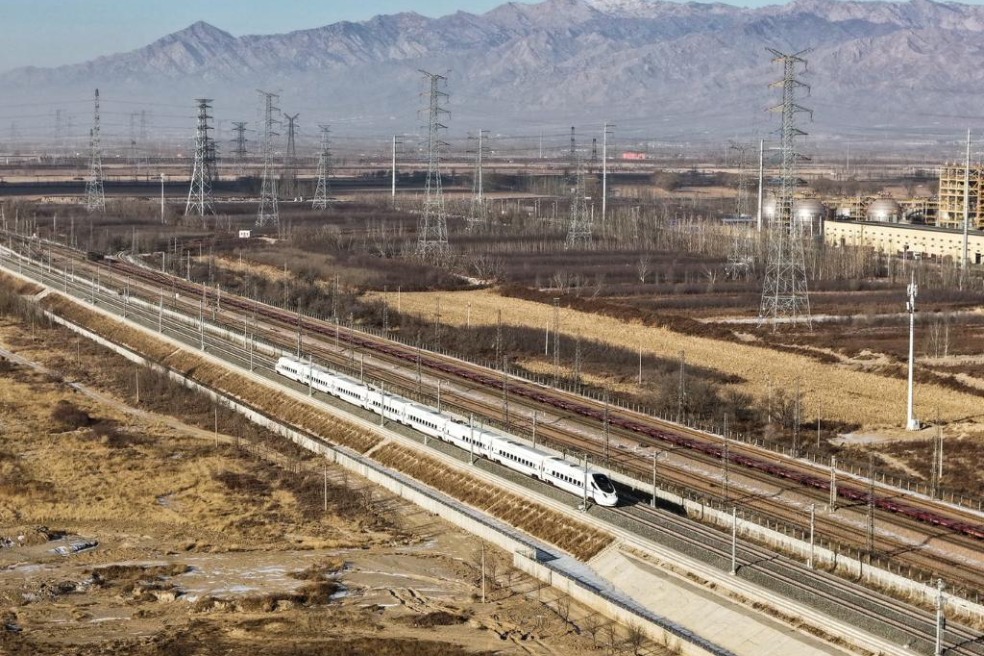
    A transformative transportation milestone has been achieved in Northwest China with the full operational launch of the Baotou-Yinchuan High-Speed Railway, creating unprecedented connectivity between Inner Mongolia Autonomous Region and Ningxia Hui Autonomous Region. The 519.3-kilometer infrastructure marvel, commencing full service on December 24, 2025, now seamlessly links Baotou and Yinchuan with 13 strategically located stations along its route.

    Engineering excellence enables trains to operate at peak velocities of 250 km/h, dramatically compressing the intercity journey from approximately six hours to a mere two hours and 38 minutes. The railway’s initial segment between Yinchuan and Huinong district had previously commenced operations in October 2024, setting the stage for the complete corridor’s activation.

    China Railway Hohhot Group has implemented a robust operational framework with 12 daily high-speed trains scheduled initially. The service incorporates flexible pricing structures and market-responsive discounts to accommodate diverse passenger requirements, as confirmed by Han Zhenmin, director of the 12306 customer service center.

    The inaugural services featured trains adorned with cultural motifs representing cities along the route, transforming the maiden voyage into a mobile exhibition of regional heritage. For residents like Ms. Li from Baotou, the railway delivers immediate practical benefits: “My daughter studies at a university in Yinchuan. Previously I endured overnight train journeys—now travel is both rapid and convenient for family visits.”

    Beyond immediate passenger convenience, the railway carries substantial strategic importance within China’s national transportation blueprint. It completes a critical segment of the Beijing-Lanzhou corridor, integrating with existing Beijing-Baotou and Yinchuan-Lanzhou lines. This integration promises to reduce Yinchuan-Beijing travel duration from 19 hours to approximately six hours once fully optimized.

    Ma Hongyue, director of the Transportation Project Center at Ningxia’s Development and Reform Commission, emphasized the project’s broader implications: “This railway significantly enhances rail connectivity between Northwest China and northern/northeastern regions. It will effectively stimulate coordinated regional development and economic advancement across western territories while facilitating Ningxia’s deeper integration into the national high-speed network.”

    Anticipating increased passenger volume, stations along the route have implemented enhanced service protocols. Baotou Railway Station has optimized passenger flow management with streamlined entry-exit routes and specialized assistance measures for elderly travelers and those without digital access. Yinchuan Railway Station conducted comprehensive emergency preparedness drills and extensive staff training programs prior to launch, with deputy director Shen Xingtao confirming “multiple training rounds covering passenger service etiquette and operational knowledge.”

  • Zhejiang forms team on child’s postoperative death

    Zhejiang forms team on child’s postoperative death

    The Zhejiang Provincial Government has deployed a specialized task force to supervise investigations into the tragic postoperative death of a child at Ningbo University’s Women and Children’s Hospital, according to an official Xinhua News Agency report. The case, involving a young patient surnamed Xu who passed away on November 14 after cardiac surgery, has triggered significant public concern and intensive scrutiny across social media platforms.

    Provincial authorities have designated this incident as a critical priority, establishing enhanced oversight mechanisms for subsequent measures. Concurrently, Ningbo municipal authorities have dispatched their own working group to the medical facility to advance the investigation, implement corrective actions, and safeguard normal clinical operations.

    In a December 14 statement, Ningbo’s Health Commission revealed that their investigation uncovered multiple deficiencies in the medical team’s management of the case. These included insufficient surgical risk assessment, procedural negligence, failure to promptly notify family members of intraoperative emergencies, and inadequate postoperative monitoring and care protocols. The hospital itself was found to have systemic weaknesses in enforcing quality control standards and risk prevention mechanisms.

    Accountability measures have already been implemented, with the lead surgeon and anesthesiologist removed from their departmental leadership positions and suspended from clinical practice. The pediatric intensive care attending physician has likewise been suspended pending further investigation. Additional disciplinary actions against other personnel will follow completion of a technical appraisal of the medical accident and subsequent legal proceedings.

    Following the incident, authorities arranged for an autopsy through a forensic center selected by the child’s family. Tide News, a Zhejiang-based digital news outlet, reported that the notarized autopsy report was delivered to the family on December 19. The city has now initiated a formal medical-accident technical appraisal that will incorporate national experts to identify medical errors and establish responsibility levels. A local court has accepted the family’s medical liability lawsuit against the hospital.

    From November 19 to December 9, the investigation team consulted 17 medical experts from leading hospitals in Beijing, Shanghai, and various Zhejiang institutions, including specialists in pediatric cardiac surgery, cardiothoracic and vascular surgery, anesthesiology, pediatric intensive care, neonatology, and forensic medicine. While experts agreed that the child’s condition warranted surgical intervention without absolute contraindications, they expressed differing opinions regarding the optimal timing of the procedure—a matter expected to be resolved through the ongoing technical appraisal.

    Ningbo’s Health Commission has announced a comprehensive citywide quality and safety rectification campaign focusing on surgical safety protocols, patient safety measures, humane care standards, and medical record documentation practices.

  • US and Ukraine reach consensus on key issues aimed at ending the war but territorial disputes remain

    US and Ukraine reach consensus on key issues aimed at ending the war but territorial disputes remain

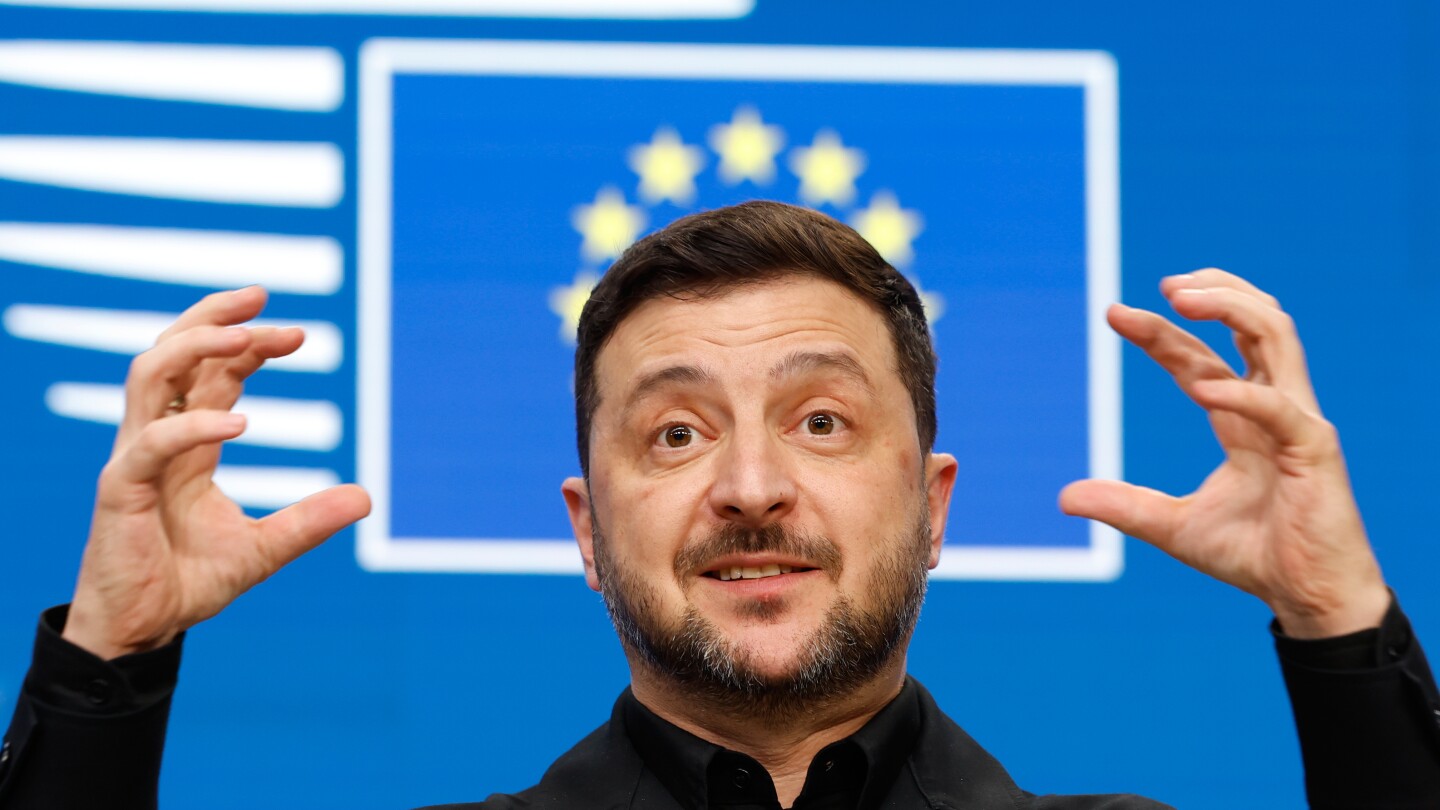
    KYIV, Ukraine — Ukrainian President Volodymyr Zelenskyy has announced that the United States and Ukraine have achieved substantial alignment on a comprehensive 20-point peace framework designed to conclude the nearly four-year conflict, though critical disagreements persist regarding territorial control in eastern Ukraine and management of the Zaporizhzhia Nuclear Power Plant.

    The proposed plan, developed during intensive negotiations in Florida, has been presented to Russian officials with an anticipated response from Moscow expected Wednesday. While Zelenskyy characterized most positions as significantly reconciled, he identified two particularly contentious elements: the status of the Donbas region (Point 14) and the operational control of the Zaporizhzhia facility (Point 12).

    The most challenging negotiation point concerns the disputed territories of Donetsk and Luhansk, collectively known as Donbas. Russia maintains maximalist demands for Ukraine to relinquish remaining unoccupied portions of these regions, while Ukraine firmly rejects territorial concessions. As a potential compromise, the United States has proposed establishing free economic zones in these areas. Ukraine insists any such arrangement must be ratified by national referendum, requiring a 60-day ceasefire to facilitate the democratic process.

    President Zelenskyy emphasized that Ukraine demands complete demilitarization of the region with international forces stationed to ensure stability. “The Americans are attempting to find a solution that doesn’t constitute our withdrawal—which we oppose—through formats like demilitarized zones or free economic zones that might accommodate both perspectives,” he explained.

    Regarding the Zaporizhzhia Nuclear Power Plant, Europe’s largest nuclear facility currently under Russian occupation, the U.S. proposes a tripartite consortium with equal stakes for Ukraine, Russia, and the United States, with American leadership in management. Ukraine has counter-proposed a bilateral venture with the U.S., wherein Americans would independently determine how to allocate their 50% share, potentially to Russia. Zelenskyy questioned the practicality of joint commercial operations with Russia given current circumstances.

    The draft agreement includes robust security guarantees for Ukraine mirroring NATO’s Article 5, obligating partners to respond to renewed Russian aggression. A separate bilateral document with the U.S. will outline detailed security conditions and establish monitoring mechanisms using satellite technology and early warning systems.

    Additional elements include maintaining Ukraine’s military at 800,000 personnel during peacetime, establishing a specific timeline for EU accession, accelerating free trade agreements with the U.S., and creating an $800 billion reconstruction fund through combined equity, grants, loans, and private sector contributions. The proposal also requires Ukraine to conduct post-agreement elections and mandates the immediate release of all prisoners detained since 2014.

  • Border villagers abducted and taken to Russia, says Ukraine

    Border villagers abducted and taken to Russia, says Ukraine

    In a significant escalation of tactics along Ukraine’s northeastern border, Russian forces have conducted an unprecedented cross-border raid resulting in the capture of 52 civilians and 13 Ukrainian soldiers from the village of Hrabovske in Sumy region. The nighttime assault occurred on Saturday when approximately 100 Russian troops stormed the border settlement, according to Ukrainian military spokesperson Viktor Trehubov.

    The operation marked a disturbing departure from previous Russian military behavior, as invading forces transported civilians across the international border before establishing firm control over the territory. Eyewitness accounts describe how Russian soldiers rounded up villagers in a local church before forcibly relocating them to Russia. Ukrainian officials report the detainees were likely transported to Belgorod, a major regional center located approximately 80 kilometers inside Russian territory.

    Volodymyr Bitsak, a member of Sumy’s regional council, revealed the personal impact: ‘My friends’ mother has been taken there. There is no way of contacting her even though they tried. As far as I know, they’ve been taken to the city of Belgorod and are being held at an unknown location.’

    While fighting initially continued in southern Hrabovske, battlefield monitoring group Deep State confirmed Russian forces ultimately captured the entire village. The Russian defense ministry acknowledged striking Ukrainian forces in Hrabovske and several other Sumy region villages but remained silent regarding the civilian detainees.

    The incident highlights the ongoing challenges of civilian evacuations in border areas. According to deputy regional administrator Viktor Babych, 56% of residents in Sumy’s border regions refuse to leave, with approximately 32,000 civilians including 604 children remaining in potential danger zones. Most of those captured in Hrabovske were elderly residents who had declined official evacuation orders.

    Ukrainian President Volodymyr Zelensky expressed shock that children were among those detained, stating: ‘I’m simply surprised that parents treated their children like that. I think they simply did not expect to be taken to Russia by Russian military.’

    Human rights ombudsman Dmytro Lubinets condemned the operation as a ‘serious violation of international humanitarian law,’ noting that civilians were ‘held incommunicado and in improper conditions’ before being forcibly removed from Ukraine. The event represents a concerning evolution in Russian military tactics along the vulnerable northeastern border region.

  • Social security covers more gig workers

    Social security covers more gig workers

    China is accelerating regulatory reforms to strengthen social protections for its massive gig economy workforce, with new measures targeting rights protection, income stability, and benefit coverage for flexible workers. The initiative represents a significant policy shift addressing the growing contingent of delivery personnel, ride-hailing drivers, and other platform-based workers estimated to exceed 200 million people.

    The State Council presented a comprehensive work report to the National People’s Congress Standing Committee detailing progress in safeguarding non-traditional employment rights. Government agencies have implemented multi-faceted approaches including enhanced working standards, algorithmic oversight reforms, and experimental social insurance programs specifically designed for gig workers.

    A landmark achievement is the specialized work-related injury insurance program launched in 2022, which has expanded to 17 pilot provinces and 11 participating companies, covering approximately 23.25 million workers by October 2025. The innovative program calculates premiums based on completed orders rather than traditional employment relationships.

    Concurrently, pension and medical insurance participation barriers have been reduced, resulting in 70.57 million flexible workers enrolled in basic pension insurance and 66.16 million in medical insurance by end-2024. Human Resources and Social Security Vice-Minister Wu Xiuzhang emphasized these developments create unprecedented security for previously vulnerable workers.

    Despite substantial progress, challenges persist including income instability and protection gaps. Future measures will strengthen supervision of payment rights, rest periods, and workplace safety while developing collective bargaining mechanisms tailored to platform-based employment. The government also plans to enhance legal frameworks and dispute resolution channels to ensure comprehensive worker protection in the evolving digital economy.

  • China-Mongolia border port sees rise in cross-border traffic

    China-Mongolia border port sees rise in cross-border traffic

    Erenhot, the primary land port along the China-Mongolia border, has reported substantial increases in both passenger and freight traffic through December 22, 2025, demonstrating growing economic connectivity between the nations. Official statistics reveal inbound and outbound passenger volumes reached 2.753 million, marking an 8.8% year-on-year increase, while vehicle crossings surged to 741,000, representing a 12.1% growth compared to the same period last year.

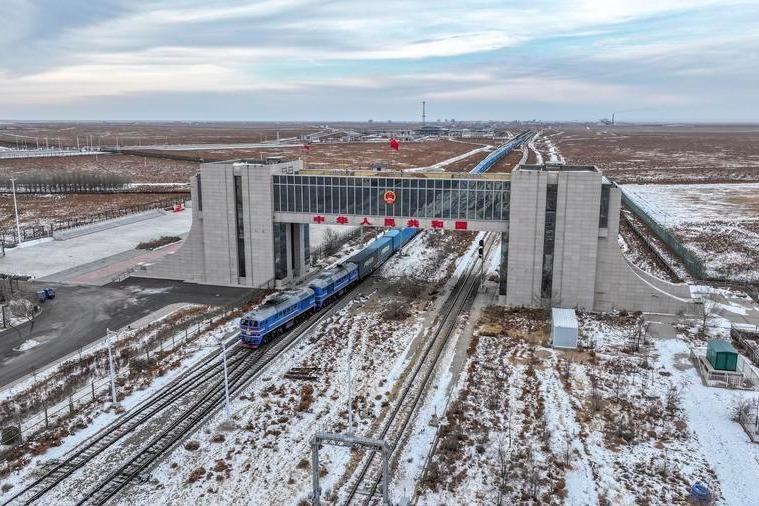
    Strategically positioned as a crucial node within the China-Mongolia-Russia Economic Corridor, Erenhot serves as a vital conduit for transcontinental trade and transportation. Recent aerial photography captured on December 22, 2025, visually documents the steady movement of China-Europe freight trains traversing through this bustling border crossing in China’s Inner Mongolia Autonomous Region.

    The rising traffic metrics underscore Erenhot’s expanding role in facilitating international commerce and regional integration. This growth trajectory reflects strengthened economic ties between China and Mongolia, with the border port evolving into an increasingly significant hub for cross-border exchange and cooperation. The transportation infrastructure continues to support the flow of goods and people, contributing to the economic development of both nations and enhancing regional connectivity across the broader Eurasian corridor.

  • South Korean lawmakers pass bill targeting false information despite warnings on censorship

    South Korean lawmakers pass bill targeting false information despite warnings on censorship

    South Korea’s National Assembly has enacted landmark legislation authorizing substantial punitive damages against media outlets found to disseminate false or fabricated information. The contentious bill, spearheaded by the ruling Democratic Party, cleared parliament on Wednesday with an overwhelming majority of 170-3, though the vote was marked by a boycott from conservative opposition lawmakers.

    The legislation empowers courts to impose damages up to five times the proven financial losses against traditional news organizations and major digital platforms, including large YouTube channels. For cases where quantifiable losses are difficult to establish, courts may award compensation of up to 50 million won (approximately $34,200). Additionally, the country’s media regulatory body gains authority to levy fines reaching 1 billion won ($684,000) against outlets repeatedly distributing court-confirmed false information.

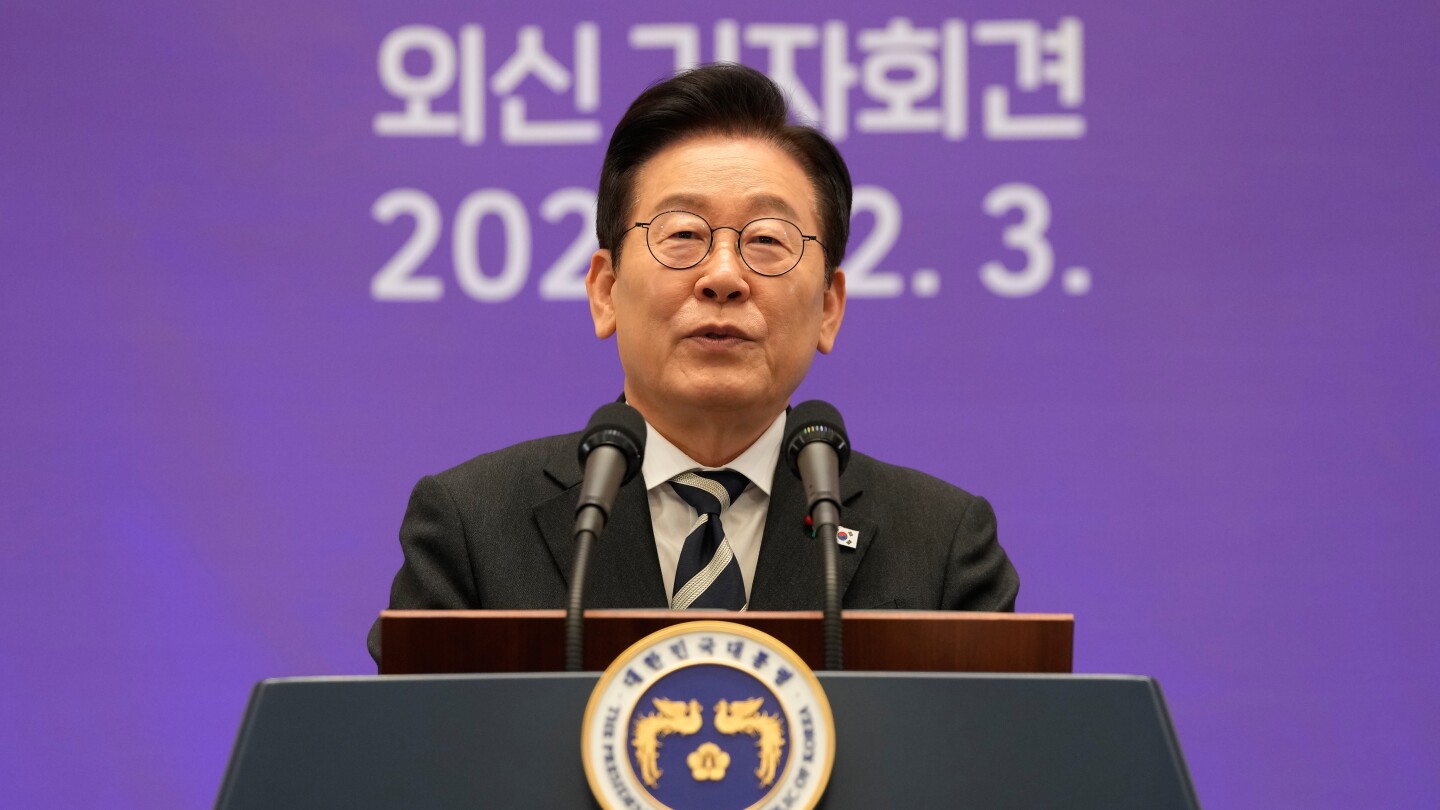
    President Lee Jae Myung’s Democratic Party, which had previously failed to advance similar measures under prior administrations, contends the law addresses escalating concerns about disinformation campaigns that allegedly undermine democratic processes by propagating division and hate speech. Party spokesperson Park Soo-hyun emphasized that the legislation specifically targets “malicious and deliberate dissemination of false information” while exempting satire, parody, and legitimate criticism conducted in the public interest.

    The legislative process encountered significant resistance, including a 24-hour filibuster by People Power Party lawmakers who argued the bill’s vague terminology regarding “inaccurate information” could enable broad interpretation and potentially suppress critical reporting. Journalist associations and civil liberties advocates have urgently petitioned President Lee to exercise his veto power, warning that the ambiguous provisions might discourage scrutiny of public officials, politicians, and corporate entities.

    The National Union of Media Workers has called for meticulous clarification in the law’s implementing ordinances to prevent potential infringement on press freedom and expression rights, expressing concern that the legislation could facilitate weaponized litigation against legitimate media oversight.

  • Explosion in Russian capital kills 3

    Explosion in Russian capital kills 3

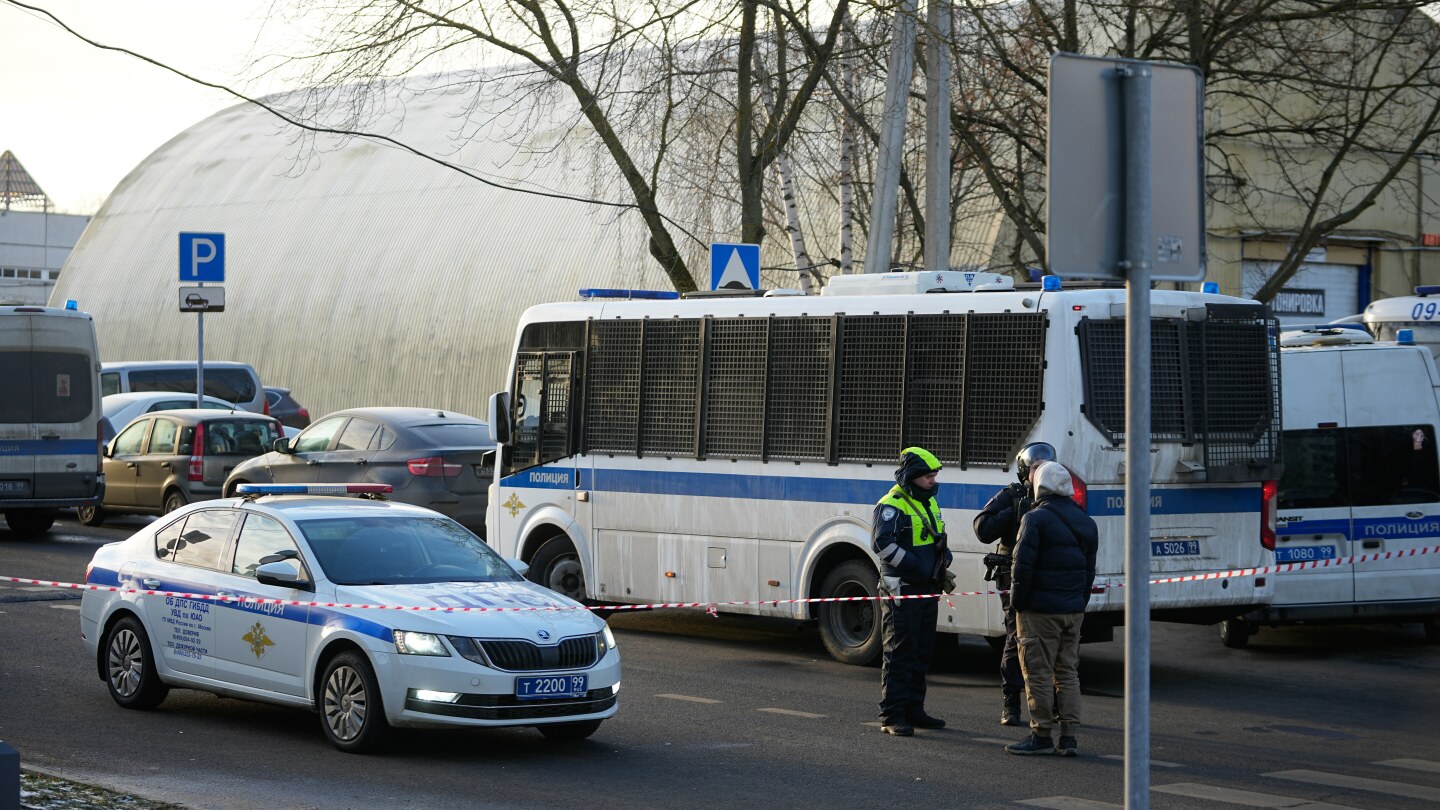
    A deadly explosion in Moscow has resulted in three fatalities, including two traffic police officers, according to official statements from Russian investigative authorities on Wednesday. The incident occurred when the officers approached an individual deemed suspicious, triggering an explosive device that proved fatal for both law enforcement personnel and a civilian bystander.

    Investigative Committee spokesperson Svetlana Petrenko confirmed that specialized teams including investigators and forensic experts have been deployed to conduct comprehensive examinations at the blast site. The explosion represents the latest in a series of violent incidents to shake the Russian capital this week.

    The location of Wednesday’s explosion bears significant geographical proximity to where Lieutenant General Fanil Sarvarov, a high-ranking military official, was assassinated by a car bomb just two days prior. General Sarvarov, who served as head of the Operational Training Directorate within the Russian Armed Forces’ General Staff, died when an explosive device detonated beneath his vehicle in southern Moscow.

    Russian investigators have indicated possible Ukrainian involvement in the general’s assassination, marking what would be the third killing of a senior military officer within approximately a year if confirmed. The close temporal and spatial proximity of these incidents has raised concerns about security vulnerabilities within the capital city, though official statements have not established a definitive connection between Wednesday’s explosion and the earlier assassination.

  • Mozambique target historic first Afcon win in Morocco

    Mozambique target historic first Afcon win in Morocco

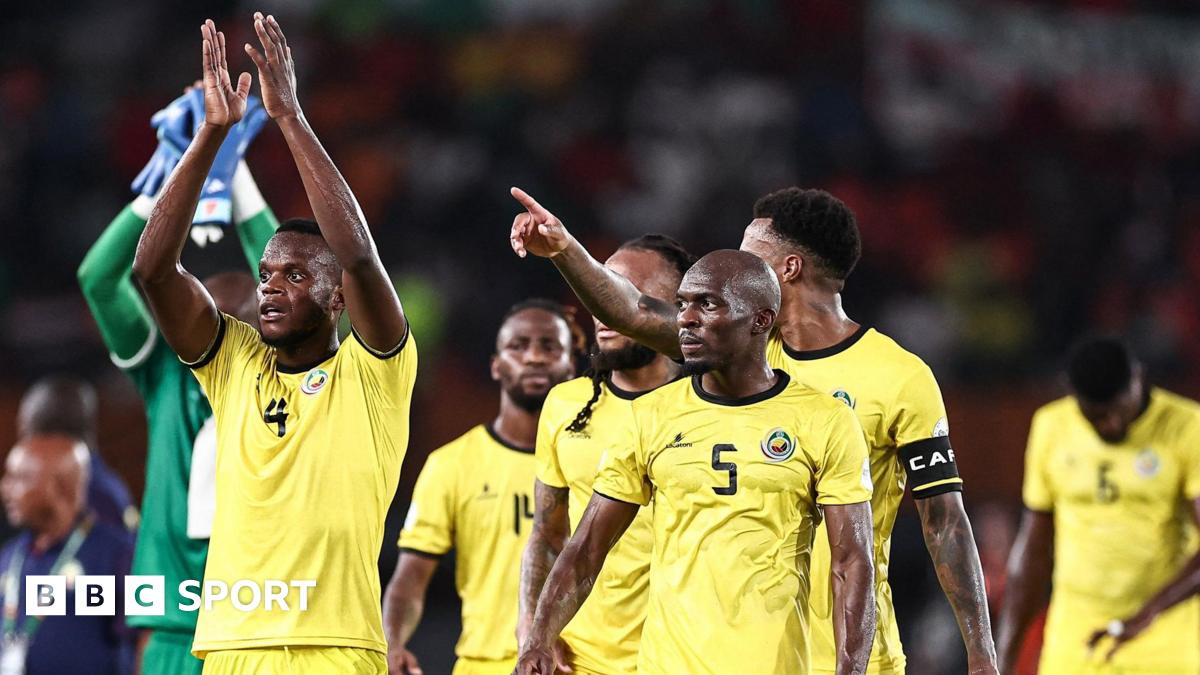
    Mozambique’s national football team approaches the 2025 Africa Cup of Nations with unprecedented optimism despite being drawn in the tournament’s most challenging group. Former international star Manuel ‘Tico Tico’ Bucuane reveals the growing belief within the squad that they can achieve their first-ever knockout stage appearance.

    The Mambas face formidable opponents in Group F, including defending champions Ivory Coast, five-time winners Cameroon, and Gabon led by superstar Pierre-Emerick Aubameyang. This daunting challenge comes despite Mozambique’s historical struggles at the continental showcase—having never advanced beyond the group stage in five previous attempts and still seeking their first victory after 15 matches (5 draws, 10 losses).

    Bucuane, who scored Mozambique’s inaugural Afcon goal in 1996, emphasizes the significance of qualification itself: “Mozambique doesn’t always play at this level so whenever the team qualifies, it’s a big achievement for the country.” The retired striker notes substantial progress under coach Chiquinho Conde, who took charge in October 2021, particularly through strategic naturalization of players from diverse football environments.

    A transformative factor in Mozambique’s development has been the breakthrough of players in elite European competitions. Left-back Reinildo made history as the first Mozambican Premier League player with his Sunderland debut in August following a transfer from Atletico Madrid. Meanwhile, defender Bruno Langa (Pafos) and forward Geny Catamo (Sporting CP) have gained valuable Champions League experience this season.

    “Reinildo playing in the Premier League is a huge thing for the country,” Bucuane stated. “He’s really carrying the Mozambique flag and opening that door in England. All that experience these players are gaining they’re bringing back to the national team.”

    The team’s recent performances have fueled optimism, including holding African powerhouses Egypt and Ghana to draws during the 2023 edition. This marked the first time Mozambique achieved back-to-back Afcon qualifications since 1998, demonstrating consistent progress in their football development.

    Bucuane, whose iconic 1996 goal remains etched in national memory, emphasizes football’s social significance: “Mozambique goes through a lot of challenges socially and football is the light that comes to shine on the people. We’re all behind the team and looking forward to our first Afcon victory.”

    The Mambas begin their campaign against Ivory Coast on December 25th, followed by matches against Gabon (December 28th) and Cameroon (December 31st), carrying the hopes of a nation eager to rewrite its football history.