作者: admin

  • India gives 2 new airlines initial go-ahead to begin operations, weeks after IndiGo crisis

    India gives 2 new airlines initial go-ahead to begin operations, weeks after IndiGo crisis

    In a strategic move to bolster competition within its rapidly growing aviation sector, India has granted preliminary operational approval to two new airlines. This development comes shortly after widespread flight cancellations by market leader IndiGo exposed systemic vulnerabilities stemming from excessive market concentration.

    The Civil Aviation Ministry issued formal ‘no-objection certificates’ to regional startup alHind Air and carrier FlyExpress earlier this week. Minister Ram Mohan Naidu confirmed the regulatory milestone through an official social media announcement, emphasizing the government’s commitment to fostering increased competition in domestic air travel.

    The urgency for market diversification became apparent earlier this December when IndiGo’s operational crisis led to approximately 4,500 cancelled flights. The disruption stranded tens of thousands of passengers nationwide and revealed the risks associated with the carrier’s 65% market dominance. Air India Group follows as distant competitor with approximately 27% market share, while smaller operators account for the remaining portion.

    According to operational plans, alHind Air intends to commence services in southern India utilizing ATR Turboprop aircraft, currently progressing through the final Air Operator Certificate acquisition process. FlyExpress similarly indicates impending market entry through its digital communications.

    This authorization continues a pattern of regulatory expansion, with six air operators receiving permits since 2020, including several regional specialists. The approvals represent India’s deliberate strategy to transform its aviation landscape while supporting infrastructure development in underserved regions.
  • Trump-backed candidate Nasry Asfura wins Honduras presidential election

    Trump-backed candidate Nasry Asfura wins Honduras presidential election

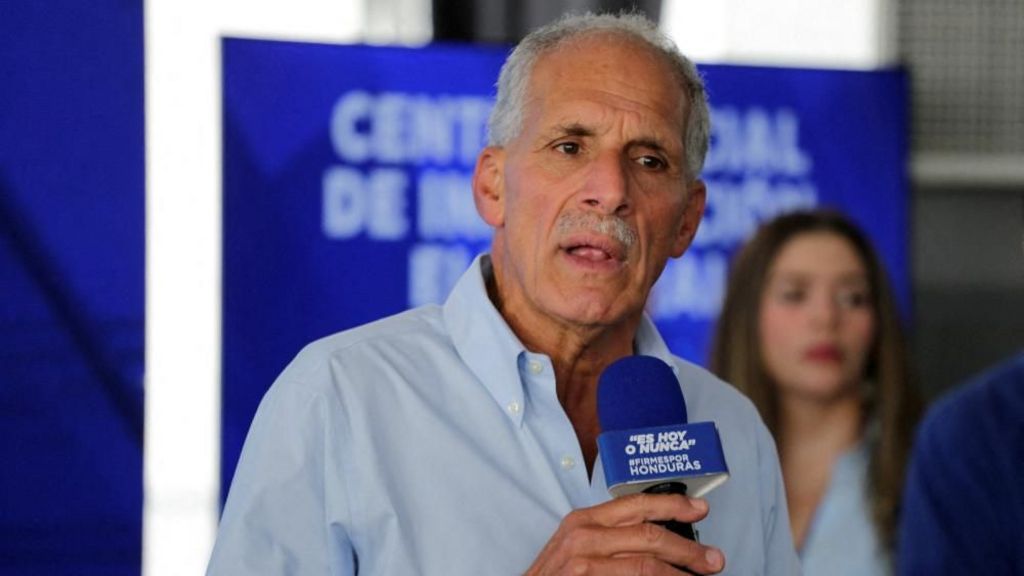
    Honduras has concluded its protracted presidential election with the official declaration of conservative candidate Nasry Asfura as victor, following weeks of electoral turmoil marked by technical failures and fraud allegations. The National Electoral Council (CNE) confirmed Asfura secured 40.3% of votes, narrowly defeating center-right Liberal Party contender Salvador Nasralla who obtained 39.5%.

    The electoral process, initially conducted on November 30, encountered severe technical disruptions that twice halted vote counting operations. CNE President Ana Paola Hall characterized these interruptions as ‘inexcusable,’ attributing the delays to unauthorized maintenance performed by the private contractor responsible for result tabulation. These complications necessitated manual recounts of approximately 15% of tally sheets to determine the final outcome.

    In his victory statement posted on social media platform X, Asfura pledged: ‘Honduras: I am ready to govern. I will not let you down.’ The declaration comes amid heightened political tensions that triggered nationwide protests last week, with supporters of the governing Libre party alleging electoral fraud in capital city Tegucigalpa.

    Outgoing President Xiomara Castro, constitutionally barred from reelection, had previously denounced what she termed an ‘electoral coup’ and accused former U.S. President Donald Trump of interference. Trump had openly endorsed Asfura during the campaign, warning there would be ‘hell to pay’ if the narrow lead was overturned and threatening to withdraw U.S. financial support should Asfura lose.

    In a surprising pre-election development, Trump granted presidential pardon to Juan Orlando Hernández, a National Party colleague of Asfura serving a 45-year U.S. prison sentence for drug and weapons offenses.

    U.S. Secretary of State Marco Rubio urged all parties to respect the official results ‘so that Honduran authorities may ensure a peaceful transition of authority.’ Rubio further indicated American readiness to collaborate with the incoming administration on bilateral security cooperation and combating illegal immigration while strengthening economic relations.

    Contrary to this call for unity, Luis Redondo, president of Honduras’s Congress, declared the election results ‘completely illegal,’ underscoring the deep political divisions that persist following this contentious electoral process.

  • Bombed churches and air strikes: Celebrating Christmas in south Lebanon

    Bombed churches and air strikes: Celebrating Christmas in south Lebanon

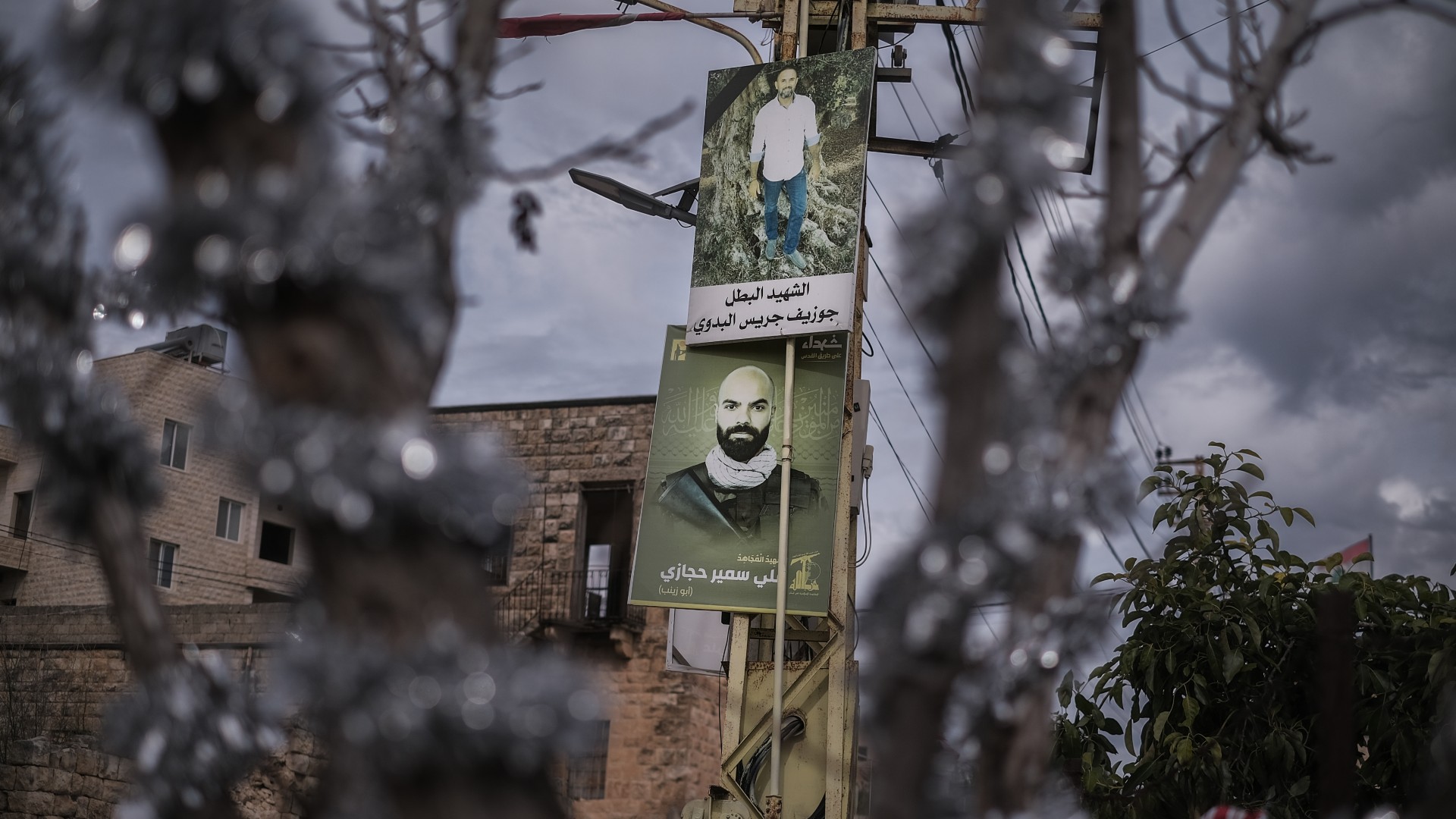
    On a windswept December morning in the southern Lebanese village of Derdghaya, a small congregation of approximately thirty worshippers gathered for Mass. Mostly elderly residents—the last remaining inhabitants of this predominantly Christian community—filed into a makeshift chapel set within their priest’s residence. Their historic Melkite Greek Catholic St. George Church, reduced to rubble by an Israeli bombing in 2023, lay just steps away as a stark reminder of ongoing conflict.

    The service proceeded against a backdrop of howling winds that congregants sometimes mistook for Israeli warplanes—a haunting sound that has become tragically familiar over two years of violence. The conflict escalated significantly in September 2024 when Israel initiated a devastating bombing campaign that forced approximately one million Lebanese from their homes and killed over 4,000 people. While a November 2024 ceasefire agreement reduced large-scale hostilities, Israeli strikes continue almost daily in southern Lebanon, claiming more than 330 lives since the truce began.

    Despite this atmosphere of destruction and uncertainty, Christmas preparations continue across southern Lebanon’s diverse religious communities. In Derdghaya, construction workers in bright red hats sorted through church debris during Sunday’s service, attempting to stabilize the structure with scaffolding. Plastic candy canes and Santa figurines swayed precariously in the wind, symbolic of both celebration and fragility.

    Georges Elia, a local social activist and son of the village mukhtar, has spearheaded Christmas celebrations despite personal challenges. Recently injured in a serious road accident that nearly cost him both legs, Elia dressed as Santa and visited schools in neighboring Muslim villages on a motorcycle decorated as a sleigh.

    The situation is particularly dire in border villages like Deir Mimas, where resident Rami (a pseudonym for security reasons) described adapting to near-daily bombings. “We’ve gotten used to it,” the 26-year-old university student remarked with ironic laughter. His medieval monastery village, which suffered Israeli military incursions including tank and bulldozer damage to its cemetery, has seen many residents flee despite the ceasefire.

    Displacement statistics remain incomplete due to Lebanon’s registration system that ties citizens to ancestral villages regardless of actual residence. Pierre Atallah, mayor of the border village Rachaya al-Fukhar, estimates his community lost approximately 20 of its 120 households since the conflict began. Yet he plans to bring his family to the village for Christmas, where a public tree awaits amidst ongoing concerns about regional stability.

    The lingering threat of escalation shadows holiday preparations. Lebanon approaches an end-of-year deadline to disarm Hezbollah south of the Litani River per the ceasefire agreement—a task Prime Minister Nawaf Salam stated on Saturday is nearing completion. For now, southern Lebanon’s Christians maintain their traditions with resilient determination, celebrating Christmas in damaged villages where wind howls mimic warplanes and church services occur amidst rubble.

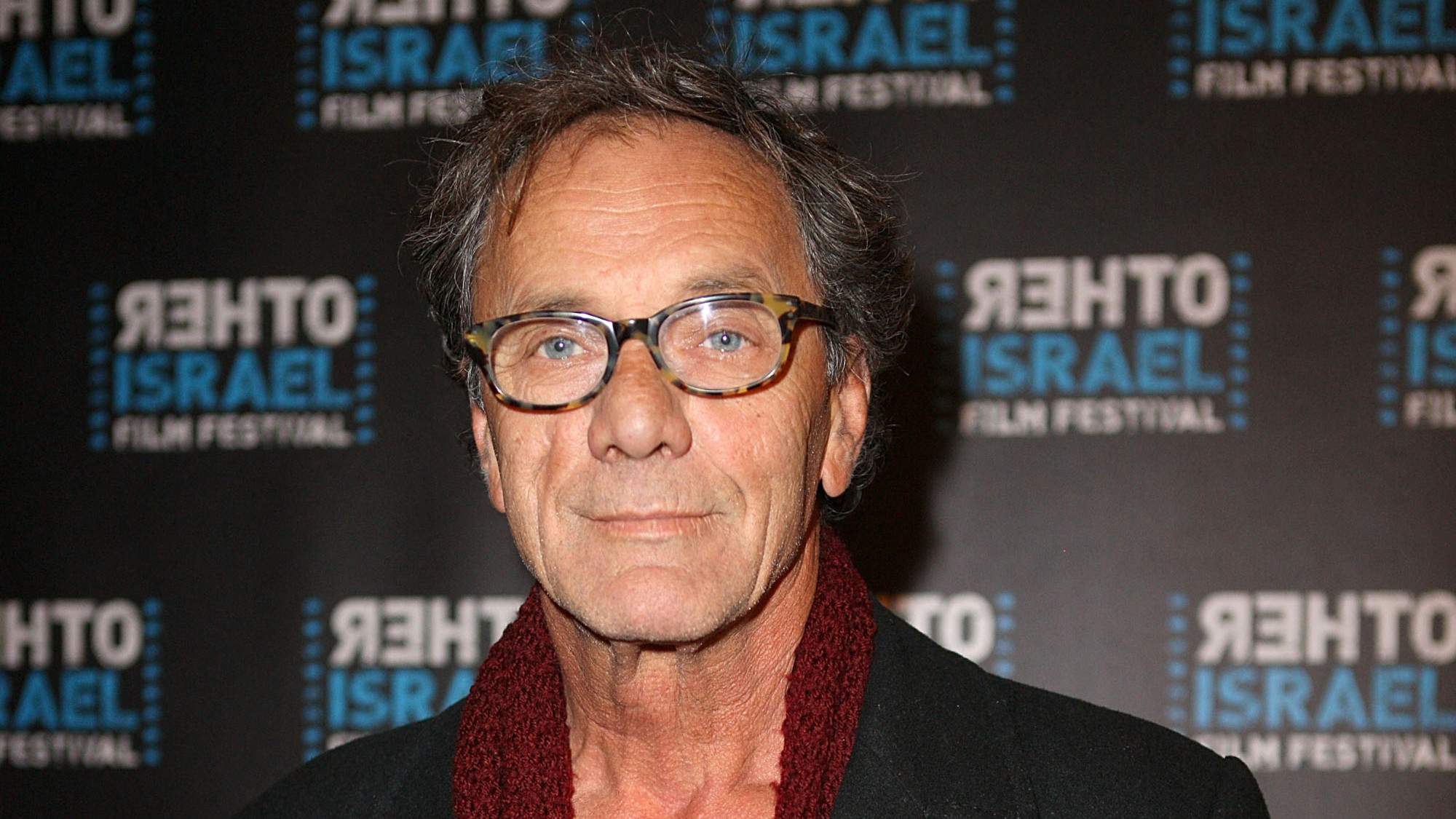
  • Mohammad Bakri, renowned Palestinian director of Jenin, Jenin, dies at 72

    Mohammad Bakri, renowned Palestinian director of Jenin, Jenin, dies at 72

    Mohammad Bakri, the acclaimed Palestinian actor and filmmaker renowned for his politically charged documentary ‘Jenin, Jenin,’ passed away Wednesday at age 72 in an Israeli hospital. His death followed complications from heart-related conditions that had recently worsened, according to family statements.

    Bakri’s 2002 documentary ‘Jenin, Jenin’ became his most controversial work, documenting the Israeli military’s assault on the Jenin refugee camp in the occupied West Bank. The film presented harrowing testimonies from Palestinian survivors of the 11-day offensive that resulted in 52 Palestinian casualties and the demolition of nearly 300 homes.

    The documentary triggered significant backlash in Israel, culminating in a nationwide screening ban imposed by an Israeli court in 2021 after years of legal challenges. Despite sustained pressure and what Bakri described as ‘incitement campaigns,’ the filmmaker remained unwavering in his commitment to exposing Palestinian experiences through cinema.

    Born in 1953 in the Galilean town of Bi’ina, Bakri belonged to the Palestinian community that remained within Israel’s borders after the 1948 Nakba. He studied Arabic literature and theater at Tel Aviv University before embarking on an international acting career that spanned theaters across Europe and North America.

    Bakri made his cinematic debut at age 30 in Costa-Gavras’s 1983 film ‘Hanna K.’ and later collaborated extensively with Gaza-born director Rashid Masharawi. His directorial debut ‘1948’ (1998) examined the ethnic cleansing of Palestinians during Israel’s founding, featuring survivor testimonies and archival materials.

    Throughout his career, Bakri contributed to 43 works as actor, director, and producer. He is survived by his wife Leila and six children, including three sons—Adam, Ziad, and Saleh—who followed him into acting. His seminal work ‘Jenin, Jenin’ remains accessible on Vimeo, preserving his artistic testament to Palestinian resilience.

  • Allianz and Aviva drop Elbit Systems insurance after pro-Palestine protests

    Allianz and Aviva drop Elbit Systems insurance after pro-Palestine protests

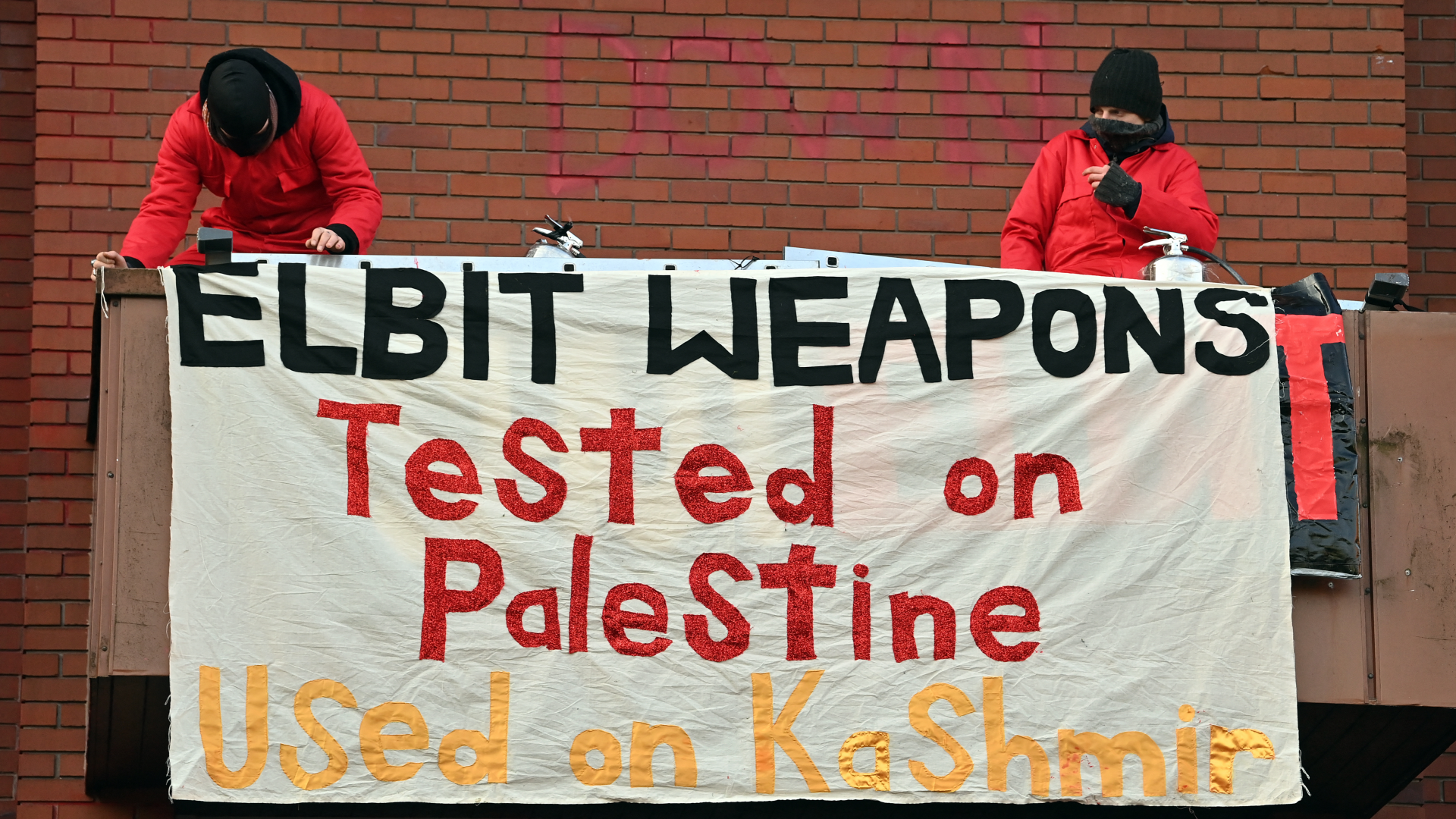
    In a significant development for the Boycott, Divestment, and Sanctions (BDS) movement, global insurance giants Allianz and Aviva have terminated their insurance policies with Israeli defense contractor Elbit Systems. This decision follows sustained pressure from pro-Palestine activists, including direct actions and protests targeting the companies’ operations.

    According to campaign groups, Allianz ceased its coverage of Elbit Systems on November 1st, while Aviva ended its employment liability insurance for UAV Engines Ltd, an Elbit subsidiary, on September 7th. The campaign was spearheaded by Palestine Action, an organization that was subsequently proscribed as a terrorist group by the UK government in July.

    Huda Ammori, co-founder of Palestine Action, characterized the insurers’ withdrawal as a victory for direct action tactics, stating this outcome demonstrates why the government moved to ban their organization. The development highlights the growing financial pressure on companies with ties to Israel’s military industry.

    Elbit Systems maintains a dominant position in supplying Israel’s military, providing approximately 80% of weapons and equipment for land forces and 85% of combat drones used by the air force. The company has faced persistent allegations of complicity in Israeli military actions against Palestinians.

    The activist campaign involved coordinated demonstrations at multiple Allianz offices, including an occupation of their City of London branch in March where premises were spray-painted. Aviva’s Bristol center was similarly targeted in January over its insurance of drone engines linked to an April 2024 attack that killed seven aid workers, including three British veterans.

    In response to the insurance withdrawals, Elbit has secured alternative coverage through Aspen Insurance for its UK operations, while Chubb now provides insurance for UAV Engines. This transition has not gone uncontested, as Aspen’s London offices were recently blockaded by activists from Prisoners for Palestine, who sprayed red paint on the entrance.

    The situation gained international attention when Swedish climate activist Greta Thunberg was arrested outside Aspen’s offices for displaying a placard supporting Palestine Action prisoners. She was subsequently released on bail, with police citing violation of anti-terrorism legislation prohibiting support for proscribed organizations.

    Neither Allianz nor Aviva provided official comments regarding their policy changes when contacted by media outlets. The developments underscore the ongoing tension between activist movements targeting military supply chains and government counter-terrorism measures.

  • ‘Not profit, but health’: Sharjah Ruler inaugurates world’s largest A2A2 cattle farm in Meliha

    ‘Not profit, but health’: Sharjah Ruler inaugurates world’s largest A2A2 cattle farm in Meliha

    In a landmark development for sustainable agriculture, His Highness Sheikh Dr. Sultan bin Muhammad Al Qasimi, Supreme Council Member and Ruler of Sharjah, has officially inaugurated the Mleiha Dairy Farm and Factory—now certified by Guinness World Records as the planet’s largest A2A2 cattle farm. Spanning approximately 20,000 square meters with an annual production capacity nearing 600 tonnes, this state-of-the-art facility represents the culmination of a 65-year vision for the Ruler.

    The project forms an integral component of Sharjah’s comprehensive food security initiative, which synergistically integrates livestock management, poultry operations, crop cultivation, and supporting manufacturing plants. This strategic framework is further bolstered by specialized academic programs in agricultural, veterinary, and desert sciences, cultivating a new generation of experts to drive the sector forward.

    Emphasizing a return to heritage-based agricultural practices, Sheikh Sultan articulated a philosophy centered on natural production methodologies. The farm exclusively raises rare A2A2 cattle breeds—genetically distinct varieties known for producing milk containing only A2 beta-casein protein, which some studies suggest offers superior digestibility compared to conventional milk. These animals are nurtured through organic feeding systems and ethical treatment protocols aligned with traditional desert farming.

    ‘Our objective transcends commercial profit; we prioritize population wellness above financial gain,’ the Ruler declared during the inauguration ceremony. This health-first ethos extends across Sharjah’s agricultural landscape, including ongoing olive cultivation projects, free-range poultry farms, and vegetable production using indigenous plant varieties—all monitored through advanced agricultural technology systems.

    Following the formal opening, Sheikh Sultan conducted an extensive tour of the compound, inspecting production lines, packaging facilities, the central control room, milking parlors, and livestock housing areas. Senior officials detailed the facility’s rigorous quality control measures and outlined ambitious expansion plans designed to enhance the emirate’s self-sufficiency objectives within the broader national food security framework.

  • How investors buy gold and what fuels the global market

    How investors buy gold and what fuels the global market

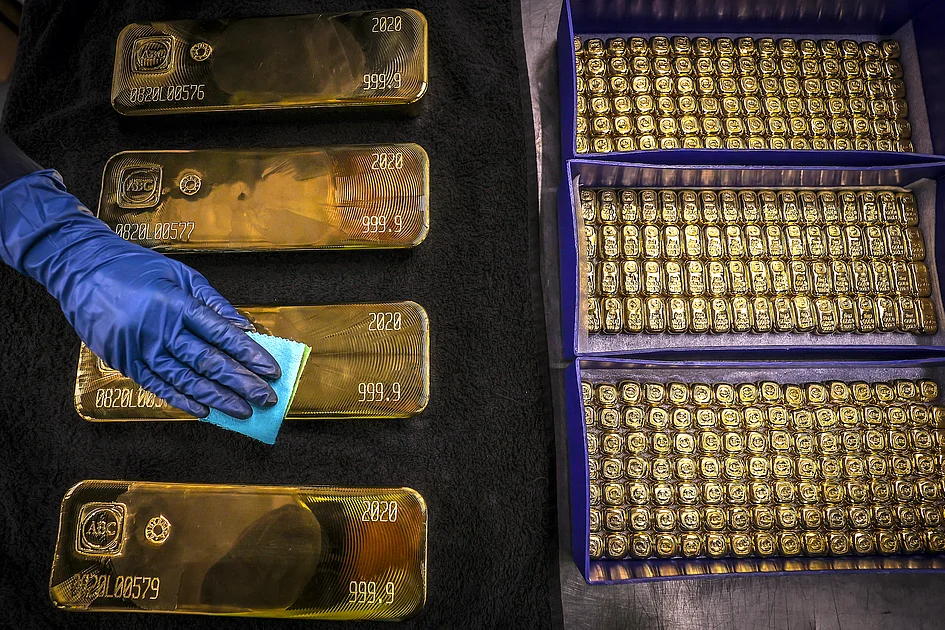
    Gold markets witnessed unprecedented momentum on Wednesday as prices surged beyond the $4,500 per ounce threshold, establishing a new historic peak at $4,525.19 during trading sessions. This remarkable ascent represents the most substantial annual gain since 1979, with prices climbing over 70% throughout 2025.

    The current gold rally stems from a convergence of influential factors: anticipations of relaxed U.S. monetary policy, persistent geopolitical uncertainties, substantial central bank acquisitions, de-dollarization initiatives, and vigorous exchange-traded fund activity. These elements have collectively transformed gold into the premier safe-haven asset during periods of economic and political instability.

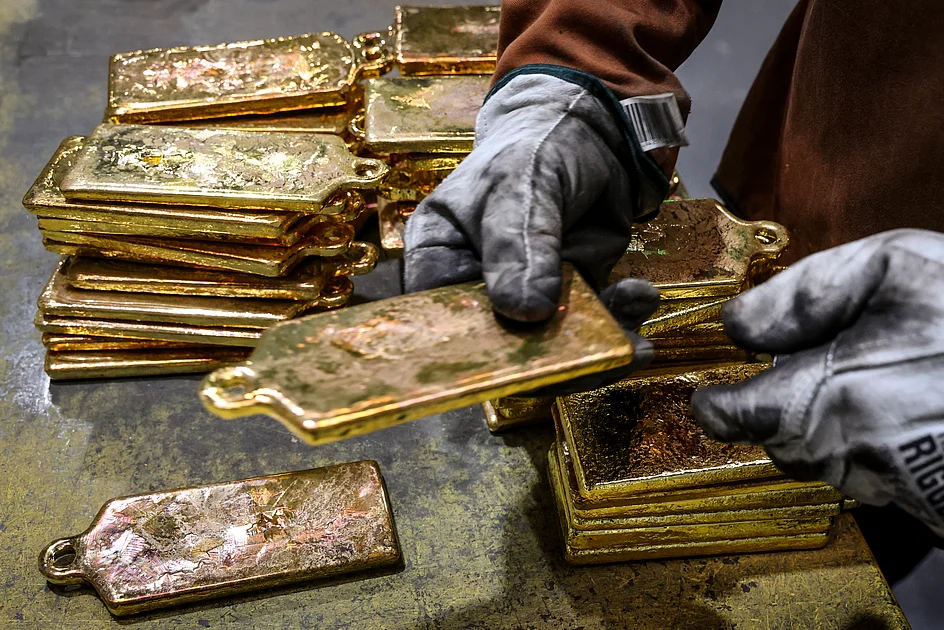
    Investment avenues for gold exposure vary significantly across market segments. Institutional investors typically procure physical bullion through major banking institutions in the spot market, where London’s LBMA framework serves as the global benchmark for over-the-counter transactions. Additional trading hubs include China, India, Middle Eastern centers, and the United States.

    Futures markets provide alternative exposure mechanisms, with COMEX in New York dominating trading volumes alongside significant activity on Shanghai and Tokyo exchanges. For retail investors, exchange-traded products have demonstrated extraordinary growth, with physically-backed gold ETFs attracting $64 billion year-to-date through October, including a record-breaking $17.3 billion in September alone. Traditional physical ownership through bars and coins remains accessible through specialized metals dealers.

    Market dynamics reveal several crucial price drivers: investment fund participation has emerged as a primary catalyst for price movements, while currency fluctuations—particularly inverse correlation with the U.S. dollar—continue influencing gold’s attractiveness. Monetary policy decisions regarding interest rates directly impact gold’s opportunity cost, and central bank accumulation has maintained exceptional strength amid global uncertainties.

    The World Gold Council’s annual survey indicates continued institutional demand, with numerous central banks planning reserve expansions despite elevated prices. Third-quarter 2025 witnessed global gold demand reaching 1,313 metric tons—a record quarterly volume—driven predominantly by investment requirements. China has exemplified this trend through thirteen consecutive months of reserve expansion, reaching 74.12 million fine troy ounces by November’s conclusion.

  • Gold tops $4500 while silver, platinum surge to new peaks

    Gold tops $4500 while silver, platinum surge to new peaks

    In a remarkable display of market momentum, precious metals achieved historic milestones on Wednesday, December 24, 2025, with gold piercing through the $4,500 threshold for the first time in trading history. The unprecedented rally extended across the precious metals complex, with silver and platinum simultaneously reaching unprecedented valuations.

    Spot gold demonstrated remarkable resilience, trading at $4,494.49 per ounce by 1220 GMT after establishing a session peak of $4,525.19. Corresponding February delivery gold futures on U.S. exchanges advanced 0.4% to $4,523.10, reinforcing the bullish trajectory.

    The silver market witnessed extraordinary performance, achieving an all-time high of $72.70 per ounce before stabilizing at $72.32 with a 1.3% gain. Platinum markets experienced similar exuberance, reaching $2,377.50 before moderating to $2,312.70, still representing a substantial 1.6% increase. Palladium experienced modest profit-taking, declining 1.5% to $1,830.37 after touching three-year highs.

    Market analysts attribute this exceptional performance to a convergence of supportive factors. Fawad Razaqzada, market analyst at City Index and FOREX.com, identified “the absence of bearish catalysts combined with powerful momentum underpinned by solid fundamentals” as primary drivers. These fundamentals include sustained central bank acquisitions, a weakening U.S. dollar, and persistent safe-haven demand amid ongoing geopolitical uncertainties.

    The gold market has delivered its most impressive annual performance since 1979, appreciating over 70% year-to-date. This surge reflects heightened investor preference for safe-haven assets alongside expectations of continued monetary easing by the U.S. Federal Reserve. Recent comments from President Donald Trump advocating for lower interest rates during strong market conditions have further reinforced this outlook.

    Silver’s performance has notably eclipsed even gold’s impressive gains, skyrocketing more than 150% year-to-date. This exceptional performance stems from robust investment demand, its recent inclusion on the U.S. critical minerals list, and expanding industrial applications.

    Platinum group metals have demonstrated equally remarkable advances, with platinum and palladium appreciating approximately 160% and over 100% respectively. These gains are fueled by constrained mine production, tariff-related uncertainties, and rotational investment flows from gold positions.

    Société Générale analysts noted that sustained purchasing by emerging market central banks continues to provide fundamental support, with commodity strategists maintaining projections of $5,000 per ounce gold by late 2026 barring any significant reversal in institutional accumulation patterns.

  • Eleven arrested over mass shooting in South Africa tavern

    Eleven arrested over mass shooting in South Africa tavern

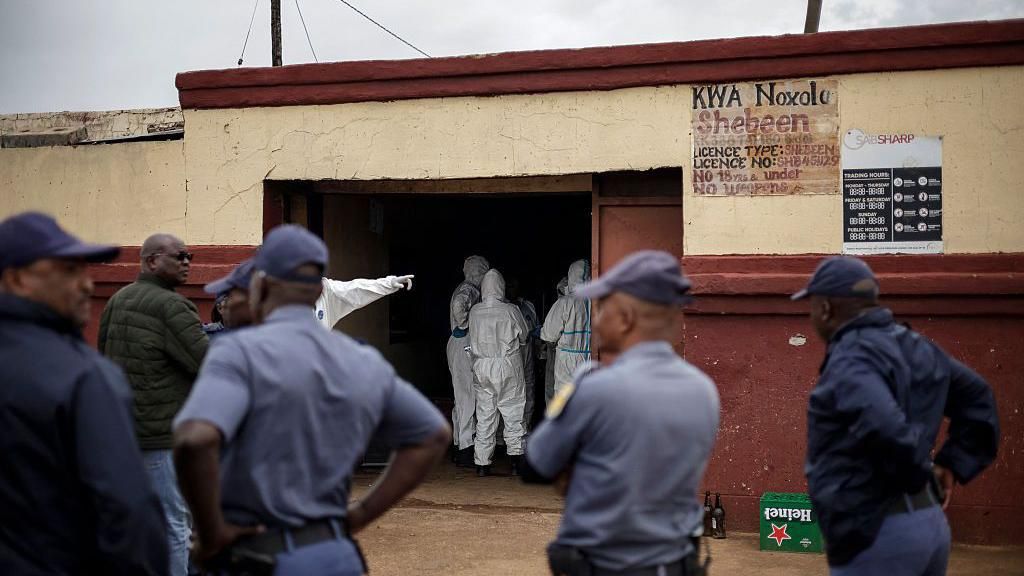
    South African authorities have made significant breakthroughs in the investigation of Sunday’s deadly tavern shooting that claimed nine lives in Bekkersdal, near Johannesburg. Police have apprehended eleven individuals connected to the massacre, revealing a complex international dimension to the case.

    Provincial deputy police commissioner Major General Fred Kekana confirmed that nine of those detained are nationals of Lesotho, while one suspect originates from Mozambique. An additional South African mineworker has also been taken into custody in relation to the attack.

    The shooting occurred around 01:00 local time when approximately twelve unidentified gunmen opened fire on patrons at the licensed drinking establishment. Preliminary investigations now indicate the violence may be connected to territorial disputes within illegal mining operations, contradicting initial assessments that the attack was unprovoked.

    During the assault, gunmen continued firing as victims attempted to flee, resulting in the deaths of two individuals inside the tavern and a taxi driver who had just dropped off a passenger nearby. The suspects were found in possession of several unlicensed firearms, including an AK-47 rifle.

    This incident highlights South Africa’s ongoing struggle with gun violence, where murders frequently stem from arguments, robberies, and gang conflicts. According to statistics cited by Gideon Joubert of the South African Gunowners’ Association, the country has approximately 3 million legally held firearms and at least an equivalent number of unlicensed weapons.

    While 2025 has seen a decline in reported mass shootings, researcher Claire Taylor from Gun Free South Africa notes a concerning increase in incidents where four or more people are killed or injured since 2020. Licensed taverns and informal drinking establishments known as shebeens remain common locations for such attacks.

    The Bekkersdal tragedy occurred merely two weeks after another mass shooting at Saulsville Hostel in Pretoria that left eleven people dead, including a three-year-old child, underscoring the persistent challenge of gun violence in South African communities.

  • Chinese researchers find new treatment path for high-risk breast cancer

    Chinese researchers find new treatment path for high-risk breast cancer

    Chinese medical researchers have achieved a groundbreaking advancement in treating triple-negative breast cancer, the most aggressive form of the disease, through a large-scale clinical trial demonstrating remarkable survival improvements. The study, conducted by Shanghai’s Fudan University Cancer Center and published in the prestigious BMJ journal, reveals that adding carboplatin chemotherapy to standard treatment protocols significantly enhances patient outcomes.

    The research focused on high-risk patients characterized by lymph node involvement or rapidly dividing tumor cells—cases typically resistant to conventional therapies due to the absence of three key receptors that most targeted drugs utilize. Involving over 800 participants, the trial documented a 36% reduction in cancer recurrence risk and achieved a 92.3% three-year event-free survival rate, substantially outperforming the control group’s 85.8%. Most impressively, the experimental group reached a 98% overall survival rate at the three-year mark.

    Lead researcher Professor Shao Zhimin emphasized the study’s departure from ‘one-size-fits-all’ approaches, highlighting its potential for personalized medicine in oncology. ‘The immediate post-surgical period represents the most vulnerable window for recurrence,’ Shao explained, ‘and carboplatin provides precisely the protective buffer these patients need.’

    Notably, the treatment protocol demonstrated no unexpected safety concerns, with Deputy Director Wang Zhonghua confirming its readiness for clinical adoption. Dubbed the ‘Citrine Trial’ after the yellow gemstone symbolizing hope, this research addresses a critical medical gap for the 25% of breast cancer patients diagnosed with triple-negative variants, who traditionally faced limited options beyond conventional chemotherapy.

    The findings offer a robust ‘China solution’ to a global health challenge, potentially transforming standard care protocols for high-risk breast cancer patients worldwide while demonstrating China’s growing leadership in innovative medical research.