作者: admin

  • Holiday shopping 2025: Record online traffic meets a new era of budget‑driven consumers

    Holiday shopping 2025: Record online traffic meets a new era of budget‑driven consumers

    The 2025 holiday shopping season has emerged as a tale of two contrasting realities: unprecedented digital engagement alongside a fundamental transformation in consumer spending habits driven by economic pressures. According to comprehensive data analytics from Dynatrace and consumer research from Qlik, retailers navigated a landscape where soaring online traffic met increasingly budget-aware shoppers redefining traditional gift-giving practices.

    Cyber Week—encompassing Thanksgiving through Cyber Monday—shattered previous digital records with extraordinary web traffic metrics. Retail platforms monitored by Dynatrace witnessed an 80% surge in online traffic compared to typical weekend baselines, with Black Friday alone generating double the traffic of a standard Friday. The computational scale of this activity reached staggering proportions, exceeding 100 petabytes of processed data—triple the volume recorded in 2024—equivalent to approximately 5,000 years of continuous high-definition video streaming.

    Beneath this surface of digital prosperity, Qlik’s comprehensive consumer survey reveals a profound behavioral shift. A significant 83% of shoppers acknowledged adjusting their holiday spending strategies due to economic concerns, with 39% specifically citing inflation as their primary motivator. This financial pragmatism manifested through multiple channels: 40% of consumers planned to purchase fewer gifts, while 35% initiated their shopping earlier to distribute expenses across multiple pay periods.

    Generational analysis reveals particularly distinctive patterns among Gen Z shoppers, with 32% actively opting for lower-cost alternatives to premium brands. This demographic demonstrates a strategic approach to maintaining trend relevance while adhering to budgetary constraints, frequently selecting affordable activewear alternatives and economically priced toy options. The secondhand gift economy has likewise gained substantial traction across most age cohorts, with 31% of Gen Z, 23% of Millennials, and 21% of Gen X consumers planning thrifted purchases—though Baby Boomers remain comparatively hesitant at just 13% adoption.

    The returns process has evolved into a significant revenue opportunity for forward-thinking retailers. Twenty percent of consumers reportedly spend more during return transactions than the original product’s value, with Gen Z leading this ‘trade-up’ tendency at 30%. Remarkably, 54% of Gen Z shoppers admit to making online purchases with premeditated return intentions.

    According to Qlik CEO Mike Capone, retailers employing sophisticated data strategies and agentic artificial intelligence will be best positioned to optimize pricing structures, maintain profit margins, and transform return processes into profitable engagements. As the industry prepares for post-holiday sales and January clearance events, the 2025 season demonstrates that technological infrastructure resilience must be paired with nuanced consumer insight to succeed in this new era of value-conscious digital commerce.


  • Armenia positions itself as a high‑potential investment destination for GCC capital

    Armenia positions itself as a high‑potential investment destination for GCC capital

    Armenia is rapidly establishing itself as a strategic investment destination for Gulf Cooperation Council (GCC) capital, distinguishing itself through comprehensive digital transformation and financial innovation. Unlike conventional markets with limited innovation zones, Armenia has implemented a technology-friendly regulatory framework across its entire territory, creating a uniquely agile environment for financial technology development.

    According to Vazgen Gevorkyan, Member of the Supervisory Board at Evocabank, Armenia’s economic transformation over the past decade has positioned it as an exceptional hub for capital seeking both innovation and stability. The country demonstrated remarkable economic resilience with 5.9% GDP growth in 2024, supported by robust financial buffers and a deeply integrated banking system. Banking penetration has reached 109% of GDP, indicating not merely high usage but sector maturity.

    A key differentiator is Armenia’s nationwide regulatory sandbox approach, allowing fintech institutions to test real products in actual markets without protracted approval processes. This creates a regulatory environment that operates at the speed modern investors demand.

    The country benefits from substantial diaspora capital flows, with remittances accounting for 4.9% of GDP in 2024—significantly above global averages. In 2022, diaspora communities contributed to a $2.5 billion net deposit influx into the banking system, demonstrating strong confidence in Armenia’s financial infrastructure.

    Armenia’s technical talent pool, rooted in decades of mathematical and engineering excellence and strengthened by institutions like TUMO, has cultivated a generation of developers capable of building sophisticated financial technology systems. This positions Armenia to become a backend fintech hub for Middle Eastern and North African banks seeking cost-efficient development and high-quality talent.

    The nation’s strategic advantage stems from early decisions to avoid legacy system preservation and instead rebuild around mobile-first architecture, integrating digital processes at the core rather than as superficial additions. This approach has created a financial ecosystem designed for speed and efficiency, offering Gulf investors a rare combination of regulatory clarity, technical capability, and financial stability.

  • EmCoin & Hotdesk to launch world’s first hybrid token ICO from Abu Dhabi

    EmCoin & Hotdesk to launch world’s first hybrid token ICO from Abu Dhabi

    In a landmark development for digital finance, Abu Dhabi is poised to host the world’s first hybrid security-and-utility token offering following a strategic partnership between Emirates Coin Investment (EmCoin) and global workspace technology leader Hotdesk. The announcement, made during Abu Dhabi Finance Week, reveals plans for the DESK Token Initial Coin Offering (ICO) in 2026, pending regulatory approvals.

    The DESK Token represents a groundbreaking financial instrument that merges real-world asset backing with practical utility. Unlike conventional digital assets, DESK Token will be supported by high-quality, income-generating real estate properties, including Grade A offices and coworking spaces. Simultaneously, token holders will gain seamless access to Hotdesk’s extensive global network of over 2,300 workspaces across 81 countries.

    This innovative dual-value model creates an unprecedented asset class that combines yield generation with immediate practical application. The initiative will operate within a fully regulated framework, with EmCoin—the UAE’s first SCA-licensed Virtual Asset Service Provider—supporting the token within its compliant digital asset ecosystem. The project receives additional institutional backing from Al Maryah Community Bank (Mbank) and Singularity Venture Hub.

    Mohamed Khaled, Founder & CEO of Hotdesk, emphasized the project’s pioneering nature: “Our vision to launch the world’s first hybrid token ICO from Abu Dhabi leverages the emirate’s forward-thinking regulatory environment and innovation-driven ecosystem. DESK Token is designed to generate returns, deliver real-world utility, and create tangible value through its unique hybrid structure.”

    Yasin Arafat, Chief Operating Officer of EmCoin, noted the transformative potential of the collaboration: “We’re bringing a pioneering workspace platform into the blockchain world through a token that combines practical utility with real-world asset backing.”

    The DESK Token initiative reinforces Abu Dhabi and the UAE’s strategic commitment to shaping the next wave of digital economy innovation, creating a new bridge between digital finance and the future of work while establishing new standards for asset-backed digital tokens.

  • Israel ranks lowest in global brand index

    Israel ranks lowest in global brand index

    For the second year running, Israel has anchored the bottom of the global Nation Brands Index (NBI), according to findings released by the private research organization BrandIL. This represents the country’s most dismal performance in the nearly twenty-year history of the index, conceived by policy adviser Simon Anholt.

    The comprehensive NBI framework evaluates national reputations across six critical dimensions: tourism appeal, cultural perception, population image, immigration and investment climate, export and product reputation, and governance quality. The latest rankings placed Japan, Germany, Canada, Italy, Switzerland, and the United Kingdom at the pinnacle. Conversely, Israel found itself trailing behind nations including India, Kenya, Russia, Ukraine, and Namibia. The Palestinian Authority, while not a formally recognized state, also ranked lower.

    Conducted between August and September 2025, the survey revealed a stark 6.1 percent decline in Israel’s overall score from the previous year. A particularly alarming finding was Israel’s last-place ranking in perceptions of its exports and products, signaling a pronounced consumer aversion to goods and services associated with the nation.

    The report underscores a pivotal and troubling shift in international sentiment between 2024 and 2025. Criticism, once primarily directed at the Israeli government, has broadened to encompass attitudes toward Israeli citizens themselves. This evolution is directly correlated with the ongoing military operations in Gaza. Israeli media outlet Yedioth Ahronoth reported a growing perception of Israelis as ‘persona non grata’ in international circles.

    The human cost of the conflict is immense, with Palestinian casualties in Gaza and the West Bank exceeding 72,000 since October 2023. This context has fueled a dramatic reassessment of Israel’s global standing. Beyond rising criticism, the data indicates a generational schism, with more Gen Z respondents characterizing Israel as ‘illegitimate’ and ‘colonial’.

    The economic ramifications are tangible. The ‘Made in Israel’ label is now directly and negatively impacted as boycott movements persist worldwide. While the NBI does not directly track purchasing behavior, BrandIL issued a stark warning of broader economic risks, including a collapse in global trust, a downturn in foreign investment, severe damage to the tourism sector, and a profound erosion of Israel’s stature within the international community.

    This decline is corroborated by other major polls. A recent YouGov survey highlighted that public support for Israel across Europe has hit a record low in 2025, with fewer than a fifth of respondents in Britain, France, Germany, Denmark, Spain, and Italy holding a favorable view. In the United States, an April Pew Research poll found that 53% of Americans now hold an unfavorable opinion of Israel, a significant jump from 42% in March 2022. This negative sentiment is rising across the political spectrum, though it remains more pronounced among Democrats (69%) than Republicans (37%).

    A separate Pew poll confirmed that majority negative views of Israel and Prime Minister Benjamin Netanyahu are now a global phenomenon, prevalent in 20 out of 24 countries surveyed in early 2025. Notably, this disapproval is no longer confined to Arab and Muslim nations but is expanding across Europe and East Asia, with positive perceptions dwindling particularly in Western Europe and among younger demographics globally.

  • Israel’s Katz doubles down on support of settlements in Gaza

    Israel’s Katz doubles down on support of settlements in Gaza

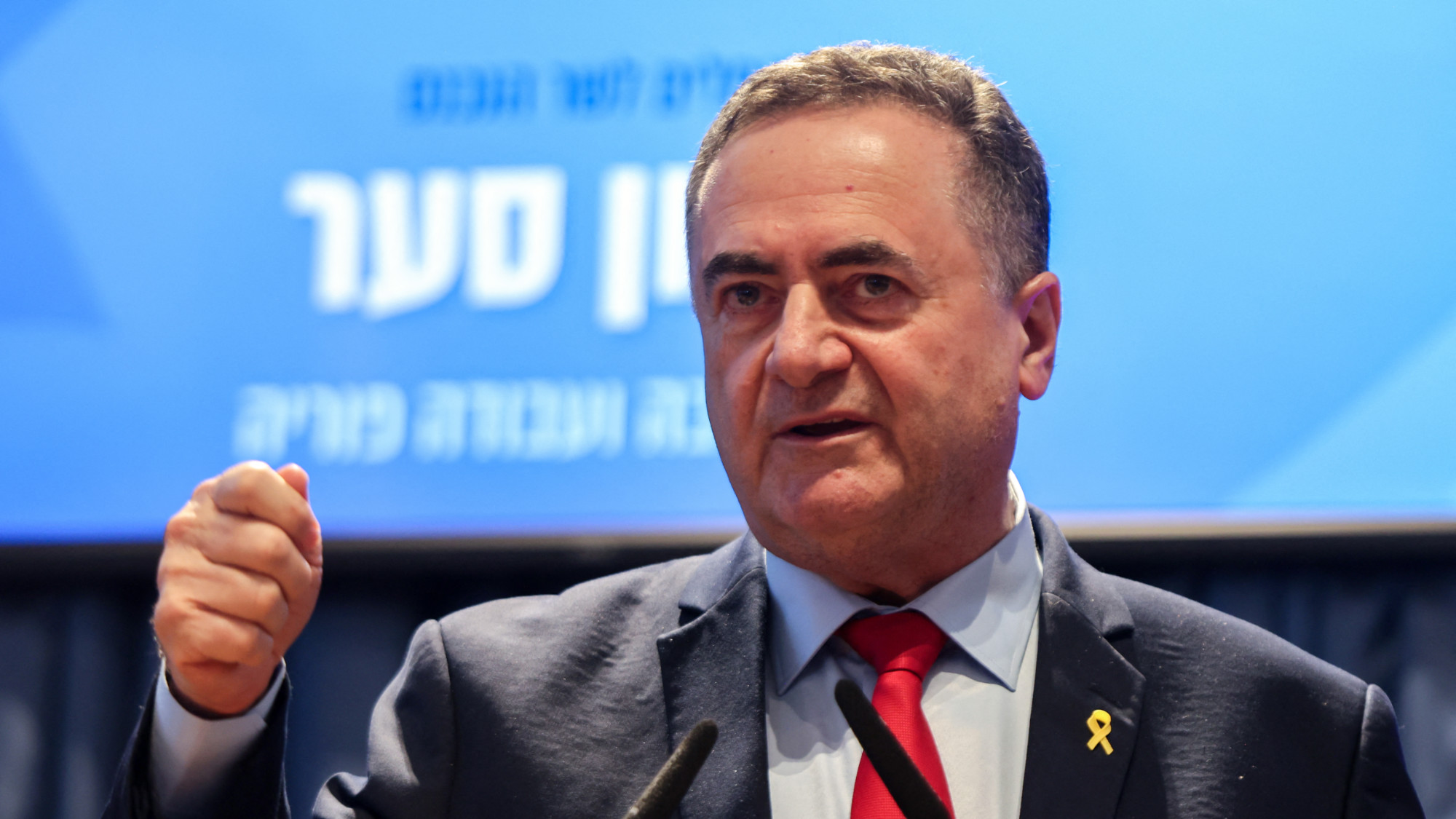
    Israeli Defense Minister Israel Katz has reaffirmed his controversial stance advocating for the establishment of Israeli settlements within the Gaza Strip, despite international law explicitly prohibiting such actions in occupied Palestinian territories. Speaking at a conference on Thursday, Katz articulated his vision for the Nahal military unit to construct outposts that would eventually transition into officially recognized settlements, asserting this would occur “in due time.

    This declaration follows Katz’s earlier remarks this week proposing “Nahal” settlements in northern Gaza, which prompted immediate backtracking from his office amid concerns about straining relations with the United States. However, Katz has since dismissed suggestions of retracting his statements, instead doubling down on his position during his latest public appearance.

    The minister further elaborated on Israel’s long-term security strategy, stating the nation “will never fully withdraw” from Gaza. He outlined plans for maintaining “a significant security area inside the Strip” even in potential ceasefire scenarios involving Hamas disarmament. Drawing parallels to ongoing Israeli military presence in Lebanon, Syria, and the West Bank, Katz emphasized Israel’s autonomous security decisions, stating: “We don’t trust anyone, and no one will come and tell us – there will be no agreement.”

    Katz’s proposals have garnered support from far-right settler organizations, including the Nachala Settlement Movement and the Yesha Council. The latter framed potential settlements as retribution for the October 7 attacks, stating they would demonstrate that “for the massacre of 7 October [2023], he is paying with land and in perpetuity.” Nachala claims over 1,000 families stand ready to settle in Gaza immediately.

    This stance directly contradicts the ceasefire proposal put forward by US President Donald Trump, which envisions near-total Israeli withdrawal from Gaza. Israel previously maintained 21 settlements in Gaza before disengaging from the territory in 2005, while approximately 700,000 settlers currently reside in around 250 illegal settlements across the West Bank and East Jerusalem.

  • Volunteer with Dubai Police on New Year’s Eve, application deadline on Sunday

    Volunteer with Dubai Police on New Year’s Eve, application deadline on Sunday

    Dubai authorities are making final preparations for one of the world’s most spectacular New Year’s Eve celebrations, with community volunteering remaining central to their operational strategy. The Dubai Police have announced that registration for their volunteer program will remain open until Sunday, December 28, 2025, offering residents a unique opportunity to contribute to the city’s massive security and crowd management operations.

    With over 1,100 volunteers already enrolled, the initiative represents a significant community policing effort that blends professional law enforcement with civilian participation. Selected volunteers will commence their duties at 5:00 PM on December 31st across multiple celebration venues throughout the emirate.

    The volunteer program features seven specialized operational streams designed to maximize effectiveness during the high-pressure event. These include bicycle patrol teams monitoring celebration zones, cavalry units working alongside mounted police officers, and ‘Positive Spirit’ teams dedicated to public engagement. Additional specialized roles include Hatta area support, event photography, remote administrative assistance, and general crowd management operations.

    Brigadier Ali Khalfan Al Mansouri, Director of the General Department of Community Happiness, emphasized that the program underscores Dubai Police’s commitment to fostering community partnerships during major events. “We annually provide hundreds of structured volunteering opportunities that enable residents to actively contribute while operating within a safe and organized environment,” he stated.

    New Year’s Eve represents one of Dubai’s most logistically challenging occasions, attracting hundreds of thousands of residents and international tourists to key locations across the city. The comprehensive security operation typically involves extensive traffic management systems, pedestrian control measures, and multi-layered public safety protocols, with volunteers playing a crucial supportive role alongside police and emergency services personnel.

    Prospective volunteers can register through the official Dubai Police volunteering portal before Sunday’s deadline.

  • China initiates renovation projects at 25,800 urban residential communities from Jan-Nov

    China initiates renovation projects at 25,800 urban residential communities from Jan-Nov

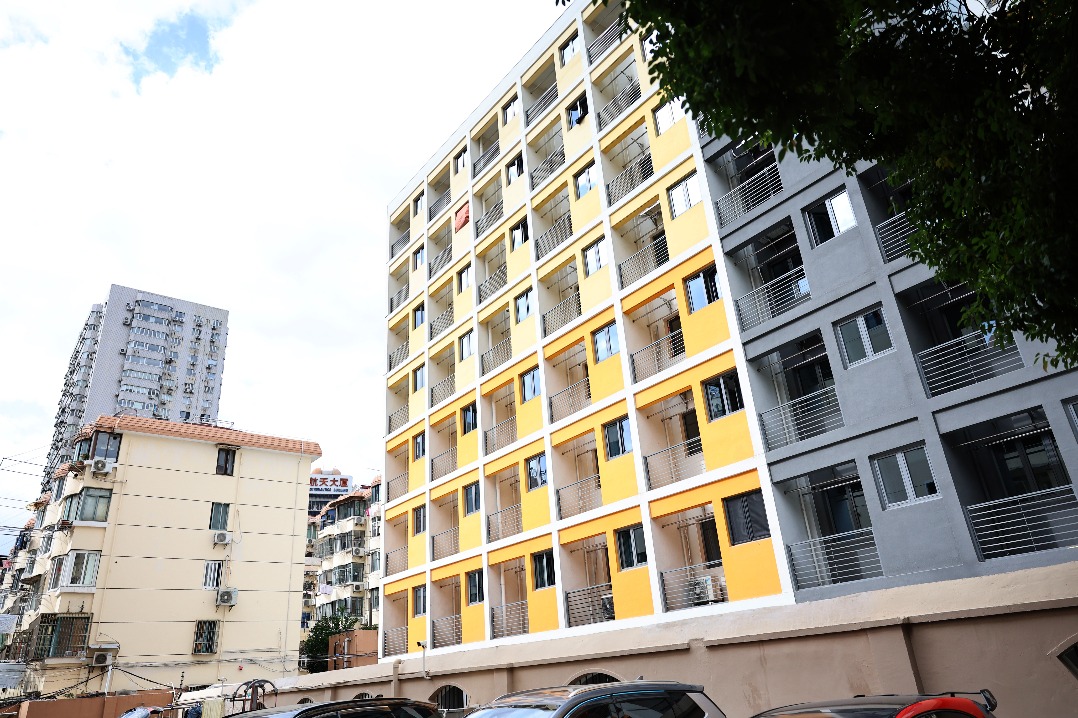
    China has successfully exceeded its annual urban regeneration objective by initiating revitalization projects across 25,800 aging residential communities during the initial eleven months of 2025, according to official statistics released by the Ministry of Housing and Urban-Rural Development. This achievement demonstrates the nation’s continued commitment to enhancing urban livability through comprehensive neighborhood modernization.

    The statistical report reveals that twenty-two provincial-level administrative divisions alongside the Xinjiang Production and Construction Corps have already fulfilled their annual renovation quotas. This collective effort has propelled the national program beyond its predetermined goal of refurbishing 25,000 residential complexes within the current year.

    A ministry representative outlined the strategic priorities moving forward, emphasizing the integration of complete neighborhood development concepts, creation of pocket parks, and improved accessibility of green spaces. The official further highlighted plans to enhance barrier-free infrastructure and age-friendly environments, addressing the needs of China’s growing elderly demographic.

    Historical context shows the remarkable scale of this ongoing initiative. Between 2019 and 2024, approximately 280,000 residential communities underwent systematic upgrades, directly improving living conditions for over 120 million residents nationwide.

    This urban transformation effort aligns with directives established during July’s Central Urban Work Conference, which identified urban renewal as a crucial mechanism for optimizing city structures, transitioning development models, elevating quality of life, advancing ecological sustainability, preserving cultural heritage, and improving governance efficiency.

  • China unveils new mechanism to align higher education with national priorities

    China unveils new mechanism to align higher education with national priorities

    China has initiated a groundbreaking reform of its higher education system by establishing a rapid-response mechanism for creating doctoral and master’s degree programs in strategic fields critical to national development. The Ministry of Education announced this transformative approach on Thursday, marking a significant shift in how academic programs are designed and implemented.

    The newly established ‘ultra-fast layout’ approval process, overseen by the State Council’s academic degrees committee, enables real-time responsiveness to the country’s escalating demand for elite professionals in science, technology, and emerging industrial sectors. This reform directly addresses the intensified global technological revolution and industrial transformation currently underway.

    Under this innovative framework, degree-granting programs can be immediately initiated and fast-tracked through approval processes specifically tailored to address urgent national needs. A pilot program launched in June demonstrated this approach’s effectiveness when authorities rapidly authorized 24 universities with independent degree-audit qualifications to establish programs supporting the development of China’s low-altitude economy.

    The comprehensive framework features robust inter-departmental coordination targeting strategic emerging industries, future industries, and modern services. To further enhance alignment between talent supply and demand, expert panels will propose new discipline names and application criteria outside standard graduate education catalogs.

    Concurrently, the government continues expanding the roster of universities granted ‘autonomous review’ status, a policy initiated in 2017 to increase institutional independence. Currently, 38 universities hold this privileged status, which has already resulted in 441 new doctoral programs and 454 master’s programs, particularly in pioneering fields including integrated circuits, artificial intelligence, biopharmaceuticals, digital economy, and low-altitude technology.

    The future expansion will implement a classified, tiered approach designed to encourage universities to develop distinctive strengths while optimizing discipline structures, thereby preventing homogenization and maintaining educational quality across China’s higher education landscape.

  • PA accused of failing Palestinians at a time of genocide

    PA accused of failing Palestinians at a time of genocide

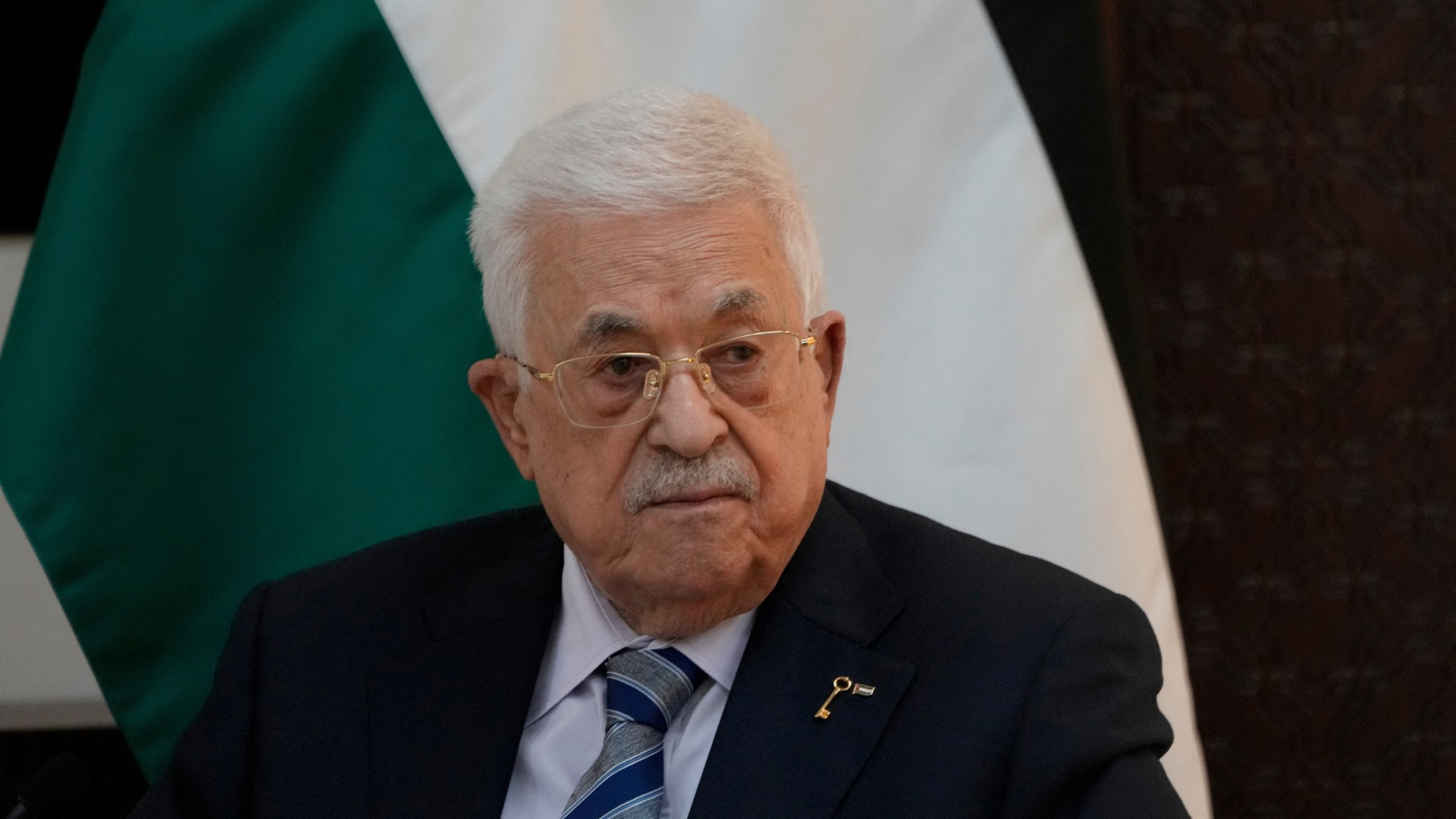
    A prominent Palestinian civil society organization has issued a stark warning that recent administrative and political decrees by the Palestinian Authority (PA) are exacerbating internal fractures during a period of profound national crisis. The Palestinian National Popular Action Forum, in a December 23rd declaration, stated it is observing these developments against the backdrop of what it characterizes as genocide and systematic starvation in Gaza, coupled with accelerated settlement expansion and settler violence in the West Bank.

    The Forum specifically highlighted Israel’s advancement of plans for 19 new settlements and the forced displacement of northern refugee camps. It interprets these actions as components of a broader strategy to dismantle the United Nations Relief and Works Agency (UNRWA) and ultimately nullify the Palestinian refugee issue.

    The group’s statement expressed deep concern that, amidst these existential threats, the official leadership is enacting measures under external pressure that starkly contravene popular will and lack national consensus. A primary point of contention is the PA’s suspension of financial allocations to families of those killed, injured, or imprisoned by Israeli forces. The Forum asserts these payments constitute a fundamental national and moral duty enshrined in Palestinian law, not discretionary aid.

    Further condemnation was directed at the transfer of responsibility for these payments to the government-affiliated Tamkeen Foundation, a move described as a blatant denial of rights. The Forum criticized the Foundation’s administrators for allegedly re-categorizing these families as mere ‘social cases’ rather than acknowledging their entitled national status.

    Additional criticism targeted a new decree-law governing upcoming local elections, which the Forum argues effectively disenfranchises significant segments of Palestinian society. Provisions mandating that candidates declare alignment with the leadership’s commitments—including recognition of Israel and adherence to the Oslo Accords—were condemned as an assault on freedom of opinion and belief.

    The statement also denounced plans to form a new Palestinian National Council through appointment instead of election, alongside alleged compliance with demands to remove national content from school curricula. The Forum warned such changes risk eroding Palestinian historical narrative, identity, and collective memory.

    In response, the Forum pledged to mobilize efforts to reverse these policies. It issued a series of demands, including the reinstatement of payments to affected families, the abolition of the Tamkeen Foundation, a boycott of local elections under the current framework, and the defense of national educational content. It also renewed calls to rebuild the Palestine Liberation Organization (PLO) on a democratic basis through comprehensive elections involving Palestinians both in the occupied territories and across the diaspora, vowing to continue the struggle for liberation and the full realization of national rights.

  • Lals Group’s Pure Bliss Development announces topping out of Bliss Tower at Dubai Land Residence Complex

    Lals Group’s Pure Bliss Development announces topping out of Bliss Tower at Dubai Land Residence Complex

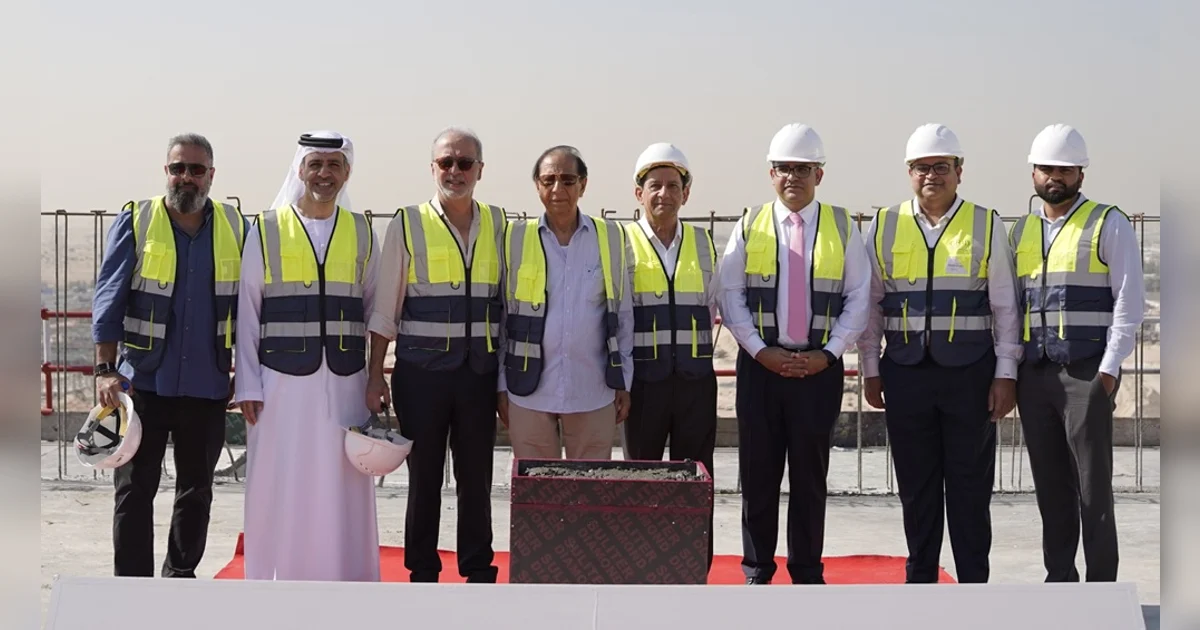
    Dubai’s dynamic real estate sector has reached another construction milestone with the official topping out of Bliss Tower, a premier residential development. The project, developed by Pure Bliss Development—a subsidiary of the internationally diversified Lals Group—is situated within the prestigious Dubai Land Residence Complex, a master-planned community known for its integrated amenities and strategic location.

    The ‘topping out’ ceremony signifies the completion of the tower’s structural framework, marking a pivotal phase in the construction timeline. This achievement underscores the developer’s commitment to adhering to projected schedules and maintaining high construction standards. The event was attended by key stakeholders, project engineers, and company executives, who highlighted the project’s progress amid a robust period for Dubai’s property market.

    Bliss Tower is designed to offer a blend of luxury living and modern convenience, featuring a variety of residential units, state-of-the-art facilities, and panoramic views of the city. Its placement within Dubai Land Residence Complex provides residents with access to retail outlets, leisure facilities, and seamless connectivity to major transport networks, enhancing its appeal to both local and international investors.

    The completion of the structural phase accelerates the subsequent stages of interior fitting, landscaping, and final touches, with handover to occupants expected to proceed as planned. This project is a testament to Lals Group’s expanding portfolio and its strategic focus on high-growth real estate markets, contributing to the ongoing urban transformation of Dubai.