作者: admin

  • White House got $620m rare earths deal for firm tied to Trump Jr.

    White House got $620m rare earths deal for firm tied to Trump Jr.

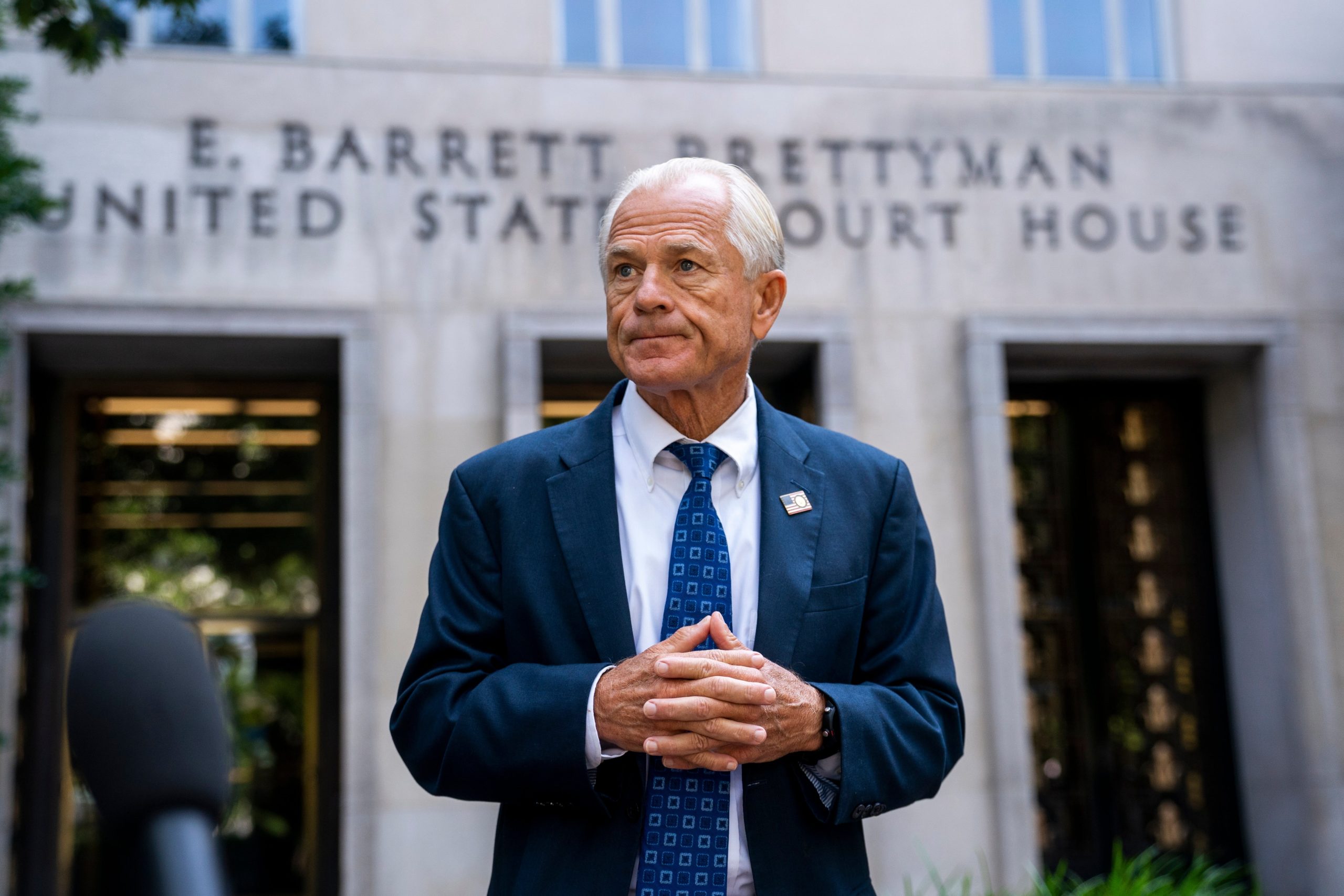
    A groundbreaking ProPublica investigation has uncovered direct White House involvement in pushing through a $620 million Pentagon loan to a small North Carolina rare earth magnet startup connected to Donald Trump Jr., raising serious new questions about cronyism and ethical conflicts within the second Trump administration. When the historic loan was announced one year ago, top defense officials, company leaders, and representatives for the president’s eldest son moved quickly to dismiss public and congressional suspicions of political favoritism. Trump Jr.’s spokesperson stated he had no role in securing the deal, the Pentagon publicly insisted he did not influence the funding decision, and Vulcan Elements’ founder claimed the company received no preferential treatment because of its high-profile ties. But new interviews with multiple anonymous Pentagon officials and a review of internal Defense Department documents obtained by ProPublica tell a different story: the multi-hundred-million-dollar loan request for Vulcan was directly initiated by Peter Navarro, a senior White House trade advisor with close personal ties to Trump Jr.

    According to one senior Pentagon official who was not cleared to speak publicly about the internal process, of the dozens of companies competing for Pentagon funding under the critical minerals initiative at the time, the Vulcan deal was the only one directly pushed forward by a top White House presidential aide. Two insiders involved in processing the loan confirmed that after receiving the request from the White House, defense leadership ordered staff to accelerate the review and approval process at an unprecedented pace. To meet the rushed timeline, Pentagon teams worked consecutive late nights, skipping downtime to push the massive loan through in just a matter of weeks, a stark departure from the months-long standard vetting process for comparable funding deals. One source directly involved summed up the internal directive: “The call came from the White House: We have to get this done.”

    This revelation marks the first time that a federal agency contract or funding award under the second Trump administration has been directly tied to intentional White House intervention, adding fuel to longstanding allegations that the administration has directed government benefits to companies tied to the Trump family’s personal business interests. The loan itself was framed as part of a critical national security initiative to reduce U.S. dependence on China’s dominant grip on the global rare earth supply chain, a sector that underpins everything from commercial semiconductors to advanced military systems including Tomahawk missile guidance systems and F-35 fighter jet engines.

    Roughly three months before the Pentagon made the loan public, Trump Jr.’s venture capital firm, 1789 Capital, acquired an undisclosed stake in Vulcan, a two-year-old startup founded by a Harvard Business School student that had raised less than $10 million in total private funding ahead of the deal. Following the loan announcement, Vulcan’s estimated valuation surged tenfold from roughly $200 million to $2 billion, delivering an immediate windfall to its early investors including 1789 Capital. The investigation also revealed that a second company tied to Trump Jr. — Florida-based drone parts manufacturer Unusual Machines, where he holds a board advisory role and millions in personal equity — is also currently under review for Pentagon funding, following a 2025 defense contract for the firm that already sparked cronyism allegations.

    Navarro, who served as Trump’s trade advisor during his first term and has built an extremely close personal relationship with Trump Jr. in recent years, has not responded to multiple requests for comment from ProPublica. Trump Jr. has previously stated he does not discuss his portfolio investments with administration officials and never spoke with Navarro about the Vulcan deal, claiming he had no knowledge of how the funding was approved. 1789 Capital has also denied any role in securing the loan. The White House issued a blanket defense of the process, stating in a formal statement that the administration “is working in the best interest of the American people,” adding that the entire team “is working together and with private industry to secure America’s critical mineral supply chain at Trump speed.” The Pentagon has repeatedly denied that political connections or outside affiliations play any role in its funding decisions.

    The national security context for the loan is broadly supported by policymakers across the aisle: China currently controls nearly all global processing capacity for rare earth elements, a position it has already used to restrict exports to pressure geopolitical rivals, leaving U.S. military supply chains potentially vulnerable. The Office of Strategic Capital, the Pentagon unit that approved the Vulcan loan, was originally created under the Biden administration to support private-sector development of domestic rare earth capacity, with an initial $1 billion in lending authority. After taking office for a second term, the Trump administration dramatically expanded the office’s authority to $200 billion in total lending, overhauled its operating structure, and replaced the original slow, open application process with a model that relies heavily on the personal networks of new leadership drawn from Wall Street to source deals.

    The Vulcan loan has drawn intense bipartisan criticism from ethics experts and congressional Democrats. Richard Painter, former chief White House ethics lawyer under the George W. Bush administration, called the intervention a clear abuse of power. “This is our money they’re spending,” Painter said. “This is corruption we pay for.” A group of Senate Democrats has demanded the Pentagon release a full accounting of Vulcan’s selection process, warning that the Trump family’s conflicts of interest could be “resulting in a waste of taxpayer dollars and a threat to national security.” The Pentagon’s response to the request did not address how Vulcan was selected, only addressing conflict of interest protocols for its own employees, not the president’s family. House Democrats attempted to subpoena Trump Jr. to testify about the deal earlier this year, but the effort was blocked by Republican lawmakers.

    For other companies seeking funding from the revamped Office of Strategic Capital, the incident has reinforced a widespread perception that access depends on personal connections to the Trump circle rather than open competition. Brodie Sutherland, CEO of Nevada-based tungsten miner Patriot Critical Minerals, told ProPublica his firm hired a lobbyist with existing ties to the office to secure a meeting, adding, “Whether you need someone on the inside track to get it across the line I don’t know. We’re hopeful you don’t need to be chums with Trump Jr. to get a project across.” Defense Department records show Patriot Critical Minerals was already rejected for a loan, though the agency did not provide a reason for the denial. Sutherland said he still holds out hope for future funding.
  • Austrian jihadist jailed for 15 years for Taylor Swift concert attack plan

    Austrian jihadist jailed for 15 years for Taylor Swift concert attack plan

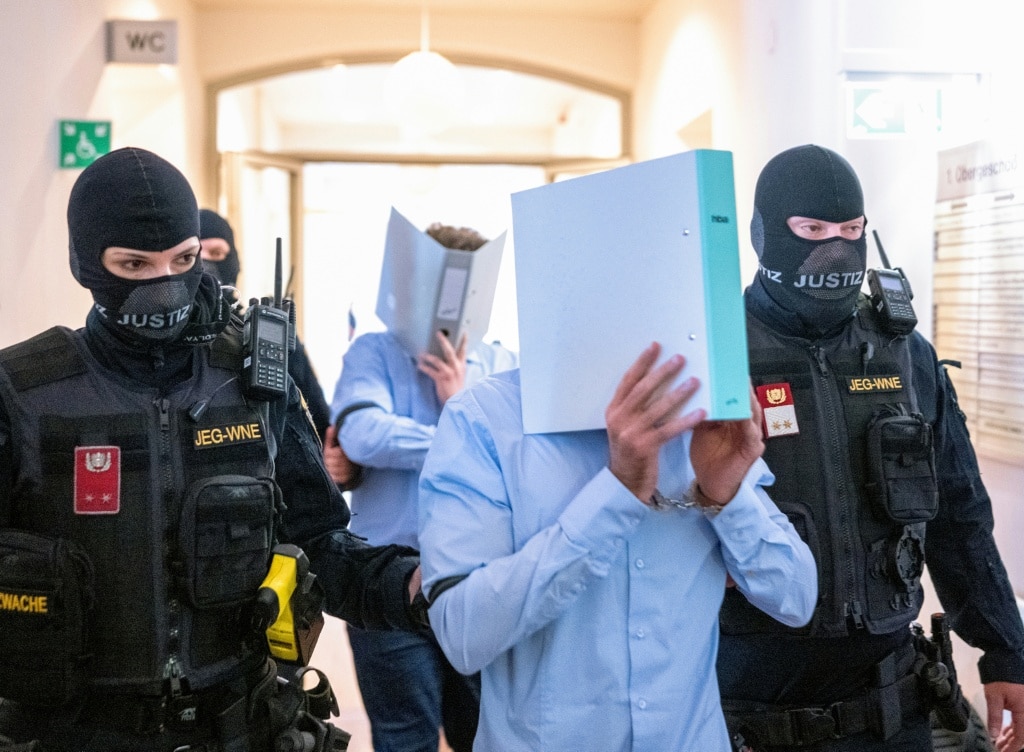
    In a landmark terrorism verdict that closed a chapter on one of 2024’s most high-profile terror plots, an Austrian court has sentenced a 21-year-old Austrian national to 15 years in prison for organizing a planned jihadist attack against Taylor Swift’s record-breaking Eras Tour stop in Vienna. The foiled conspiracy forced the pop superstar to cancel three sold-out Vienna shows last summer, leaving millions of fans disappointed and sparking global security concerns.

    The defendant, Beran A., pleaded guilty to most charges, including membership in the Islamic State (IS) terror group and plotting the attack, but denied allegations that he acted as an accomplice to attempted murder. A co-defendant, 21-year-old Arda K., received a 12-year prison sentence following the guilty verdict. Both verdicts remain open to appeal, and each defendant issued a public apology to the court during closing statements.

    Court proceedings laid bare the detailed planning behind the plot. In his testimony last month during the trial held in Wiener Neustadt, outside of Vienna, Beran A. acknowledged he had become radicalized and believed he was obligated to carry out a jihadist attack, but added he was afraid to die. He told the jury he selected the packed Ernst Happel Stadium, which was set to host Swift’s shows, as his target after identifying it as a high-impact, crowded venue. Beran A. also confirmed he obtained bomb-making instructions from an IS high-ranking operative, sought weapons guidance through encrypted chat groups, and attempted unsuccessfully to build an explosive device.

    Prosecutors allege Beran A., Arda K., and a third accomplice, Austrian national Hasan E., built a highly dangerous IS-aligned terror cell that planned multiple attacks, mostly targeting locations outside of Austria. Hasan E. is currently detained in Saudi Arabia, where he faces charges for a 2024 stabbing attack in Mecca that wounded a security official and four other bystanders. Prosecutors argue Beran A. encouraged Hasan E. to carry out the Mecca stabbing through constant, intensive contact, and had actively promoted IS propaganda and aligned himself publicly with the terror network starting in 2023, making him a core member of the cell.

    Beran A.’s defense team pushed back against the prosecution’s claims, arguing there was no concrete evidence linking their client to the Mecca stabbing incitement, and emphasized that Beran A. was neither a leader nor an ideological mastermind of the group. Prosecutors countered that the verdict offered a critical opportunity to send an unmistakeable message that terror plotting and association with violent extremist groups would not be tolerated, and that all perpetrators would face full accountability for their actions.

    The plot against Swift’s tour was ultimately foiled through a joint counterterrorism effort that included critical intelligence support from U.S. intelligence agencies. Beran A. was arrested just one day before the first scheduled Vienna concert, and had remained in detention leading up to the trial. Following the announcement of the concert cancellations last summer, Swift shared her reaction on social media, writing that the nature of the disrupted plot left her with a profound new sense of fear, as well as heavy guilt for the disappointment suffered by the thousands of fans who had arranged travel and accommodation to attend the shows.

    This is not the only conviction tied to the conspiracy. Last year, a Berlin court found a 16-year-old Syrian teenager guilty of participating in the attack planning, handing down an 18-month suspended juvenile sentence. As the verdict was read out in the Austrian court on Thursday, Beran A. displayed visible emotion: he looked around the courtroom repeatedly, sniffled loudly, and his hands and leg shook noticeably as he waited for the sentence to be announced.

  • US, Iran agree deal but need Trump approval: sources

    US, Iran agree deal but need Trump approval: sources

    Diplomatic negotiations between U.S. and Iranian representatives have produced a tentative framework for a 60-day extension of the current fragile ceasefire between the two nations, though the draft agreement still requires final sign-off from President Donald Trump, multiple anonymous U.S. sources confirmed to AFP on Thursday.

    The framework, first reported by Axios and later corroborated by the U.S. sources, outlines a three-pronged memorandum of understanding that not only extends the existing truce but also mandates the full reopening of the strategic Strait of Hormuz and launches formal long-term negotiations over Iran’s nuclear program. As of Thursday evening, neither President Trump nor Iranian officials had issued an official confirmation of the tentative deal.

    U.S. Treasury Secretary Scott Bessent, who was filling in for on-leave White House Press Secretary Karoline Leavitt during Thursday’s briefing, stopped short of confirming the finalized agreement but acknowledged that exploratory talks have laid groundwork for a potential breakthrough. “We perhaps have the makings of a deal here,” Bessent told reporters, noting that Trump has maintained clear non-negotiable red lines that any final agreement must meet to win his approval.

    Those hard lines include three core demands: Iran must surrender its existing stockpiles of enriched uranium, formally commit to abandoning all programs aimed at developing a nuclear weapon, and guarantee unimpeded, free transit for all commercial and military vessels through the Strait of Hormuz, a critical global chokepoint for 20% of the world’s daily oil supply. “He’s not going to take a bad deal. He’s going to make a great deal for the American people,” Bessent added.

    Just one day before, during a Wednesday cabinet meeting, Trump struck a firmer tone, telling reporters he remained “not satisfied” with the concessions Iran had put on the table and did not rule out resorting to full military action to achieve U.S. goals. “I could finish the job militarily,” he warned.

    Per Axios’ reporting on the draft terms, the 60-day ceasefire extension would lock in binding requirements for Iran: all commercial shipping through the Strait of Hormuz must operate without restrictions, tolls, or harassment by Iranian forces, and Iran must clear all naval mines from the waterway within 30 days of the deal taking effect. In exchange, the U.S. would gradually lift its ongoing naval blockade of Iranian ports, with the loosening of restrictions tied directly to verifiable progress on restoring commercial shipping access.

    The draft memorandum also includes a formal Iranian commitment to forgo any development of nuclear weapons, with the disposition of Iran’s existing enriched uranium stockpiles marked as one of the first priority topics for upcoming long-term negotiations. Trump has repeatedly stated that no final deal to end the conflict, which the U.S. and Israel launched on February 28, will allow Iran to retain a nuclear weapons program. A fragile, temporary ceasefire has been in place across the region since April 7.

    Tensions flared between the two sides even as news of the tentative framework broke Thursday, with Washington and Tehran trading accusations of ceasefire violations following a brief exchange of fire in regional waters. Despite the escalation, Bessent reaffirmed that the overall truce remained intact, emphasizing that the Trump administration prioritizes a diplomatic resolution over further conflict. “President Trump always prefers a peace deal, so everything we have done thus far has been defensive, and at present that’s what we’ll continue doing,” he said.

    Bessent also addressed growing public concern over the economic fallout of the conflict, which pushed global oil prices higher after Iran closed the Strait of Hormuz earlier in the conflict, contributing to rising cost of living pressures. Downplaying long-term risks, he predicted that oil prices would fall below pre-conflict levels once a deal is reached, a trend already reflected in current futures market trading, while acknowledging that the U.S. economy faces near-term headwinds. “I believe, and the futures market is showing us, oil will be lower than pre-conflict levels,” he said, while admitting that the economy is “challenging now.”

  • Smith rips through Ireland with a 29-ball five-for as New Zealand tightens grip

    Smith rips through Ireland with a 29-ball five-for as New Zealand tightens grip

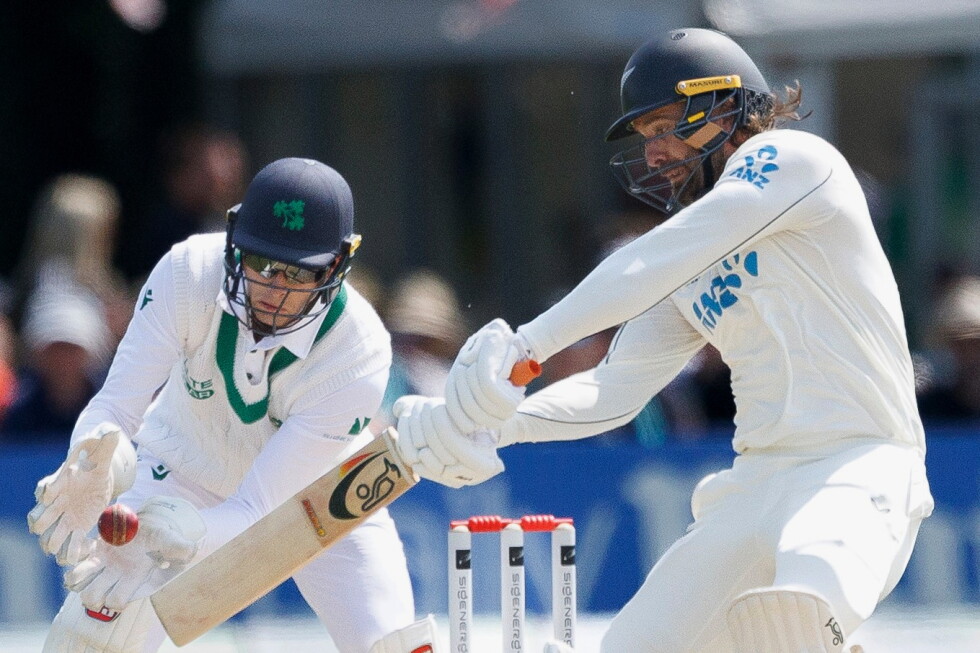
    The first-ever Test match between New Zealand and Ireland at Belfast’s Stormont ground has been dramatically tilted in the Black Caps’ favor, thanks to a career-defining spell from fast bowler Nathan Smith on day two of the one-off contest. Smith’s extraordinary performance, which broke a 19-year New Zealand record, left Ireland facing an uphill battle to avoid defeat as rain threatens the final day of play.

    Resuming their first innings at 361-5 on Thursday, New Zealand built on the strong foundation laid by centuries from Rachin Ravindra and Tom Blundell from day one. Blundell, who had already notched a career-best score overnight, extended his innings to an impressive 186 from 292 deliveries, dotted with 22 boundaries, before falling short when he misjudged a stroke off Reuben Wilson at deep midwicket – falling just one over after being dropped in the same position.

    The Kiwis’ innings closed with a near-milestone for debutant Dean Foxcroft, who looked set to claim the third century of the team’s first innings before he top-edged a sweep off Andy McBrine to short fine leg, ending his knock just two runs short of three figures at 98. With the score at 490-8, New Zealand made the call to declare, setting the stage for their bowling attack to seize control of the match.

    Smith stepped up to deliver one of the most devastating fast-bowling spells in New Zealand Test history. The paceman ripped through Ireland’s top order, claiming five wickets from just 29 deliveries – shattering Shane Bond’s 2005 record of a five-wicket haul taken from 39 balls against Zimbabwe. By the 10th over of Ireland’s first innings, the co-hosts had collapsed to a dire 38-6, with four of their top six batters dismissed for ducks. It was Smith’s fifth Test, and the most impressive performance of his international career to date.

    A defiant 116-run seventh-wicket stand between Mark Adair and Andy McBrine stemmed the tide briefly for Ireland, with McBrine surviving a drop at first slip off Smith’s bowling when he was just 10. But Smith would not be denied, breaking the partnership when a short delivery undid Adair for 40, claiming his sixth wicket of the innings in the process. The remaining Irish wickets fell quickly after the stand broke, leaving McBrine stranded on an unbeaten 73. Smith finished his 14-over spell with staggering figures of 6 wickets for just 40 runs, wrapping up Ireland’s first innings at 179 all out.

    New Zealand promptly enforced the follow-on, a decision widely attributed to forecasts predicting rain on the fourth and final day of the match, which would cut short playing time and threaten a result. Ireland began their second innings far more strongly than their first, but paceman Blair Tickner claimed two key early wickets, edges from captain Andy Balbirnie and Cade Carmichael. By the close of play on day two, Ireland stood at 65 for 2, still 247 runs away from the 312-run target they need to claim a historic win, with Stephen Doheny (36 not out) and nightwatchman Thomas Mayes at the crease.

  • California Attorney General sues 23andMe successor for 2023 data breach

    California Attorney General sues 23andMe successor for 2023 data breach

    California’s top law enforcement official has announced plans to file a lawsuit against DNA testing conglomerate Chrome Holding, capping a months-long investigation into a catastrophic 2023 data leak that originated with Chrome’s predecessor, consumer genetics giant 23andMe. Attorney General Rob Bonta alleged in a Thursday press briefing that 23andMe repeatedly neglected basic cybersecurity obligations to safeguard the highly sensitive personal genetic data of its customers.

    The 2023 credential stuffing attack, which leveraged leaked passwords from previous unrelated data breaches to gain unauthorized access to customer accounts, exposed the private genetic information of nearly 7 million people. The leaked data not only included users’ genetic predispositions to health conditions and disease risk factors, but also detailed records of biological relatives, ancestral origins and self-reported ethnic backgrounds. Bonta’s investigation uncovered two damning failures: first, the company never implemented fundamental security controls to block automated attacks on customer accounts, and second, 23andMe deliberately misled consumers about how severe the breach actually was after it was discovered.

    What makes the incident even more alarming, Bonta emphasized, is that threat actors who stole the data specifically marketed the stolen datasets on the dark web to highlight the profiles of users identifying as Asian American Pacific Islanders (AAPI) and Jewish people. Bonta called this targeting “disturbing and incredibly dangerous,” noting that the leak unfolded amid a nationwide surge in anti-AAPI hate crimes and antisemitic violence across the United States, putting these targeted communities at heightened risk of discrimination and harm.

    This marks the latest regulatory consequence for the former 23andMe, which rebranded as Chrome Holding after filing for Chapter 11 bankruptcy protection in 2024. The 2023 breach first drew international regulatory scrutiny almost immediately, when UK data protection watchdog the Information Commissioner’s Office (ICO) issued a £2.31 million ($2.9 million) fine against the company last year. The ICO found that 23andMe violated UK data protection rules by failing to implement proper authentication and verification protocols for user logins, leaving the personal genetic data of more than 155,000 UK residents exposed to unauthorized access. Under UK law, genetic information is classified as a special category of sensitive personal data, requiring extra layers of security and privacy safeguards that 23andMe failed to put in place. The ICO’s investigation was carried out in coordination with Canadian privacy regulators, highlighting the global scope of the breach’s impact.

    23andMe faced additional public backlash last year after its bankruptcy filing, when hundreds of users reported being unable to delete their accounts and remove their genetic data from the company’s servers as they requested. Many users raised urgent concerns that their sensitive genetic information could be purchased by third parties including insurance providers, who could use the data to deny coverage or raise premiums for customers based on their genetic predispositions.

    Founded by Anne Wojcicki, sister of late YouTube CEO Susan Wojcicki and ex-wife of Google co-founder Sergey Brin, 23andMe rose to mainstream popularity in the 2010s, counting high-profile celebrities including Snoop Dogg, Oprah Winfrey and Eva Longoria among its early customers. At its peak market valuation, the company’s share price climbed above $300 before a steep market downturn in 2024 wiped out most of its value ahead of its bankruptcy filing.

    Chrome Holding has not yet issued a public response to the impending California lawsuit, after the BBC reached out to the company for comment. The company has stated previously that it has made several binding commitments to upgrade security and privacy protections for all customer genetic data held in its systems.

  • US government prepares to print $250 note featuring Trump’s face

    US government prepares to print $250 note featuring Trump’s face

    A controversial plan to introduce a new $250 U.S. commemorative banknote, potentially bearing a portrait of sitting President Donald Trump, is moving forward with preliminary preparations amid fierce political debate, tied to the nation’s 250th founding anniversary this year. Federal law currently prohibits placing the image of a living person on U.S. currency, but Republican allies of the president in Congress have tabled legislation that would carve out a one-time exception for this initiative. Proponents frame the new denomination as a symbolic tribute to the 2026 U.S. semiquincentennial, but critics argue it is the latest in a series of self-aggrandizing moves by Trump and his allies to embed the president’s likeness into core national symbols and institutions.

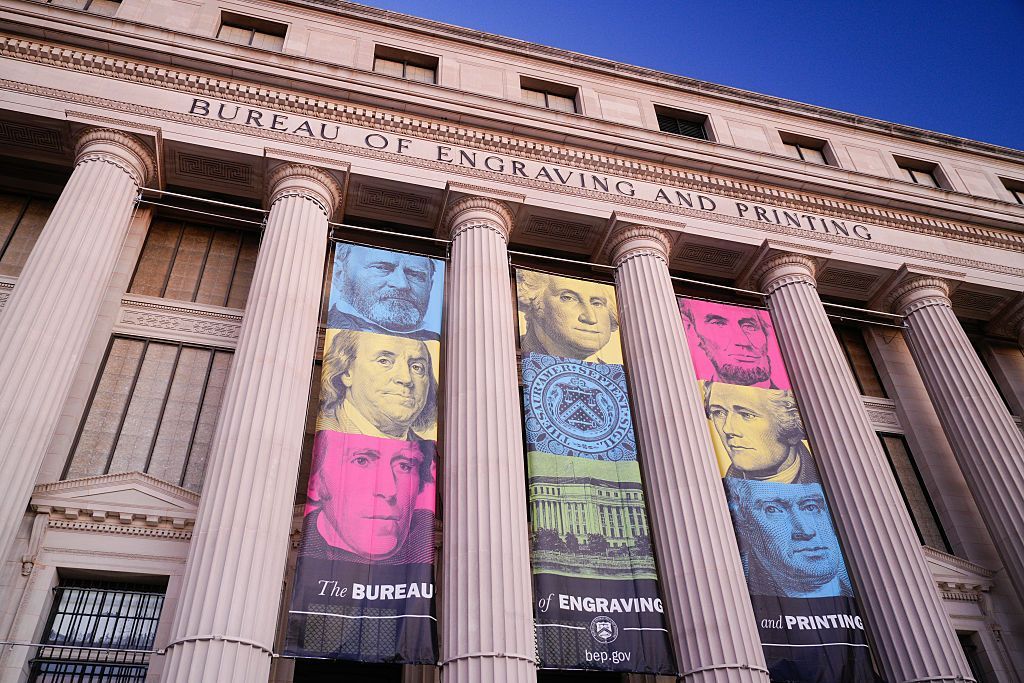
    A spokesperson for the U.S. Treasury Department confirmed to the BBC that the agency has already begun appropriate pre-legislation planning and due diligence in response to the proposed bill. The Washington Post was the first outlet to break news of the Treasury’s advance preparations. The Bureau of Engraving and Printing (BEP), the Treasury sub-agency tasked with designing and producing all U.S. paper currency, has already requested draft designs for the new note, even though no artistic concepts have been released to the public. “Should this legislative mandate be signed into law, the BEP is moving proactively to produce a $250 commemorative note which will appropriately recognize the 250th Anniversary of our great nation,” the Treasury spokesperson said in an official statement.

    This is not the first time Trump’s mark will appear on U.S. currency: the president’s signature is already scheduled to be added to existing U.S. paper notes as part of official semiquincentennial celebration programming. The legislation behind the $250 note was first introduced last year by Republican House Representative Joe Wilson of South Carolina, and it still requires passage by both the full House of Representatives and the Senate before it can be signed into law.

    During a White House briefing this Thursday, Treasury Secretary Scott Bessent sought to distance the department from the political controversy, noting that the final decision rests entirely with Congress. “It’s all in the hands of Congress,” Bessent said, adding that while the Treasury is completing advance preparations in case the legislation is enacted, the agency will strictly follow all existing federal laws. Secretary Bessent also pushed back against criticism, saying there is nothing “untoward” about placing Trump’s image on the commemorative note.

    The proposal also faces a second legal barrier: existing federal statute outlines a fixed list of approved denominations for U.S. banknote production, and $250 is not among the currently allowed denominations. That legal hurdle has amplified criticism from Democratic lawmakers, who argue the initiative prioritizes the president’s ego over pressing public needs.

    “As Americans struggle with the rising cost of gas, groceries, housing, and health care, President Trump’s priorities for taxpayer dollars are completely detached from the challenges families face every day,” said Democratic Senator Mark Warner of Virginia, who serves on the Senate Banking Committee. “If this White House put even half as much energy into working to lower costs as it does into stoking the president’s ego, American families wouldn’t need that new $250 bill just to fill up their gas tanks.”

    Currently, the $100 bill bearing the portrait of founding father Benjamin Franklin remains the highest denomination in regular production. While the U.S. previously issued larger denominations including $500, $1,000, and even $10,000 notes, those were discontinued in 1969. Though they retain legal tender status, they are no longer in general circulation and are almost exclusively held by private currency collectors.

    Developing a new U.S. banknote is a multi-year process that requires coordination across multiple federal agencies, including the Federal Reserve Board and the U.S. Secret Service, with all design details kept strictly confidential to prevent counterfeiting. Per BEP policy, new banknote designs are typically released to the public six to eight months ahead of formal issuance, to allow for global public education and training for cash handlers. “To do so earlier would aid counterfeiters and cause confusion in the marketplace, lowering confidence in U.S. currency,” the BEP notes.

    It remains uncertain whether production can be completed in time for the 250th anniversary of U.S. independence, which falls on July 4, 2026. Since returning to office last year, Trump and his allies have repeatedly moved to attach the president’s name and likeness to public national landmarks and symbols: the Kennedy Center has already been renamed to include Trump’s name, his portrait will be added to new U.S. passports, and the presidential aircraft Air Force One is currently being repainted in a color palette selected by Trump.

  • Weekly quiz: Which tennis star dazzled the French Open with an ‘Eiffel Tower’ dress?

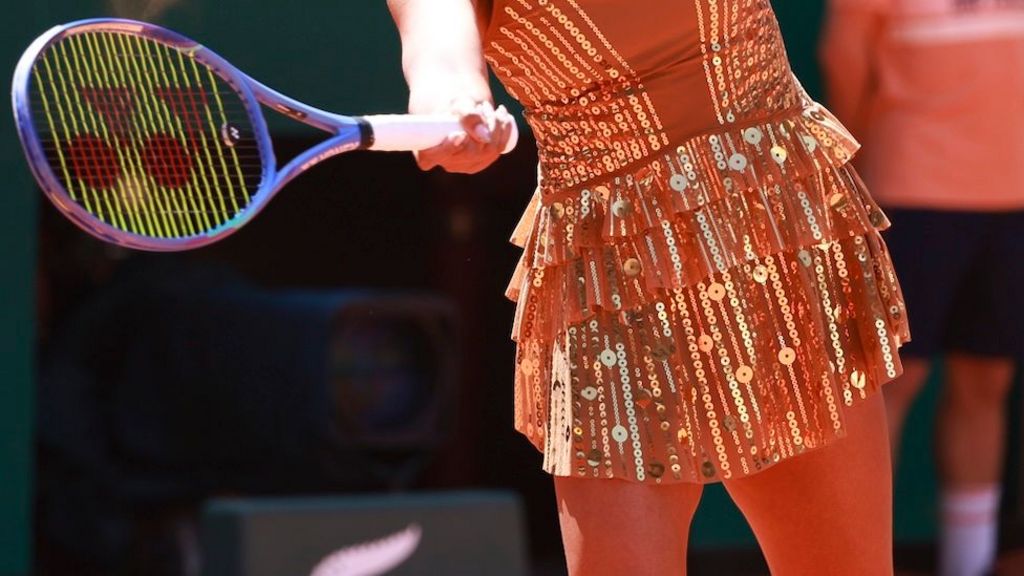
    Weekly quiz: Which tennis star dazzled the French Open with an ‘Eiffel Tower’ dress?

    The past seven days have brought a string of high-profile headlines across vastly different sectors, capturing public attention in fragmented waves. First, new developments in the widely discussed *Married At First Sight UK* controversy have emerged this week, with more behind-the-scenes details of the on-screen scandal coming into public view.

    In a separate, more serious political development, Peter Murrell, the former chief executive of the Scottish National Party (SNP), has pled guilty to embezzling more than £400,000 in funds from the party, a revelation that has sent ripples through Scottish political circles.

    Meanwhile, in Australia, a planned celebratory drone light display over Sydney’s iconic Darling Harbour went dramatically awry when nearly 90 of the participating unmanned aerial vehicles crashed into the water below, disrupting the event and leaving onlookers surprised.

    Against this backdrop of headline-grabbing events, compiled by quiz editor Ben Fell, this weekly current affairs quiz challenges readers to test how closely they have paid attention to all global developments from the past week, not just the top trending stories. For those eager to continue testing their knowledge, opportunities to try the previous week’s quiz or explore past quizzes from the outlet’s archives are also available.

  • Mandelson links to former head of Israel’s military intelligence directorate revealed

    Mandelson links to former head of Israel’s military intelligence directorate revealed

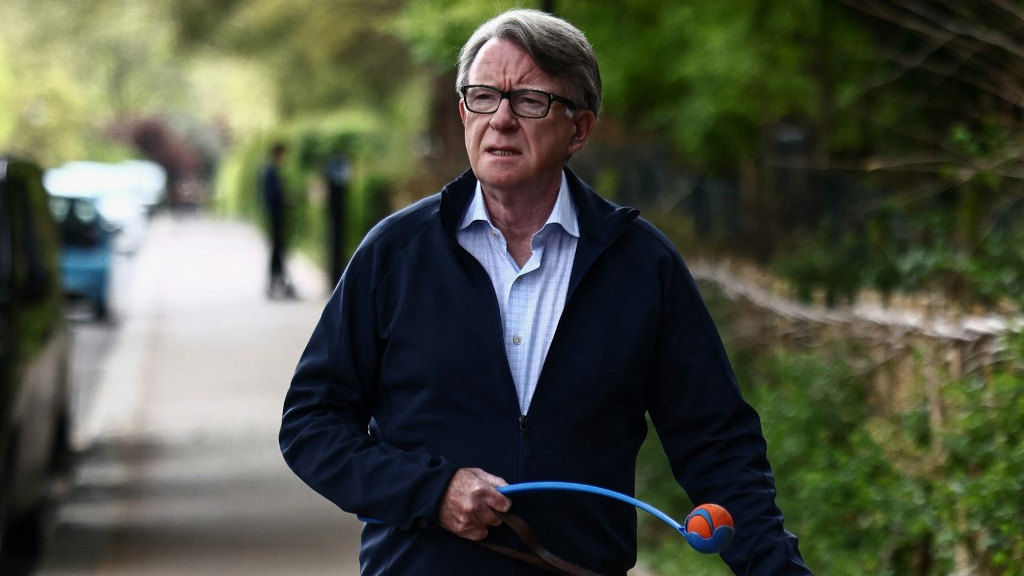
    New details have emerged of the full scope of security concerns that prompted the UK government’s official vetting body to reject security clearance for Peter Mandelson, the disgraced former British cabinet minister who was forced to step down as UK ambassador to the United States just months after taking the post.

    Mandelson’s short tenure in Washington ended in September 2024, when he resigned after public revelations of his long-standing close personal ties to deceased American financier and convicted sex offender Jeffrey Epstein. Earlier this year, he was stripped of his lifetime peerage in the House of Lords over the scandal. The controversy has plagued Prime Minister Keir Starmer’s administration, which has faced relentless public and political scrutiny over its 2024 decision to appoint Mandelson to one of the UK’s most high-profile diplomatic postings, despite pre-existing concerns about his associations.

    It was already confirmed earlier this year that the United Kingdom Security Vetting (UKSV), the national agency responsible for assessing security clearance for senior public roles, had formally concluded Mandelson should be denied clearance. However, the permanent secretary at the UK Foreign Office overruled that finding and approved the clearance anyway, clearing the way for his appointment.

    In its latest reporting published Wednesday, The Guardian has exposed new, specific connections flagged by UKSV that raised red flags for vetters, including ties to senior figures across Israel, China, and Russia that created unacceptable national security risks.

    Among the Israeli connections flagged was a regular contact between Mandelson and Tamir Hayman, a former head of Israeli military intelligence. Hayman led the Israel Defense Forces’ Military Intelligence Directorate from 2018 to 2021, and currently serves as director of the Institute for National Security Studies (INNS), a leading Tel Aviv-based think tank. Hayman has previously publicly acknowledged that during his tenure as intelligence chief, Israeli officials pushed the United States to carry out the 2020 drone assassination of senior Iranian military commander Qassem Soleimani.

    UKSV’s assessment found Mandelson and Hayman communicated once every two months. The INNS pushed back on the characterization of the relationship in a statement to The Guardian, saying Hayman has “no personal connection or familiarity whatsoever” with Mandelson, and noting that Mandelson participated in the think tank’s external advisory framework before his ambassadorial appointment.

    Vetting officials also flagged a separate financial tie: Mandelson took out a £1 million loan from an unnamed business figure to purchase shares in Moon Active, an Israeli gaming firm best known for developing the globally popular mobile game Coin Master. Additional links to Israeli figures, connected through Mandelson’s relationship with Epstein, have also previously come to light. Reporting from Middle East Eye in February 2025 revealed that in 2013, Epstein asked former Israeli Prime Minister Ehud Barak to assign Mandelson to lead the sale of Paz Oil Company, Israel’s largest fuel provider. That same year, Mandelson also reached out to Epstein to request that Epstein consult Barak for input on Israeli political consultant Asaf Eisin.

    Beyond Israeli connections, UKSV’s report also highlighted problematic associations with senior figures from both China and Russia that created security concerns. One Chinese figure flagged was Lan Fo’an, China’s current Minister of Finance, who reportedly held several meetings with Mandelson each year. Lan has also met separately with Prime Minister Keir Starmer and UK Chancellor of the Exchequer Rachel Reeves over the past two years, a fact that has prompted new questions about whether Mandelson, while serving as ambassador, played any unreported role in arranging or facilitating those meetings.

    On the Russian side, UKSV reiterated long-documented concerns over Mandelson’s long-standing close friendship with sanctioned Russian billionaire Oleg Deripaska. Earlier this year, it was revealed that as far back as 2010, Mandelson asked Deripaska to help Epstein secure a Russian visa to visit Moscow, a connection that raised further red flags for vetters.

    The new revelations come as Starmer’s government faces growing parliamentary pressure to release all official documents related to Mandelson’s appointment. Earlier this month, Parliament’s Intelligence and Security Committee accused the government of intentionally withholding key relevant records, despite a formal parliamentary motion ordering the full release of the files. A new batch of documents related to the Mandelson appointment is scheduled to be declassified and released next month.

    In a statement issued Thursday, a government spokesperson reiterated that the administration is “committed to complying” with the parliamentary motion “in full.”

  • Hamas warns Gaza ceasefire risks collapse after string of Israeli assassinations

    Hamas warns Gaza ceasefire risks collapse after string of Israeli assassinations

    Tensions in the Gaza Strip have spiked sharply this week, as Hamas issued an urgent warning Thursday that the already fragile ceasefire brokered between the group and Israel faces imminent collapse following a dramatic escalation of Israeli air strikes across the enclave over the past month.

    The Palestinian militant group confirmed that a new wave of intensive bombardment targeting residential neighborhoods has claimed the lives of at least 20 civilians over just 48 hours, with casualties including women and children. The latest surge in violence came amid the Muslim religious holiday of Eid al-Adha, a period traditionally marked by community gatherings and celebration across the region.

    The deadliest single incident this week unfolded Wednesday night, when an Israeli warplane struck a multi-story residential building in central Gaza City. Local Palestinian media outlets reported the strike left at least 10 people dead, among them two minors and two adult women. Israeli state media confirmed the attack was intended to assassinate two senior Hamas commanders: Ezz al-Din Beik, head of Hamas’ northern Gaza brigade, and Imad Aslim, deputy commander of the group’s Gaza City brigade. As of Thursday evening, neither Hamas leadership nor independent Palestinian sources had verified that either of the two named targets were killed or present at the site of the strike.

    This deadly raid followed a targeted assassination just one day earlier, on the eve of Eid al-Adha, when Israeli forces bombed another private residence in Gaza City that killed Mohammed Odah, the newly appointed leader of Hamas’ armed wing, alongside five civilian bystanders. Hamas officially confirmed Odah’s death earlier this week, noting he had only stepped into the top role less than a fortnight prior, after his predecessor Izz ad-Din al-Haddad was killed in a similar Israeli air strike two weeks earlier.

    In its official statement released Thursday, Hamas called on the United States and other international powers that acted as guarantors for the original ceasefire agreement to uphold their commitments. “The US administration and the countries guaranteeing the agreement must assume their responsibilities by taking a clear stance condemning the occupation’s violations,” the statement read. Hamas emphasized that urgent intervention was required to force Israeli authorities to abide by the terms of the truce, warning that “the deal is at risk of collapse due to its ongoing crimes and repeated breaches.”

    Official data from Gaza’s Palestinian Ministry of Health underscores the scale of ongoing bloodshed since the October 2024 ceasefire brokered by the U.S. To date, Israeli operations have killed at least 906 Palestinians in Gaza and injured more than 2,700 others since the ceasefire took effect. Since the start of the latest conflict in October 2023, total Palestinian fatalities from Israeli attacks have surpassed 72,800, with thousands more still missing and presumed dead beneath the rubble of destroyed buildings across the enclave. Gaza’s Government Media Office reported earlier this week that Israeli forces have already carried out more than 3,000 separate violations of the ceasefire agreement. Beyond the near-daily air strikes and fatal incursions that have intensified in recent days, these violations include persistent blockades on humanitarian aid entering the Strip, restrictions on medical patients traveling abroad for life-saving treatment, and incremental territorial expansions of Israeli occupation across Gaza.
    Israeli public broadcaster Kan reported Wednesday that the latest wave of targeted assassinations against senior Hamas leaders was explicitly approved by the so-called “Board of Peace,” a body created with U.S. backing. An anonymous source from the board stated, “We consider the elimination of senior figures in the terrorist organisation’s military wing to be part of the process of disarming Hamas.” Kan also added that board representatives have requested permission from the Israel Defense Forces to deploy personnel into the Gaza Strip, a move that could be authorized within the coming days.

  • Former Yemen President Abd Rabbuh Mansour Hadi dies in Saudi Arabia aged 80

    Former Yemen President Abd Rabbuh Mansour Hadi dies in Saudi Arabia aged 80

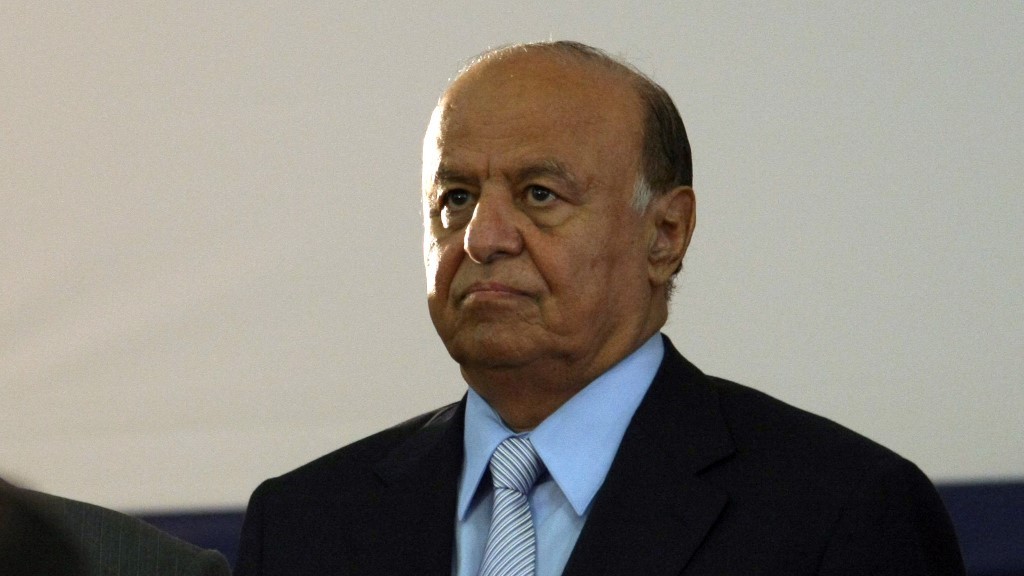
    Veteran Yemeni political figure Abd Rabbuh Mansour Hadi, who led the country through years of devastating civil conflict as its former president, has passed away at the age of 80 in Riyadh, the capital of his host nation Saudi Arabia. Yemeni presidential sources confirmed to Agence France-Presse that Hadi’s death followed an unexpected acute health incident.

    Hadi had lived in Saudi Arabia since 2015, when he was forced to flee Yemen after Houthi fighters seized control of large swathes of territory, including the capital Sanaa, and advanced on his government’s stronghold. The long-running Yemeni conflict pits the Saudi-backed Hadi-era government against the Iran-aligned Houthi movement, which has controlled northern Yemen’s most populous regions since 2014. Hadi formally resigned from the presidency in 2022, transferring executive authority to a newly formed Presidential Leadership Council tasked with overseeing peace negotiations and wartime governance. Multiple regional reports indicate that after stepping down, Hadi remained confined to his Riyadh residence in what amounted to de facto house arrest for the final two years of his life.

    Born in 1944 in Abyan Governorate, in what was then the British-protected South Yemen, Hadi built a decades-long career spanning military and political office across both of Yemen’s pre-unification states. He held senior posts in the Marxist-Leninist People’s Democratic Republic of Yemen (South Yemen) and the northern Yemen Arab Republic before the two states unified in 1990. Following the 1994 Yemeni civil war, Hadi was appointed vice president, serving under longtime leader Ali Abdullah Saleh for 18 years. He assumed the presidency in 2012, after mass Arab Spring uprisings forced Saleh to step down after 33 years in power.

    Escalating political tensions between Hadi’s administration and the Ansar Allah movement, more widely known as the Houthis, ultimately boiled over into full-scale conflict in 2014. The Houthis quickly captured Sanaa, prompting Hadi’s escape into exile and leading to a Saudi-led military intervention that began in March 2015. By the time Hadi left office in 2022, the nearly eight-year conflict he oversaw had killed more than 370,000 people, according to United Nations estimates, and pushed Yemen into what the UN describes as the world’s worst humanitarian crisis.

    Regional media reports confirm Hadi will be laid to rest in Riyadh on Friday. Former Yemeni Foreign Minister Abdulmalik al-Mekhlafi, who served in Hadi’s cabinet, publicly offered his condolences on the social media platform X, arguing that the former president had been treated unfairly throughout his public life. “I believe that the man was not given his due justice as he deserved, neither during his period of rule nor even before it, as an image was formed around him in the media that was often far from his true reality,” al-Mekhlafi wrote, extending prayers to Hadi’s family and the Yemeni people.

    As of Thursday, the Houthi movement has not released an official statement on Hadi’s death. However, one senior Houthi spokesperson has publicly noted that Hadi’s death occurred in what he described as “mysterious circumstances,” leaving lingering questions about the circumstances of his passing among political observers.