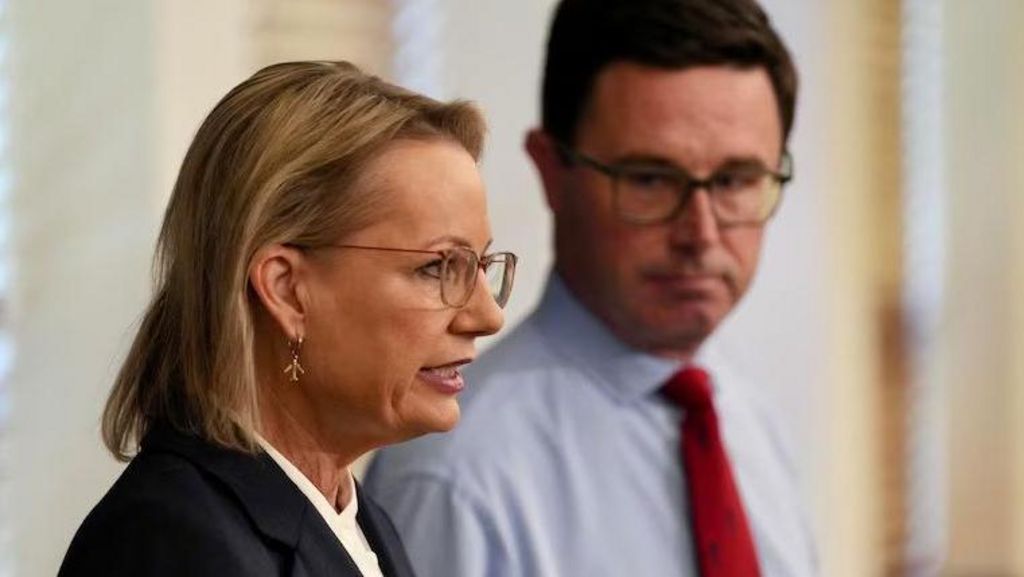
Australia’s political landscape has been reshaped as the National Party announced its formal separation from the Liberal Party, fracturing the nation’s primary opposition coalition. The rupture follows intense disagreements regarding recently enacted hate speech legislation, throwing Liberal leader Sussan Ley’s leadership into uncertainty.
The schism emerged from fundamentally different approaches to the government’s proposed hate speech reforms, introduced in response to last month’s deadly terrorist attack at Bondi Beach that claimed 15 lives during a Jewish festival. While both coalition partners had opposed parallel gun control measures, the Liberals ultimately supported the hate speech legislation in Parliament, creating an irreconcilable division with their National counterparts.
Nationals leader David Littleproud declared the coalition ‘untenable’ during a press conference held on a national day of mourning for the attack victims. ‘Our party room has made it clear that we cannot be part of a shadow ministry under Sussan Ley,’ Littleproud stated, though he left open the possibility of future reconciliation, suggesting that ‘some time apart’ might benefit both conservative parties.
The breakdown accelerated when three Nationals frontbenchers submitted their resignations after their party abstained from voting on the hate speech bill in the lower house and opposed it in the senate, contravening a shadow cabinet agreement. Ley accepted the resignations despite warnings from Littleproud that this would trigger mass departures from the Nationals shadow ministry.
This marks the second dissolution of the coalition within a year, following a brief separation last May over climate and energy policies that was resolved within weeks. The current dispute centers on concerns that the hastily drafted legislation threatens free speech protections while banning groups deemed to spread hate and increasing penalties for religious leaders advocating violence.
Political analysts suggest the rupture compounds challenges for Ley, who has struggled to consolidate authority since becoming the Liberal Party’s first female leader following last year’s electoral defeat. The timing of the split, occurring during a national day of mourning, drew criticism from some quarters, though Nationals senator Bridget McKenzie defended her party’s decision despite acknowledging the ‘appalling’ timing.
The coalition, dating back to the 1940s, now faces existential questions about its future viability as Australia’s dominant conservative force, with former Prime Minister Malcolm Turnbull describing the situation as ‘smouldering wreckage’ while John Howard offered support for Ley’s handling of the crisis.