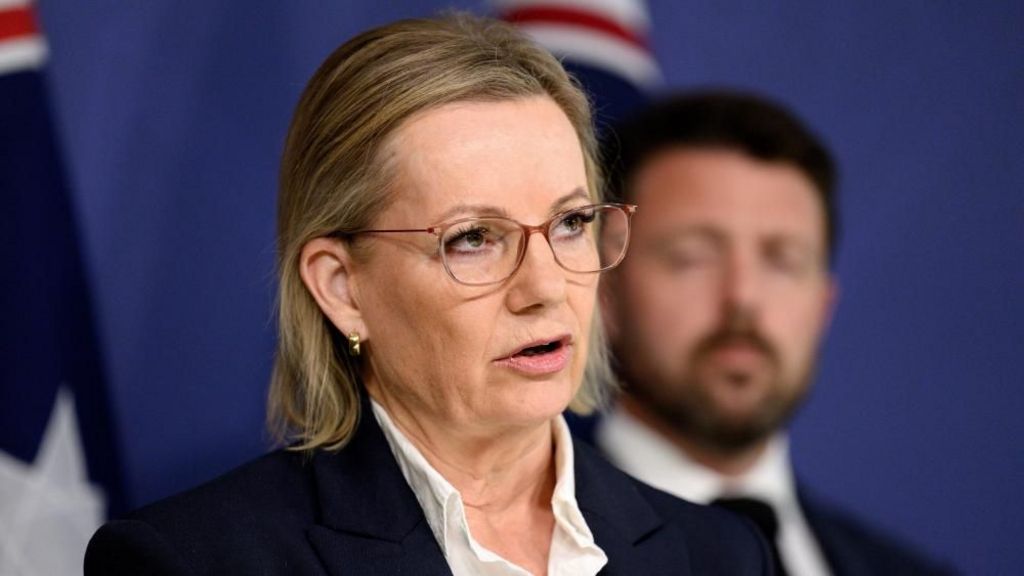
Australia’s center-right political alliance has formally reconciled following a contentious three-week separation triggered by disagreements over proposed hate speech legislation. The Liberal-National Coalition, the nation’s primary opposition force, announced its reunification on Sunday with joint appearances by Liberal Leader Sussan Ley and Nationals Leader David Littleproud in the capital Canberra.
The political fracture originated on January 22nd when the National Party, expressing constitutional concerns regarding free speech protections, declined to support government-proposed reforms. These legislative measures were introduced following December’s tragic Bondi Beach attack where two assailants targeted a Jewish festival, resulting in 15 fatalities.
Ley characterized the reunion as forward-looking, stating: “The Coalition is back together and looking to the future, not to the past.” Littleproud acknowledged the substantive nature of the disagreement, noting: “It’s been disappointing, we’ve got to where we are but it was over a substantive issue.”
This marks the coalition’s second separation within twelve months, following a May 2023 split primarily concerning climate and energy policy that was resolved within seven days. The current reconciliation includes a strengthened governance agreement establishing that neither party can unilaterally overturn decisions made by the coalition’s joint shadow cabinet.
The controversial legislation at the heart of the dispute contains provisions authorizing the banning of organizations deemed to propagate hate speech and implementing enhanced penalties for religious leaders advocating violence. While Liberal parliamentarians ultimately supported the government’s position, National Party members abstained from voting in the lower house and opposed the measure in the senate, arguing the proposals were hastily constructed and threatened fundamental free speech rights.
Dating to the 1940s, the coalition had maintained uninterrupted partnership since 1987 until last year’s ruptures. The alliance now confronts mounting pressure from populist movements including Senator Pauline Hanson’s anti-immigration One Nation party, which has gained significant polling traction while the Liberals suffered substantial seat losses in the most recent federal election.