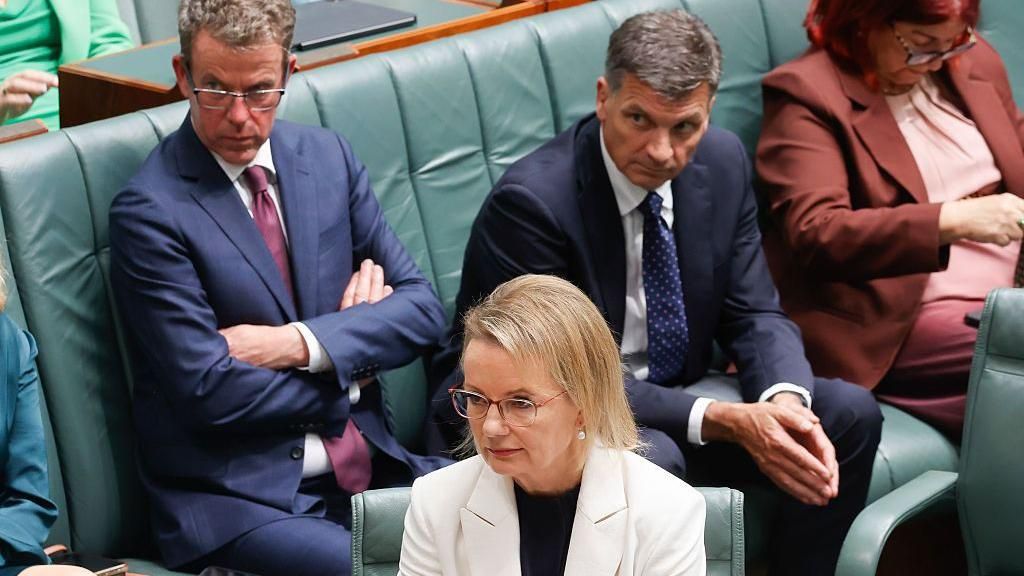
In a significant political upheaval, Angus Taylor has successfully deposed Sussan Ley as leader of Australia’s Liberal Party, marking the end of her brief nine-month tenure. The leadership ballot concluded with a decisive 34-17 victory for Taylor, representing the party’s conservative faction and former shadow defense minister under Ley’s administration.
This transition follows months of internal strife within the Liberal-National Coalition and consistently disappointing poll performances. Ley, who ascended to leadership after the coalition’s devastating electoral defeat in 2025, faced persistent challenges in maintaining party unity. The historic partnership between Liberals and Nationals fractured twice during her leadership—first immediately following the May election and again recently.
Taylor, who narrowly lost to Ley in the previous leadership contest, brings a background as a former management consultant and parliamentary experience dating to 2013. He has served ministerial roles under former Prime Ministers Malcolm Turnbull and Scott Morrison. In a social media statement, Taylor characterized his election as “an immense honor” and expressed enthusiasm about collaborating with newly appointed deputy leader Jane Hume.
Ley announced her immediate resignation from parliament and complete withdrawal from public life following the results. While expressing “no hard feelings” toward her successor, she delivered a pointed remark about the challenges of leadership, emphasizing the importance of “clear air, something that is not always afforded to leaders.”
The Liberal-National Coalition has struggled to formulate a coherent response to their electoral collapse against Labor, particularly regarding energy and climate policy disagreements. Recent polling indicates concerning trends, with the populist One Nation Party—which secured merely 6% of the national vote last year—now surpassing the coalition to claim second place behind Labor.
Reflecting on her tumultuous leadership experience, Ley described moments as “very tough” but drew parallels to her involvement in Canberra’s early punk rock movement, noting she would continue to find wisdom in “a fearless and honest belief in yourself.”