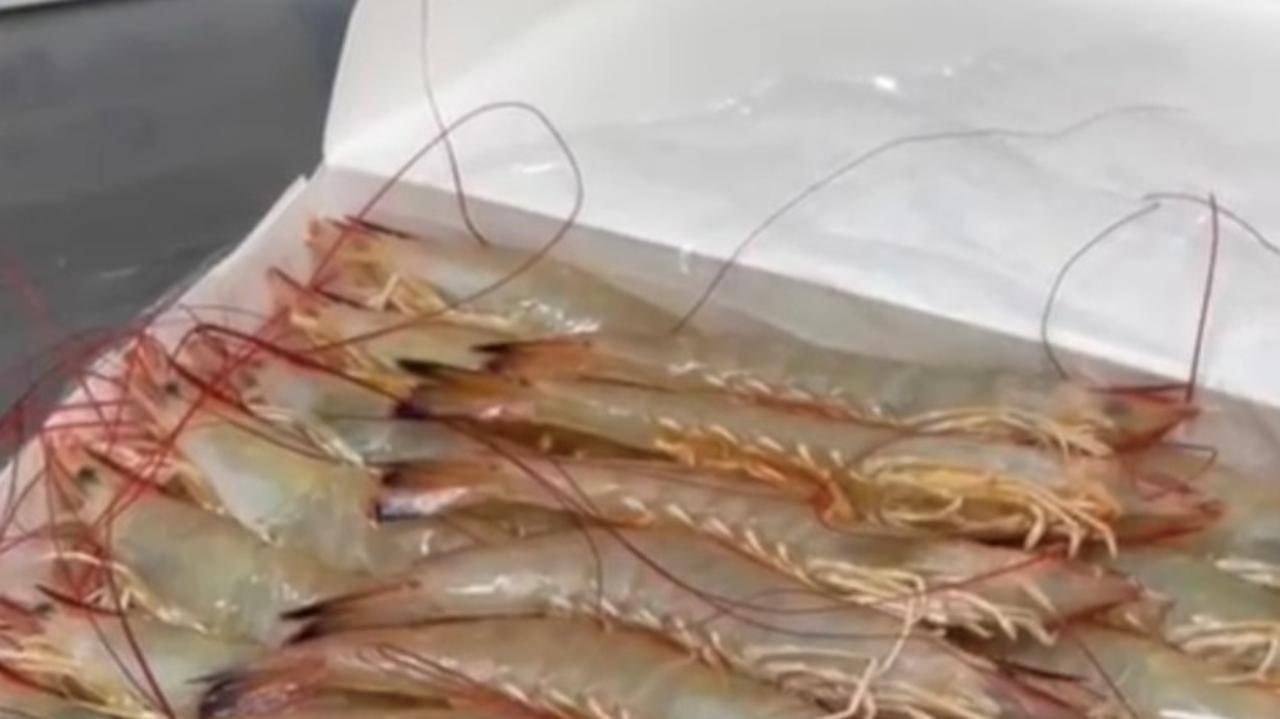
After decades of growth from a small family fish and chip shop to a national seafood industry leader, Australia’s largest wild-caught prawn producer Raptis and Sons Group has collapsed, sending ripples of economic uncertainty through coastal communities across the country and leaving 200 workers unemployed.
Founded in the 1950s by Greek first-generation migrants Anna and Arthur Raptis Snr in Adelaide, the company built a sprawling fishing empire over three generations. It operated wild prawn harvests across four jurisdictions—South Australia, Western Australia, the Northern Territory and Queensland—and fin fish fisheries in waters off the NT, Queensland and New South Wales. Beyond fishing, the group owned popular seafood brands Agrios, Seaport and Ocean Pearl, ran a processing and packing facility in Brisbane, and distributed its own and third-party seafood to major national wholesale markets including the Sydney Fish Markets, as well as international buyers. Its 19-vessel fleet includes 15 boats based out of the tiny Gulf of Carpentaria town of Karumba, which has a total population of just 500 and relies heavily on Raptis’ operations to sustain its local economy.
Appointed as administrators in March, insolvency practitioners have confirmed that all efforts to secure a buyer for the struggling business have failed. The company first launched a sale process in late 2024, drawing initial interest from multiple prospective investors, but no deal was finalized to save the business. Earlier hopes that a new buyer could inject emergency funding to allow the fleet to participate in the 2025 banana prawn season, which runs from April 1 to mid-June, have also been dashed, after negotiations for interim financing collapsed without agreement.
Financial documents filed by administrator Ben Campbell reveal the full scale of the company’s liabilities. While Raptis holds more than $26 million in equity, it owes $35.2 million to the National Australia Bank. In total, 296 separate parties—including employees, local businesses and government agencies—are owed a collective $31.6 million. Company directors Jim Raptis and Christine Raptis are among the creditors owed $2.7 million in total. At the time of administration, the company employed 196 people: 123 full-time staff, four part-time workers and 69 casual employees, all of whom now face unemployment.
Industry insiders and administrators point to a perfect storm of market and operational challenges that drove the business to collapse. The core triggers cited are a severe oversupply of banana prawns during the 2022/2023 season, followed by two consecutive years of lower-than-expected catch volumes, and rapidly rising operating costs that squeezed profit margins to unsustainable levels. Most notably, a national diesel shortage that followed the global energy price shock drastically increased fuel costs for the company’s fleet, adding further financial pressure.
Veteran federal MP Bob Katter, whose electorate covers Karumba, has blamed Queensland state government policies restricting fishing licenses and the national fuel crisis for delivering the fatal blow to the historic business. He warns that the collapse is part of a broader, decades-long decline of Australia’s domestic fishing industry, driven by restrictive regulation that has already shrunk the Karumba fleet by two-thirds during his political career.
Katter argued that environmental policies supported by green activists have gutted local fishing activity, pointing out that Australia now imports 40 percent of its seafood, a share that is projected to grow as more domestic operations close. “The fuel crisis hitting the once great fishing industry of North Queensland – soon there won’t be any left,” Katter told NewsWire. “The fuel crisis is going to kill what’s left of the fishing industry that’s been killed off by the greenies. I have said continuously we will go without fuel, and now what I am telling my fellow Australians is, ‘you will go without food’.”
For small regional centers like Karumba, the collapse of the town’s largest employer leaves an uncertain future, with local businesses that rely on the fishing fleet now bracing for secondary economic shocks as jobs and economic activity disappear from the community.