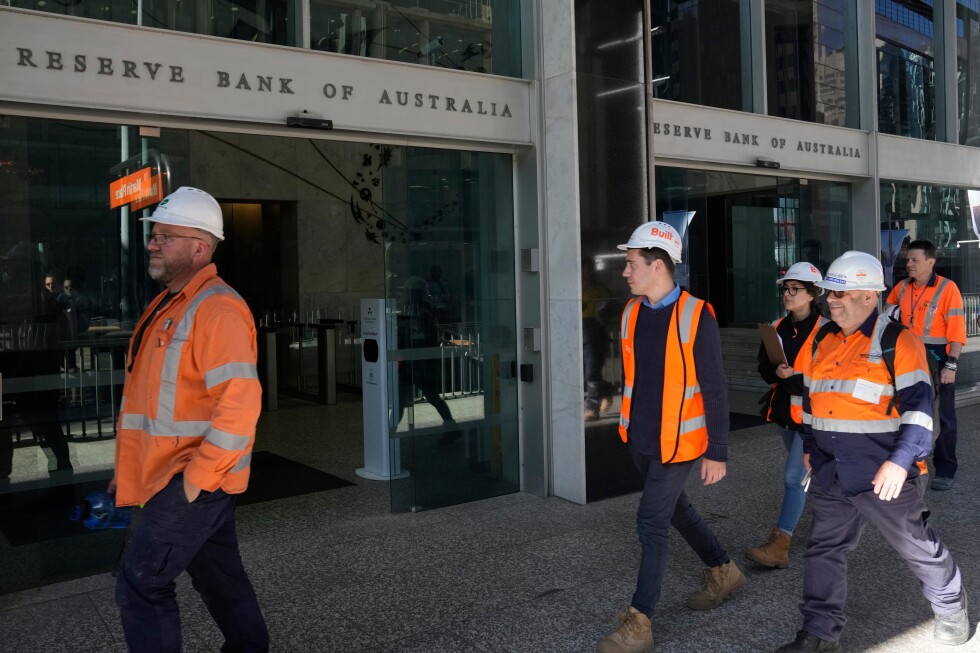
In a significant monetary policy reversal, the Reserve Bank of Australia (RBA) has increased its benchmark interest rate by 25 basis points to 3.85% during its latest meeting. This decision marks a dramatic shift from the bank’s previous easing cycle, which saw three consecutive rate reductions throughout the previous year.
The unexpected policy tightening comes as Australia confronts a concerning resurgence in inflationary pressures. Recent government statistics revealed consumer prices accelerated to 3.8% annually through December, substantially exceeding both market expectations and the RBA’s target range of 2-3%. This represents a notable increase from the 3.4% reading recorded in November.
In its official statement, the central bank acknowledged that while inflation has moderated significantly from its peak of 7.8% in late 2022, it has ‘picked up materially in the second half of 2025.’ The board expressed concern that ‘inflation is likely to remain above target for some time,’ necessitating proactive monetary intervention.
The rate adjustment represents the first increase since November 2023, when the cash rate moved from 4.10% to 4.35%. This reversal has drawn attention from economists, particularly given the bank’s three 25-basis-point reductions implemented in February, May, and August of last year.
EY Oceania Chief Economist Cherelle Murphy characterized the rapid policy reversal as unusual, noting the rarity of implementing a rate hike merely six months after cutting. Murphy suggested the previous reductions might have been unnecessary in retrospect, though she acknowledged the decision appeared justified given the favorable inflation data available at the time.
Adding complexity to the economic landscape, Australia’s unemployment rate has unexpectedly declined from 4.3% in November to 4.1% in December, indicating potential overheating in the labor market. Murphy warned that ‘the economy is running a little bit too hot’ and wouldn’t rule out additional rate increases later this year.
Treasurer Jim Chalmers described the development as ‘difficult news’ for mortgage holders and businesses, while simultaneously defending government fiscal policy. Chalmers emphasized that the RBA’s statement attributed inflationary pressures primarily to growth in private demand driven by household spending and investment rather than public expenditure.