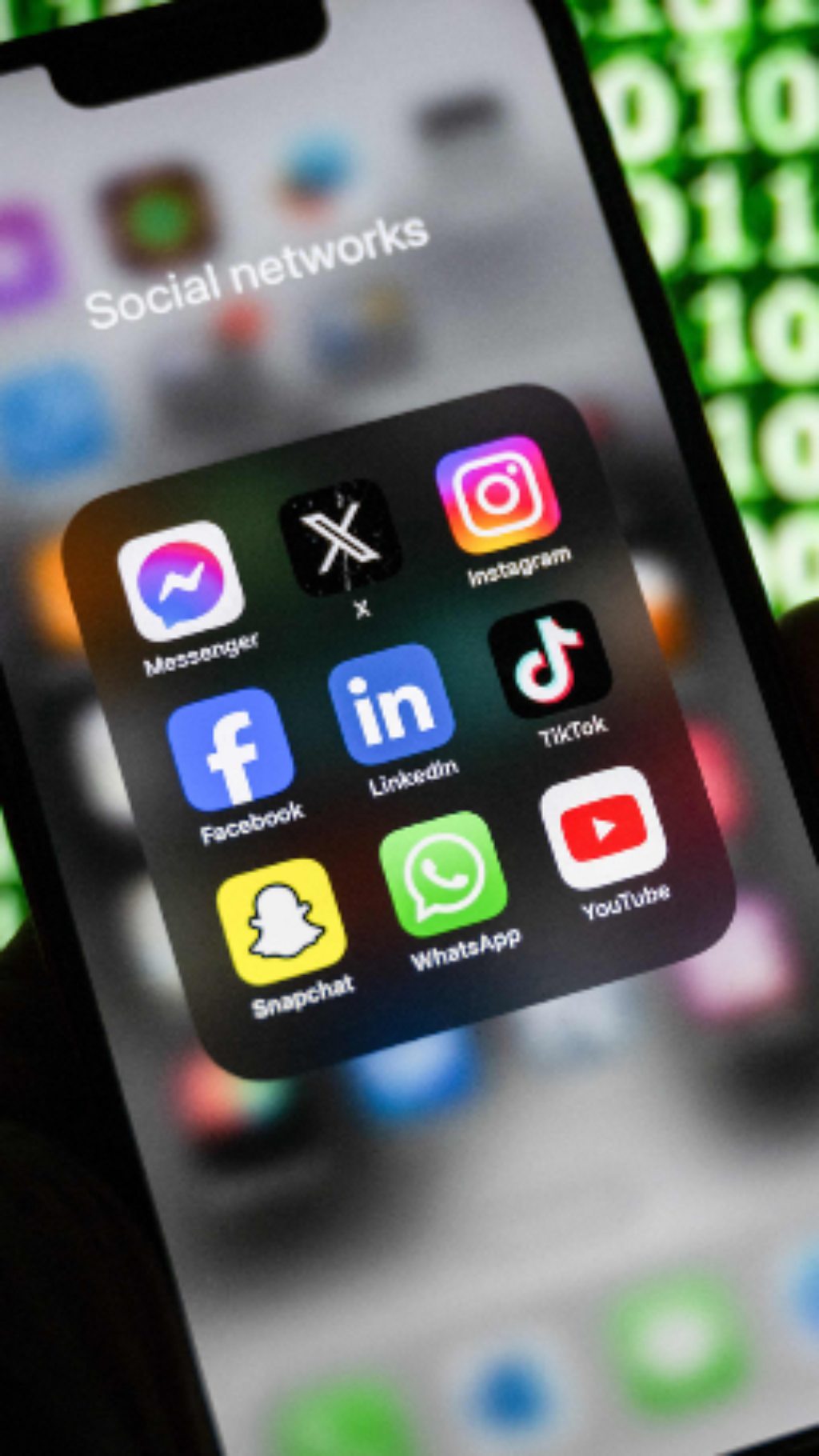
Australia is set to introduce landmark draft legislation this week that would grant social media users across the country unprecedented control over their online content feeds, with a new right to turn off algorithmic recommendation systems that curate what users see on their platforms.
The proposed regulatory change marks one of the most significant global moves to date to address growing concerns over the power of automated content systems that shape user experience, drive engagement, and influence online behavior. For years, researchers and policymakers have raised alarms about the unintended consequences of algorithmic curation, from amplifying harmful misinformation and polarizing content to worsening mental health outcomes, particularly for young users.
Under the terms of the draft law, all major social media platforms operating in Australia will be required to implement a clear, easy-to-access toggle that allows any user to opt out of algorithmic personalization. Users who choose to disable the systems will instead be able to view content in chronological order, based on the accounts they follow directly, rather than having content prioritized by platform algorithms designed to maximize time spent on the app.
Regulators behind the proposal argue that giving users this choice is a critical step toward rebalancing power between big tech platforms and the people who use their services. Unlike many existing regulatory efforts that focus on banning harmful content, this legislation shifts the focus to user autonomy, letting individuals make their own decisions about how they interact with social media.
The draft legislation is expected to be open for public consultation after it is tabled this week, giving stakeholders including tech companies, digital rights groups, mental health organizations, and the general public an opportunity to provide feedback before any final changes are made to the bill. If passed, Australia would become one of the first countries in the world to enshrine a user right to opt out of social media algorithms into national law, setting a potential precedent for other nations considering similar regulations to rein in big tech’s influence over online life.