Financial markets are bracing for significant volatility as Australian shares face substantial downward pressure at Monday’s opening bell. The primary catalyst stems from contradictory statements issued by former US President Donald Trump regarding the Middle East conflict, creating widespread investor uncertainty and rattling global market confidence.
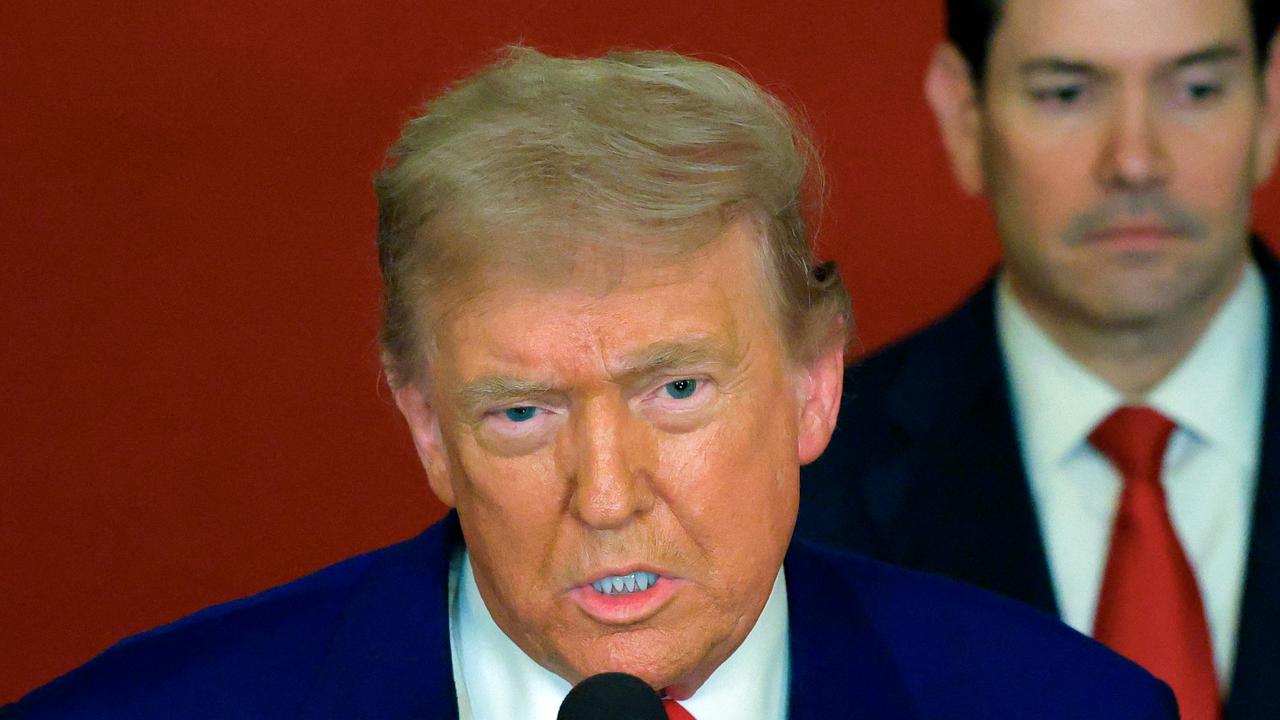
The market turbulence originated when Trump initially announced via Truth Social that tensions between US/Israeli forces and Iran were de-escalating. However, within hours, the former president issued a stark ultimatum demanding Iran fully open the Strait of Hormuz without conditions within 48 hours, threatening to ‘obliterate’ Iranian power plants if demands weren’t met.
This geopolitical instability has directly impacted financial projections, with futures for Australia’s benchmark S&P/ASX 200 Index indicating a 156-point decline (1.8%) to 8,343 points. This follows a challenging period for Australian markets, with the ASX200 having already declined 2.2% last week and 7.2% over the past month.
The Reserve Bank of Australia faces additional complications as Governor Michele Bullock confirmed the institution hasn’t yet completed modeling on the Iran conflict’s economic implications. According to Westpac chief economist Luci Ellis, this missing analysis could significantly alter the RBA’s assessment of how prolonged energy price increases and supply chain disruptions might affect inflation.
Since hostilities began on February 28, more than $280 billion has been wiped from Australian markets amid rising oil prices. The strategically vital Strait of Hormuz transports approximately 20% of global oil and gas, and its potential closure has already driven prices from $56 per barrel in January to over $100 currently.
AMP chief economist Shane Oliver notes that despite an 80% oil price increase since January, market reactions remain relatively moderate compared to historical oil shocks. However, he anticipates additional monetary policy tightening, forecasting another RBA rate hike in May as inflation concerns outweigh growth considerations.