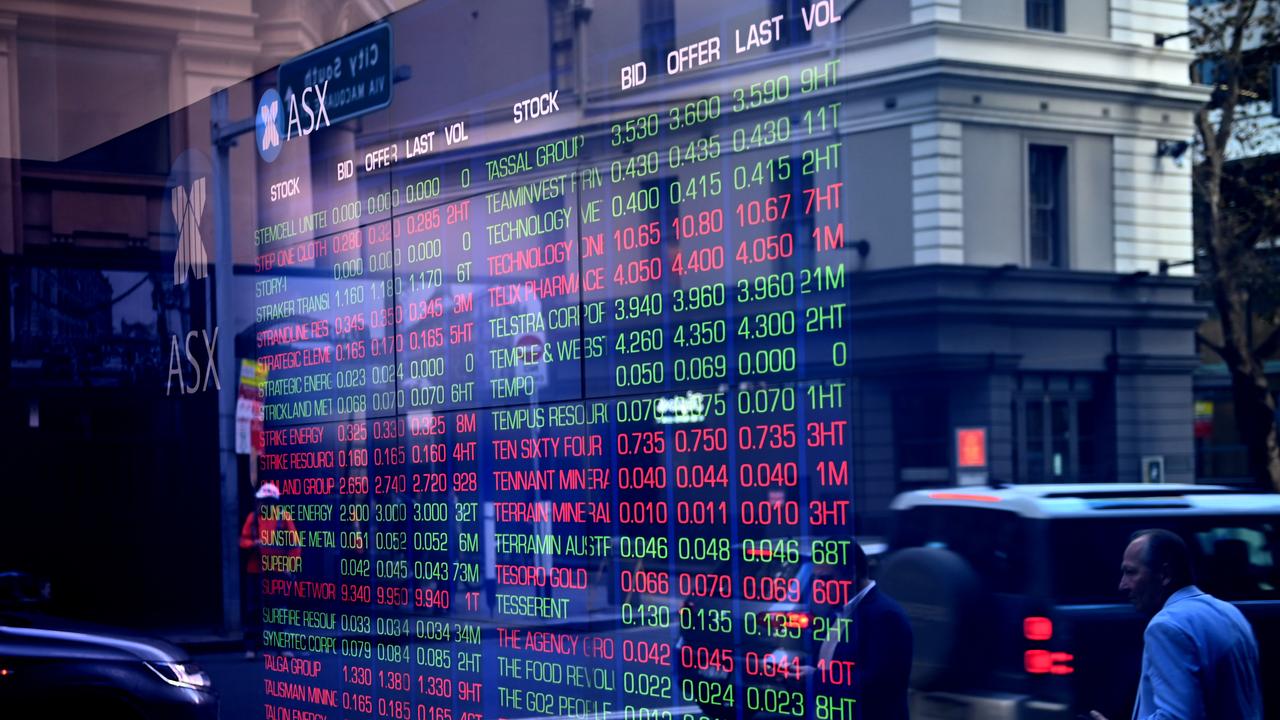
Australia’s financial markets experienced a significant downturn on Thursday, with the benchmark ASX 200 plummeting 142.80 points (1.65%) to close at 8497.80, marking its lowest level in ten days. The broader All Ordinaries index similarly collapsed by 157 points (1.77%) to settle at 8690.70. This dramatic sell-off erased approximately $50 billion from market valuations, bringing the total decline to over $250 billion since escalating tensions emerged between the US/Israel and Iran.
The market deterioration was primarily driven by two key factors: surging oil prices due to Middle East geopolitical conflicts and unexpectedly strong domestic employment data. The price of crude oil surged beyond $US110 per barrel following tit-for-tat strikes targeting critical Gulf infrastructure, including an Israeli air strike on Iran’s South Pars gas field and Iran’s retaliatory action against Qatar’s Ras Laffan LNG plant.
Market sectors displayed pronounced divergence, with eight of the eleven major sectors finishing in negative territory. Mining stocks bore the brunt of the losses, collectively slumping 4.83% as higher fuel costs threatened operational margins. Industry giants BHP declined 3.47% to $48.35, Rio Tinto dropped 3.22% to $151.35, and Fortescue Metals fell 3.35% to $19.04.
Technology shares also suffered substantial losses, declining 2.97% overall. WiseTech shares plunged 7.02% to $41.47, Xero dropped 3.04% to $76.98, and NextDC gave back 2.41% to $13.38.
In contrast, energy stocks emerged as the standout performers, surging 5.08% as a sector amid rising fuel prices. Woodside Energy rallied 7.19% to $33.708, Santos jumped 3.22% to $8.02, and Ampol climbed 4.60% to $32.97. Viva Energy led all gainers with a remarkable 15.15% surge to $2.43.
Mixed employment data further complicated market sentiment. Australia’s unemployment rate rose to 4.3% in February from 4.1% the previous month, though this was largely attributed to an increased participation rate with 48,000 Australians finding work, predominantly in part-time roles.
According to IG market analyst Tony Sycamore, ‘The eerie calm that held over the ASX200 earlier this week has been shattered today, with the index plunging to a ten-day low, with no bounce to be seen. The damaging sell-off was primarily driven by heavy falls on Wall Street, which came on the heels of a significant escalation in the Middle East conflict.’
EY senior economist Paula Gadsby noted that the relatively tight labor market conditions might provide the Reserve Bank with justification for potential rate hikes in May, stating that ‘Robust labour market conditions and low unemployment give the Reserve Bank room to battle inflation, but it will be a fine line to walk in preserving gains in the labour market.’
The Australian dollar appreciated marginally by 0.11% against the US dollar to trade at 70.35 US cents.