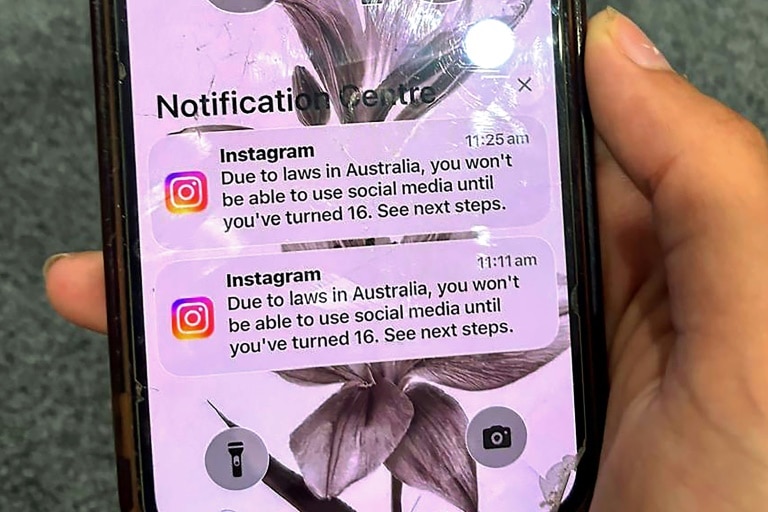
Australia’s digital regulatory authority has initiated formal investigations into multiple technology behemoths—including Facebook, Instagram, Snapchat, TikTok, and YouTube—for potential violations of the nation’s pioneering social media prohibition for users under 16. eSafety Commissioner Julie Inman Grant announced Tuesday that these platforms face allegations of implementing insufficient protective measures to prevent underage account registrations.
The groundbreaking legislation, enacted in December, represents the world’s most comprehensive youth protection initiative against what authorities term ‘predatory algorithms’ and systematic online harassment. Commissioner Inman Grant revealed that compliance monitoring uncovered significant gaps in enforcement mechanisms, prompting escalated enforcement actions. ‘While social media platforms have taken some preliminary steps, our assessment indicates potential non-compliance with Australian safety regulations,’ she stated.
Drawing parallels to historical resistance from ‘Big Tobacco’ interests, Inman Grant emphasized that these reforms fundamentally challenge two decades of established social media operational practices. ‘These platforms possess the technical capability to comply immediately—we expect all companies operating in Australia to adhere to our safety laws,’ she asserted.
The Australian model has generated international momentum, with Malaysia, France, New Zealand, and Indonesia considering analogous protective measures. This regulatory approach places exclusive responsibility on social media corporations to verify user ages through artificial intelligence estimation tools or government identification documentation.
Despite corporate pledges of compliance, significant opposition has emerged. Meta previously contended that the ban potentially isolates youth from digital communities while failing to enhance safety objectives. Reddit has mounted a legal challenge in Australia’s High Court, labeling the mandate ‘legally erroneous’ and raising substantive privacy concerns regarding personal data collection and potential security breaches.