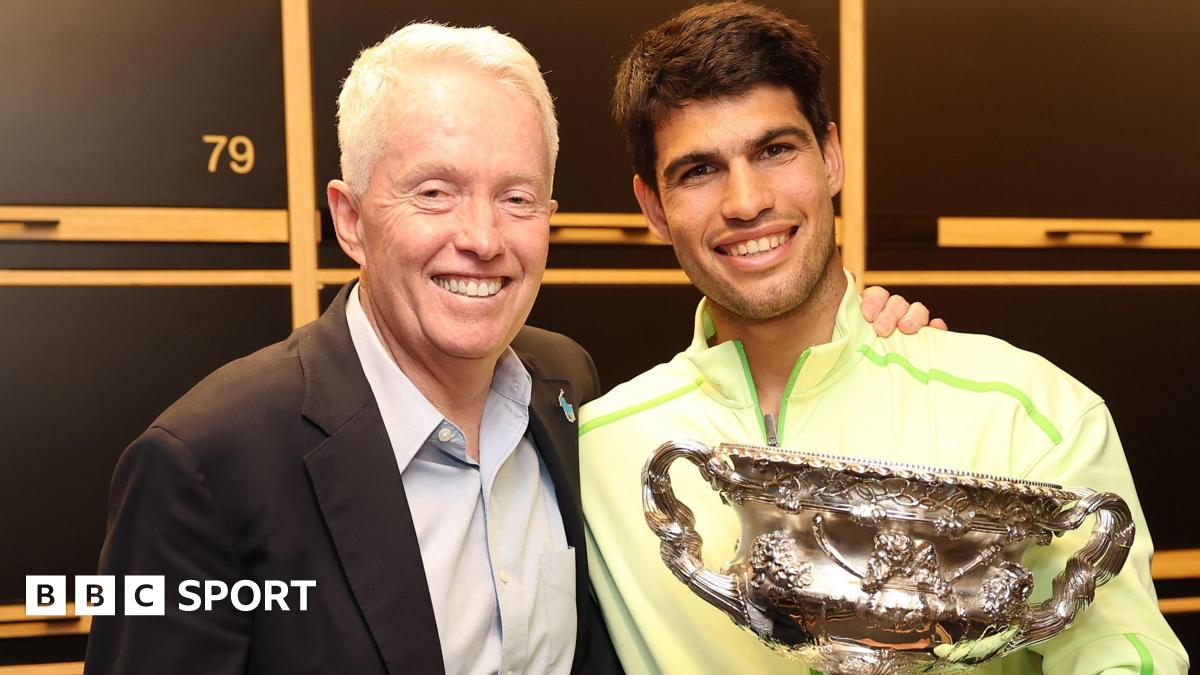
In a significant leadership transition within international tennis governance, Craig Tiley has been named the new Chief Executive Officer of the United States Tennis Association (USTA). The 64-year-old South African tennis administrator concludes his impactful 13-year tenure at Tennis Australia, where he served as both CEO and Australian Open Tournament Director.
Tiley succeeds Lew Sherr, who has departed to join Major League Baseball’s New York Mets organization. The seasoned tennis executive will formally assume his new role later this year after facilitating a seamless leadership transition at Tennis Australia.
The appointment marks a professional homecoming for Tiley, who previously established his reputation in American collegiate tennis. From 1994 to 2005, he served as head coach of the University of Illinois men’s tennis team, achieving an unprecedented perfect 32–0 record and securing the NCAA Division I National Championship in 2003.
‘I’ve long admired the USTA’s leadership in growing the game across the United States and the extraordinary success of the US Open,’ Tiley stated. ‘I’m excited to return to American tennis and to work alongside our leadership locally and nationally to continue building the sport’s reach, impact, and future.’
During his transformative tenure at Tennis Australia, Tiley championed numerous innovations including the Australian Open’s expansion to a 15-day tournament format and the introduction of the groundbreaking Million Dollar One Point Slam competition. Under his guidance, the tournament consistently shattered attendance and revenue records, with this year’s event attracting over 1.3 million spectators.
USTA Chair Brian Vahaly emphasized the strategic importance of the appointment: ‘From the very beginning of this process, our top priority was identifying the right leader to accelerate participation growth and help us achieve our goal of reaching 35 million players by 2035. Craig brings a rare combination of global credibility at the highest level of the sport and a proven commitment to growing the game at the grassroots. That balance is exactly what this moment requires.’