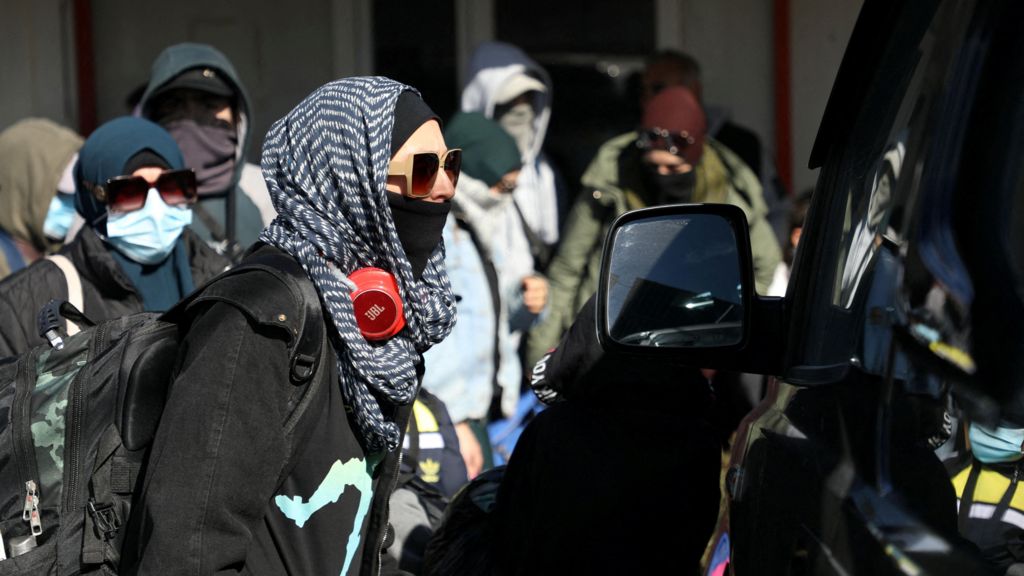
In a dramatic reversal, 34 Australian women and children with connections to the Islamic State group were temporarily released from Roj detention camp in northern Syria on Monday before being unexpectedly returned due to unspecified “technical reasons.” The group, detained for nearly seven years since IS lost its final territorial stronghold in 2019, had been handed over to family members and were en route to Damascus with military escort when their journey was interrupted.
Australian media sources suggest the failed repatriation attempt may stem from coordination failures between the various factions governing the volatile region. The Australian government has maintained a consistent position of refusing official repatriation efforts for citizens with IS affiliations, emphasizing that any returning individuals who committed crimes would face full legal consequences.
The detained Australians, believed to be wives and children of IS fighters, were reportedly planning to travel to Beirut to obtain passports through normal consular channels. The government acknowledges its obligation to issue passports to citizens presenting at Australian embassies, despite its resistance to organized repatriation from conflict zones.
Roj camp houses over 2,000 individuals from 40 nationalities, primarily women and children with IS connections. Among the detainees is Shamima Begum, the British citizen stripped of her citizenship in 2019 on national security grounds. Camp director Hakmiyeh Ibrahim appealed to Australia and other nations: “Take your citizens, take these children and women,” warning that children are growing up surrounded by “dangerous ideas and ideologies” in the camp environment.
The Australian government stated that security agencies continue monitoring the situation in Syria to prepare for any Australians seeking return, while emphasizing that national security and public safety remain the overriding priority. This incident echoes a similar 2022 repatriation of four Australian women and 13 children from Roj camp that generated significant domestic controversy.