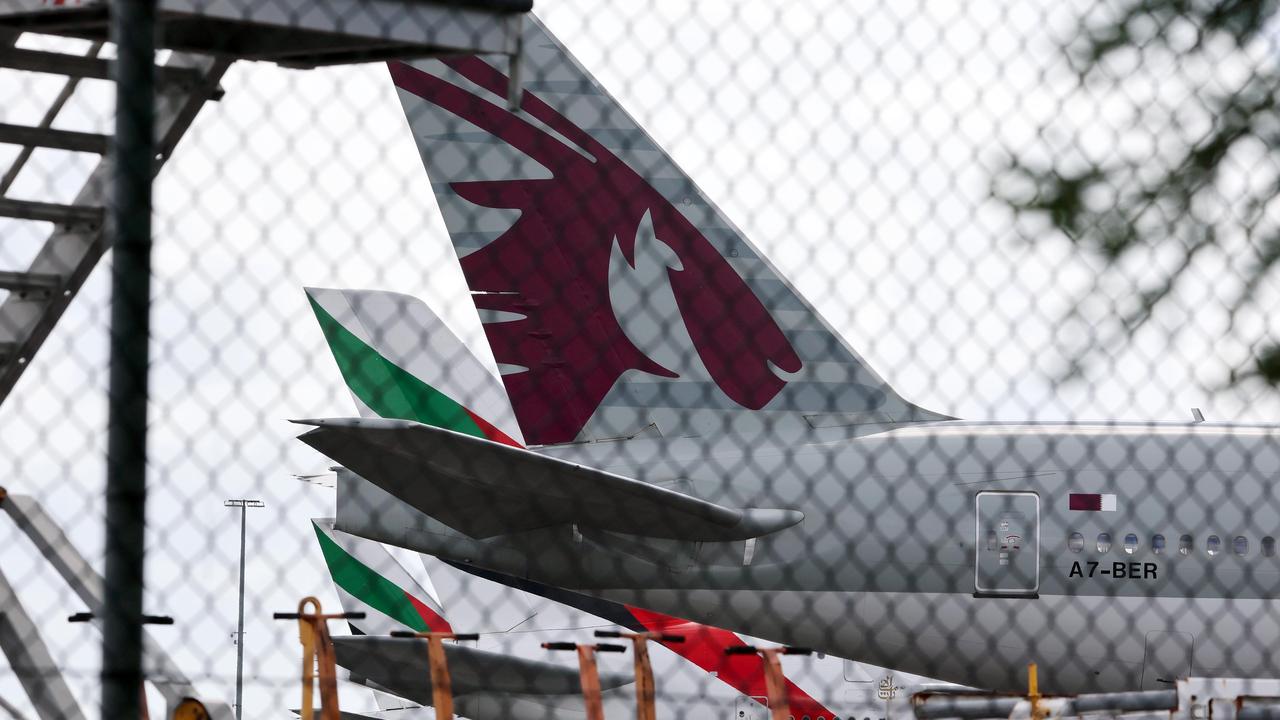
Australian consumers should brace for significantly higher air travel expenses within weeks as geopolitical tensions in the Middle East drive global oil prices upward, according to economic experts. The escalating conflict involving Iran has precipitated an 11.5 percent surge in Brent crude oil benchmarks over the past five days, directly impacting aviation fuel costs worldwide.
University of Technology Sydney economics professor Tim Harcourt indicates that while Australian carriers maintain contingency plans for global disruptions, travelers will likely experience rapid price adjustments. “The transmission from oil prices to airfares typically occurs quite swiftly,” Harcourt explained. “Although passengers often book at fixed rates in advance, airlines possess the flexibility to adjust pricing within weeks of travel dates.”
The situation intensified as Iran substantially restricted traffic through the critical Strait of Hormuz shipping corridor, prompting major airlines to cancel regional flights and monitor fuel cost fluctuations closely. Both Qantas and Virgin Australia have seen notable declines in their share values this week amid the growing uncertainty.
Market analysts present contrasting perspectives on the crisis management approach. Primara Research analyst Peter Drennan expressed skepticism toward U.S. assurances regarding oil tanker insurance and naval escorts through the Strait, describing maritime insurance as “a complex, niche, specialist area” that cannot be easily replicated. Meanwhile, independent economic analyst Stephen Innes observed that markets have responded methodically rather than panicking, gradually recalibrating risk assessments for energy-centered global economic challenges.
The U.S. administration’s commitment to securing vital shipping routes has provided some moderating influence on prices, with President Trump’s pledge to ensure tanker safety acting as a temporary market circuit breaker. This intervention signals Washington’s determination to maintain the flow of oil through the world’s most crucial energy artery despite rising geopolitical temperatures.
As Brisbane motorists already queued for fuel amid price spike concerns, analysts warn that Australia’s limited oil reserves leave the particularly vulnerable to global energy disruptions, potentially accelerating the impact on transportation costs across the nation.