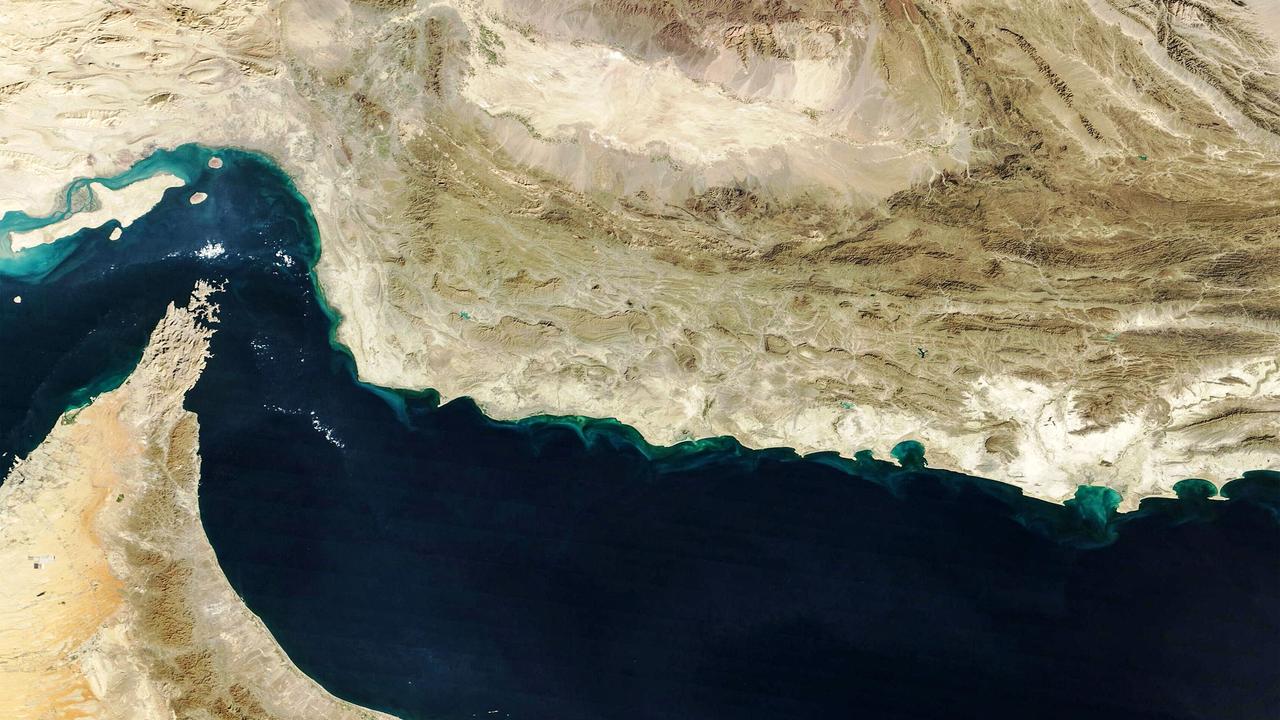
A multilateral diplomatic push to reopen the strategically critical Strait of Hormuz, closed following cross-border attacks against Iran, is set to move forward this week with 41 nations including Australia participating in high-stakes international negotiations hosted by the United Kingdom and France.
The waterway, one of the world’s most vital chokepoints for global energy trade, was effectively shut down by Tehran in late February after the U.S. and Israel carried out strikes on Iranian targets. The closure has sent shockwaves through global energy markets, disrupting crude oil exports from the Middle East — the planet’s largest oil-producing region — and driving widespread supply uncertainty that impacts economies worldwide.
French President Emmanuel Macron has framed the potential multinational response to the crisis as a strictly defensive, neutral initiative focused on reestablishing unimpeded navigation through the strait. In a social media statement released overnight, Macron emphasized that the proposed defensive naval mission would remain independent of the ongoing conflict between warring parties, with deployment possible as soon as conditions on the water allow. He described the effort as a “peaceful multinational” undertaking aligned with international rules governing free maritime passage.
Australia’s formal participation in this week’s summit was confirmed Tuesday by Federal Defence Industry Minister Pat Conroy, who reaffirmed Canberra’s commitment to a diplomatic resolution to the standoff. Speaking to the Australian Broadcasting Corporation, Conroy noted that Australia has already been involved in ongoing diplomatic efforts to reopen the strait, and said the federal government welcomes the UK and France’s convening of the new multilateral talks.
“Australia will most definitely participate in that summit, we are very keen to see an opening by diplomatic means, on the Strait of Hormuz,” Conroy said.
The minister also reiterated Australia’s longstanding call for de-escalation in the region, stating that the Australian government supports extending the current two-week ceasefire and pushing for permanent peace talks between the U.S. and Iran. “We’d like to see Iran and United States return to the negotiating table, and a permanent peace achieved, with the Strait of Hormuz open, so that traffic flows through,” Conroy added. “We think the US has achieved its war aims, and we should continue to encourage a diplomatic opening of the Strait of Hormuz.”
The latest diplomatic push comes after weekend peace talks mediated by Pakistan failed to produce a breakthrough. Overnight, former U.S. President Donald Trump confirmed that a U.S. military blockade of the waterways is now in effect, raising new concerns about further escalation of tensions in the Persian Gulf region. This is a developing story, with more details expected to emerge from this week’s multilateral talks.