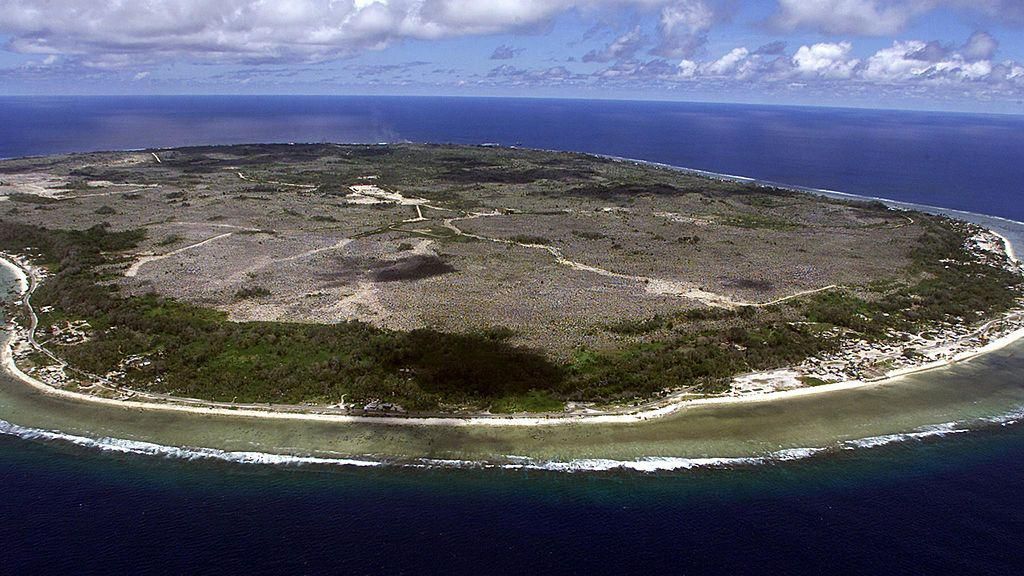
Australia has initiated the deportation of foreign detainees to Nauru, marking the commencement of a contentious agreement with the small Pacific island nation. Australian Home Affairs Minister Tony Burke confirmed in a Tuesday statement that the first transfer occurred last Friday, though the exact number of individuals deported remains undisclosed. This deal was necessitated after Australia’s High Court ruled that the indefinite detention of approximately 358 individuals, most of whom have criminal convictions, was unlawful, compelling their release into the community. The agreement, expected to cost A$2.5 billion, has drawn sharp criticism from human rights groups and refugee advocates, who argue it violates Australia’s human rights obligations. Laura John of the Human Rights Law Centre described the plan as ‘shrouded in secrecy,’ raising concerns about the welfare of deportees, including potential separation from families and access to medical care. The NZYQ cohort, as these detainees are known, were released following a 2023 High Court decision that deemed indefinite immigration detention illegal. Many had their visas revoked due to serious crimes such as assault, drug smuggling, and murder. The Australian government faced a dilemma: unable to repatriate them due to fears of persecution or refusal by their home countries, yet criticized for releasing them into the community. In response, Prime Minister Anthony Albanese’s government amended the Migration Act, enhancing deportation powers and securing agreements with third countries, including Nauru. Under the deal, deportees receive a 30-year visa allowing them to work and live freely among Nauru’s 12,500 residents. The first transfer triggered an upfront payment of A$408 million for resettlement. Critics, including Greens party immigration spokesperson David Shoebridge, have condemned the lack of transparency and potential risks of further deportation to home countries. Burke defended the arrangement, stating that Nauru’s accommodation and health facilities meet good standards. This agreement is distinct from Nauru’s previous role in Australia’s offshore immigration processing system, which was scaled back following international criticism.