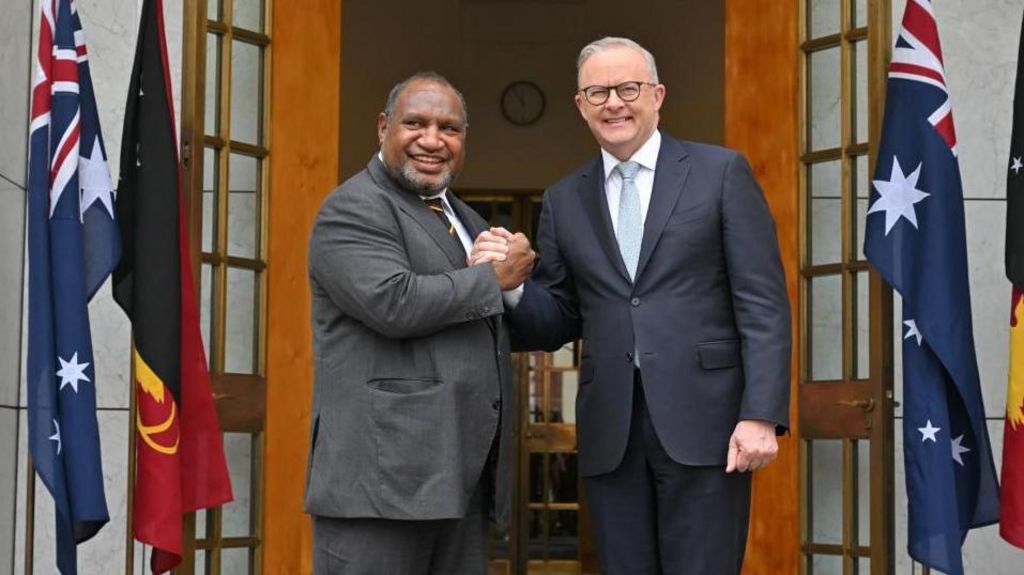
In a landmark move to bolster regional security, Australia and Papua New Guinea (PNG) have signed a comprehensive defense agreement, solidifying their partnership amidst growing geopolitical tensions in the Pacific. The pact, inked by Australian Prime Minister Anthony Albanese and PNG Prime Minister James Marape in Canberra on Monday, grants Australia access to PNG’s military facilities and troops, with both nations pledging mutual defense in the event of an attack. Dubbed the ‘Pukpuk Treaty’—a nod to the PNG pidgin word for ‘crocodile’—the agreement underscores the strategic interoperability and preparedness of the two militaries. The treaty also allows up to 10,000 Papua New Guineans to serve in Australia’s armed forces, with the option to pursue Australian citizenship. Marape emphasized that the pact is rooted in shared geography and history, not geopolitics, and assured that PNG has been transparent with China about its alliance with Australia. Albanese highlighted the treaty’s role in maintaining peace and stability in the Pacific, stating, ‘By continuing to build our security relationships in the region, we safeguard our own security.’ The deal includes annual joint military exercises and enhanced collaboration in cyberspace and electromagnetic warfare. Analysts view the agreement as a strategic counter to China’s expanding influence in the region, particularly following its security deals with the Solomon Islands. Oliver Nobetau of the Lowy Institute noted that the treaty addresses Australia’s military recruitment challenges while signaling to the U.S. that Australia and PNG are capable of managing regional stability. However, concerns have been raised in PNG about the treaty potentially undermining its ‘friends to all, enemies to none’ foreign policy stance.