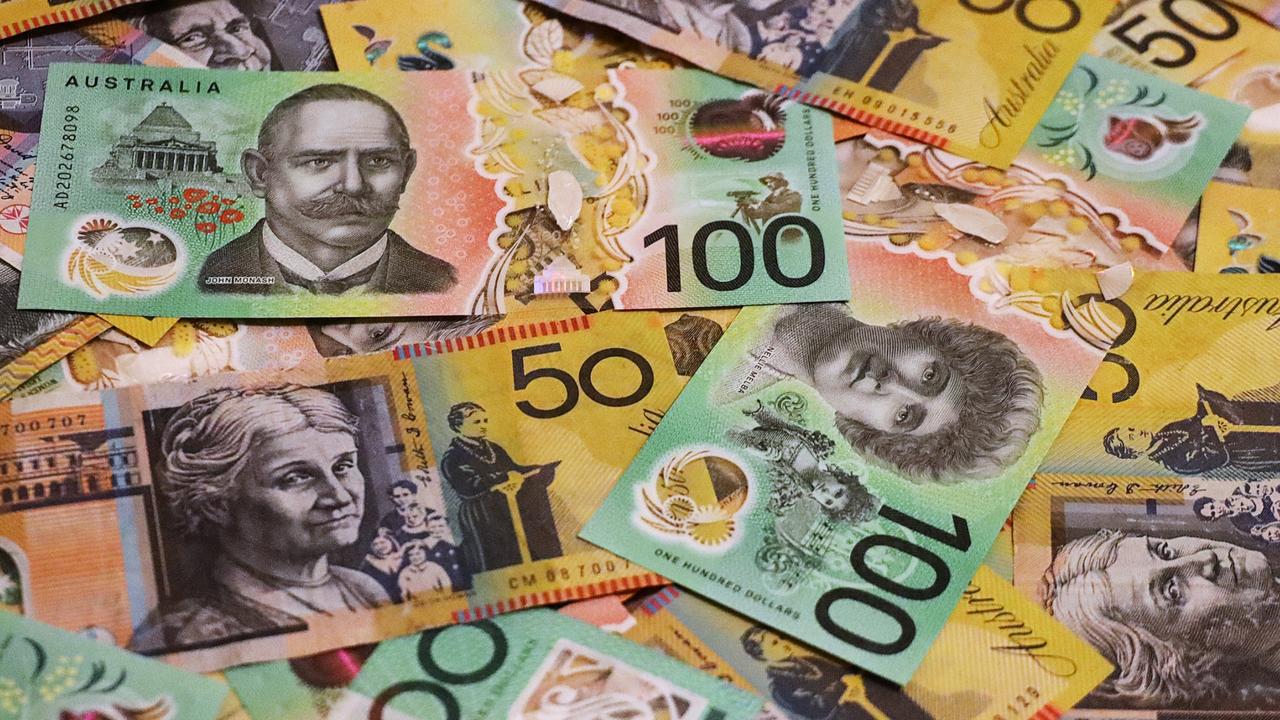
In a development that poses significant challenges for monetary policymakers, Australian household expenditure has demonstrated remarkable resilience by continuing its upward trajectory despite mounting cost-of-living pressures. The latest data from National Australia Bank reveals consumer spending increased by 0.4% in February, maintaining a robust annual growth rate of 6.7%.
The persistent spending patterns emerge at a critical juncture, with the Reserve Bank of Australia preparing to announce its interest rate decision. This sustained consumer activity complicates the central bank’s ongoing campaign against inflation, particularly as spending growth spans both services and goods categories. Service expenditures rose 0.5% monthly, led by cafes and restaurants, while goods spending increased 0.4%, primarily driven by a 0.9% surge in food costs.
NAB economist Gareth Spence noted that despite economic pressures, household balance sheets have shown improvement. “Real incomes have grown approximately 3.8% over the past year, representing a significant contrast to previous inflation cycles,” Spence observed. He added that households appear relatively well-positioned to navigate potential economic challenges, though acknowledging varying degrees of financial pressure across different demographic groups.
Paradoxically, while spending remains strong, new data from ANZ and Roy Morgan indicates consumer confidence has plummeted to pandemic-era lows, registering just 68.5 on their index. This confidence measure sits well below the 100-point threshold that separates optimism from pessimism, suggesting consumers are spending despite growing economic concerns rather than because of positive expectations.
The Australian Bureau of Statistics reports the household saving-to-income ratio has climbed to 6.9% – the highest level since September 2022 and above pre-pandemic averages. This indicates that despite increased spending, disposable income growth of 1.8% has outpaced nominal spending growth of 1.1%, providing some buffer against economic headwinds.
Economists warn that sustained oil prices above $100 per barrel could directly add approximately 1% to living costs, potentially forcing the RBA to maintain a more hawkish stance on interest rates than previously anticipated.