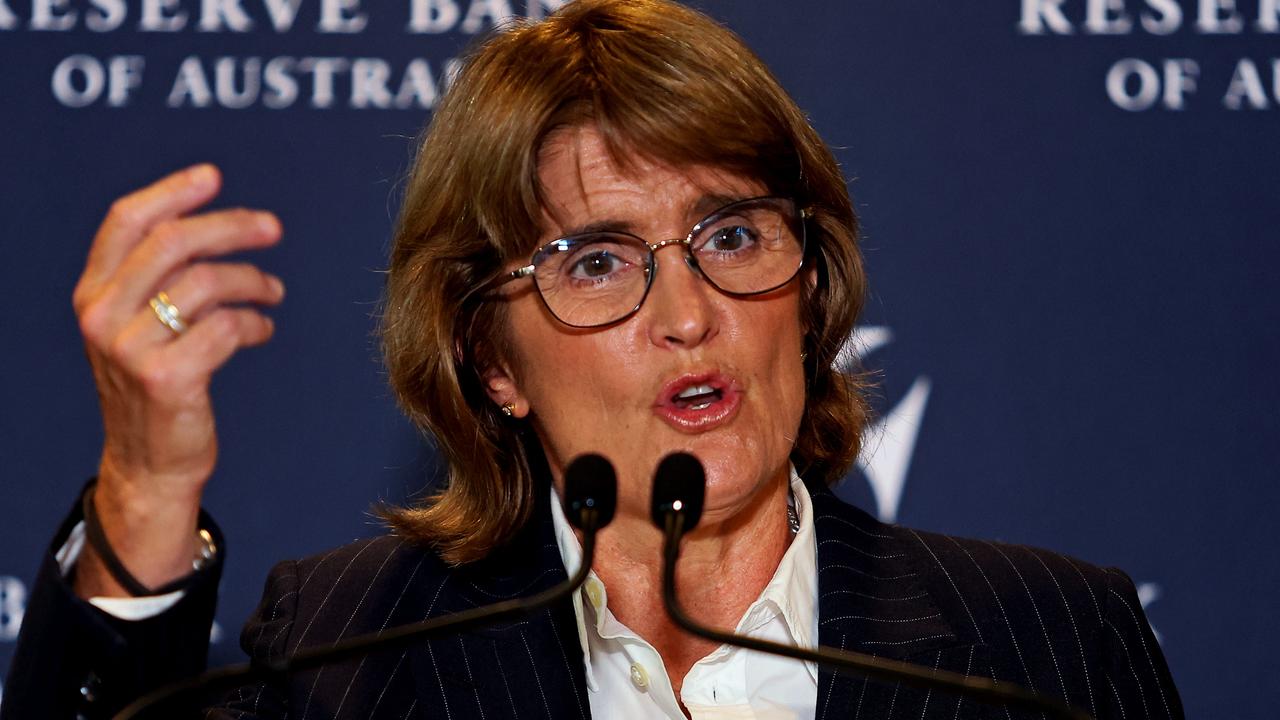
Australia’s economic landscape faces severe turbulence as geopolitical tensions in the Middle East create compounding domestic pressures. With the Reserve Bank of Australia poised to implement consecutive interest rate hikes in March and May, households confront an unprecedented convergence of monetary tightening and energy-driven inflation.
The blockade of the Strait of Hormuz—a critical maritime passage handling approximately 19% of global oil shipments—has precipitated a 30% surge in worldwide crude prices. This development has reignited concerns about stagflation, an economic phenomenon characterized by stagnant growth coupled with rampant inflation last witnessed during the 1970s oil crisis.
Financial institutions uniformly anticipate the official cash rate reaching 4.30% by May, potentially climbing to 4.60% by year’s end—the highest level since October 2011. Treasurer Jim Chalmers acknowledges Treasury projections indicating inflation could spike into the high 4% range, significantly exceeding January’s 3.8% figure.
Energy economists note that while advanced economies have reduced oil dependency since the 1970s, prolonged closure of the Strait would severely impact emerging markets through fertilizer and food price inflation. Domestically, AMP chief economist Shane Oliver warns consumers face a ‘double whammy’ of elevated mortgage costs and soaring fuel expenses, likely triggering reduced discretionary spending.
The RBA’s dilemma centers on whether to counteract energy-driven inflation through rate hikes despite the consequent suppression of household spending power. Market analysts observe that bond markets are pricing in additional rate increases through 2026, reflecting persistent anxiety over combined geopolitical instability and domestic inflationary pressures.