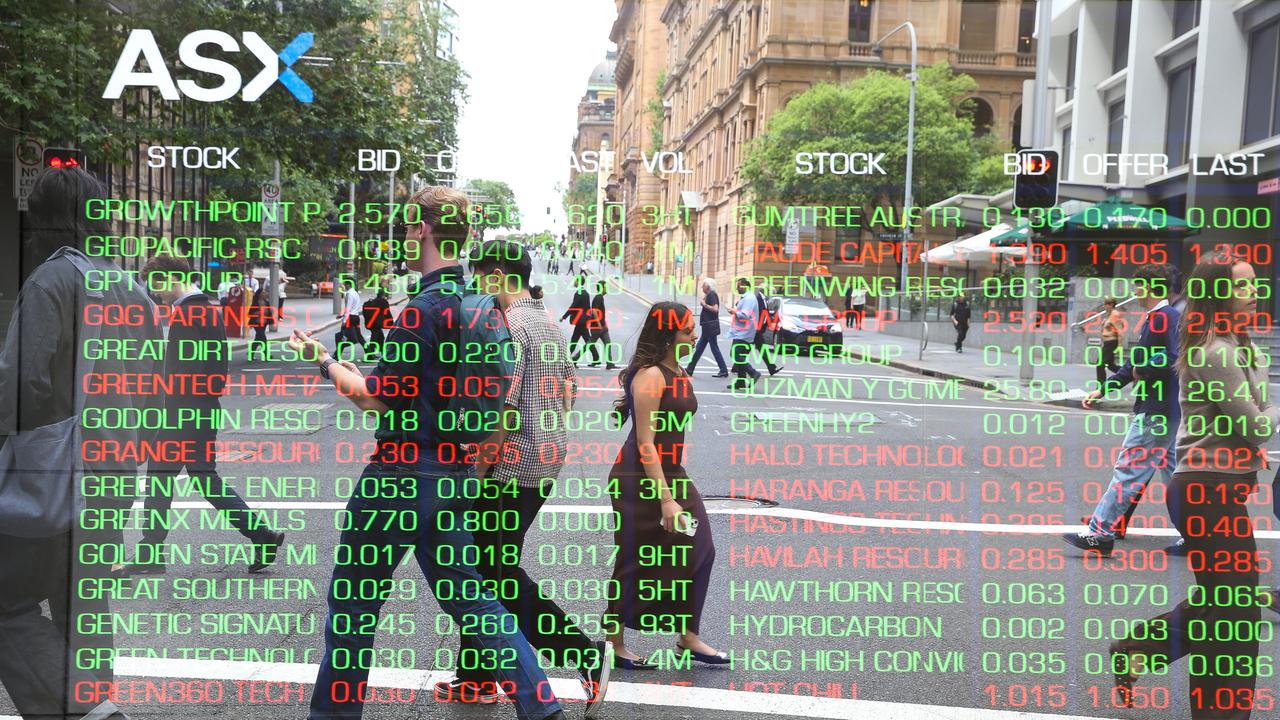
The Australian equities market delivered a sharp early rally on Wednesday, driven by plummeting global oil prices following the announcement of a conditional two-week ceasefire agreement between the United States, Iran, and Israel. By the first hour of regular trading, the benchmark ASX 200 index jumped 2.6 percent across the board, with technology and materials sectors leading the upward momentum, as geopolitical tensions that had rattled global markets for days eased unexpectedly.
The ceasefire deal, brokered by Pakistan, is set to reopen the critical Strait of Hormuz—one of the world’s most vital oil shipping chokepoints that handles roughly 20 percent of all global crude trade. The news sent international oil prices falling as much as 19 percent, triggering a sharp pullback for Australian energy stocks. Major domestic energy players posted steep losses in early trading: Woodside Energy and Viva Energy both dropped 10 percent, Santos slid 5.6 percent, and fuel retailer Ampol fell 4.25 percent.
Lower oil prices, however, injected fresh optimism into the aviation sector, which has been squeezed by rising fuel costs. Qantas Airways saw its shares climb 9 percent, while rival Virgin Australia recorded an even larger 13 percent gain in early trading. Beyond equities, the Australian dollar also strengthened against the U.S. dollar, rising 1.5 percent to 70.70 U.S. cents, while spot gold prices gained 2.3 percent as reduced geopolitical risk supported broader risk-on positioning across assets.
The ceasefire came after global financial markets braced for potential military escalation, waiting for the expiry of a U.S. deadline for Iran set by former President Donald Trump that passed at 10 a.m. Australian Eastern Standard Time. Analyst Stephen Innes, who commented on the market reaction, noted that the decision by the White House to step back from the brink of conflict came as a major relief to regional and global markets.
“Once the White House stepped back from the brink and replaced imminent escalation with a conditional two-week ceasefire, oil stopped acting as a lever of global fear and began to revert to something closer to flow and balance,” Innes explained in a market note. “That matters enormously for Asia. Lower oil prices remove the chokehold that has weighed on regional risk sentiment, especially in markets that feel imported energy shocks first and hardest.”
Innes added that Asian markets entered Wednesday trading primed for volatility, with all asset prices positioned around the high-stakes deadline. “The market walked into Asia like a spring wound too tight, every asset calibrated to a single moment on the clock,” he said. “It walks out of the open with that tension released, not resolved, but eased just enough to let air back into the system. The two week ceasefire buys time, and in markets, time is oxygen.”
Official details of the agreement confirm direct talks between U.S. and Iranian negotiators will be held in Pakistan this Friday. Iran’s foreign ministry confirmed the country will allow unimpeded transit of oil tankers through the Strait of Hormuz for the duration of the 14-day truce, with security oversight managed by Iranian military authorities. The ceasefire announcement follows a recent missile strike on the Thai bulk carrier Mayuree Naree near the strait on March 11, which had stoked fears of disrupted shipping routes and spiked oil prices in preceding days.
Australia’s energy market dynamics make the truce particularly impactful for domestic investors: the country relies heavily on refineries in Singapore, Malaysia, and South Korea for processed transport fuel, while many Asian economies depend on Australian natural gas exports, creating a direct link between Middle East geopolitics and domestic market performance.