A devastating incident involving the death of a 32-year-old Nepali international student in central Sydney has reignited urgent demands for systemic policy changes and independent scrutiny of gaps in Australia’s social safety net for non-residents.
Bikram Lama, who had traveled to Australia to pursue a computer science degree, was found dead six days after his death in dense shrubbery near St James Station, a high-traffic area adjacent to Sydney’s Hyde Park, in December 2023. Shocking estimates indicate that as many as 100,000 commuters and pedestrians passed his undiscovered body every single day before local station staff made the grim discovery.
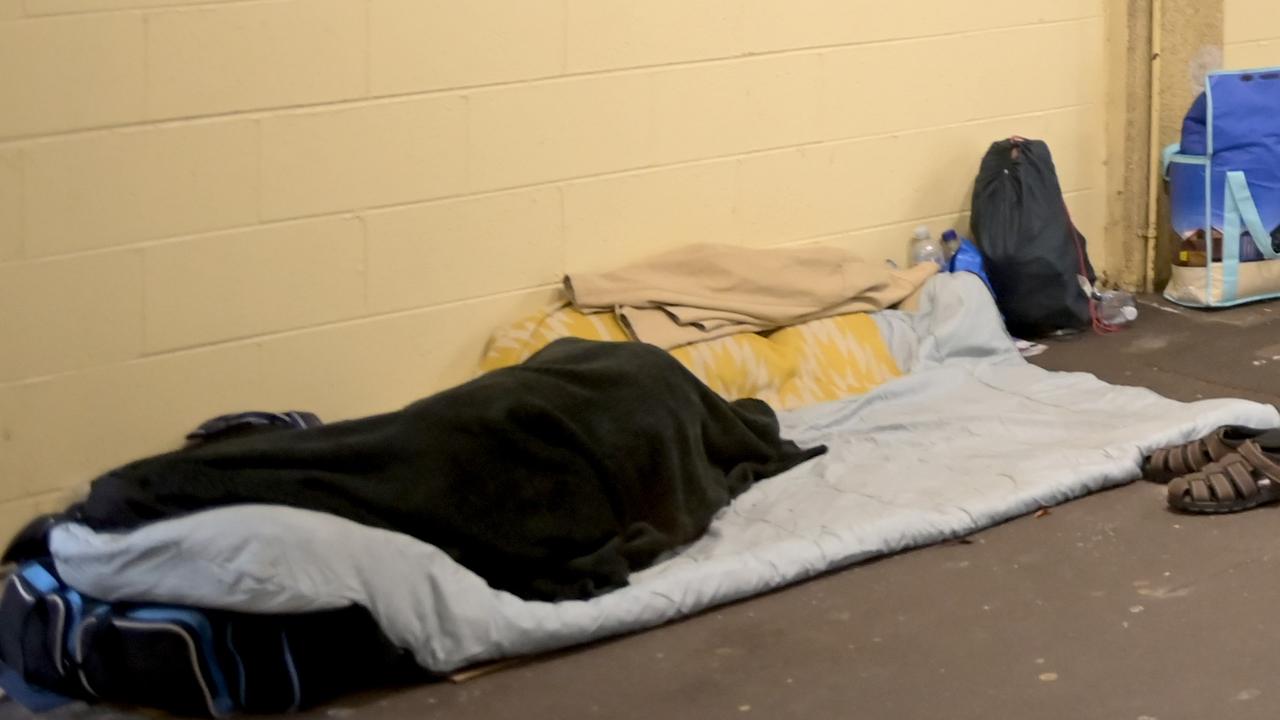
After falling into severe financial hardship, Lama was locked out of critical state and federal support services solely because he did not hold Australian permanent residency, according to reporting from The Guardian. His death has drawn renewed attention to a hidden vulnerable population in Sydney: unhoused non-residents who are excluded from mainstream crisis assistance. Data from the City of Sydney underscores the growing scale of the issue: a 2023 count recorded 346 people sleeping rough in the Sydney central business district, a 24% jump from the previous year, with non-Australian residents accounting for 18% of that total.
Independent Member of Parliament Alex Greenwich has formally written to the New South Wales Attorney-General calling for a full coronial inquest into Lama’s death. The request aims to uncover whether systemic policy failures directly contributed to the preventable tragedy. A spokesperson for the NSW Attorney-General’s Department confirmed that the state coroner is currently awaiting a full evidence brief from New South Wales Police, and will assess whether to proceed with an inquest through standard legal processes once the documentation is submitted.
St Vincent’s Hospital, which operates a leading homelessness health service in Sydney, has joined the growing chorus demanding urgent cross-government reform. Erin Longbottom, manager of St Vincent’s homelessness health unit, explained that non-residents in crisis are barred from accessing Medicare-funded medical care, state-run emergency shelter, and most other government support programs, leaving them dependent on under-resourced charities for basic food and essential supplies. “Bikram’s senseless tragic death lays bare gaping holes in the support system for non-residents experiencing crisis,” Longbottom said in an interview with news.com.au. “We are calling on both state and federal governments to overhaul the current framework to give vulnerable non-residents access to life-saving support when they need it most.”