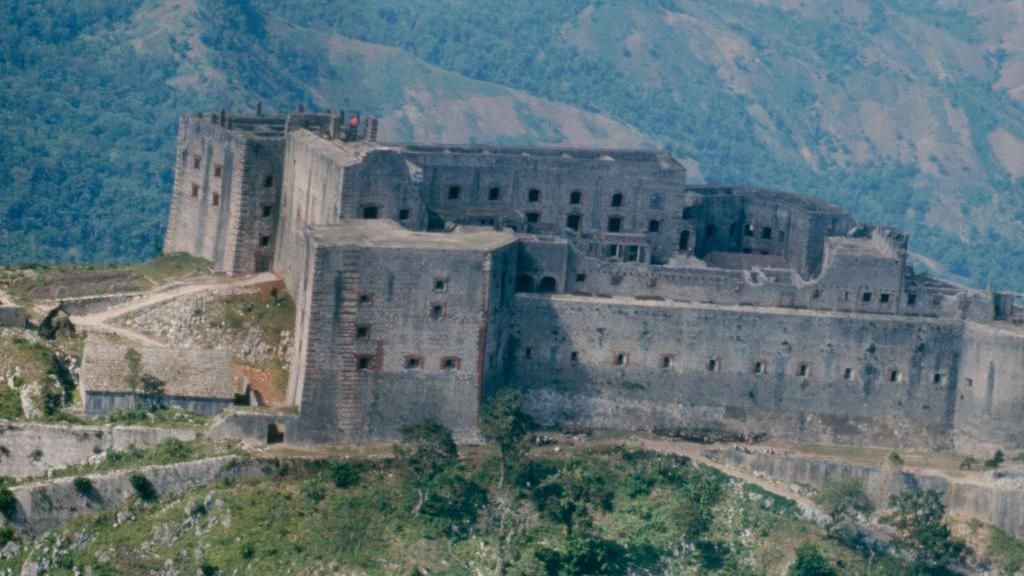
A devastating crowd crush at one of Haiti’s most iconic cultural landmarks has left at least 30 people dead, with officials warning the final death toll may climb higher in the wake of the Saturday incident. The tragedy unfolded at the Laferrière Citadel, a UNESCO World Heritage Site and enduring symbol of Haitian independence located near the northern town of Milot, during an annual Easter community gathering.
Jean Henri Petit, head of civil protection for Haiti’s Nord department, confirmed the initial casualty count, and emphasized that recovery efforts were still ongoing to account for all impacted visitors. Haitian Prime Minister Alix Didier Fils-Aimé confirmed the incident occurred during a public tourist-focused event that drew a large crowd of young attendees. He announced in an official statement that a full investigation into the disaster has been launched, and all relevant government agencies have been mobilized to provide support to injured victims and the families of those deceased. “The government sends its sincere condolences to the affected families,” Fils-Aimé added.
Local Haitian media outlets, citing senior officials, report that the site became dangerously overcrowded after the annual event—held to commemorate the 19th-century fortress’s founding—was widely promoted on social media. The crush began near the main entrance of the large hilltop fortress, and emergency responders say the dangerous conditions were made far worse by a sudden onset of heavy rain that panicked the crowd of visitors and students.
The initial death toll was first reported by Haiti’s leading newspaper Le Nouvelliste, which sourced the figure from Petit. The Haitian government’s official public statement did not include a specific casualty number, as officials continue to verify the extent of the tragedy.
Completed more than two centuries ago shortly after Haiti won its independence from French colonial rule, the Citadelle Laferrière—also called Citadelle Henry—was built by revolutionary leader Henri Christophe. The massive stronghold took more than 10 years to complete, and formed a core defensive position in a network of fortifications designed to protect the newly independent Caribbean nation from foreign invasion. Today, it stands as one of Haiti’s most visited tourist sites and a powerful national symbol of freedom.
This deadly crowd disaster comes as Haiti already faces a protracted crisis of widespread gang-related violence that has claimed thousands of lives across the country this year, straining already limited public safety and emergency response capacity.