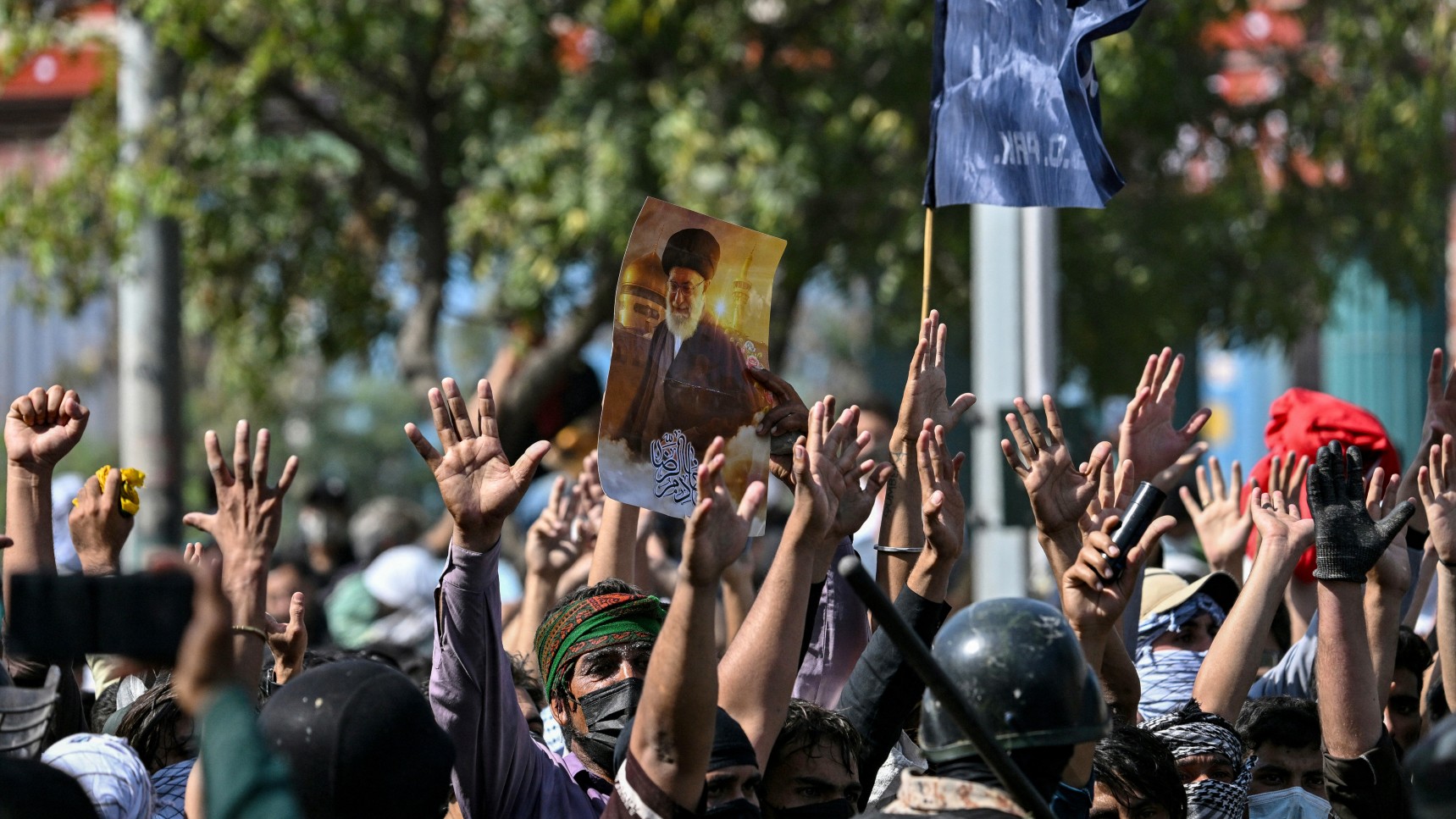
Pakistan witnessed a day of widespread violence and civil unrest on Sunday as mass protests erupted in response to the killing of Iran’s Supreme Leader Ayatollah Ali Khamenei in a reported US-Israeli operation. The demonstrations turned deadly across multiple cities, resulting in at least 23 confirmed fatalities and numerous injuries.
In Karachi, the nation’s commercial capital, hundreds of protesters stormed the US consulate complex, with several managing to breach the outer perimeter and inflict damage on the main building’s windows. The confrontation turned lethal as security forces employed live ammunition, tear gas, and rubber bullets against the crowds. According to Sindh’s chief police surgeon Sumaiyya Syed, at least ten individuals lost their lives in Karachi alone, with approximately 60 others sustaining injuries.
The capital city Islamabad became another focal point of violence, where thousands gathered to express outrage over Khamenei’s death. At least two protesters were killed during demonstrations near the heavily fortified “Red Zone” that houses parliament buildings and diplomatic compounds, including the US embassy.
The mountainous northern region of Gilgit-Baltistan emerged as a particularly violent flashpoint, with eleven fatalities reported in the city of Skardu. Protesters set fire to the office of the United Nations Military Observer Group, prompting authorities to impose a three-day curfew in the area.
The widespread unrest stems from Pakistan’s significant Shia Muslim population, which constitutes approximately 20 percent of the country’s 200 million inhabitants. Many Pakistani Shias regarded Khamenei as their spiritual leader and regularly undertake pilgrimages to holy sites in Iran.
In response to the security crisis, the US embassy in Islamabad announced the cancellation of all visa appointments and consular services for American citizens. Embassy officials advised US nationals in Pakistan to monitor local news, avoid large gatherings, and ensure their registration with the Smart Traveler Enrollment Program (STEP) remained current.
Pakistani Interior Minister Mohsin Naqvi addressed the nation, acknowledging the shared grief with Iran while urging citizens to “not take the law into their hands” and protest peacefully. The government has condemned what it characterized as “unwarranted attacks” against Iran, noting that these developments occurred amid ongoing diplomatic efforts to achieve peaceful solutions in the region.
The violence highlights Pakistan’s delicate geopolitical position, caught between its western neighbor Iran and its historical allies in the Gulf region. This balancing act became particularly complex following Pakistan’s recent mutual defense agreement with Saudi Arabia, which commits both nations to treat aggression against one as aggression against both.