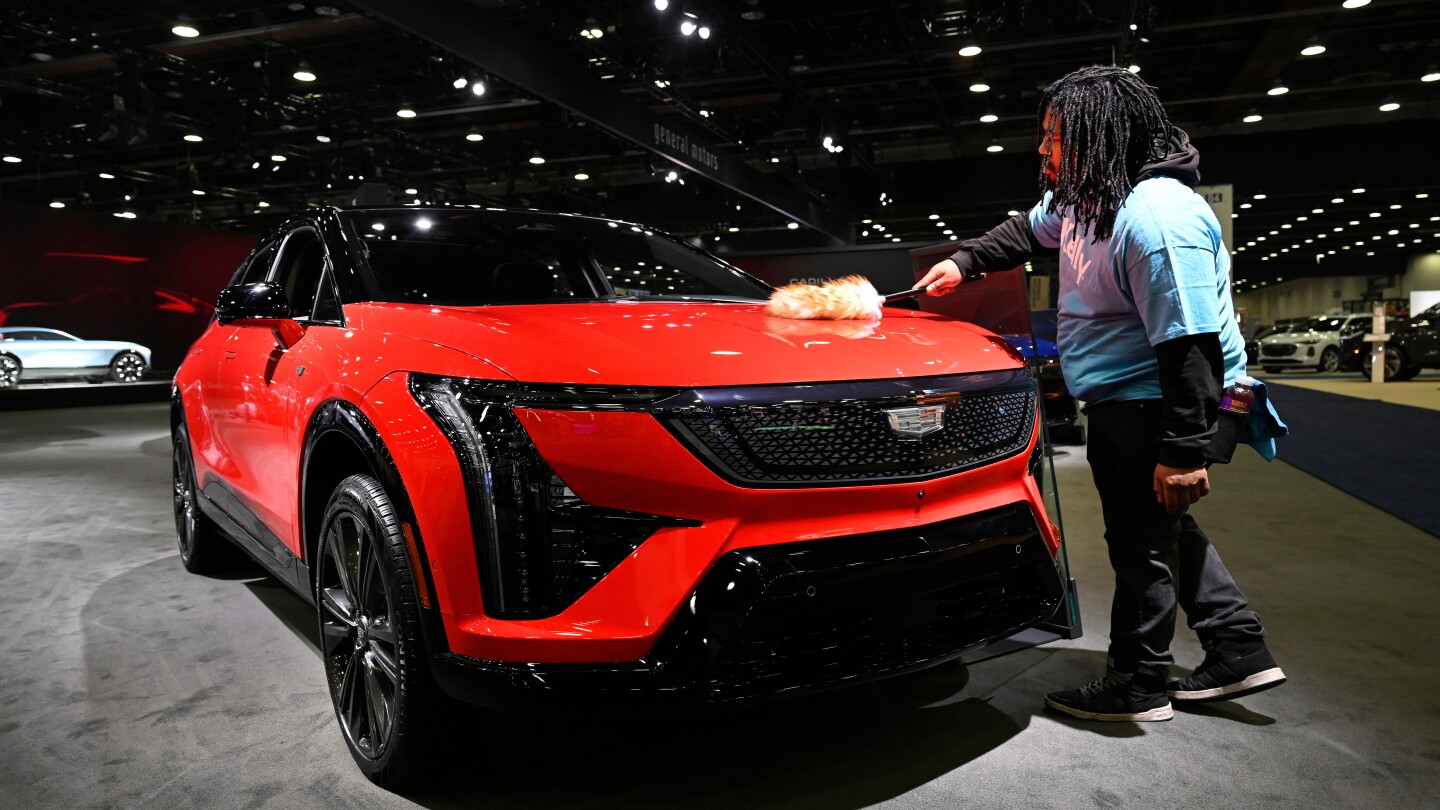
DETROIT — The roar of combustion engines and squeal of tires once again dominated the indoor test tracks at the North American International Auto Show, marking a symbolic departure from recent years when one track was reserved exclusively for electric vehicles. This year’s exhibition reflects a significant industry pivot as U.S. automakers scale back their electric ambitions in response to shifting political winds and market realities.
The change comes amid President Donald Trump’s pro-fossil fuels agenda that has reshaped America’s automotive landscape. Trump’s administration has revoked Biden-era electric vehicle sales targets, cut tax incentives for EV purchases, weakened fuel economy standards, and blocked funding for charging infrastructure nationwide. During a recent visit to Ford’s River Rouge Complex, Trump celebrated these policy changes, stating he had “ended the radical left war on oil and gas” while maintaining he still believes electric vehicles “are great.”
Industry data reveals concerning trends beneath the surface. U.S. sales of electrified vehicles grew just 1% in 2025, compared to 17% growth in China and 33% in Europe. Pure-electric market share remained under 8% with 1.23 million units sold—a slight decline from the previous year.
The policy shift has come at considerable cost to automakers. Ford announced $19.5 billion in charges related to electrification efforts, including ending production of its all-electric F-150 Lightning. General Motors recorded $6 billion in EV-related charges, while even market pioneer Tesla faced a challenging year.
Industry leaders expressed deep concern about America’s competitive position. “We have to look at what we’re up against. In a word—China,” Michigan Governor Gretchen Whitmer stated during her address at the show. “China wants to dominate every part of auto manufacturing. They’ve captured major market share almost everywhere except the U.S. and Canada.”
Michael Robinet, Vice President of Forecast Strategy at S&P Global Mobility, echoed these concerns: “What we worry about is how competitive will we be on the global stage as the market continues to advance around us.”
Former Transportation Secretary Pete Buttigieg warned that while Trump cannot prevent the eventual dominance of electric vehicles, he “can stop America from being the leader in that technology.” Industry experts suggested that automakers should maintain development of “compelling EV offerings” despite the current policy environment to avoid falling permanently behind global competitors.