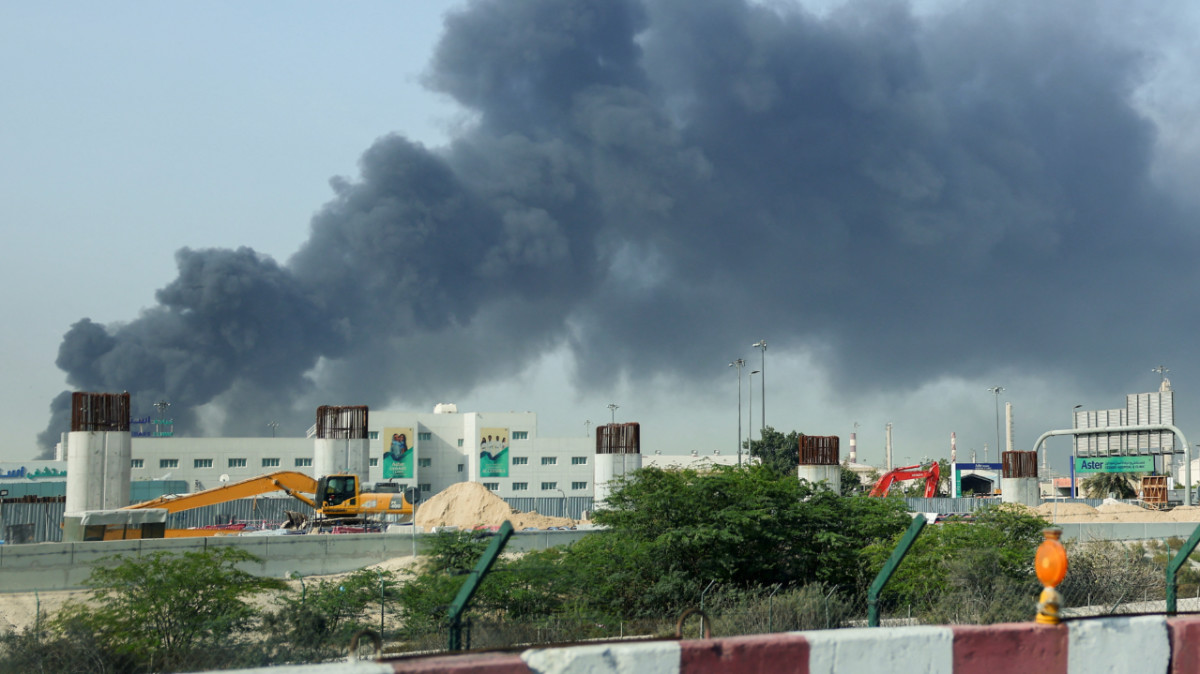
President Donald Trump’s expressed astonishment at Iran’s aggressive strikes against Arab Gulf states has revealed significant fissures in longstanding security partnerships, according to regional analysts and officials. This surprise declaration comes despite explicit warnings from Gulf rulers and intelligence briefings about precisely such retaliatory measures.
The current escalation contrasts sharply with Trump’s May speech in Riyadh, where he praised the region’s ‘gleaming marvels’ while criticizing interventionist policies. Gulf leaders initially welcomed this stance as supporting their autonomous regional management approaches, whether through diplomatic channels or forceful measures as demonstrated in Sudan.
However, the unfolding conflict has fundamentally challenged the security framework between the United States and its Gulf partners. Military analysts confirm that Gulf states are effectively utilizing advanced American-made air defense systems to protect their urban centers and energy infrastructure—the very systems originally purchased as protection against Iranian aggression, now deployed against strikes resulting from US-initiated hostilities.
Regional officials express deepening concerns about America’s strategic reliability, citing historical precedents including the Trump administration’s inadequate response to the 2019 assault on Saudi oil facilities and the Biden administration’s inaction regarding Houthi attacks on the UAE. These incidents prompted Saudi Arabia and the UAE to pursue diplomatic reconciliation with Iran, though these efforts have proven ineffective against current military actions.
Defense capabilities are becoming increasingly strained as Gulf countries report critical shortages of interceptor missiles amid global supply constraints. Simultaneously, Gulf states find their substantial US investments and business connections to Trump’s family provide no leverage in securing additional protection or preventing conflict escalation.
Regional security experts note the Gulf’s precarious position: to reestablish deterrence, they may need to join US offensive operations, potentially becoming entangled in an undesirable regime-change conflict that leaves them vulnerable should American commitment wane. While Saudi Arabia acquiesced to US attacks on Iran following Trump administration lobbying, it has refrained from joining offensive operations despite direct attacks on Riyadh and energy infrastructure.
The presence of US military bases—established post-Saddam Hussein’s invasion of Kuwait rather than as specific counter-Iran measures—now faces reassessment. Some analysts suggest Iran deliberately targets Gulf states to reposition these bases as strategic liabilities rather than assets, though others maintain they continue providing valuable shared knowledge and capacity-building benefits despite current tensions.