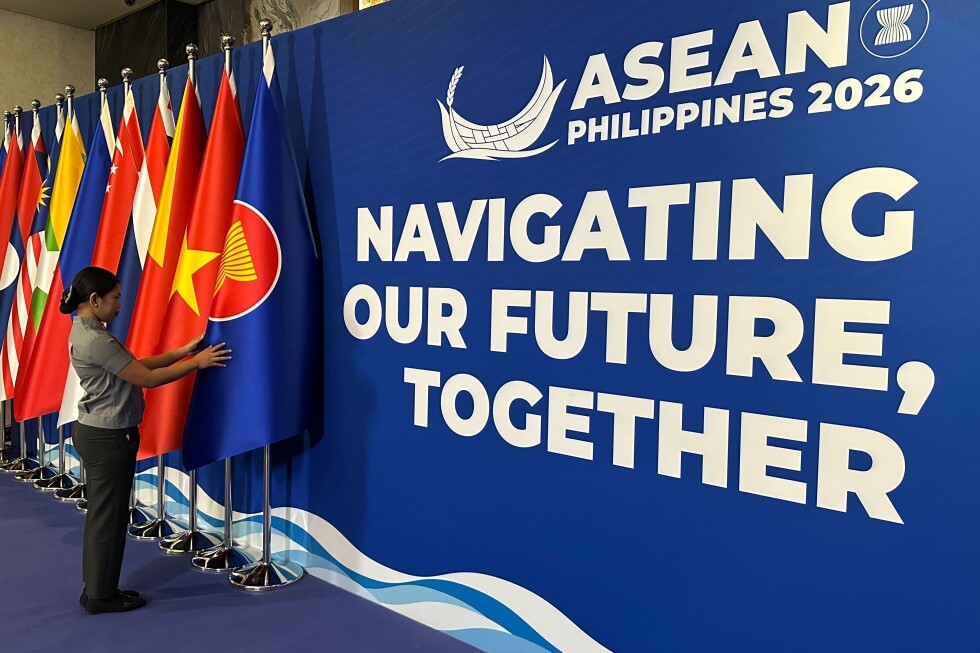
Foreign ministers from the Association of Southeast Asian Nations convened in Cebu, Philippines, on Wednesday facing mounting challenges to regional stability. The two-day gathering confronted the bloc’s persistent difficulties in mediating Myanmar’s protracted civil conflict while racing against time to finalize a maritime conduct agreement with China.
The 11-member regional organization, long criticized for its consensus-based approach, finds its unity tested by multiple crises. Myanmar remains suspended from leadership roles following the 2021 military coup that ousted Aung San Suu Kyi’s government, with ASEAN continuing to bar junta leaders from high-level meetings while permitting lower-level diplomatic participation.
Philippine Foreign Secretary Theresa Lazaro, serving as ASEAN’s special envoy to Myanmar, presented findings from her recent mission to the conflict-ridden nation. Her report included observations from meetings with military leadership and outcomes from a Philippines-hosted conference of anti-junta political and ethnic factions. Participants examined implementation mechanisms for ASEAN’s five-point peace framework, originally adopted in 2021, which has thus far failed to curb violence that has claimed tens of thousands of lives and displaced millions.
Parallel negotiations demand attention as ASEAN works toward a self-imposed December deadline for concluding a South China Sea code of conduct with China. The proposed agreement aims to manage territorial disputes involving four ASEAN members whose maritime claims overlap with Beijing’s expansive assertions. While Washington maintains no territorial claims, it has reaffirmed its defense commitment to treaty ally Philippines should confrontations escalate.
Analysts remain skeptical about both initiatives. Australia-based researcher Lupita Wijaya noted fundamental disagreements persist regarding the code’s legal binding nature and interpretations of international law, suggesting conclusion remains ‘an uphill climb’ despite political declarations.