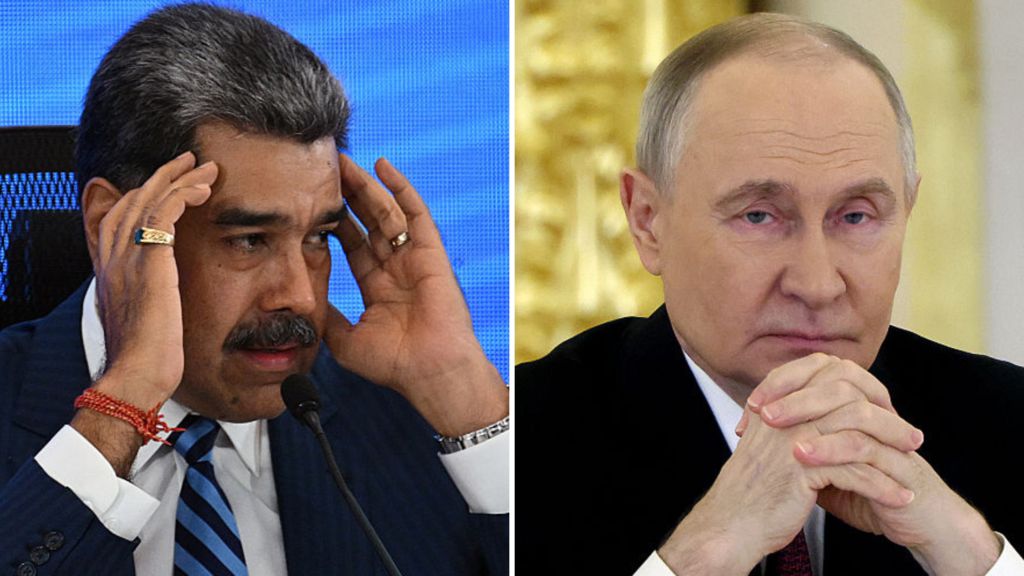
Venezuelan President Nicolás Maduro faces escalating geopolitical isolation as his nation’s traditionally steadfast allies demonstrate diminishing commitment to his socialist government. Despite years of political, financial, and military backing from both China and Russia—a relationship established under Maduro’s predecessor Hugo Chávez—current support appears increasingly symbolic rather than substantive.
This diplomatic shift coincides with significant US military deployment to the Caribbean region, including a nuclear-powered submarine, surveillance aircraft, and approximately 15,000 troops. Washington has conducted strikes targeting alleged drug smuggling operations, resulting in over 80 fatalities, and recently seized a Venezuelan oil tanker citing sanctions violations. While the Trump administration maintains these actions combat narcotics trafficking, many analysts interpret them as part of a broader regime change strategy.
Experts identify multiple factors driving the recalibration of support from Caracas’s primary allies. Professor Fernando Reyes Matta, Director of the Centre for China Studies at Andrés Bello University in Chile, notes that Venezuela has diminished as a strategic priority for both Beijing and Moscow, particularly following Donald Trump’s return to the White House. Russia’s extensive resource allocation to its conflict in Ukraine since the 2022 invasion, compounded by severe Western sanctions, has constrained its capacity to support international allies.
Professor Vladimir Rouvinski of Icesi University’s Laboratory of Politics and International Relations observes that Moscow avoids actions that might trigger additional sanctions, while China prioritizes protecting recent diplomatic advancements with Washington. Despite Maduro’s reported October request for military assistance, neither nation has provided material aid beyond rhetorical support. The Kremlin affirmed solidarity through a Putin-Maduro phone call following the tanker seizure but offered no concrete assistance.
China’s engagement has similarly waned, with Beijing reducing new lending and focusing on recovering existing loans amid Venezuela’s economic collapse and oil industry deterioration. Both nations recognize the controversial nature of Maduro’s July 2024 election victory, which opposition figures including Nobel Peace laureate María Corina Machado allege was fraudulent. With diminishing internal support and reluctant international partners, Maduro’s political future appears increasingly precarious as traditional allies prioritize their own strategic interests over ideological alignment with Caracas.