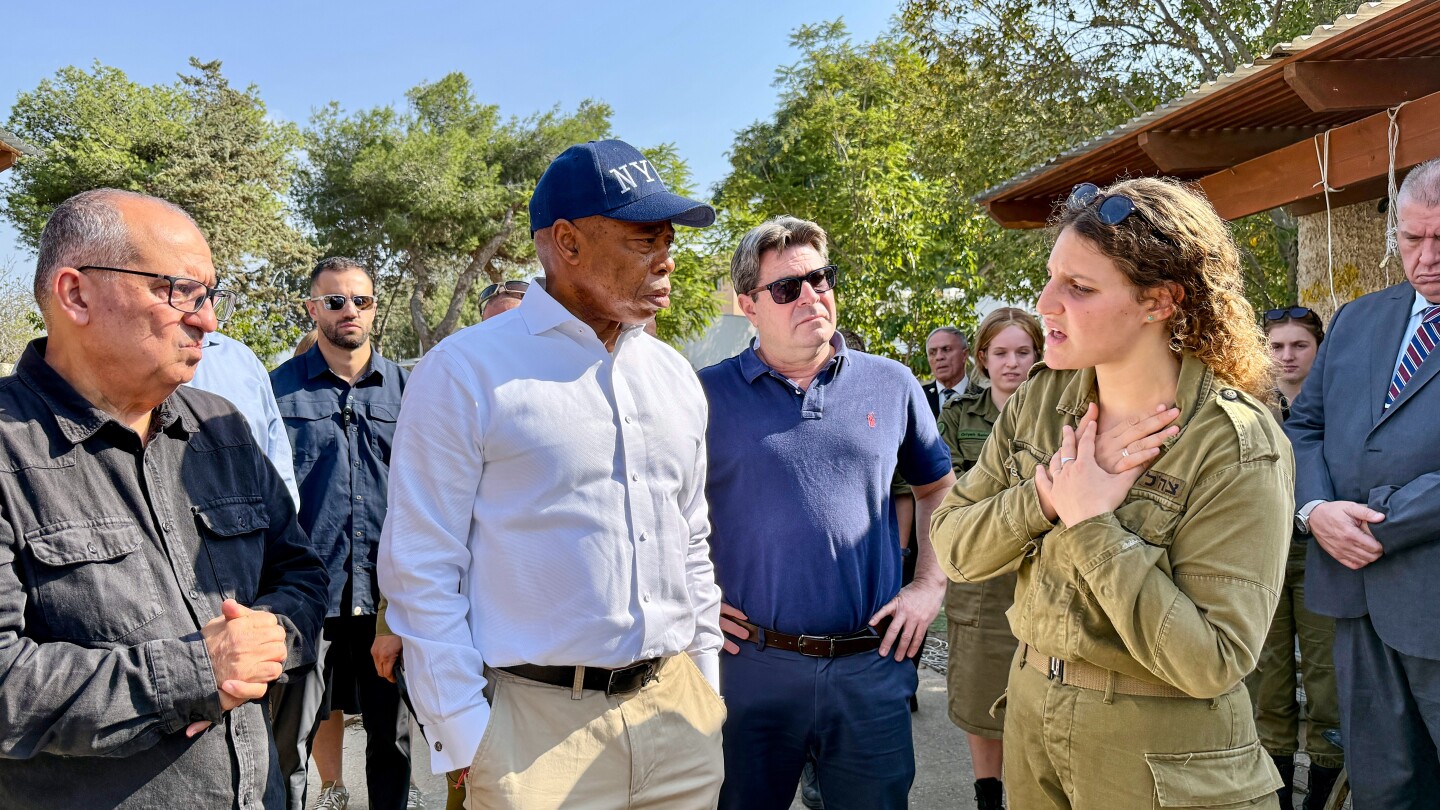
NEW YORK — As his mayoral term approaches its conclusion, Eric Adams has intensified his international diplomatic engagements, embarking on multiple overseas journeys that have sparked both criticism and defense of his travel priorities. The outgoing mayor recently completed official visits to Albania, Israel, and Uzbekistan, with a subsequent trip to New Orleans to receive an award from the Combat Antisemitism Movement—marking his second recognition from the organization within a fortnight.
City taxpayers predominantly fund these diplomatic missions, covering expenses for mayoral security, staff accommodations, and travel logistics. While the administration’s spokesperson declined to disclose exact costs, Deputy Mayor for Communications Fabien Levy defended the trips as productive engagements that fostered discussions about innovation, job creation, and intergovernmental relations.
The travel pattern has drawn sharp criticism from political opponents who characterize it as mayoral ‘senioritis’—a perceived neglect of municipal responsibilities during the transition period. New York City Public Advocate Jumaane Williams accused Adams of prioritizing personal interests over civic duties, suggesting the mayor’s actions reinforce public perceptions of self-interest.
Adams, who has openly contemplated international career opportunities post-mayoralty, maintains his identity as a ‘global leader’ with longstanding diplomatic aspirations. His travel history predates his current position, having established sister city agreements as Brooklyn borough president that facilitated official visits to China, Senegal, and Turkey.
The federal investigation into Adams’ Turkish connections—specifically allegations of improperly discounted flights from Turkish officials—previously resulted in indictment proceedings that were ultimately discontinued. However, the scandal significantly damaged his political standing, contributing to his abandoned reelection campaign and poor performance in Democratic primaries.
Recent itineraries have included meetings with Albanian Prime Minister Edi Rama, Israeli President Isaac Herzog, Prime Minister Benjamin Netanyahu, and Uzbek officials discussing economic development opportunities. The timing of certain trips, particularly the Israel visit following the election of critic Zohran Mamdani, has been interpreted by observers as politically pointed messaging.
As the January 1st transition to Mamdani’s administration approaches, Adams continues to leverage his final weeks in office for international diplomacy, maintaining that these engagements serve New York’s economic and cultural interests despite mounting criticism about their timing and fiscal implications.