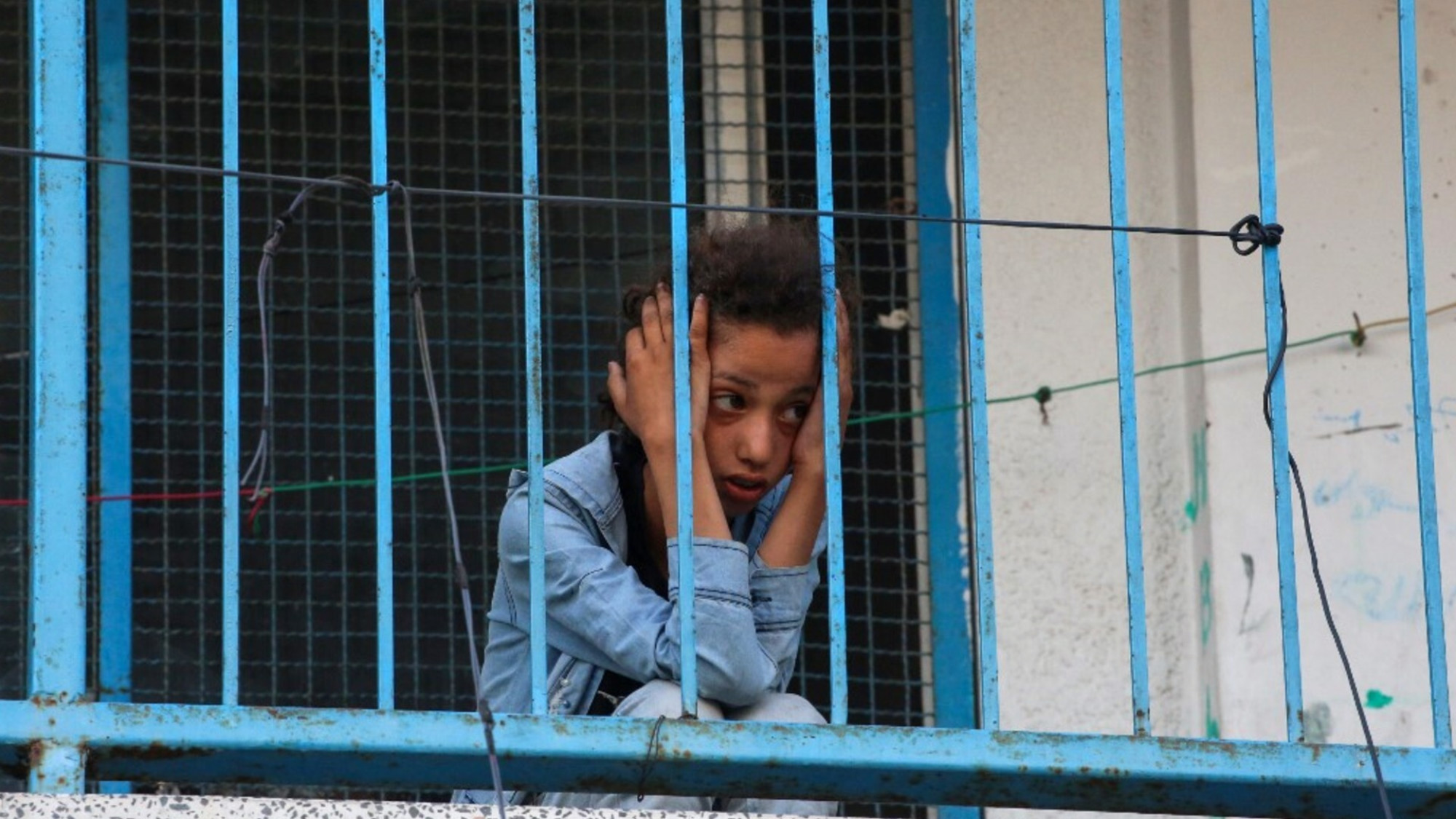
In the shadow of Israel’s military offensive, Gaza’s education system lies in ruins, creating what experts describe as a deliberate campaign to undermine Palestinian development for generations to come. The devastating impact on students like 19-year-old Layan Abdul-Rahman illustrates the profound human cost of this educational catastrophe.
Before the conflict, Abdul-Rahman was an ambitious, English-fluent student preparing for university applications. Now, after two years of delayed education and the trauma of losing her father and multiple family members in Israeli attacks, she struggles to comprehend the possibility of continuing her studies. ‘She is mentally exhausted and constantly cries,’ her sister Israa told Middle East Eye. ‘Every day, she comes to me asking, ‘Am I really going to apply?”
The scale of destruction is staggering. UN analysis of satellite imagery reveals that 97% of Gaza’s school buildings have sustained damage, with 76.6% suffering direct hits since October 2023. The UN agency for Palestinian refugees reports that over 660,000 children are being deprived of schooling for a third consecutive year, while Palestinian officials estimate approximately 700,000 students have had their education suspended.
Those attempting to continue their education face unimaginable challenges. Sixteen-year-old Abdul-Aziz, once a diligent student, ‘no longer remembers which class he is in,’ according to family members, his priorities shifted from academics to survival. Yara Khaled, whose children attended the American International School in Gaza, describes how ‘their thinking has completely changed’—now preoccupied with basic necessities like lighting fires and finding bread for the next meal.
Amid the devastation, grassroots initiatives like Gaza Great Minds offer glimmers of hope. Founded by English teacher Ahmad Abu Rizik in May 2024 after witnessing a child scrambling for aid instead of attending school, the organization operates six of Gaza’s approximately 50 remaining schools, providing free education to some 3,000 children. These makeshift tent classrooms represent a defiant commitment to learning despite overwhelming odds.
Yet even these efforts face extreme challenges. Students arrive hungry and traumatized, parents hesitate to send children to school amid random Israeli shootings, and the organization has already lost nine pupils to the violence—including Mohammed and Dalia, killed recently while playing in the streets.
Neve Gordon, chair of the British Society for Middle Eastern Studies’ Committee on Academic Freedom, characterizes Israel’s destruction of Gaza’s education system as intentional policy with far-reaching implications: ‘By decimating Gaza’s educational and intellectual infrastructure, Israel is systematically undermining the Strip’s development for years to come, much after the genocidal violence subsides.’ This systematic dismantling of education represents what many describe as a war on the very existence of the Palestinian people, with consequences that will echo through generations.