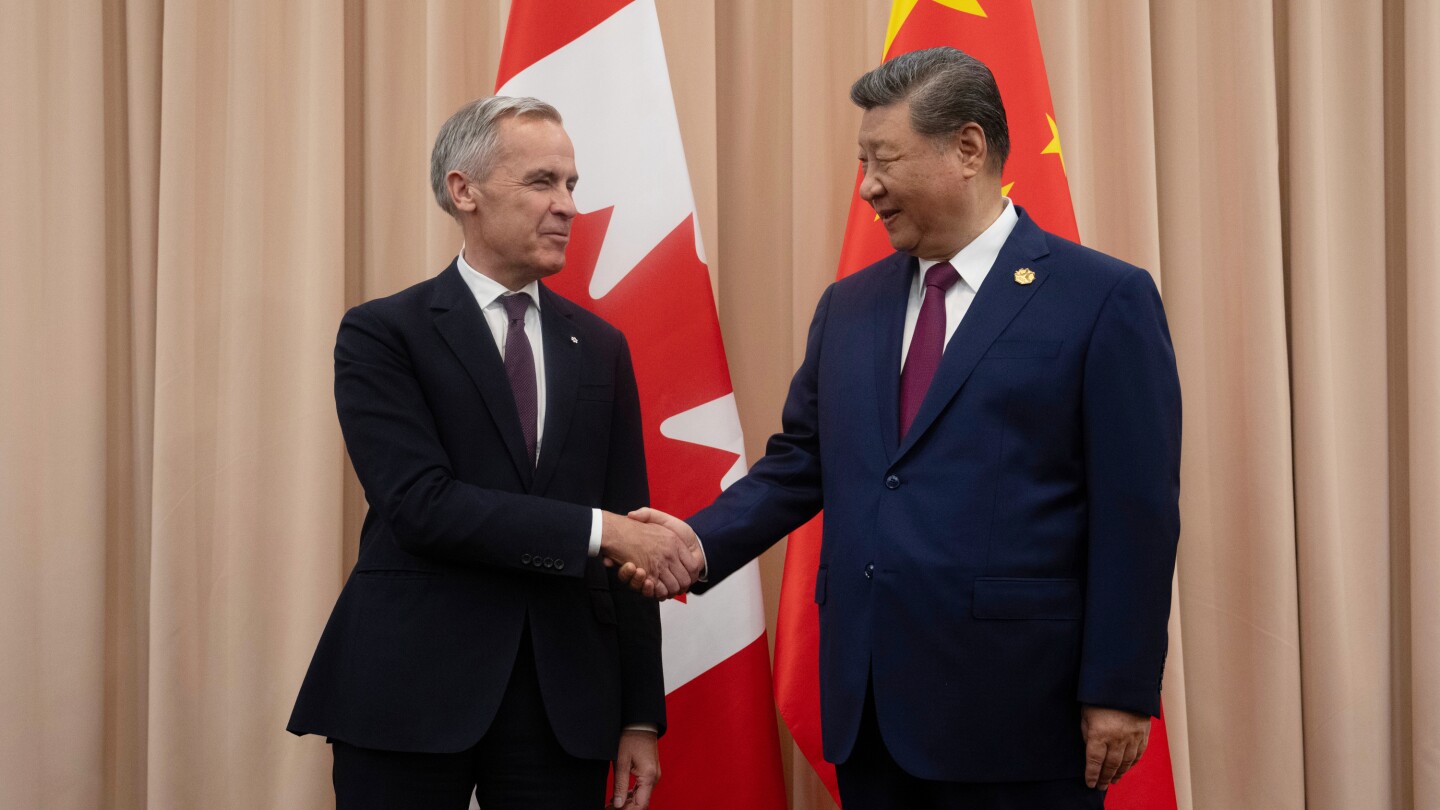
In a significant diplomatic maneuver, Canadian Prime Minister Mark Carney commenced a pivotal visit to China this week—the first by a Canadian head of government in nearly ten years. This groundbreaking trip represents a strategic recalibration of Canada’s foreign policy as it seeks to diminish its historical economic reliance on the United States amid escalating trade tensions.
The visit occurs against the backdrop of deteriorating US-Canada relations, exacerbated by former President Donald Trump’s tariff impositions and provocative remarks about Canada’s sovereignty. Prime Minister Carney’s mission aligns with his ambitious national strategy to double Canada’s non-US exports within the next decade, responding to what he characterizes as “global trade disruption.”
“Canada is focused on building a more competitive, sustainable, and independent economy,” Carney stated in an official release. “We’re forging new partnerships worldwide to transform our economy from one that has been reliant on a single trade partner.”
This diplomatic outreach follows a pattern among Western nations seeking to reset relations with Beijing. Australian Premier Anthony Albanese successfully normalized ties with China after taking office in 2022, resolving trade restrictions that had hampered Australian exports for over eighteen months. Similarly, British Prime Minister Keir Starmer has pursued improved relations with China since the Labour Party’s 2024 election victory.
The Canada-China relationship has experienced significant strain in recent years, particularly following Canada’s 2018 detention of Huawei executive Meng Wenzhou at America’s request. China retaliated by arresting two Canadian citizens on espionage charges, creating a diplomatic standoff that lasted until all three individuals were released simultaneously in 2021.
More recently, trade tensions have resurfaced as Canada mirrored US tariffs on Chinese electric vehicles (100%) and steel/aluminum (25%), prompting Beijing to impose retaliatory tariffs on Canadian agricultural products including canola, seafood, and pork.
China’s state-run Global Times newspaper welcomed Carney’s visit as a “new starting point” while urging Canada to eliminate “unreasonable tariff restrictions.” Chinese Foreign Ministry spokesperson Mao Ning expressed anticipation that the visit would “consolidate the momentum of improvement in China-Canada relations.”
Concurrently, Canada is pursuing diplomatic reconciliation with India following tensions over allegations of Indian involvement in the killing of a Sikh activist on Canadian soil. Carney is expected to visit New Delhi later this year as part of this broader foreign policy reorientation.
Following his China engagements through Saturday, Carney will travel to Qatar before attending the World Economic Forum annual meeting in Switzerland.