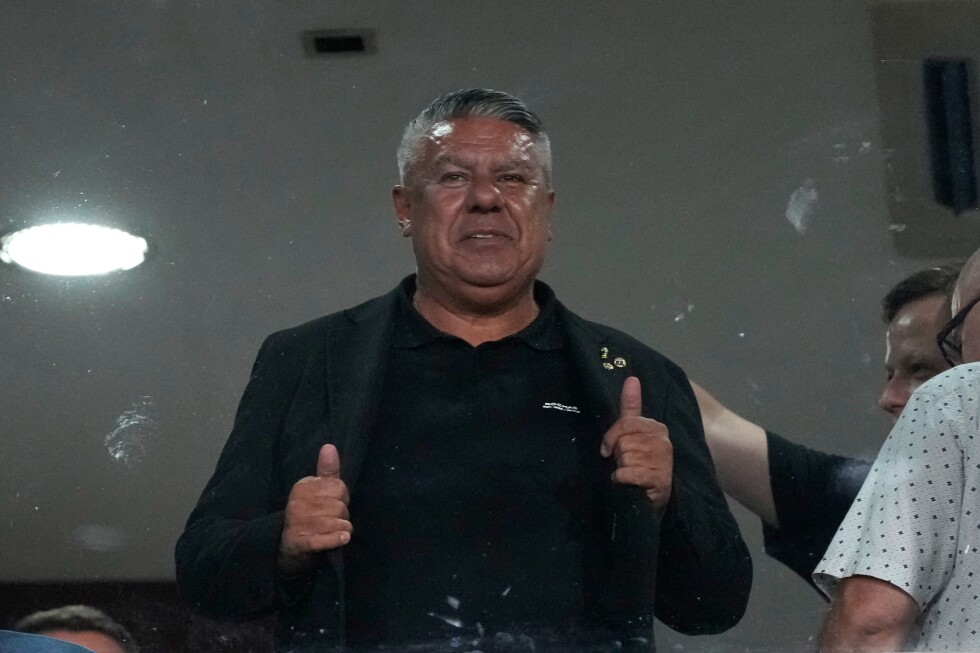
Argentina’s football landscape faces unprecedented disruption as the nation’s professional clubs have unanimously agreed to stage a nationwide strike from March 5-8. This drastic measure comes in response to what the football community perceives as judicial targeting of Argentine Football Association (AFA) president Claudio Tapia.
The labor stoppage, announced Monday following an emergency executive committee meeting, will suspend all first division matches and league games during the four-day period. The decision represents a unified front against legal proceedings initiated by the government’s Customs Revenue and Control Agency (ARCA).
At the heart of the controversy is Judge Diego Amarante’s summons for Tapia to testify on March 5 regarding allegations of misappropriating social security contributions totaling 19 billion pesos (approximately $13 million) during 2024-2025. The judge has additionally imposed a travel ban on Tapia while summoning four other high-ranking AFA officials for questioning in early March.
Those named in the investigation include AFA treasurer Pablo Toviggino, general secretary Cristian Malaspina, general director Gustavo Lorenzo, and former Racing Club president Víctor Blanco, who held an organizational position during the period under scrutiny.
In a striking development, Judge Amarante granted Tapia authorization to travel to Colombia and Brazil between February 23-28 for official football duties, despite the ongoing investigation. Tapia is scheduled to attend an event hosted by the Colombian Football Federation in Barranquilla and subsequently participate in a CONMEBOL council meeting in Rio de Janeiro, where he serves as second vice president.
The AFA has vehemently denied the allegations, asserting in an official statement that ‘the voluntary payment of these tax obligations was made prior to their due date.’ The football governing body maintains that the complaint lacks merit and represents unjustified persecution against its leadership.
The scheduled strike represents one of the most significant labor actions in Argentine football history, demonstrating the deep solidarity within the sport’s infrastructure amid escalating tensions between football authorities and governmental agencies.