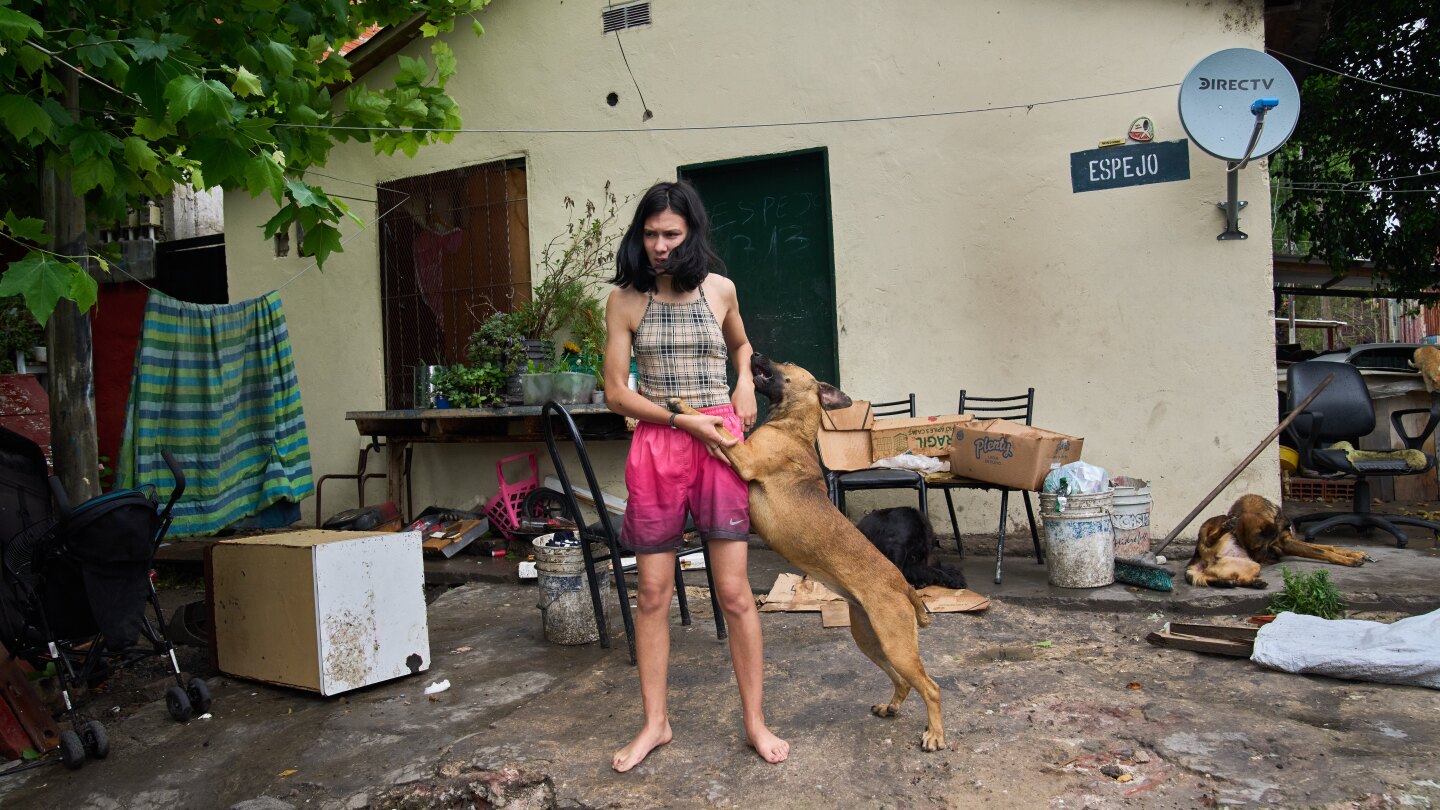
In the upscale Puerto Madero district of Buenos Aires, luxury car dealerships are thriving, and bankers are optimistic. This surge in economic activity follows President Javier Milei’s decision to lift import restrictions and end the ban on online dollar sales. Meanwhile, across the polluted Riachuelo River in Isla Maciel, Veronica Leguizamon struggles to feed her four daughters, relying on a local soup kitchen after Milei’s cuts to public subsidies and price controls on essential goods. ‘Before, we could choose what to cook,’ she lamented. ‘Now we depend on others to know if we’ll eat or not.’ This stark contrast highlights the deepening divide in Argentina as voters prepare for Sunday’s nationwide congressional midterms, a pivotal test for Milei’s libertarian government. While some praise his efforts to attract foreign investment and stabilize the economy, others suffer from the harsh realities of austerity. The election outcome could determine the future of Milei’s economic reforms and the Trump administration’s $40 billion financial rescue plan for Argentina. As the nation stands at a crossroads, the question remains: will Milei’s policies unite or further fracture a deeply polarized electorate?
Argentina votes in midterm elections set to test President Milei’s mandate and US support